
Congratulations to our 2019 Public and Urban Affairs (PUA) and Environmental Policy and Planning (EPP) graduates! The video below (taken through Google Glass) captures my view of the 2019 CAUS Commencement Ceremony. It also provides a behind the scenes look at the ceremony, which I hope the family and friends of our graduates will enjoy.
Tag: SPIA
Student Presentations – May 7, 5-7:45pm
From 5:00 to 7:45pm on May 7, 16 teams of students (in SPIA/GEOG 2244 Sustainable Urbanization) will be presenting their projects that envision the VT Innovation Campus. The presentations will be held in room 220 in the New Classroom Building and will consist of a poster, handout, and a live demonstration of how they have analyzed their ideas using UrbanFootprint. 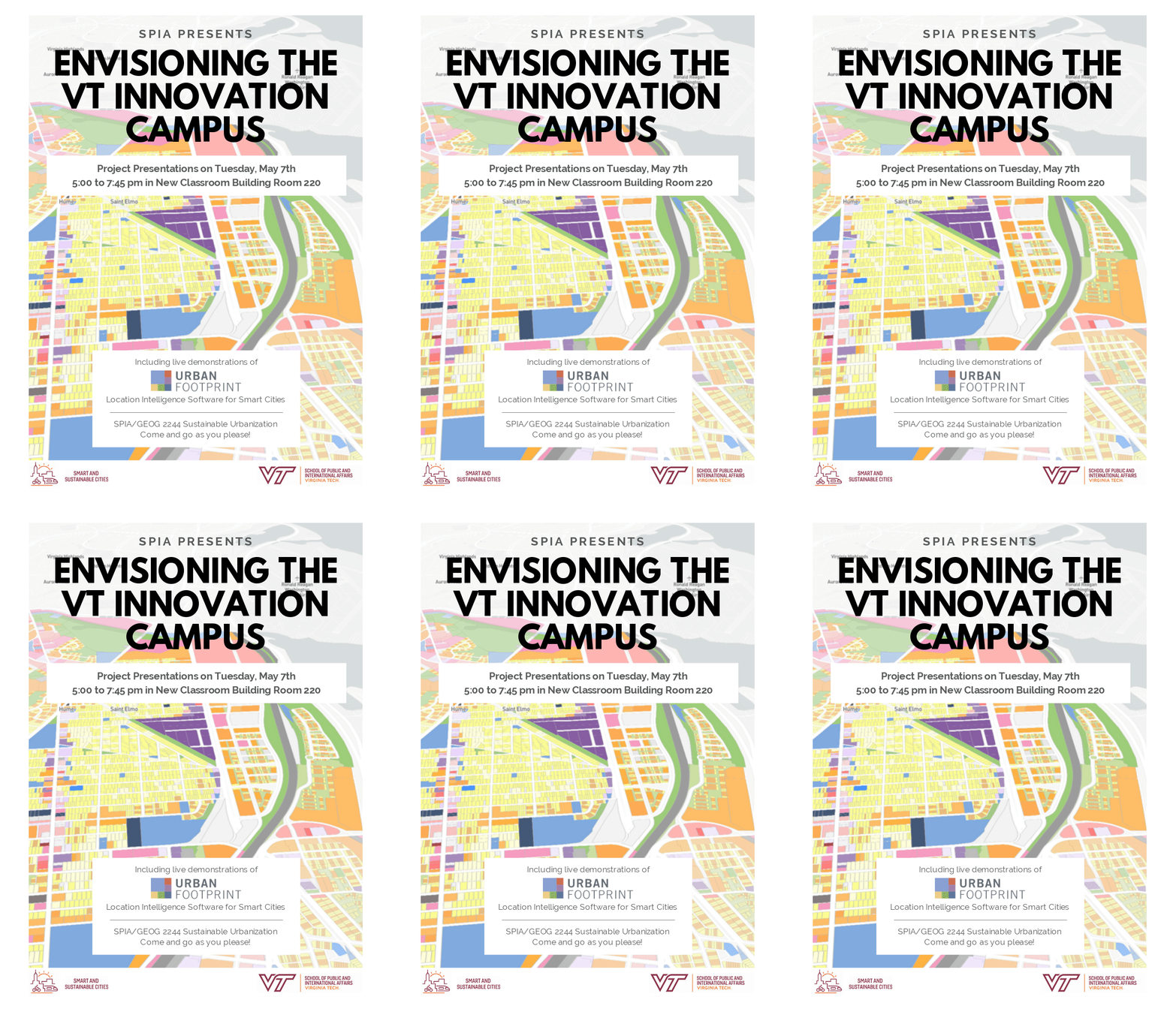
Envisioning the VT Innovation Campus
Last fall, Virginia Tech announced its plan to build a 1,000,000 square-foot Innovation Campus in Alexandria as part of a larger pitch to bring Amazon’s HQ2 to Northern Virginia. After hearing this news, I started thinking about how this development could be explored in my Spring semester Sustainable Urbanization course.
Around the same time, I was also introduced to UrbanFootprint – a big data urban analytics platform – as an interesting tool for teaching urban sustainability. Combining these two opportunities resulted in a proposal to use UrbanFootprint to study the new Amazon HQ2 and VT Innovation Campus. However, I faced to two challenges with this idea. The first was securing the financial resources to cover the UrbanFootprint license for up to 90 students. The second was finding an appropriate way for the class to engage with the VT Innovation Campus team to make sure that (1) students had access to relevant information and (2) their final products would be of value to the team.
After exploring a couple of funding opportunities, the first challenge was solved when the Urban Affairs and Planning Program (UAP) and the School of Public and International Affairs (SPIA) kindly agreed to share the cost of a one semester license. In addition, UrbanFootprint agreed to allow over 80 students in the class to use the platform in teams, rather than as individual users, which had not been done on this scale before.
The second challenge was addressed by working closely with Dr Kristie Caddick, the project manager for the VT Innovation Campus. As one might expect, building a 1,000,000 square-foot campus is a formidable challenge and managing such an endeavor requires a dedicated team that was forming at the time I was exploring this idea. Fortunately, the team saw the pedagogical value of challenging our undergraduates to learn more about the project and explore visions of how the campus could be developed.
As with all new ideas, it’s never as easy as you hope. While the funding for the UrbanFootprint license had been secured, it took a patient team of professionals at VT and UrbanFootprint to develop a workable license agreement that was signed the day before classes begun. This delay meant the teaching team were co-learning the platform with the students, which was a little uncomfortable at first, but resulted in a learning environment that was ‘real’ and collaborative.
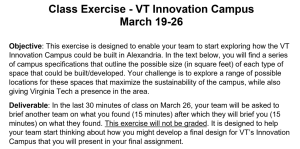
By the time we reached Spring break, the teaching team had a sufficient handle on the platform that we moved from knowledge/skill-based exercises to a more complex task – to start exploring how the VT Innovation Campus could be built in Alexandria. This task was co-designed with Dr. Caddick, who introduced the students to the history of the VT Innovation Campus and more recent developments via a guest lecture.
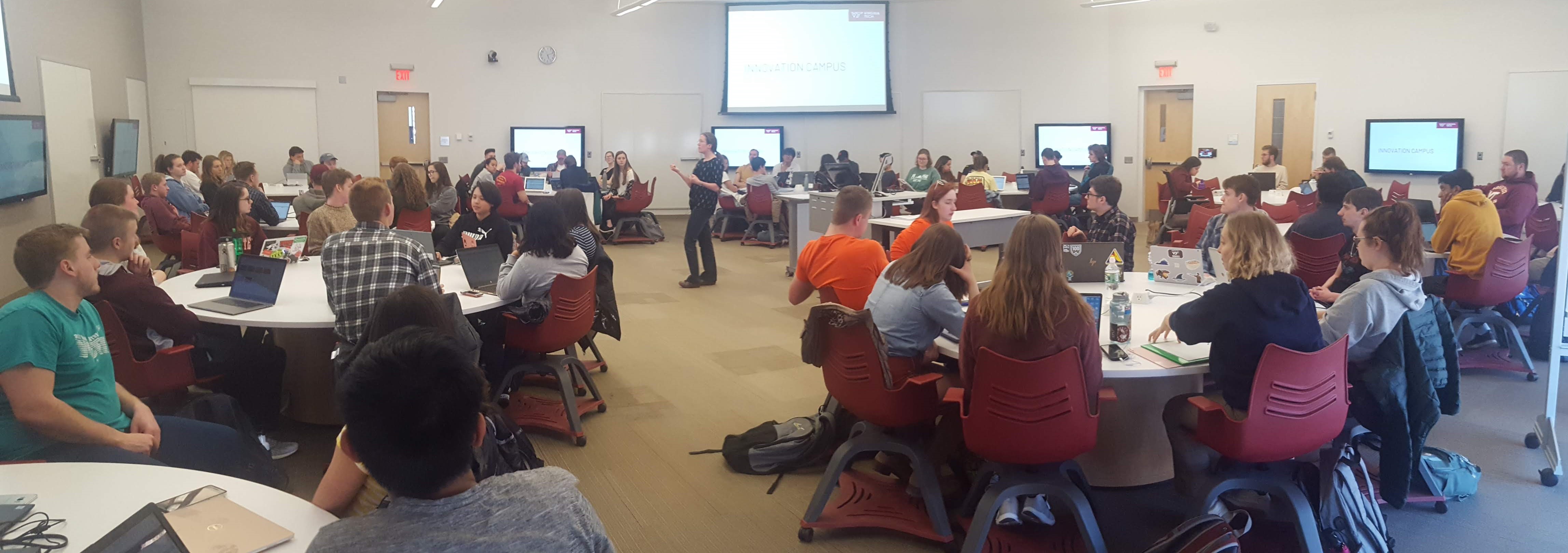
In parallel with their work in UrbanFootprint, students have been searching for best practices of sustainable urbanization in the US and overseas that are now informing their ideas for the VT Innovation Campus. Last week, each of the 16 teams crafted a vision statement for the new campus. Several of the draft statements are shown in the slideshow below, along with a few pictures from several guest lecturers who have joined us this semester.
On May 7, from 5:00 – 7:00pm, in room 220 of the New Classroom Building at Virginia Tech, 16 teams of students will present their visions for how the VT Innovation Campus could be developed. The presentations will consist of a poster that outlines their vision and development strategies and a live demonstration of how they analyzed the potential impacts of their vision using UrbanFootprint.
The New SPIA Undergraduate Program Launches
In one week we will welcome our first cohort of students into the new Smart and Sustainable Cities (SSC) and Environmental Policy and Planning (EPP) majors. Over the past two years, faculty in the School of Public and International Affairs (SPIA) have worked to completely revise the Bachelors of Arts in Public and Urban Affairs (PUA) that is now the home of these two majors. The PUA degree will provide students with a solid foundation in U.S. government and politics, the legal foundations of planning, collaborative policy-making and planning processes, urban public issues, transdisciplinary problem solving, and public service leadership. It has been carefully designed to ensure student learning outcomes are introduced, reinforced, and assessed throughout the curriculum, which provides significant opportunities to integrate signature projects/problems within the curriculum.

The SSC major consists of two unique tracks in urban analytics and urban sustainability, an integrative course on data and the art of decision-making, and a capstone studio. The PUA degree core and SSC major creates one of the first undergraduate degrees in the nation to integrate governance and planning processes, urban analytics, and urban sustainability. See the video below for a little more information on the new SSC major.
 The EPP major draws from the long and successful legacy of the Bachelors of Science in Environmental Policy and Planning, and will provide students with the knowledge and skills needed to understand complex environmental challenges and develop enduring solutions. EPP majors will be able to analyze how environmental policies are implemented at national and sub-national levels, and evaluate how environmental policies are managed across sectoral and jurisdictional boundaries.
Students at Virginia Tech will be able to major or minor in SSC and EPP, or complete a double major in SSC and EPP. Students will also be able to take advantage of other majors and minors at Virginia Tech to develop their own unique combination of knowledge and skills. To support their decision-making, we have enhanced our undergraduate advising capacity to ensure that each student receives the help they need when selecting majors, minors, courses, and potential career pathways.
For more information about the new SPIA undergraduate program, please visit our website or contact Chris LaPlante (540-231-3831; chrisl@vt.edu).
2018 PUA and EPP Graduation Video
Congratulations to our 2018 Public and Urban Affairs (PUA) and Environmental Policy and Planning (EPP) graduates! The video below (taken through Google Glass) captures my view of the 2018 CAUS Commencement Ceremony. It also provides a behind the scenes look at the ceremony, which I hope the family and friends of our graduates will enjoy. I’d like to thank Prof. Eric Lyon for allowing me to include his original music – entitled “Of the Beginning” – in the video. This music was written for the 2018 Graduate School Commencement Ceremony. I was able to record a live version of this piece that can be heard throughout the video.
Public Talk – King’s Ethics & Kelso’s Economics
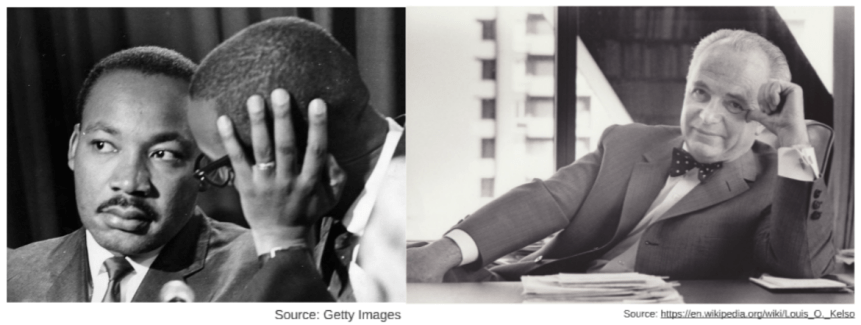
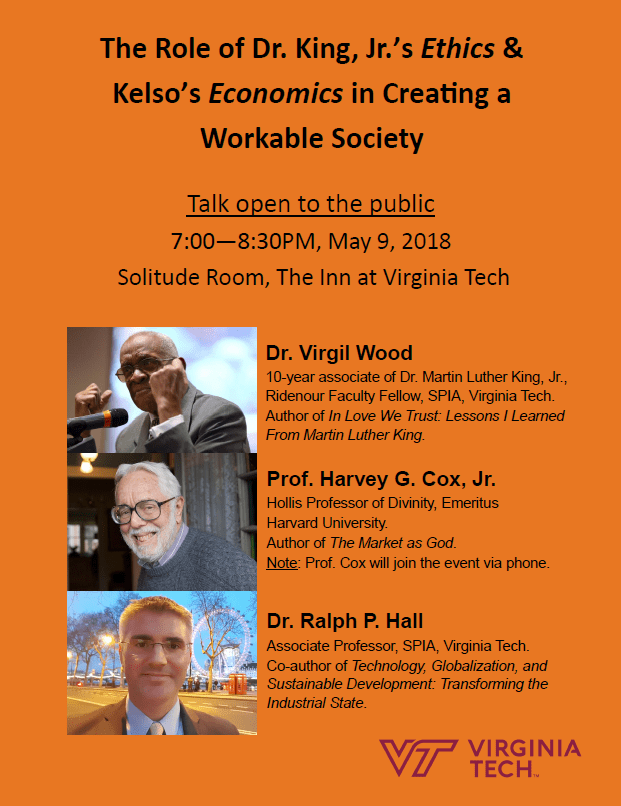
On Wednesday, May 9, at 7:00pm, Dr. Virgil Wood (the 2018 VT Graduate Commencement Speaker), Prof. Harvey Cox (Hollis Professor of Divinity, Emeritus, Harvard University), and I will hold a public conversation on The Role of Dr. King, Jr.’s Ethics & Kelso’s Economics in Creating a Workable Society. Prof. Cox will be joining the conversation via video conference.
The event will be held in the Solitude Room at the Inn at Virginia Tech. Please share this announcement with students and community groups who may find this subject of interest. The event will provide attendees with a unique opportunity to engage with Dr. Wood and Dr. Cox, who have spent their lives working to advance economic and spiritual development across the nation.
John O. Browder
Last week, a colleague, mentor, and friend Professor John O. Browder lost his battle against cancer. John has left behind a significant legacy at Virginia Tech and I wanted to take a moment to reflect on his enduring impact.
 During the eight years I worked with John, I was able to witness his dedication to student learning and leadership in advancing the international aspects of our academic programs. As a mentor, John was always willing to provide honest and constructive feedback that helped many faculty at Virginia Tech navigate the tenure and promotion process. I now find myself repeating the advice I received from John to others, advice that came from his decades of experience serving on promotion and tenure committees at the school, college, and university level.
In the classroom setting, John created a relaxed and open environment, but always challenged students to continually advance their knowledge. He created a learning partnership model with our doctoral students as they co-explored theories of pedagogy and learning. With our masters students, John anchored our international development offerings. At the undergraduate level, John taught environmental ethics and addressed real problems with clients in the environmental problem solving studio.
When I arrived at Virginia Tech in 2009, John asked me to take over the international development planning studio that he created and had taught for over a decade. We later made this studio one of the two core classes that support the graduate certificate in Global Planning and International Development Studies. This certificate was created under John’s leadership in collaboration with other programs at Virginia Tech. John never went far from the studio, leading discussions on the lessons he learned from his research in the Amazon or serving on the studio’s proposal review panel. I have included a few pictures below of John in action.
John will be dearly missed by everyone he touched. He still had much to give, especially related to helping Virginia Tech become a global land grant institution.
Thank you John for everything you gave us.
The Future of Work and Income
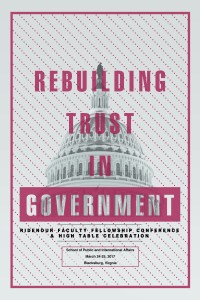 On March 24-25, the School of Public and International Affairs will be holding its Ridenour Faculty Fellowship Conference & High Table Celebration, at the Virginia Tech Inn. The title of the conference is Faith in the System: Rebuilding Trust in Government in a Time a Complex Governing Challenges.
During the conference, I will moderate a panel discussion (at 2:45pm on Friday, March 24) on The Future of Work and Income in an Era of Economic Inequality.
The panelists include Dr. Virgil A. Wood (Pastor Emeritus, Pond Street Baptist Church; Former Dean, Northeastern University; Former ten-year working associate of Dr. Martin Luther King, Jr.), Dr. Joyce Rothschild (Professor, School of Public and International Affairs, Virginia Tech), and Dr. Christian Matheis (Visiting Assistant Professor, Government and International Affairs, Virginia Tech).

During the panel discussion we will explore how the forces of globalization and rapid technological change, along with an overall decline in pay and wages, have resulted in the perception of a stagnant post-recession economic recovery. Emphasis on economic inequality was persistent in the 2016 presidential election along with promises to bring back jobs and industries that once supported the American Dream. The panel members will examine these major socio-economic and political shifts, and discuss what could be done to reduce economic inequality and reestablish trust in government.
The conference sessions are free, but participants are asked to register.
Congratulations Selma Elouardighi!
This afternoon, Selma Elouardighi successfully defended her dissertation entitled “The Transfer of Environmental Best Practices from Developed to Developing Countries through Multinational Corporations.”
I have provided a brief excerpt from her dissertation below that captures the essence of her research.
This research was prompted by a desire to understand why Moroccan cement companies have adopted advanced environmental responsibility practices far beyond those used by companies in the other sectors of the national economy. While corporate environmental stewardship in Morocco is generally lacking, cement producers have adopted best practices. This observation prompted two questions: why did the cement sector adopt, of its own volition, advanced environmental performance in the absence of the impetus of the state (i.e., stringent and enforced regulation), and how was the industry able to change course, develop, and adopt these best practices? Answering these questions meant identifying the power structures capable of inducing behavioral change within Moroccan companies, as well as the mechanics through which new knowledge is generated within the same context.
Using process tracing as a research methodology, … this research analyzed the external business environment of cement subsidiaries in Morocco, and uncovered the processes through which the adoption of EBP by Moroccan cement subsidiaries was enabled.
Using the knowledge she obtained through her research, Selma set-up an NGO in Morocco in 2014 to help create an Industrial Cluster for Environmental Services (known as CISE-Marco). The NGO and its partners subsequently applied for and received a green entrepreneurship grant from the U.S. Department of State to promote cleaner production processes and green jobs in Morocco. Her research and subsequent work provide an excellent example of how students from SPIA’s PGG program are focusing on significant and real-world problems.
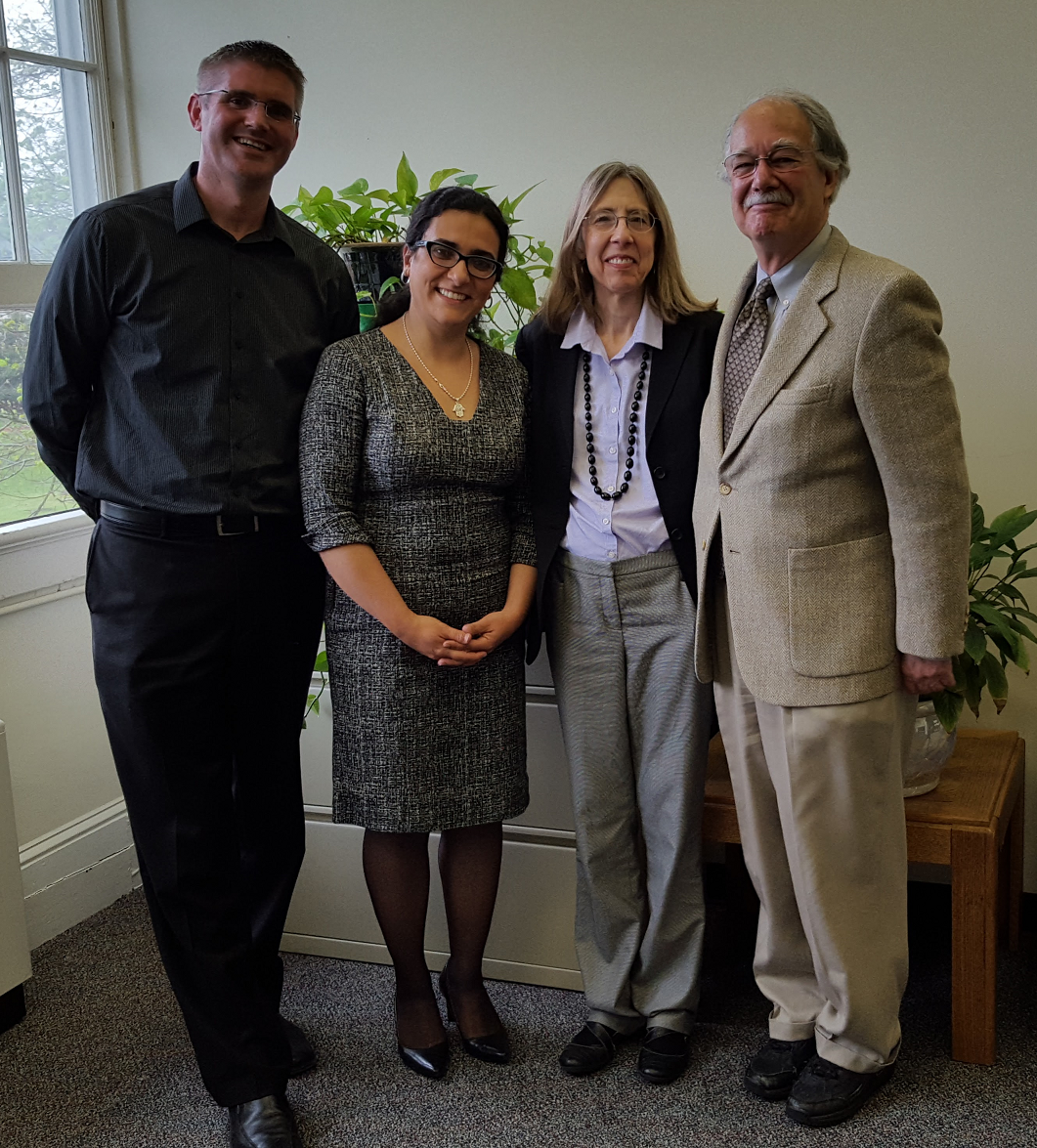
I served as the co-chair of Selma’s doctoral committee, alongside Edward Weisband (co-chair), Karen Hult, and Deborah Gallagher.
 Ralph P Hall