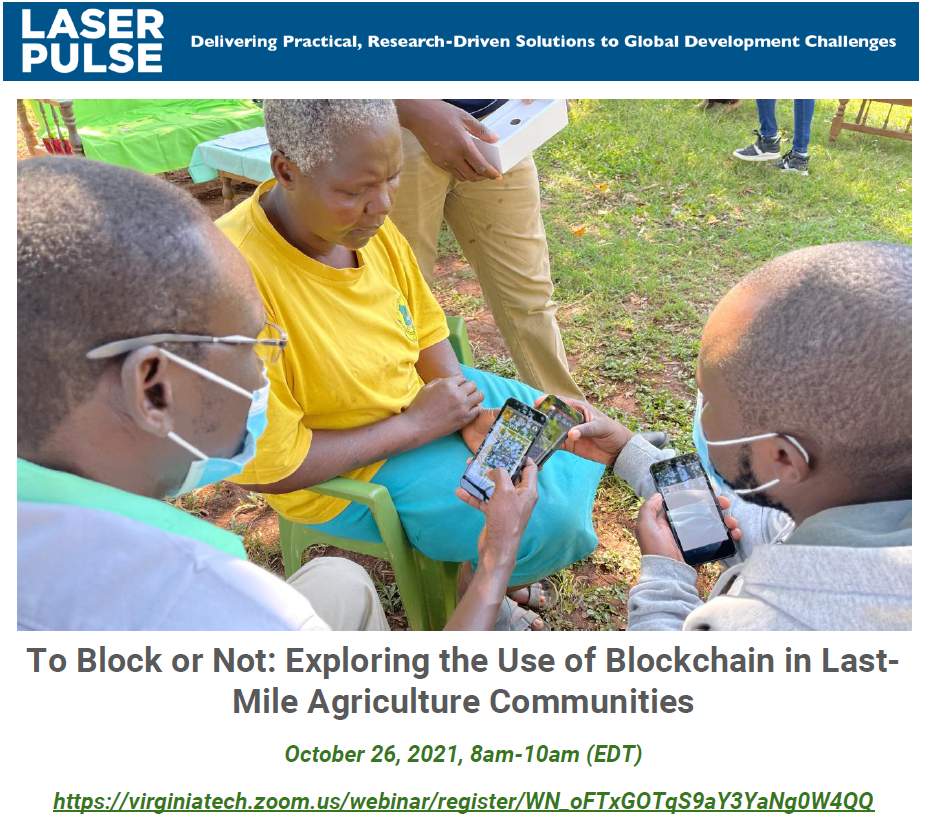
Webinar: To Block or Not – Exploring the Use of Blockchain in Last-Mile Agriculture Communities

Webinar: October 26, 2021, 8am-10am (EDT). Register (for free) here.

Traceability. Transparency. Trust.

Food systems built on these principles generally are known to attract higher price premiums by increasing consumer confidence and value for the products. This creates income earning opportunities for producers and upgrades the quality of agri-food value chains. Blockchain technology is heralded for its ability to improve traceability, trust, and trust in agri-food value chains. What is lesser known is whether it is a viable technology for those value chains that originate in last-mile agricultural communities.

This webinar explores the contexts in which blockchain offers real solutions to strengthening value chains and its potential for creating social impact, like improved food security or engaging youth in agriculture. For the optimist and the skeptic, this two-hour webinar aims to discard the trendiness of the emerging technology and take a pragmatic view of the opportunities to use blockchain to strengthen last-mile agriculture.

Webinar Host – Ralph Hall, Virginia Tech

Technology Panel: 8am – 9am (ETD)

Views from the Field Panel: 9am – 10am (ETD)

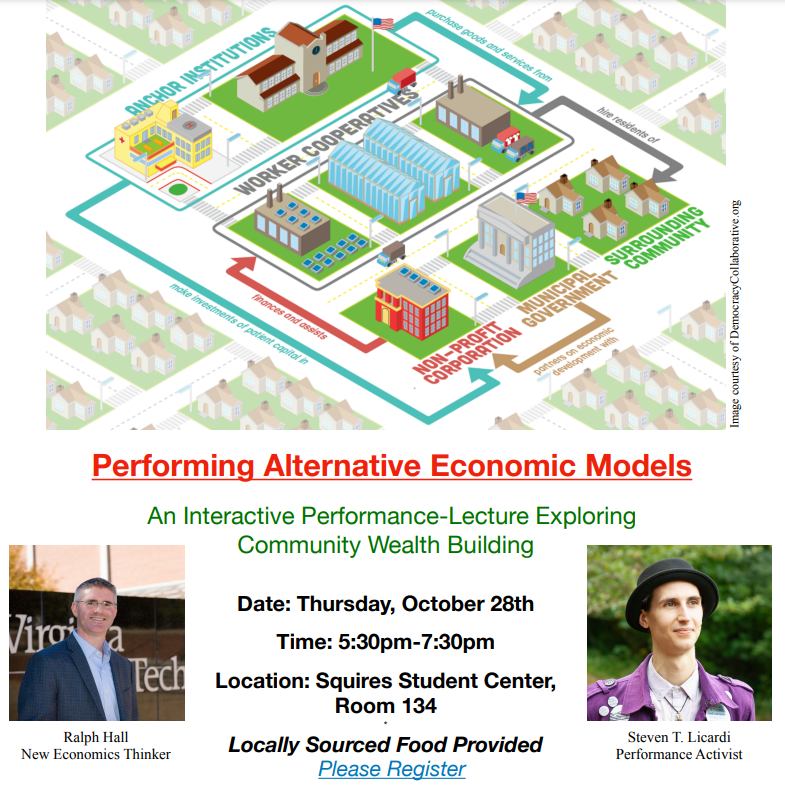
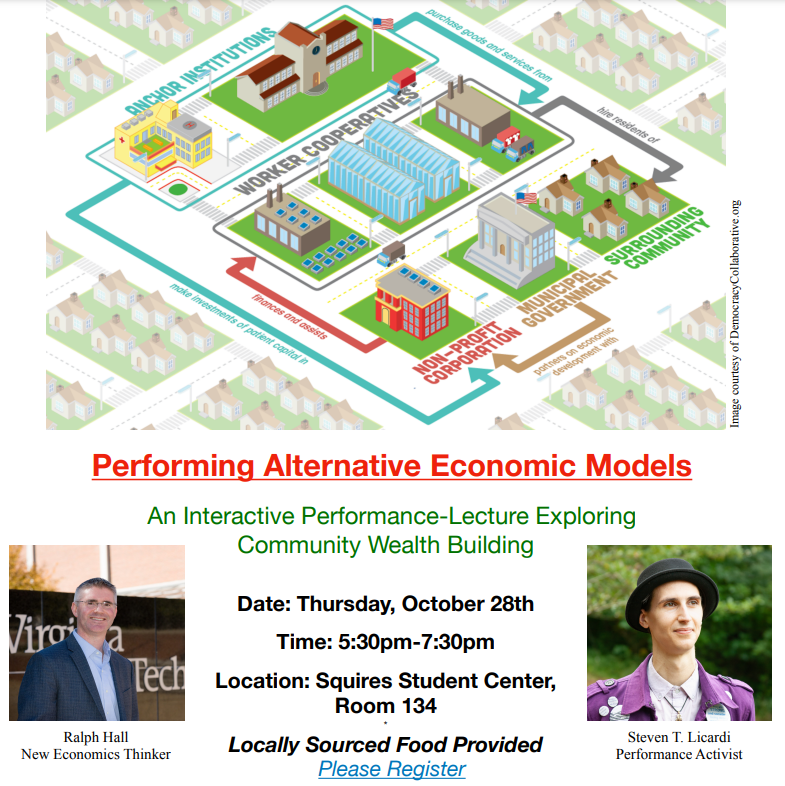
Performing Alternative Economic Models

An Interactive Performance-Lecture Exploring Community Wealth Building

For many, our current economic models no longer ensure our basic human needs are met. However, other worlds are possible, but we can’t create those worlds without you. Join performance artist Steven T. Licardi and I as we imagine, explore, and develop alternative economic models in the form of Community Wealth-Building. This performance-lecture will incorporate games, theatre pieces, and visual art making that will help us to feel our way into these new worlds. Come and be a part of the future!

Please register (for free) here.

This event is made possible by funding from the Center for Communicating Science at Virginia Tech.

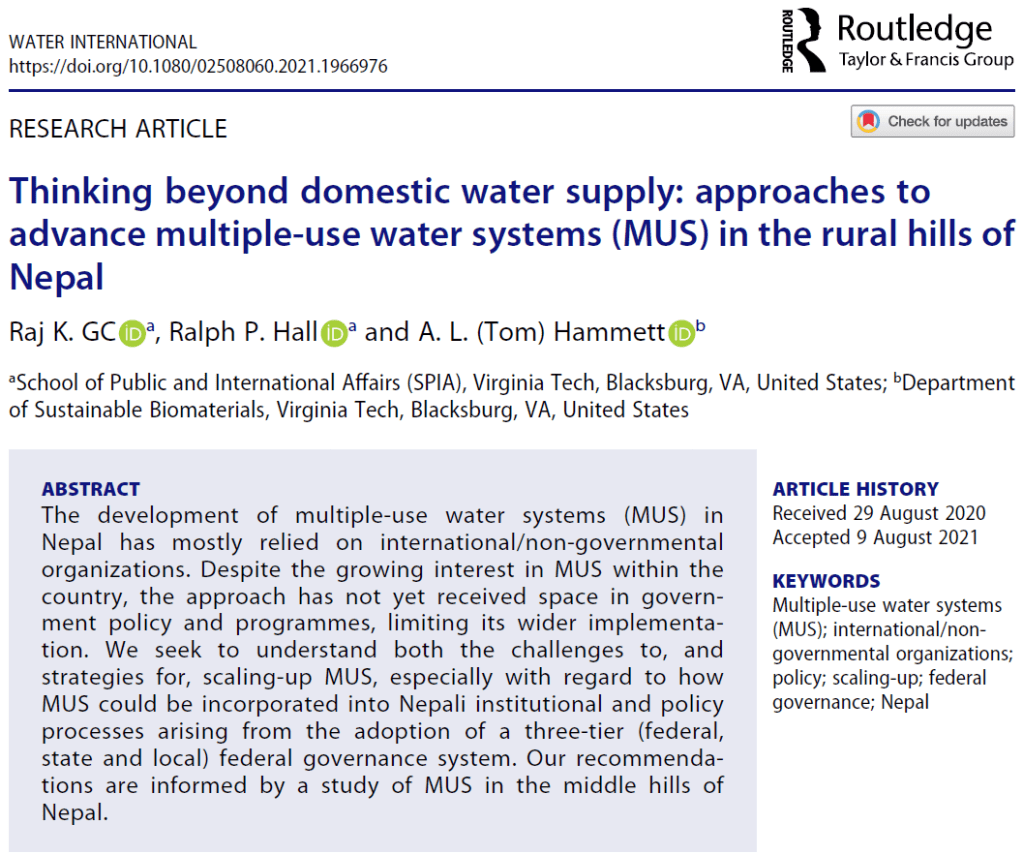
New Paper: Thinking beyond domestic water supply

The fourth paper from Dr. Raj GC’s dissertation was recently published in Water International. This paper explores a myriad of ways in which a multiple-use water services (MUS) approach to rural water provision could be incorporated into Nepal’s planning and governance systems. The first 50 downloads of the paper are fee (via this link).

ABSTRACT

The development of multiple-use water systems (MUS) in Nepal has mostly relied on international/non-governmental organizations. Despite the growing interest in MUS within the country, the approach has not yet received space in government policy and programmes, limiting its wider implementation. We seek to understand both the challenges to, and strategies for, scaling-up MUS, especially with regard to how MUS could be incorporated into Nepali institutional and policy processes arising from the adoption of a three-tier (federal, state and local) federal governance system. Our recommendations are informed by a study of MUS in the middle hills of Nepal.

The three other papers from Dr. GC’s dissertation research can be accessed below:

GC, R.K., Ranganathan, S., Hammett, T., and Hall, R. P. (2020) What factors determine the technical performance of community-managed rural water systems in the middle hills of Nepal? Journal of Water, Sanitation and Hygiene for Development, https://doi.org/10.2166/washdev.2020.189.

GC, R.K. and Hall, R.P. (2020) The Commercialization of Smallholder Farming—A Case Study from the Rural Western Middle Hills of NepalAgriculture 2020, 10, 143.

GC, R. K., Ranganathan, S., and Hall, R. P. (2019) Does Rural Water System Design Matter? A Study of Productive Use of Water in Rural NepalWater11, 1978.

New Paper: The Complex Relationship between Capacity and Infrastructure Project Delivery

The second paper from Dr. Yehyun An’s award-winning PhD research has been published in a special issue of Sustainability focused on Achieving Sustainable and Resilient Urban Development: Effective Governance, Policy, and Practice. This qualitative paper enriches the quantitative findings captured in our World Development paper.

The paper focuses on how the concept of capacity development was applied to one of India’s largest urban infrastructure programs – the Jawaharlal Nehru National Urban Renewal Mission (JNNURM). While the Indian government considered a lack of capacity to be the main problem in project delivery, there is little evidence that explains the relationships between capacity and project delivery. This case study presents the findings from 58 interviews with project engineers, managers, and administrators about the hurdles they experienced at each stage of project delivery and seeks to understand these hurdles through the lens of capacity development. The study identifies the influence of capacity factors on project delivery and the converse influence of project performance and outcomes on capacity development. Ultimately, this study reveals the complex two-way interactions between capacity and project delivery.

2021 South Big Data Hub Meeting

This afternoon, Dr. Khushboo Gupta and I will be presenting at the 2021 South Big Data Hub “All-Hands” meeting. Our presentation – entitled “India’s Smart City Mission and the Role of Internal vs. External Smartness” – will focus on the main findings from Dr. Gutpa’s dissertation research that explored India’s Smart Cities Mission (SCM).

Our presentation is based on the following research papers and presentations:

USG Workshop – DEI, Sustainability, and CWB

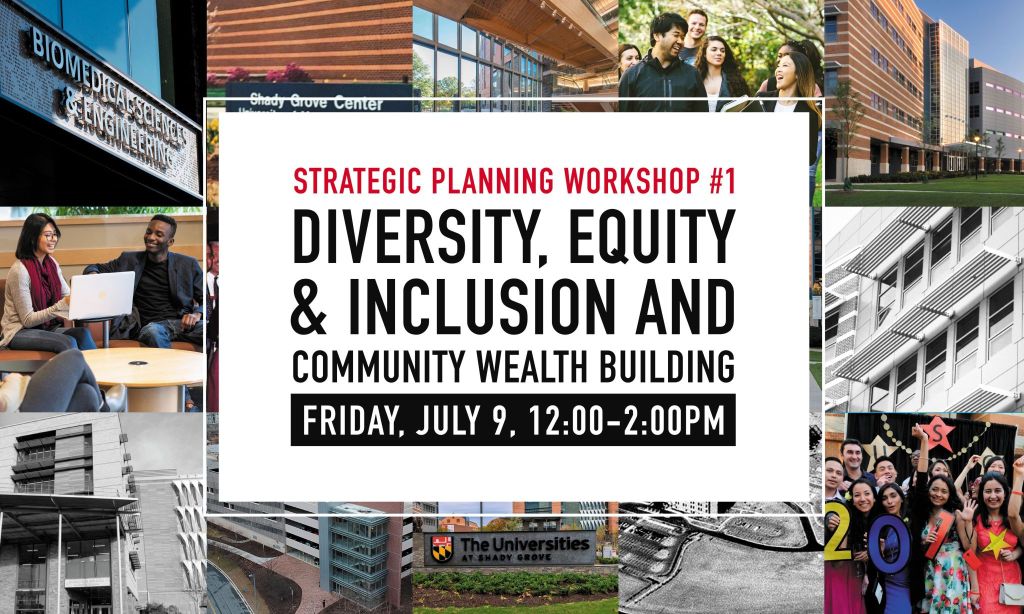
On Friday, July 9, I will be taking part in the first USG (Universities at Shady Grove) strategic planning workshop that will focus on Diversity, Equity, and Inclusion (DEI), Sustainability/Regenerability, and Community Wealth Building (CWB).  

Andrew Schell (from the Chesapeake Bay Foundation) will lead the discussion on DEI, Jessica Hardy (Virginia Tech PhD student) will lead the discussion on Sustainability/Regenerability, and I will conclude the workshop with a discussion on CWB. The workshop will be hosted by Anne Khademian (Executive Director, USG), Ike Leggett (a former executive of Montgomery County, Maryland), and Kevin Beverly (President & CEO of Social & Scientific Systems).

The workshop is open to the public, but registration is required.

AGRILINKS Article on Kenya AIVs Project

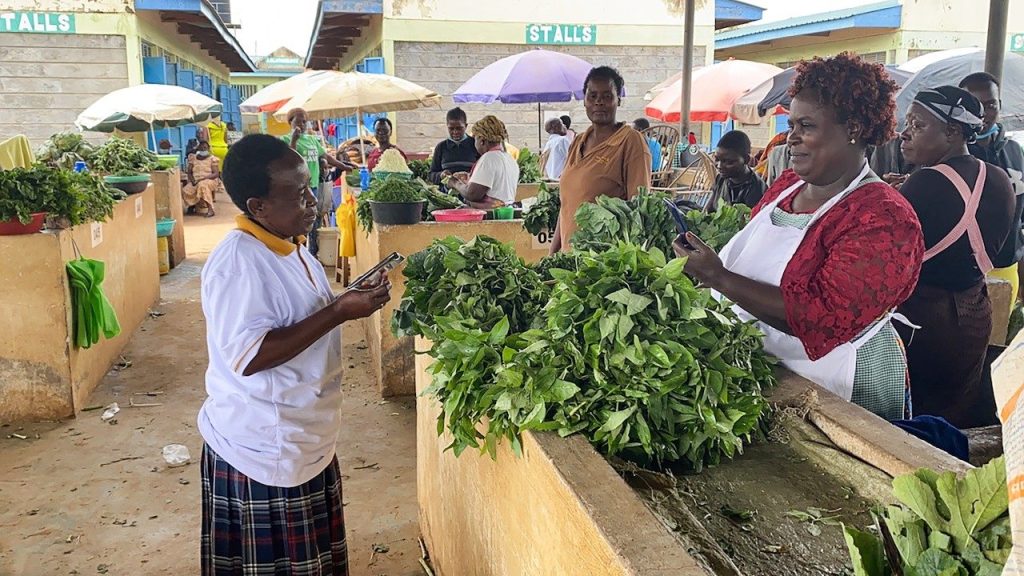
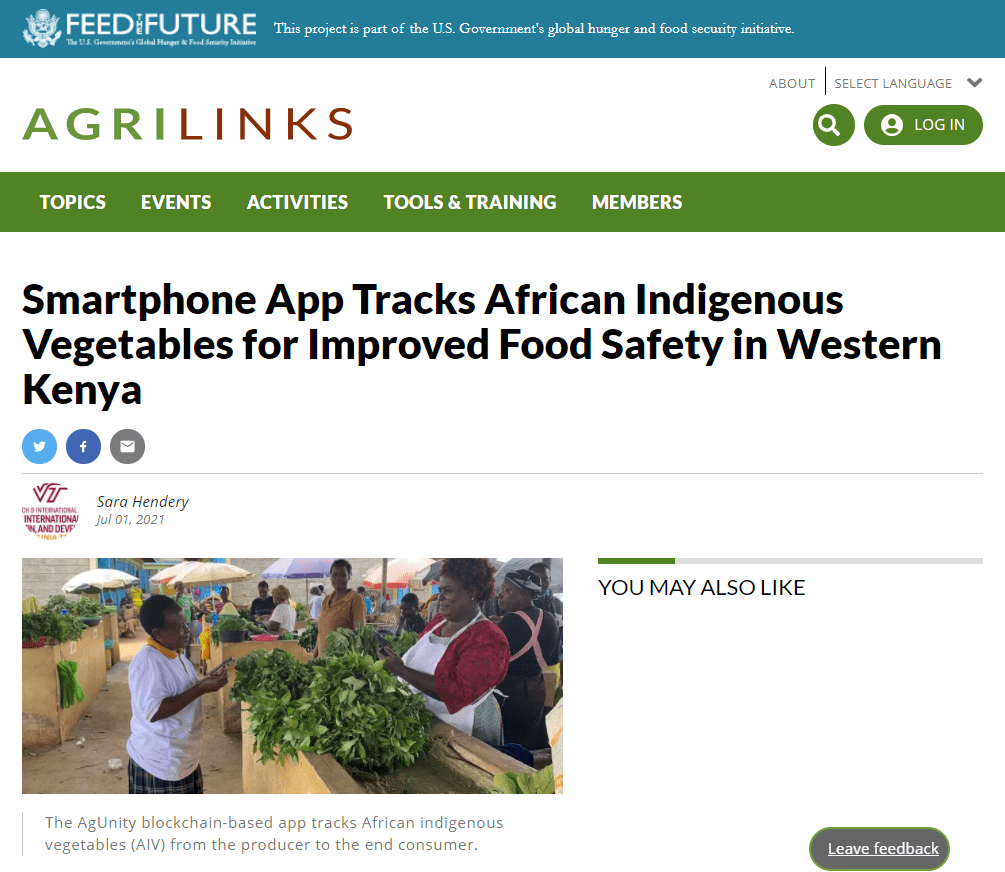
The following AGRILINKS article by Sara Hendery was just published on our USAID LASER PULSE project in Kenya. The purpose of this project is to explore how a blockchain-based technology platform developed by AgUnity, could be used to enhance the supply chain for African Indigenous Vegetables (AIVs). The project is co-managed by our in-country partners at Egerton University.

“This Is USG” Video Podcast on Community Wealth Building

Earlier this week, I had the pleasure of talking with Prof. Anne Khademian, the Executive Director of the Universities at Shady Grove (USG), about a wide range of topics related to USG’s new strategic planning process. Our conversation covers why I decided to travel to the USA (over 20 years ago!) to study in the Technology and Policy Program at MIT, and how my subsequent research on sustainable development and binary economics/inclusive capitalism, led me to the emerging movement of Community Wealth Building (CWB).

EU Green Week 2021

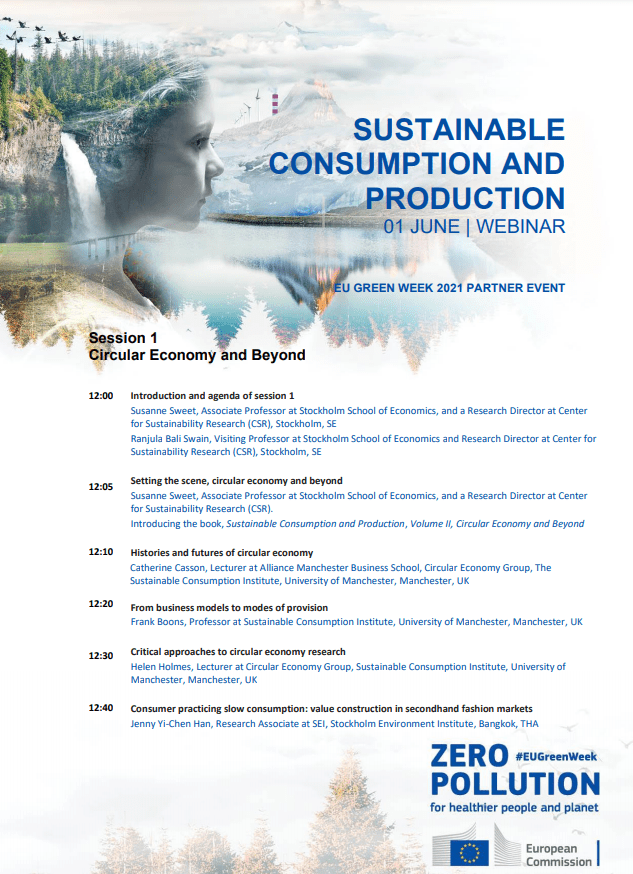
On June 1, I will be presenting at a partner event of the 2021 EU Green Week, organized by the Center for Sustainability Research (CSR) at Stockholm School of Economics in partnership with the EU Commission. The event schedule can be viewed below. The live webinar is based on a new edited volume on Sustainable Consumption and Production: Challenges and Development, and will bring together researchers from Europe, Africa, Asia, and North America.

I will be speaking with my colleague Dr. Shyam Ranganathan, during the second session about an inclusive capitalism approach to sustainable production and consumption. The live event is free, but you will need to register for the first and second sessions separately.