On Monday, November 15, our AgChain Hackathon at Egerton University, Kenya, will officially begin. My welcome address for the three-day hackathon event can be watched below. During this address, I outline a number of the findings we have obtained from our USAID LASER PULSE project entitled “Exploring Blockchain Technology to Improve Food Security Through African Indigenous Vegetables in Western Kenya.” This hackathon is the second project milestone event this fall, and follows the blockchain webinar we held on October 26, 2021.
Author: Ralph Hall
Recording of the ‘To Block or Not’ Webinar
Please find below a recording of our international USAID LASER PULSE webinar entitled To Block or Not? Exploring the Use of Blockchain in Last Mile Agriculture Communities.
Webinar Description – Blockchain technology is heralded for its ability to improve traceability, trust, and trust in agri-food value chains. What is lesser known is whether it is a viable technology for those value chains that originate in last-mile agriculture communities. This webinar explores the contexts in which blockchain offers real solutions to strengthening value chains and its potential for creating social impact, like improved food security or engaging youth in agriculture, and where it does not. For the optimist and the skeptic, this two-hour webinar aims to discard the trendiness of the emerging technology and take a pragmatic view of the opportunities to use blockchain to strengthen last-mile agriculture.
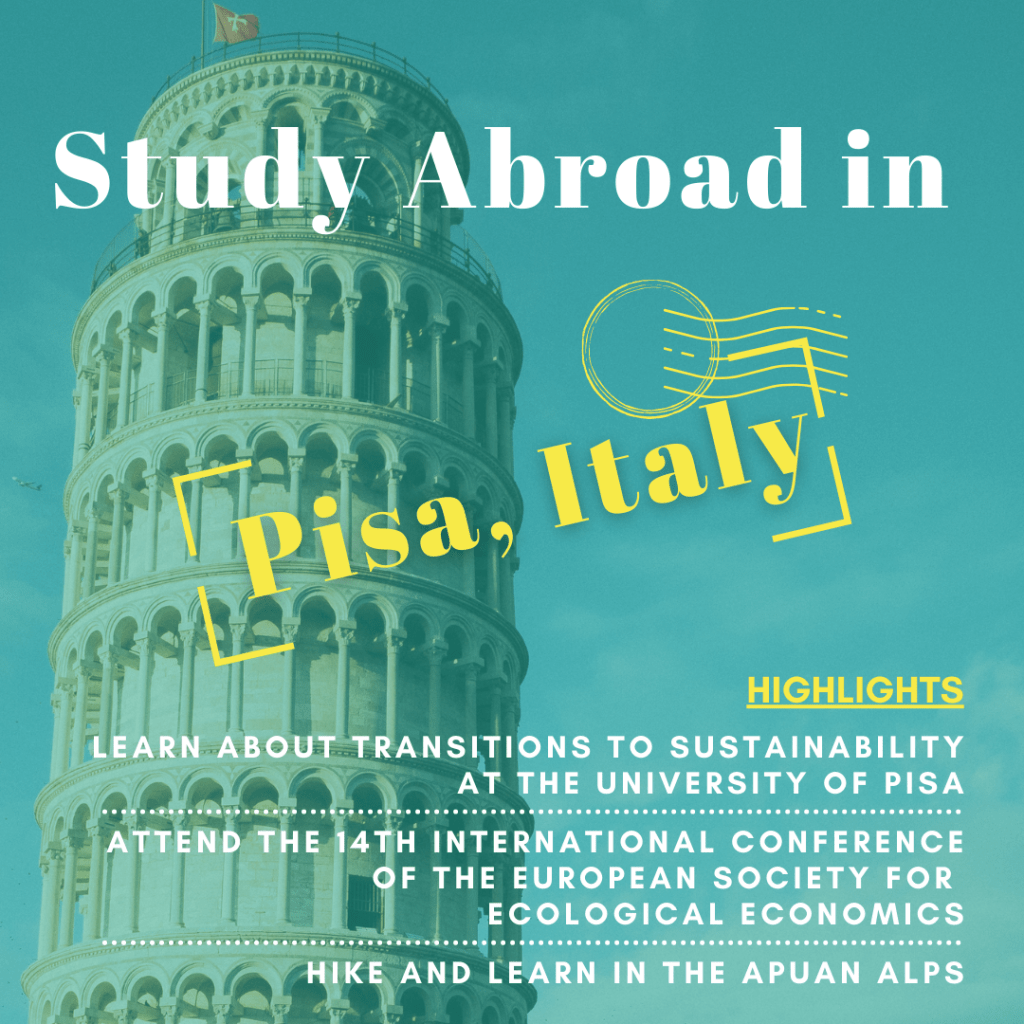
Study Abroad Program in Pisa, Italy
Next summer, I will be co-running a study abroad program in Pisa, Italy, with colleagues Prof. Nicholas Ashford (MIT), Dr. Tiziano Distefano (University of Pisa), and Prof. Tommaso Luzzati (University of Pisa), from June 10-22, 2022.
We will be holding an information session about the program for students at VT and MIT from 10-11am on November 4, 2021. Please register here to join the session.
Sustainable Transitions in Employment, Economic Welfare, and the Environment
This unique program will provide students with a transdisciplinary perspective on sustainable development and is intended for rising seniors and graduate students interested in planning, policy, economics, business, innovation, environmental studies, and law. The program will explore the many dimensions of sustainability and how national, multinational, and international political and legal mechanisms can be used to further a transition towards sustainable development.
The program has three unique learning environments.
The first section of the program will consist of a summer school based at the University of Pisa, Italy, which will run in parallel with two other summer schools led by the Center for Politics, Ontologies, and Ecologies (POE) and the European Society for Ecological Economics. Given the proximity of the summer schools, joint sessions will be held where the faculty engaged with each program will share their research with students from the other programs. These sessions will enrich the content of each program and provide an opportunity for intercultural exchange between students (and faculty).
The second section of the program will consist of students attending the 14th Conference of the European Society for Ecological Economics (ESEE), which will be hosted by the University of Pisa.

During the third and final section of the program, students will travel to the Apuan Alps (close to Pisa in Italy), where they will share what they learned from the summer school and ESEE conference and discuss/debate future economic/societal transformation strategies. This final reflection will take place in the mountains, where group discussions will be held outside (weather permitting), and students will have the opportunity to hike in the Italian Alps.
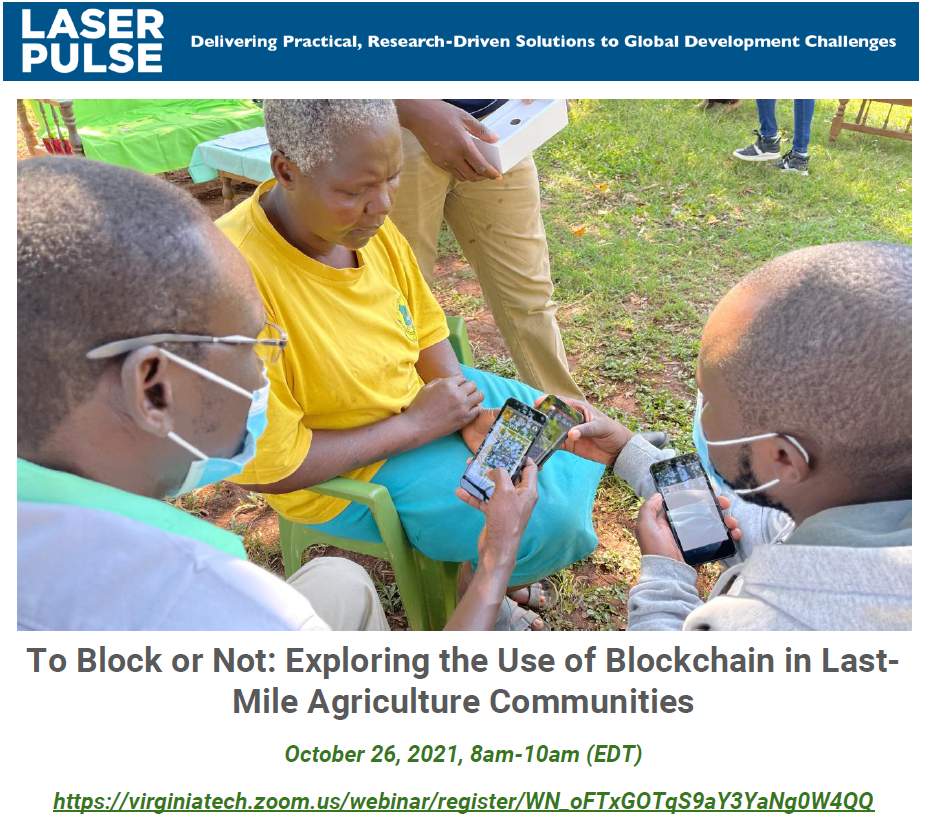
Webinar: To Block or Not – Exploring the Use of Blockchain in Last-Mile Agriculture Communities
Webinar: October 26, 2021, 8am-10am (EDT). Register (for free) here.
Traceability. Transparency. Trust.
Food systems built on these principles generally are known to attract higher price premiums by increasing consumer confidence and value for the products. This creates income earning opportunities for producers and upgrades the quality of agri-food value chains. Blockchain technology is heralded for its ability to improve traceability, trust, and trust in agri-food value chains. What is lesser known is whether it is a viable technology for those value chains that originate in last-mile agricultural communities.
This webinar explores the contexts in which blockchain offers real solutions to strengthening value chains and its potential for creating social impact, like improved food security or engaging youth in agriculture. For the optimist and the skeptic, this two-hour webinar aims to discard the trendiness of the emerging technology and take a pragmatic view of the opportunities to use blockchain to strengthen last-mile agriculture.
Webinar Host – Ralph Hall, Virginia Tech
Technology Panel: 8am – 9am (ETD)
- David Davis, CEO, AgUnity
- Keith Nielsen, Director, AgriUT Foundation
- Mary Nderitu, Trans-Africa Agribusiness Solutions
- Jessica Agnew, Assistant Director, CIRED, Virginia Tech
Views from the Field Panel: 9am – 10am (ETD)
- Bill Lay, Founding Director, Kenya Private Sector Alliance
- Nurvitria Kristofikova, Program Director, AgUnity
- Joseph Mwangi, Lecturer, Egerton University
- Jemima Ikalakala M’mayi, Coordinator, New Vision
Performing Alternative Economic Models
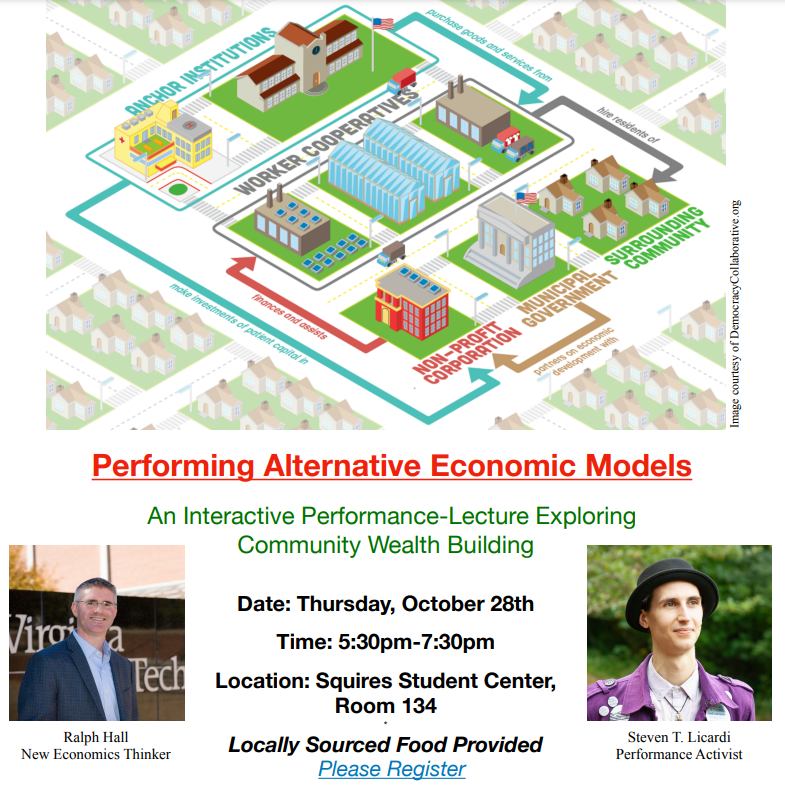
An Interactive Performance-Lecture Exploring Community Wealth Building
For many, our current economic models no longer ensure our basic human needs are met. However, other worlds are possible, but we can’t create those worlds without you. Join performance artist Steven T. Licardi and I as we imagine, explore, and develop alternative economic models in the form of Community Wealth-Building. This performance-lecture will incorporate games, theatre pieces, and visual art making that will help us to feel our way into these new worlds. Come and be a part of the future!
Please register (for free) here.
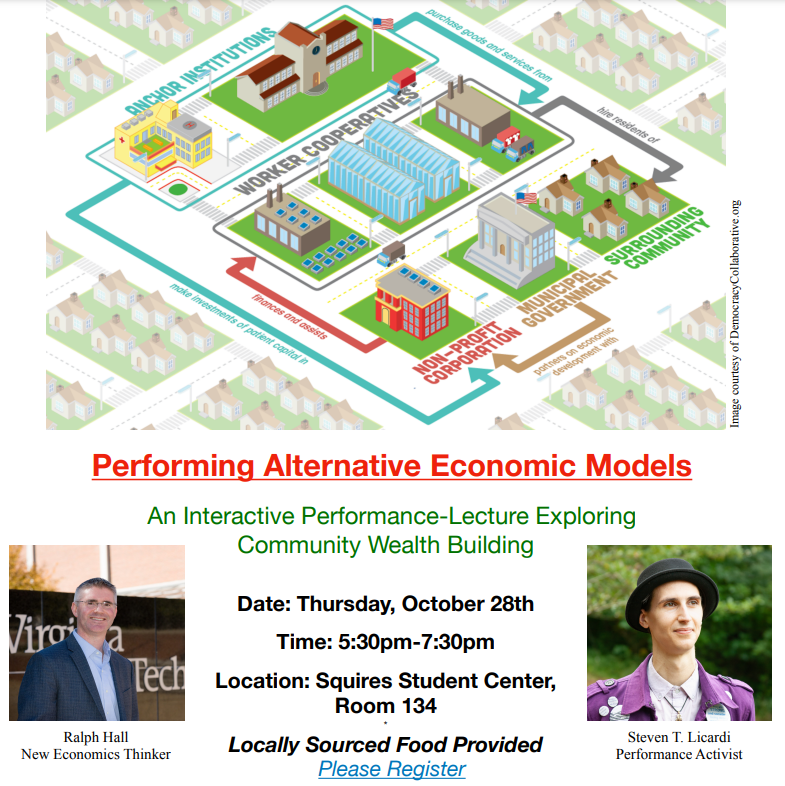
This event is made possible by funding from the Center for Communicating Science at Virginia Tech.
New Paper: Thinking beyond domestic water supply
The fourth paper from Dr. Raj GC’s dissertation was recently published in Water International. This paper explores a myriad of ways in which a multiple-use water services (MUS) approach to rural water provision could be incorporated into Nepal’s planning and governance systems. The first 50 downloads of the paper are fee (via this link).
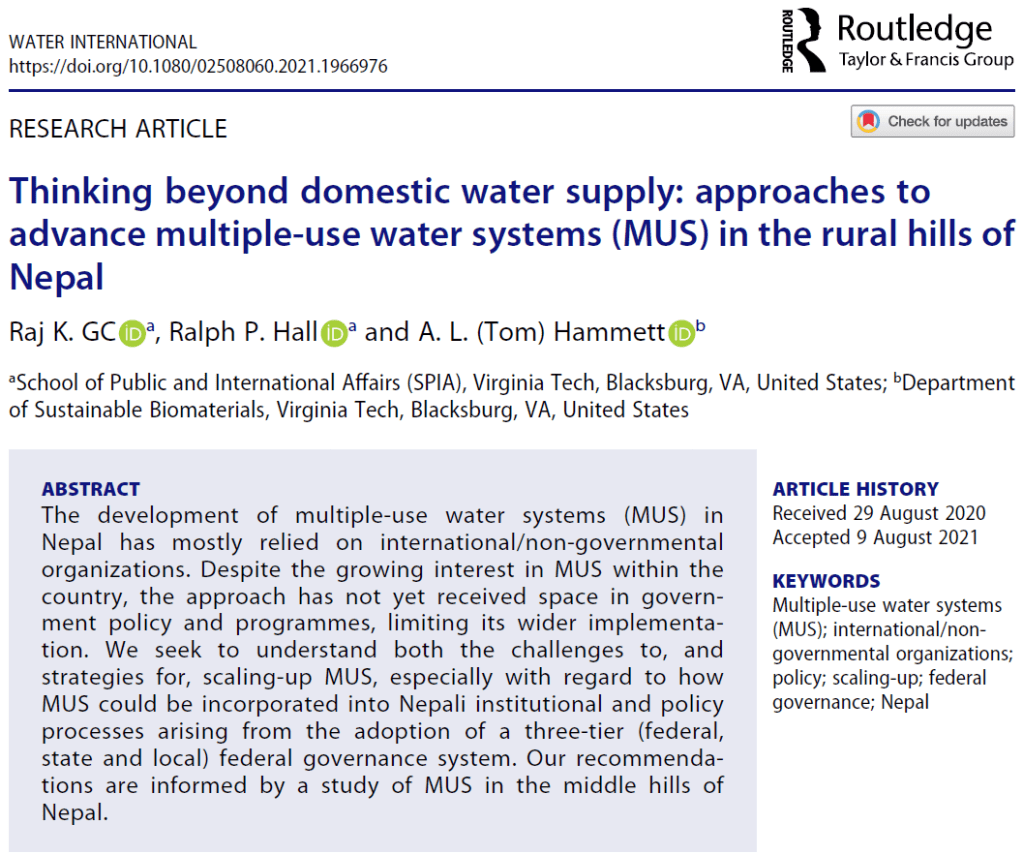
ABSTRACT
The development of multiple-use water systems (MUS) in Nepal has mostly relied on international/non-governmental organizations. Despite the growing interest in MUS within the country, the approach has not yet received space in government policy and programmes, limiting its wider implementation. We seek to understand both the challenges to, and strategies for, scaling-up MUS, especially with regard to how MUS could be incorporated into Nepali institutional and policy processes arising from the adoption of a three-tier (federal, state and local) federal governance system. Our recommendations are informed by a study of MUS in the middle hills of Nepal.
The three other papers from Dr. GC’s dissertation research can be accessed below:
GC, R.K., Ranganathan, S., Hammett, T., and Hall, R. P. (2020) What factors determine the technical performance of community-managed rural water systems in the middle hills of Nepal? Journal of Water, Sanitation and Hygiene for Development, https://doi.org/10.2166/washdev.2020.189.
GC, R.K. and Hall, R.P. (2020) The Commercialization of Smallholder Farming—A Case Study from the Rural Western Middle Hills of Nepal. Agriculture 2020, 10, 143.
GC, R. K., Ranganathan, S., and Hall, R. P. (2019) Does Rural Water System Design Matter? A Study of Productive Use of Water in Rural Nepal. Water, 11, 1978.
Library Construction Update
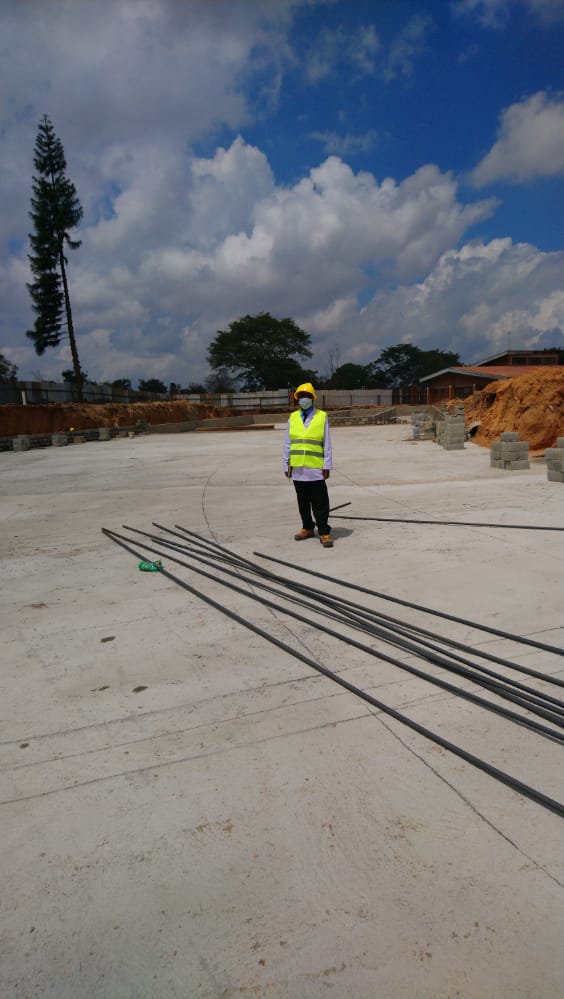
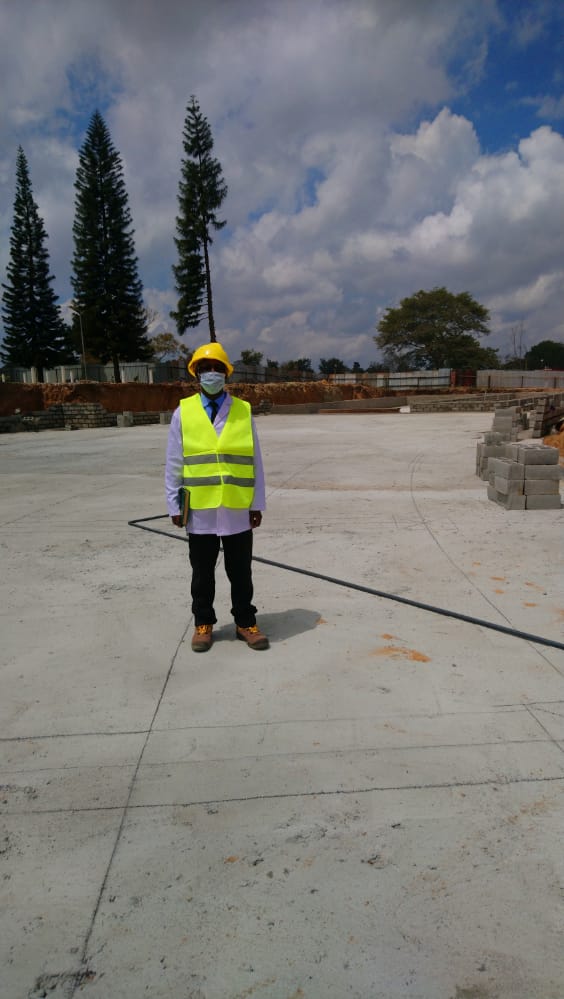
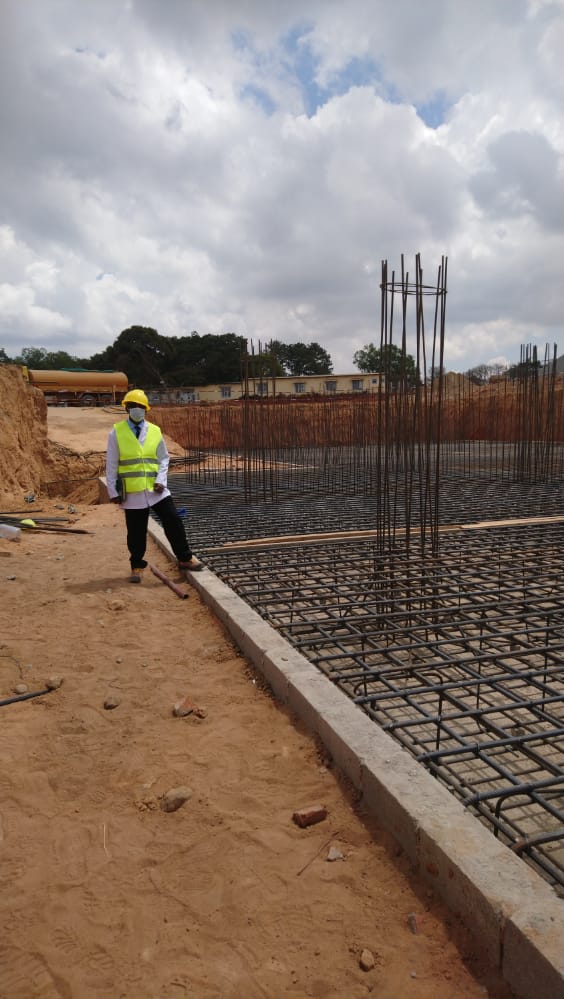
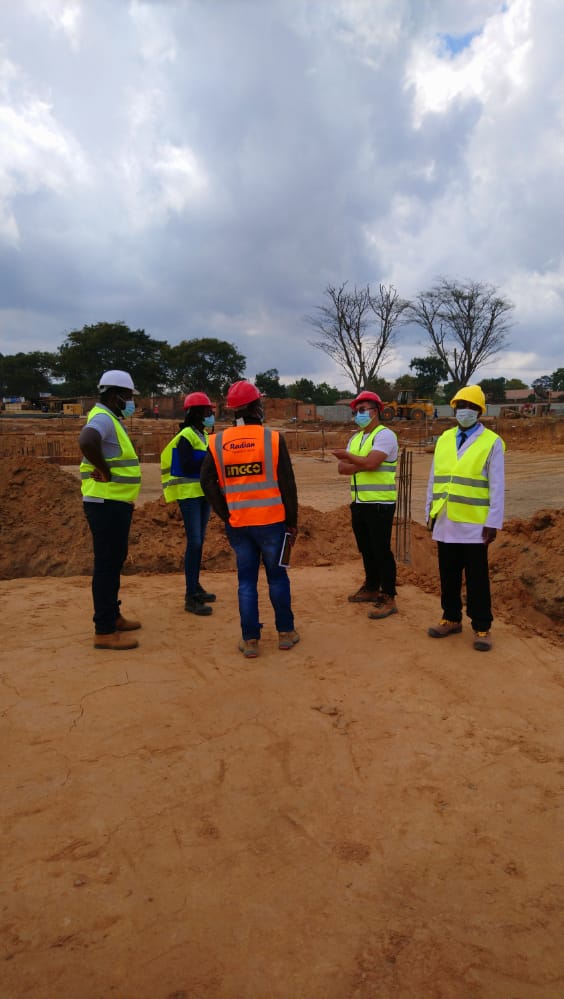
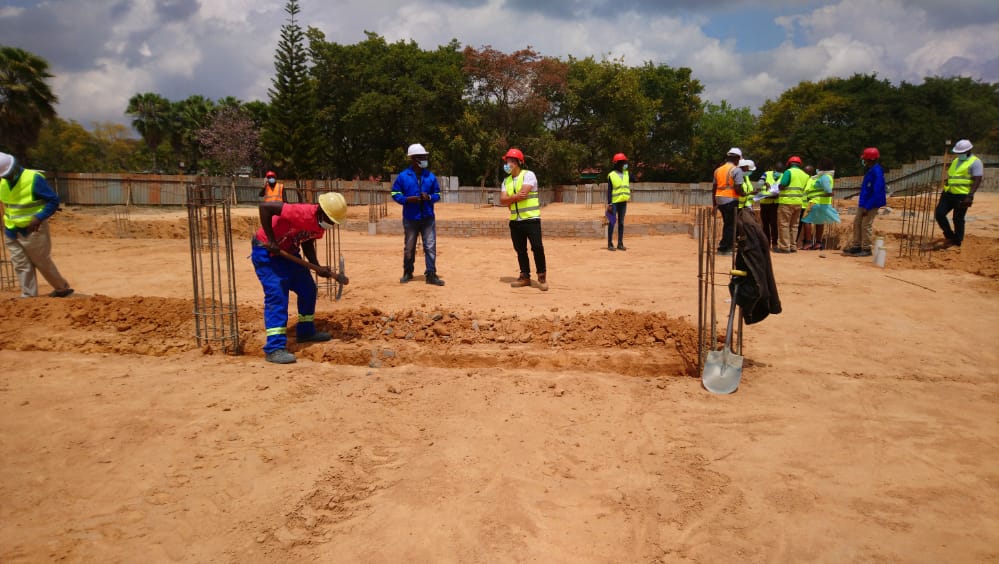
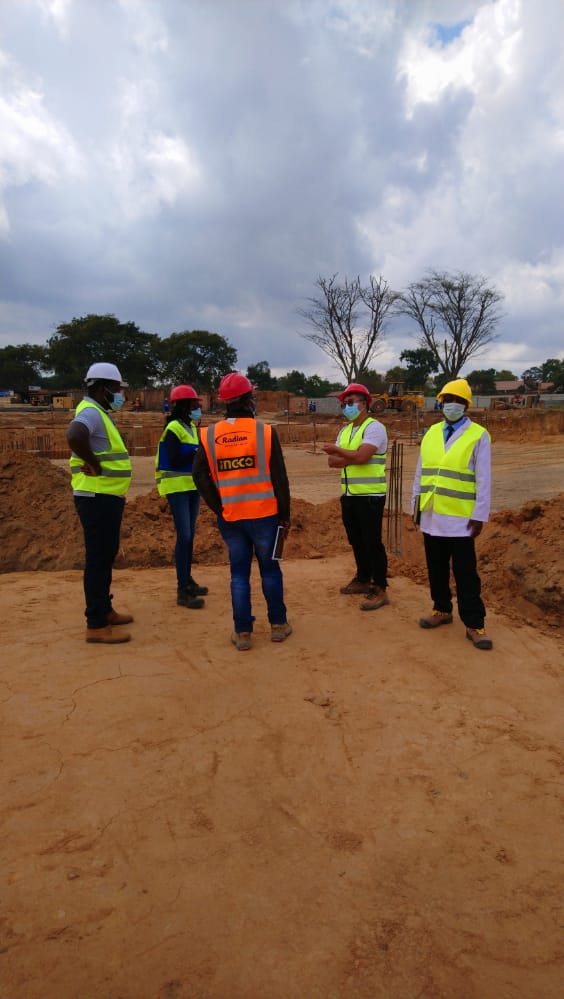
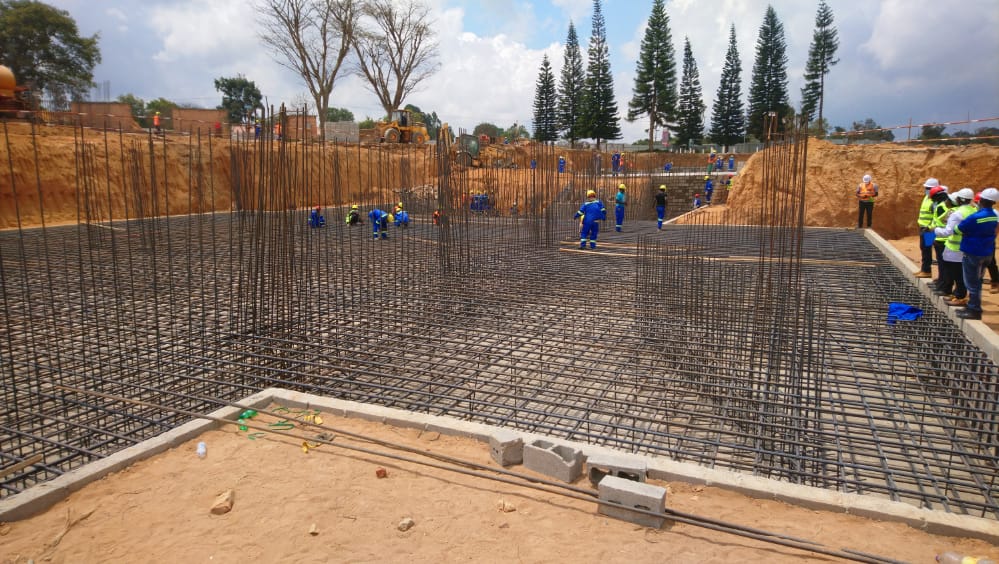
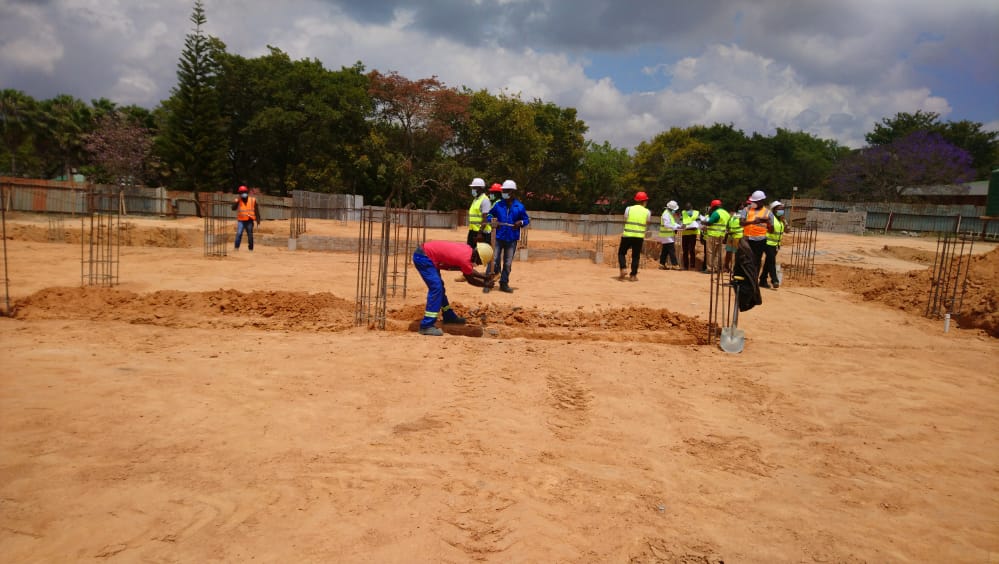
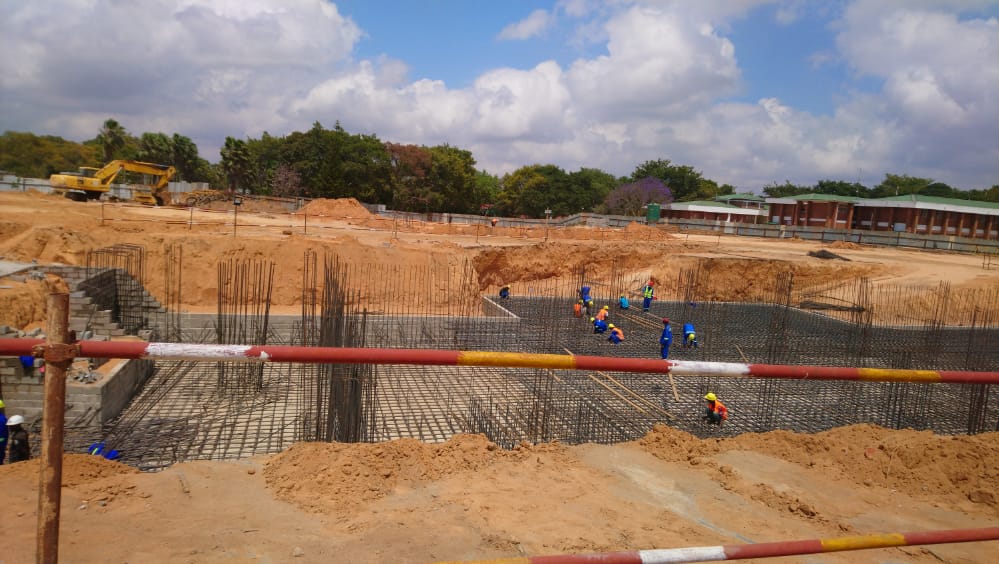
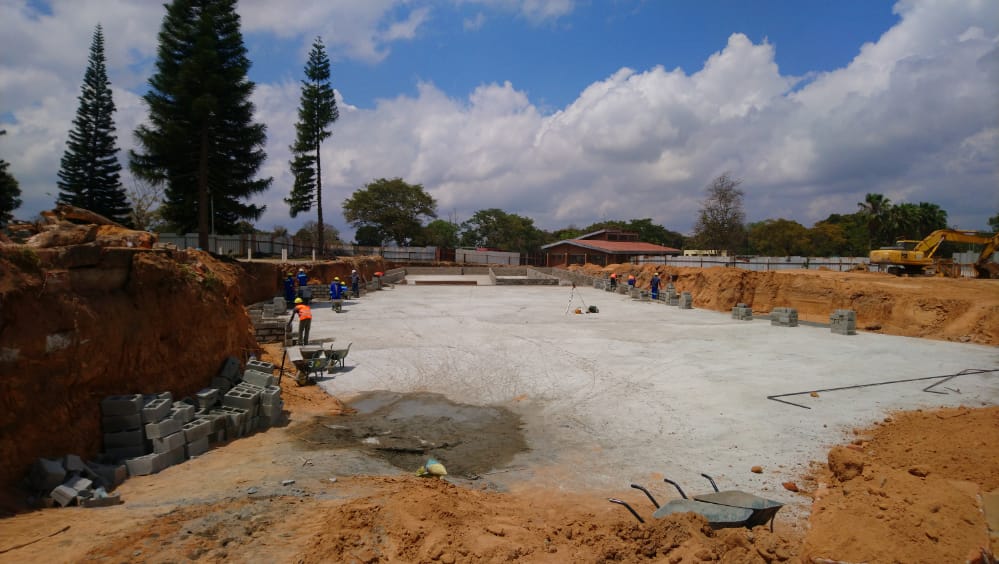
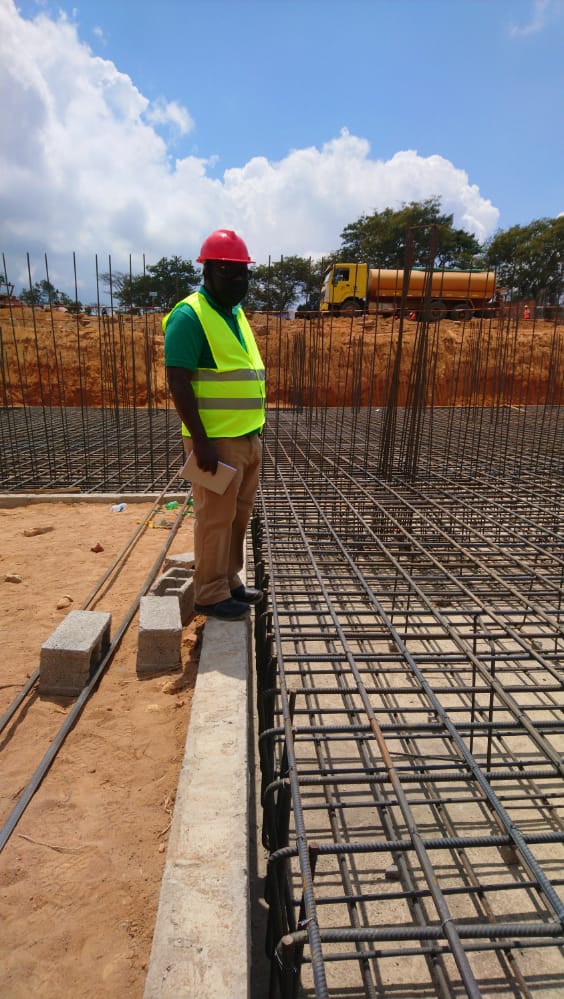
The foundations for the new library at Mzuzu University are now under construction. More updates to come once the structure of the library begins to take shape.
The construction of the new library at Mzuzu University is underway. The images below were shared by Felix Majawa (Mzuzu University’s Chief Liberian). We will share more updates as the construction progress continues.
New Paper: The Complex Relationship between Capacity and Infrastructure Project Delivery
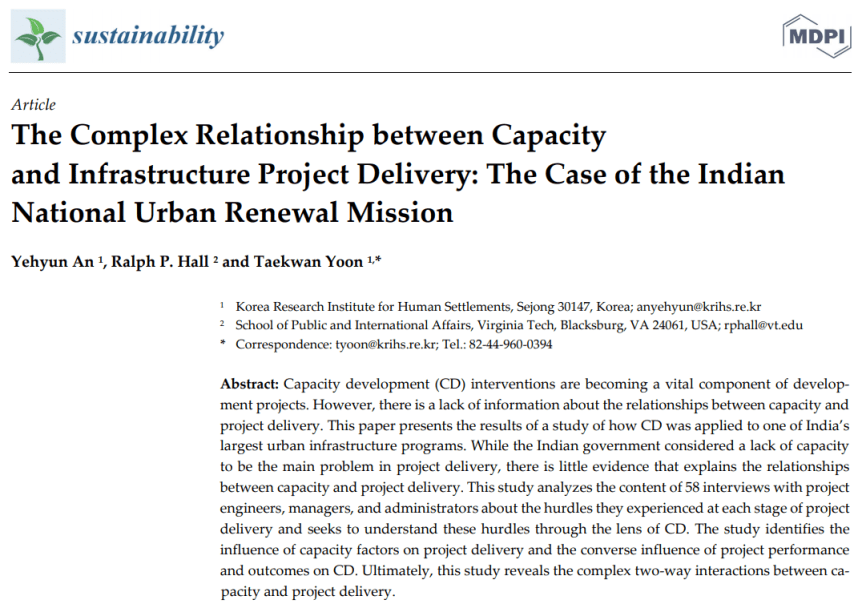
The second paper from Dr. Yehyun An’s award-winning PhD research has been published in a special issue of Sustainability focused on Achieving Sustainable and Resilient Urban Development: Effective Governance, Policy, and Practice. This qualitative paper enriches the quantitative findings captured in our World Development paper.
The paper focuses on how the concept of capacity development was applied to one of India’s largest urban infrastructure programs – the Jawaharlal Nehru National Urban Renewal Mission (JNNURM). While the Indian government considered a lack of capacity to be the main problem in project delivery, there is little evidence that explains the relationships between capacity and project delivery. This case study presents the findings from 58 interviews with project engineers, managers, and administrators about the hurdles they experienced at each stage of project delivery and seeks to understand these hurdles through the lens of capacity development. The study identifies the influence of capacity factors on project delivery and the converse influence of project performance and outcomes on capacity development. Ultimately, this study reveals the complex two-way interactions between capacity and project delivery.
2021 South Big Data Hub Meeting
This afternoon, Dr. Khushboo Gupta and I will be presenting at the 2021 South Big Data Hub “All-Hands” meeting. Our presentation – entitled “India’s Smart City Mission and the Role of Internal vs. External Smartness” – will focus on the main findings from Dr. Gutpa’s dissertation research that explored India’s Smart Cities Mission (SCM).
Our presentation is based on the following research papers and presentations:
- Gupta, K. and Hall, R. P. (2020) Exploring Smart City Project Implementation Risks in the Cities of Kakinada and Kanpur. Journal of Urban Technology, DOI: 10.1080/10630732.2020.1796115.
- Gupta, K. and Hall, R. P. (2020) Understanding the What, Why, and How of Becoming a Smart City: Experiences from Kakinada and Kanpur. Smart Cities 3(2), 232-247.
- Gupta, K., Zhang, W., and Hall, R. P. (2020) Risk priorities and their co-occurrences in smart city project implementation: Evidence from India’s Smart Cities Mission (SCM). Environment and Planning B: Urban Analytics and City Science, 1–15.
- “The Indian perspective of smart cities.” Paper presented by Khushboo Gupta at the 2017 Smart City Symposium Prague (SCSP).
- “Measuring Smart Cities in India.” Poster presentation by Khushboo Gupta at the 2016 Smart Cities Summit, June 13-15, 2016, Austin, Texas.
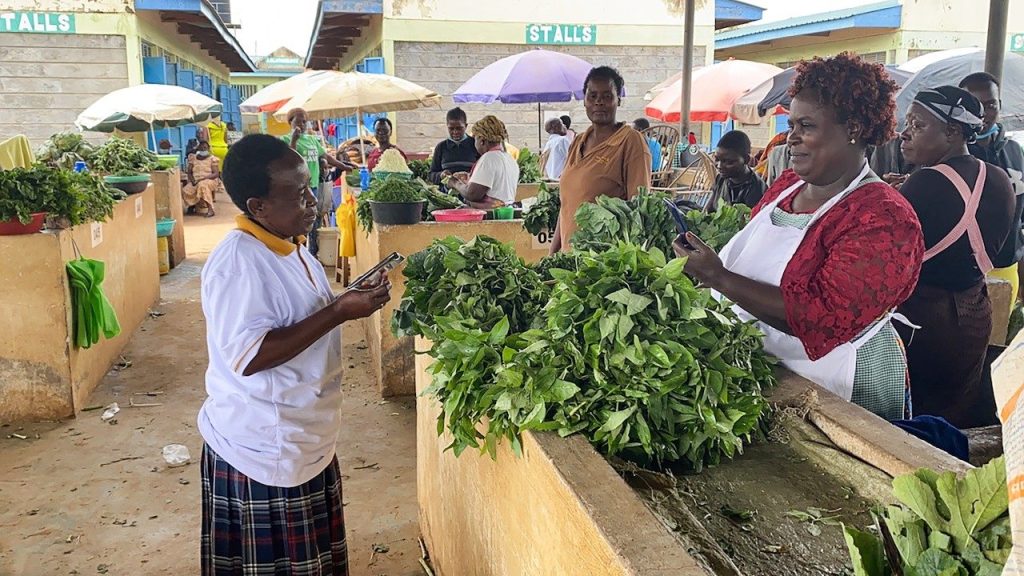
VT News Article on AIVs Project in Kenya
Virginia Tech recently published the article below on our USAID LASER PULSE-funded African Indigenous Vegetables (AIVs) supply chain project in Kenya.