MCC Event – Open Data: Big Impact

On Tuesday, February 2, 2016, Eric Vance and I will take part in the MCC’s Open Data: Big Impact event in Washington, D.C. We will join a panel discussion entitled “(Some of) the Data’s Out There, Now What?” The panel discussion will be hosted by Beth Tritter (Vice President, Policy and Evaluation, MCC). Eric and I will be joined on the panel by Jacqueline Homann (Masters Graduate, Lyndon B. Johnson School of Public Affairs, University of Texas) and Jennifer Sturdy (Director, Berkeley Initiative for Transparency in the Social Sciences). 2016-02-01_1118

The presentation below contains an outline of our discussion notes. It also includes some information about the sample frame we developed for our impact evaluation of the MCC-funded Rural Water Supply Program in Nampula, Mozambique, and links to presentations (i.e., a seminar and webinar) of the evaluation results and the final report.

#HokiesHelpMzuni – Update

Following the devastating library fire at Mzuzu University, several people and organizations have contacted me in relation to how they can help support the effort of rebuilding the university’s library. In the past week, I was forwarded an email from Hayden Boyd, the President of the Malawi Education and Children’s Welfare Foundation, that I outlines the donation process that Mzuzu University would like groups in the U.S. to follow. I have provided a copy of this email below for your reference.

Source: Dr. Mavuto Tembo

Hello to all,

Following the devastating fire that destroyed Mzuzu University’s library, many on this list have expressed concern and willingness to help. I was privileged to serve as a research professor and director of research at the University 2002-2005, and since returning to the USA I have noted its impressive growth in size, scope, and academic quality during regular visits. The loss of the University library is a terrible setback to this progress.

Vice Chancellor Robert Ridley has written me that, despite this loss, the University intends to keep to its academic calendar and open in January for distance learning students and in March for returning face-to-face students. They are working out an interim approach over the next 12 to 24 months, as they seek to get a new library built, plus a strategy to get funds for a new library. Clearly, much needs to be done.

Dr. Ridley has asked the Malawi Education and Children’s Welfare Foundation to serve as an institutional base to promote the University’s cause, receive funds and help the University coordinate support from the USA. The Foundation is a 501(c)3 tax exempt foundation established for the support of Mzuzu University and other educational and children’s welfare institutions in Malawi. Our Board of Directors have all lived and worked in Malawi and I serve as the Foundation’s president.

On behalf of Mzuzu University, I invite you to help support the library’s rebuilding. Checks may be made to “Malawi Education and Children’s Welfare Foundation,” with “Mzuzu University library” in the memo field, and sent to:

Malawi Education and Children’s Welfare Foundation
507 Delburg Street
Davidson, NC 28036

All contributions to the Foundation are tax deductible under US law. One hundred percent of all donations are used for the designated purpose in Malawi, with never a deduction for administrative or overhead expenses.

Many also have suggested donating books, computers, or other items. I believe it would be wise to hold off on in-kind donations until the University informs us of its needs and logistical challenges can be addressed.

Thank you for your consideration.

Sincerely, Hayden Boyd

In a subsequent email from a colleague at Mzuzu University, I was informed that a Library Task Force committee has been created by the Vice Chancellor and University Librarian. This task force has asked each faculty member/department to develop a list of books that they would like to see included in a new library. The Library Task Force committee will liaise with the Malawi Education and Children’s Welfare Foundation as the point of contact in the U.S. I will post updates on this process as soon as I have them.

In the coming weeks, TEAM Malawi (a group of faculty and students at Virginia Tech and Radford University) will meet to discuss the actions we can take to help Mzuzu University recover from this loss. I will post information here on any activities that colleges, schools, departments, faculty, and/or students plan to undertake in the coming months.

#HokiesHelpMzuni – Devastating Library Fire

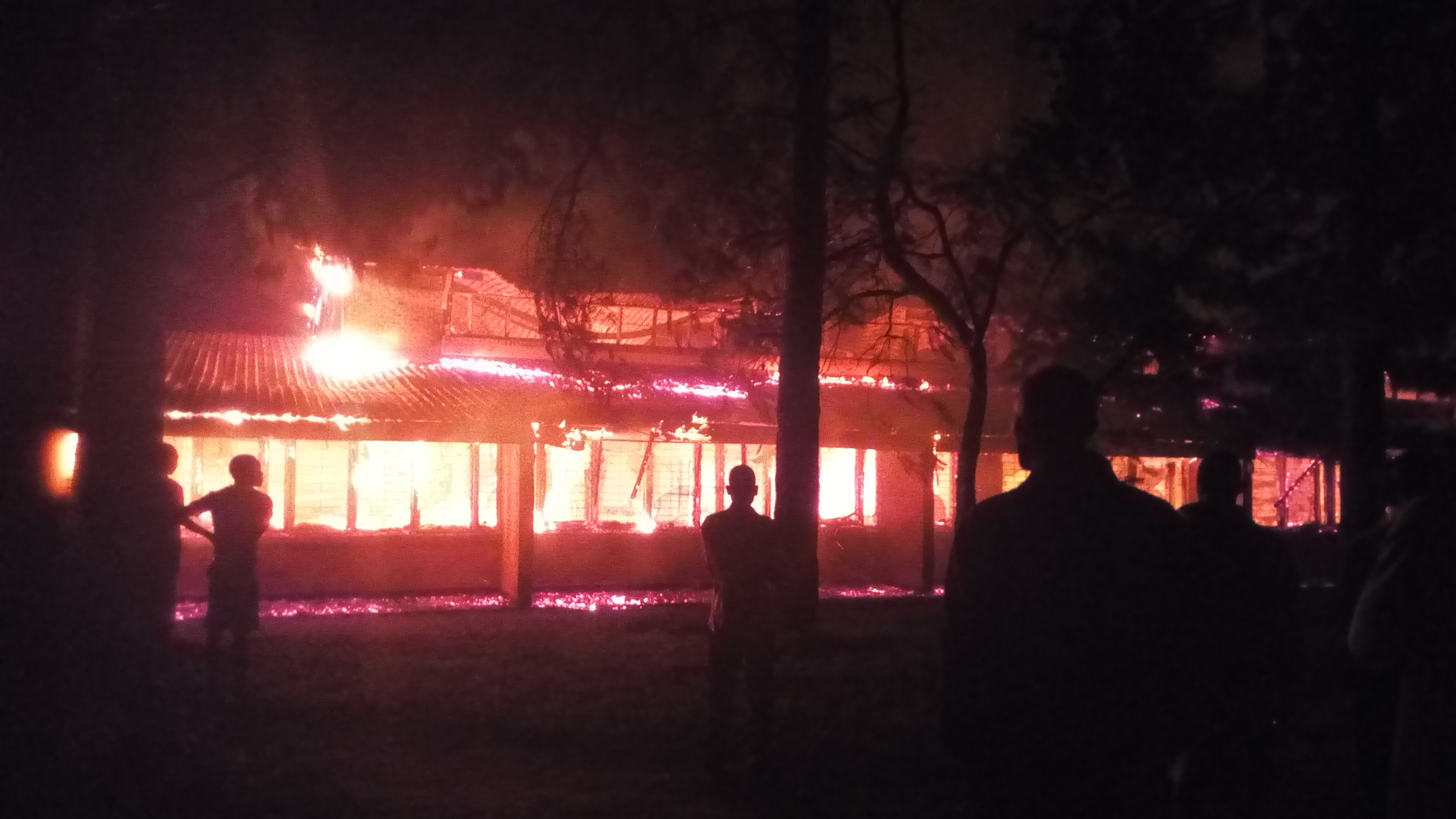
On Friday, December 18, Dr. Emily Van Houweling and I travelled to the Lilongwe International Airport, Malawi, to board our return flight to the U.S. after an extremely productive visit to Mzuzu University. We had spent a week meeting with faculty and university administrators to develop the logistics and content for a joint WASH course in Malawi, which we are offering to students at Virginia Tech, the University of Denver, and Mzuzu University in July 2016. On our drive to the airport we learned some tragic news. The Mzuzu University Library – which contained some 45,000 books and other resources – was completely lost to a fire during the early morning. The library had also housed several critical computer servers, taking the university’s web page and other key services offline.

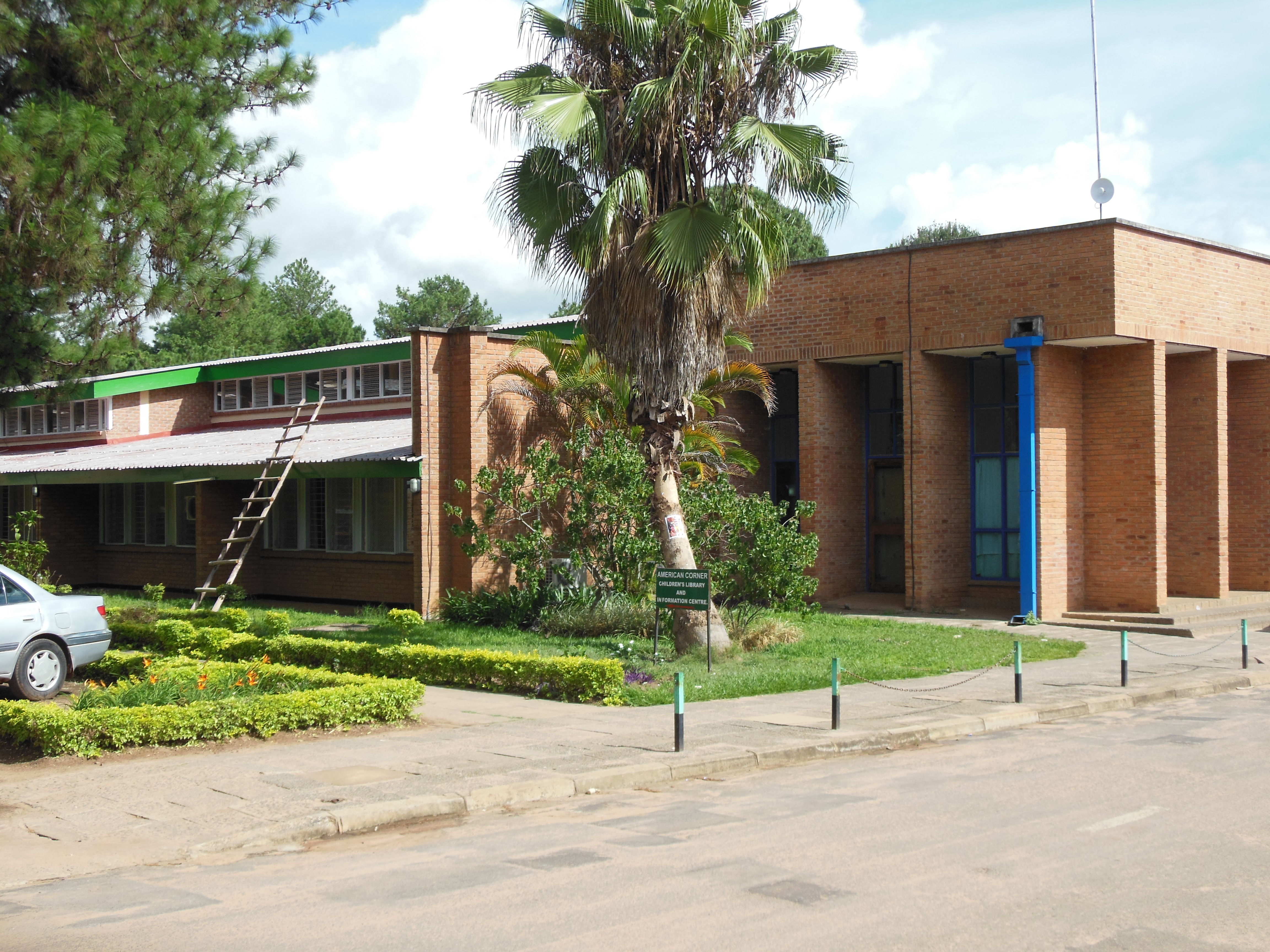
I took the picture of the library below on Thursday, December 17, around 12 hours before the fire. The picture was taken during a final walk of the campus before we began the five hour drive from Mzuzu to Lilongwe.DSCN4498
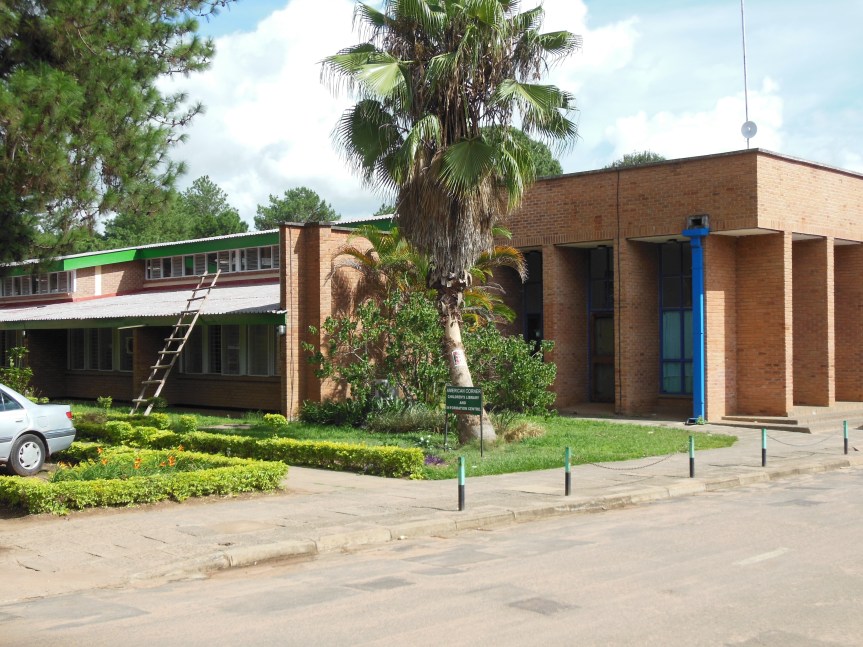
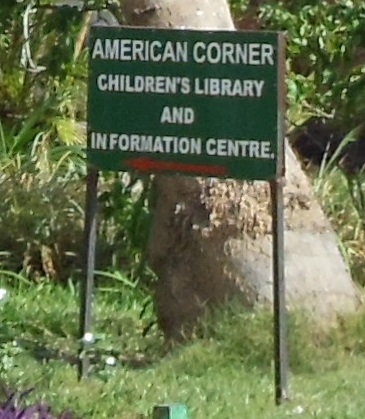
4The importance of the Mzuzu University Library and its computer servers to the functioning and future development of the university cannot be overstated. The library is the primary source of information for students, from small children, who regularly visit the children’s library (see the image on the right), to graduates. In addition, during our meetings over the past week we learned how the university was planning to roll out a 15 mbps internet network, which represents a threefold increase in the current speed of the network. I suspect the fire will significantly delay this initiative, which will impact Mzuzu University’s plans to launch an expanded online learning strategy.

This slideshow requires JavaScript.

In the spirit of advancing a Global Land-Grant Institution and Ut Prosim, I challenge Virginia Tech’s students, faculty, and staff to consider creative ways in which we can support Mzuzu University’s effort to rebuild its library, servers, and research capacity. Please share your ideas via Twitter using the hashtag #HokiesHelpMzuni.

Emily and I plan to return to Mzuzu in July, 2016 for the joint WASH course. Over the coming months we will work with Dr. Rochelle Holm, the Director of the Mzuzu University Centre of Excellence in Water and Sanitation, to identify strategies to help rebuild WASH-related resources in the library. Similar strategies will be needed in all of the university’s core areas of competency, which include mathematics, chemistry, biological sciences, physics, history, languages and literature, geography and earth sciences, religious studies, forestry, fisheries, education/distance learning, energy and renewable technologies, water resources management and development, sanitation, health sciences, nursing and midwifery, optometry, ICT, tourism and hospitality, and land management and surveying.

In addition to sharing ideas via Twitter, I’d be happy to talk with anyone who would like to discuss their ideas in person. The TEAM Malawi group of faculty and students on campus will also develop a coordinated response. For those students planning to take the joint WASH course, this turn of events will impact how we prepare for our time in Malawi. The experience of working with international partners to achieve a real and important objective will present many opportunities for learning and service.

TRB 2016 Annual Meeting Workshop

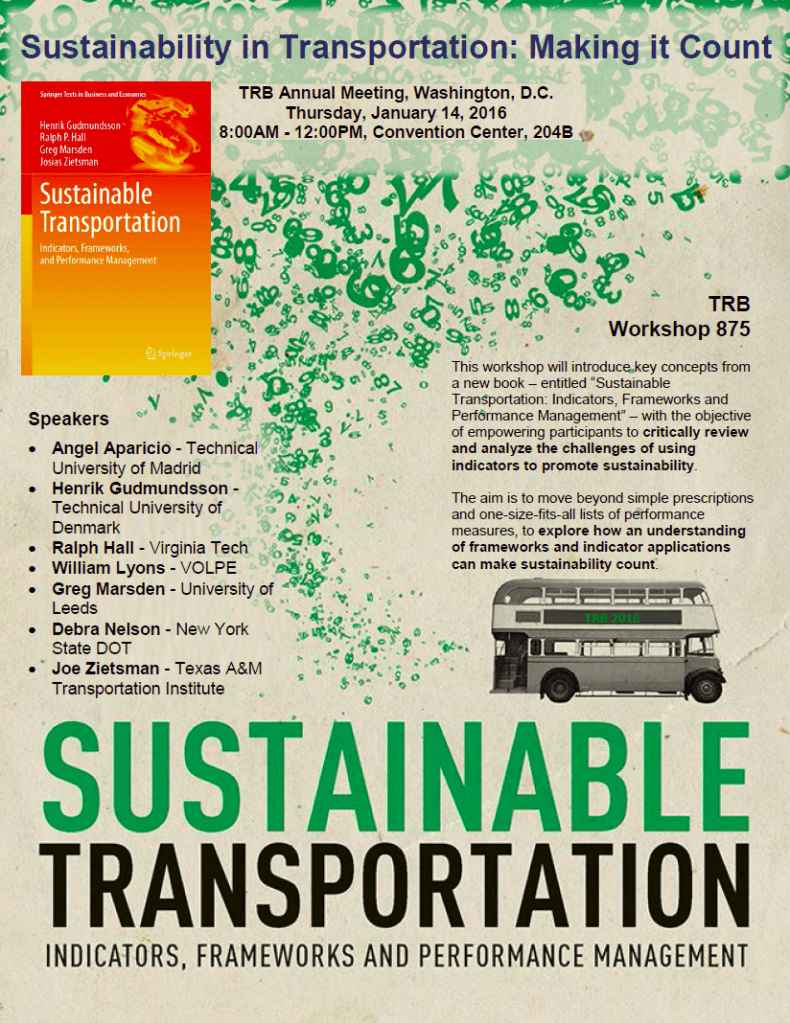
At the 2016 TRB Annual Meeting, I will be taking part in a workshop entitled Sustainability in Transportation – Making it Count. This workshop will introduce key concepts from our new book – Sustainable Transportation: Indicators, Frameworks and Performance Management – with the objective of empowering participants to critically review and analyze the challenges of using indicators to promote sustainability. The aim is to move beyond simple prescriptions and one-size-fits-all lists of performance measures, to explore how an understanding of frameworks and indicator applications can make sustainability count.

Time/Location:

Thursday, January 14, 2016, 8:00AM – 12:00PM

Convention Center, 204B

Speakers:

2015-12-05_2013

Experience WASH in Malawi – Info Sessions

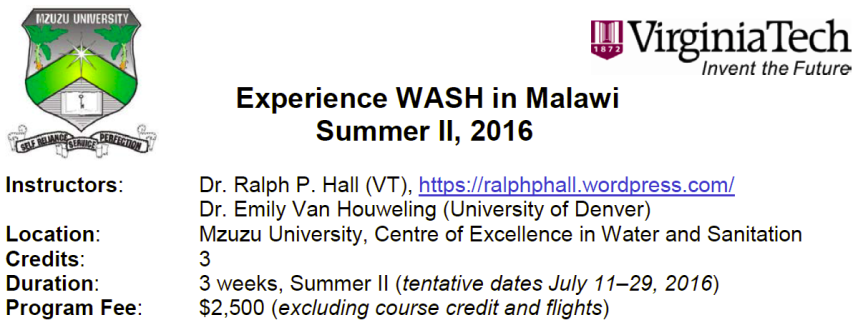
On Monday, November 16, I will be holding two information sessions (at 9:30am and 3pm) on the “Experience WASH in Malawi” study abroad course I will be offering during the summer of 2016. The information sessions will be held in room 111 of the Architecture Annex (and via polycom in room 220, Prince Street, Alexandria, VA).

This applied and service oriented study abroad experience will provide undergraduate and graduate students with a grounded understanding of WASH (Water, Sanitation, and Hygiene) in Malawi. The first part of the course will take place in the classroom with lectures, discussions, and small group projects led by faculty at Mzuzu University, Dr. Emily Van Houweling, and I. The course will begin with a general review of the state of water and sanitation services in different parts of the world and will raise the question of what constitutes access to water. We will review important concepts in WASH and provide an overview of the most pressing WASH issues in Malawi. Following this introduction, students will study the design of relevant WASH technologies and educational programs from the perspective of public health, cultural appropriateness, and sustainability. Armed with an understanding of critical WASH issues and technologies, students will then undertake community-based fieldwork on a WASH-related problem in partnership with the Mzuzu University Centre of Excellence in Water and Sanitation.

2015-11-04_2110

A unique aspect of the course is that Virginia Tech and University of Denver students will work alongside students from Mzuzu University to explore a wide range of WASH issues both in the classroom and the field. This pairing of students will promote cultural exchange and enable discussions about ethics and power in the field of international development. The joint teaching model, combined student cohort, and experiential approach to learning will provide students from the U.S. and Malawi with a rich educational and cultural experience.

The course is designed for students interested in working in the global WASH sector or pursuing a career in international development.

Public Health Grand Rounds Seminar – 12pm, Oct 22 (Webcast)

At 12pm on Thursday, October 22, Sophie Wenzel and I will give a seminar on our research group’s work relating to rural water services planning. We will support the presentation with a story map that can be accessed by clicking on the image below.

2015-10-17_1405

Since the webcast will not enable viewers to ask questions, I have set up a public Google Doc in which viewers can ask questions or provide feedback/comments. We will do our best to respond to these questions at the end of our presentation. If we run out of time, I will post a written response to questions we were unable to address on this blog.

2015-10-17_1424

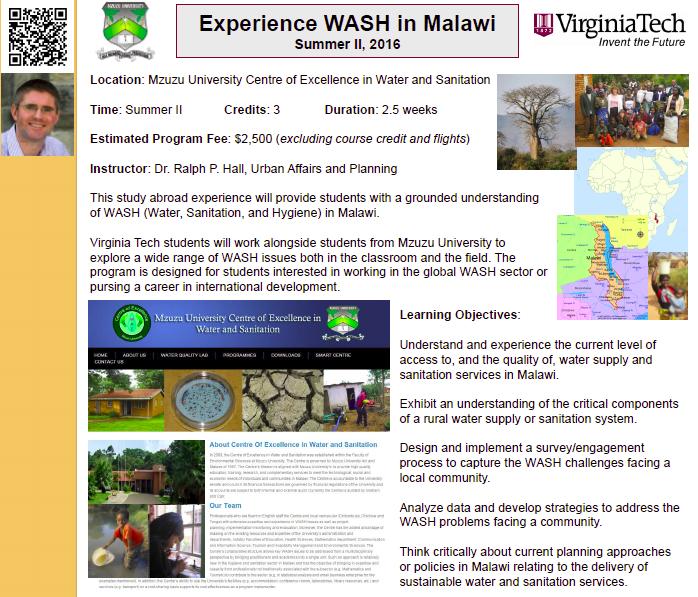
Experience WASH in Malawi (Study Abroad)

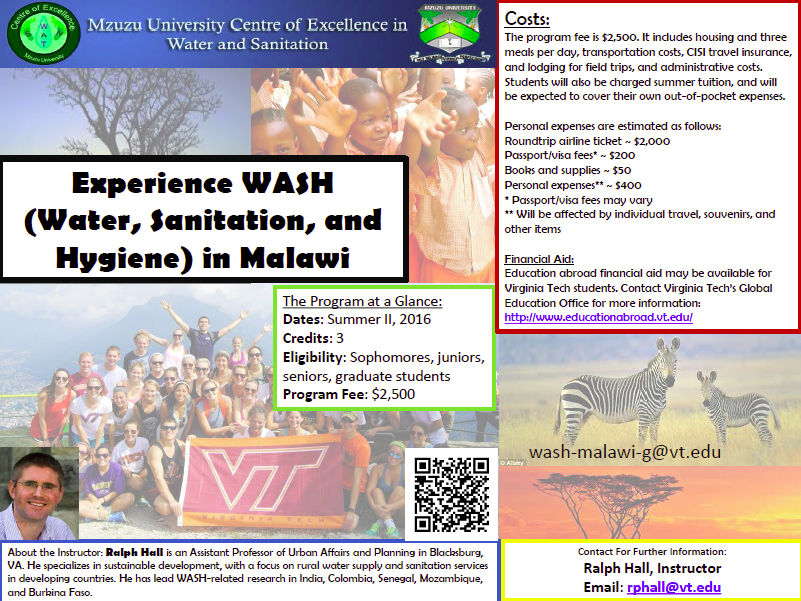
If you are a Virginia Tech undergraduate or graduate, please come to the Drillfield today to learn about a new WASH (water, sanitation, and hygiene) course I will be offering during Summer II, 2016, in partnership with the Mzuzu University Centre of Excellence in Water and Sanitation.static_qr_code_without_logo

To keep up to date on course news, please join the Google group.

Course Flyer

Flyer

Course Information
Info_poster

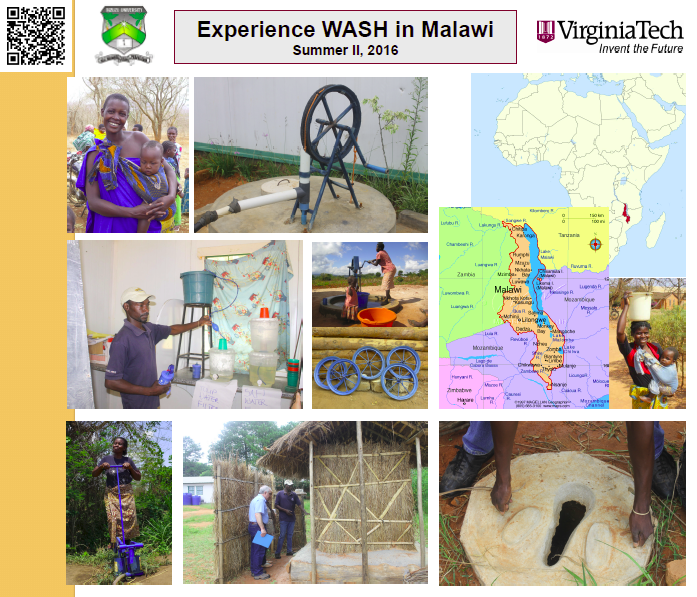
Images from MalawiPoster_images

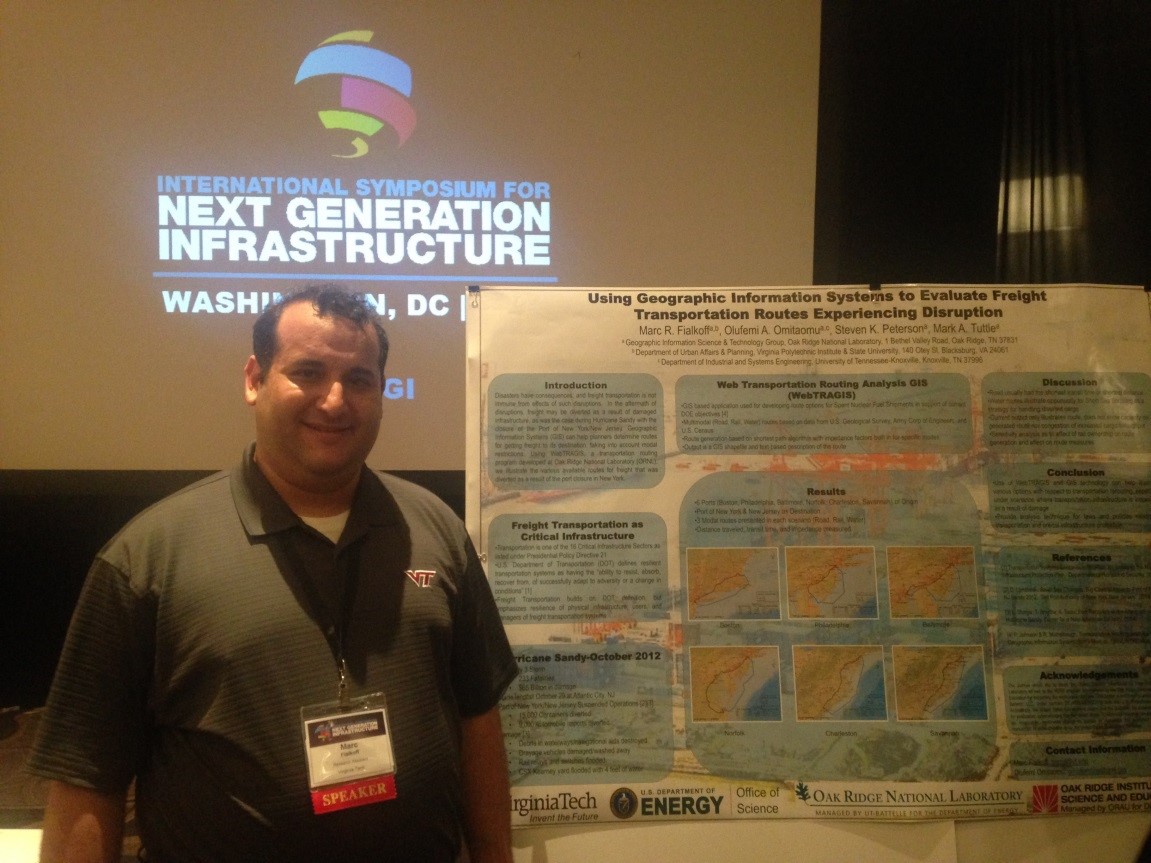
VT PGG Student Presents at ISNGI 2015

This past week, one of my PGG doctoral students, Marc Fialkoff, attended the International Symposium on Next Generation Infrastructure in Washington D.C. The conference brought together scholars from a variety of disciplines to discuss challenges in the areas of energy, transportation, water resources, and healthcare. MarcThe panel sessions focused on individual critical infrastructure sectors as well as techniques for modeling and implementing policies for more resilient infrastructure. Marc presented his work on freight transportation resilience and using GIS to evaluate legal restrictions on short sea shipping under disruptive conditions. This research was undertaken during his summer at Oak Ridge National Laboratory under guidance of Olufemi Omitaomu, the team lead for the Critical Infrastructure and Urban Resilience group at Oak Ridge National Lab.

2015-09-16_1544

Marc’s research provides a good example of the interdisciplinary work that is undertaken by students in the PGG program at Virginia Tech. With training in law and transportation planning, Marc’s research bridges disciplines of law, planning, civil engineering, and network analysis to explore the impact of law and policy on the movement of goods under a time of crisis – e.g., during Hurricane Sandy.

I co-chair Marc’s PhD committee with Ralph Buehler. Kathleen Hancock, Henning Mortveit, and Jonathan Gutoff also serve on Marc’s committee.

Policy Brief: The Human Right to Domestic and Productive Water

In 2010, a milestone was reached when the UN General Assembly recognized the human right to safe and clean drinking water and sanitation. Yet, water also plays an important role in realizing other human rights such as the right to food and livelihoods, and in realizing the Convention on the Elimination of All Forms of Discrimination Against Women. These broader water-related rights have been recognized but not operationalized. This (draft) policy brief argues for a more holistic interpretation of existing international human rights law that supports a broader range of water-related rights. In addition, it raises the question of whether the current formulation of the human right to safe and clean drinking water, could limit development opportunities for people in rural and peri-urban communities who also use water for productive activities around the homestead.

We would welcome any comments you might have on this policy brief that should be viewed as a working draft.

2015-08-25_1030