New Paper in Water Alternatives on MUS

The Productive Use of Rural Piped Water in Senegal

Ralph P. Hall, Eric A. Vance, and Emily van Houweling

Abstract: Over the past decade there has been a growing interest in the potential benefits related to the productive use of rural piped water around the homestead. However, there is limited empirical research on the extent to which, and conditions under which, this activity occurs. Using data obtained from a comprehensive study of 47 rural piped water systems in Senegal, this paper reveals the extent of piped-water-based productive activity occurring and identifies important system-level variables associated with this activity. Three-quarters (74%) of the households surveyed depend on water for their livelihoods with around one-half (54%) relying on piped water. High levels of piped-water-based productive activity were found to be associated with shorter distances from a community to a city or paved road (i.e. markets), more capable water system operators and water committees, and communities that contributed to the construction of the piped water system. Further, access to electricity was associated with higher productive incomes from water-based productive activities, highlighting the role that non-water-related inputs have on the extent of productive activities undertaken. Finally, an analysis of the technical performance of piped water systems found no statistically significant association between high vs. low levels of productive activity and system performance; however, a positive relationship was found between system performance and the percentage of households engaged in productive activities.

2014-10-02_1307

Second Meeting of the DAC

This morning we held the second meeting of the Dean’s Advisory Committee (DAC) for the University Libraries. The committee was asked the following questions which led to an engaging conversation that touched on the opportunities and challenges facing colleges, departments, programs, research institutions, faculty, and students:

  • What will research and teaching look like in ten years?
  • Is there anything you wish you could change about your research practices and the way you teach?
  • What barriers or obstacles prevent you from teaching differently and approaching research differently?
  • What core research, teaching, and learning skills, literacies, abilities, or mindsets could faculty and students develop at Virginia Tech? (How do we prepare students for jobs that don’t exist yet?)

6

Since I have been using Google Glass and Apps to advance the way I teach and undertake research, I have been confronted with a number of these types of questions over the past year. From this experience, I believe the future of teaching will be heavily influenced by “teaching analytics” that will enable faculty (and students) to identify how, where, and when student learning occurs. I also believe these data will enable faculty to become better teachers by identifying those techniques that effectively engage students.

As a relatively junior faculty member, I would also like to see the creation of “teaching coaches” who mentor faculty in the art of pedagogy. These coaches could be identified through VT’s awards for teaching or through projects funded by TLOS (Technology-enhanced Learning and Online Strategies and be compensated (either financially or through a reduction in duties) for their mentoring work. The creation of an environment where faculty can experiment with new techniques, approaches, platforms, etc. is likely to be critical to advancing teaching and learning.

This slideshow requires JavaScript.

Making Impact Evaluation Matter

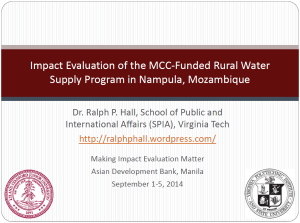
Earlier this month I had the pleasure of attending the Making Impact Evaluation Matter conference in Manila, hosted by the Asian Development Bank (ADB), 3ie, and the Philippine Institute for Development Studies (PIDS). During the conference, I took part in a WASH Impact Evaluation Design Clinic and gave a presentation on the results of the impact evaluation I directed of the MCC-funded Rural Water Supply Program in Nampula, Mozambique. Whereas the final impact evaluation report was based on all of the data we collected, the results I presented in Manila focused only on the panel data obtained from the baseline (2011) and follow-up (2013) studies. The results from the panel data analysis (shown in the presentation below) align well with those developed from the full data set.

Ralph3ie

During the conference, Eric Vance spoke about his LISA2020 vision to create 20 statistical consulting laboratories in 20 developing countries by the year 2020. Eric is the Director VT’s Laboratory for Interdisciplinary Statistical Analysis (LISA) that was a key partner in the MCC impact evaluation. For more information on LISA2020 visit the program website.

VT doctoral student Marcos Carzolio also attended the conference and discussed his impact as the field statistician on the quality of data collected during the 2013 follow-up study. Marcos’s talk on Leveraging the Field Statistician to Ensure High Quality Impact Evaluations received the award for “Second Place Best Presentation by a Young Researcher.”

The slideshow below presents a number of images and tweets (#IEmatters) from the conference.

This slideshow requires JavaScript.

New Paper – Transportation Research Part D

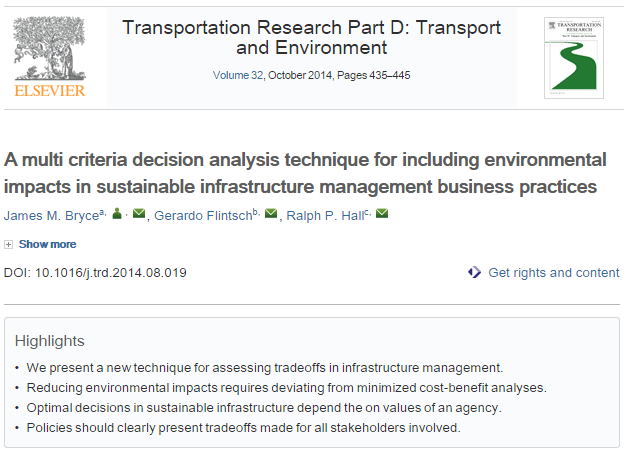
A multi criteria decision analysis technique for including environmental impacts in sustainable infrastructure management business practices

James M. Bryce, Gerardo Flintsch, and Ralph P. Hall

Abstract: This paper presents a decision analysis technique to allow highway agencies to assess the tradeoffs between costs, condition and energy consumption. It is shown how the entire feasible solution space can be evaluated between multiple stakeholders with differing values to assess the desirability of the outcomes resulting from infrastructure management decisions. Furthermore, an example network-level analysis is presented using data from the Virginia Department of Transportation. The example analysis clearly shows a tradeoff between the most cost effective outcomes (i.e., minimizing the cost divided by the condition) and the outcomes where the energy consumption is minimized, and how decision analysis should account for this tradeoff. The results of the method presented in this paper show that various pavement management alternatives can be represented in terms of desirability, and that this desirability can assist the decision maker with making decisions about performance goals and targets.

2014-09-21_1545

New Paper in Survey Practice

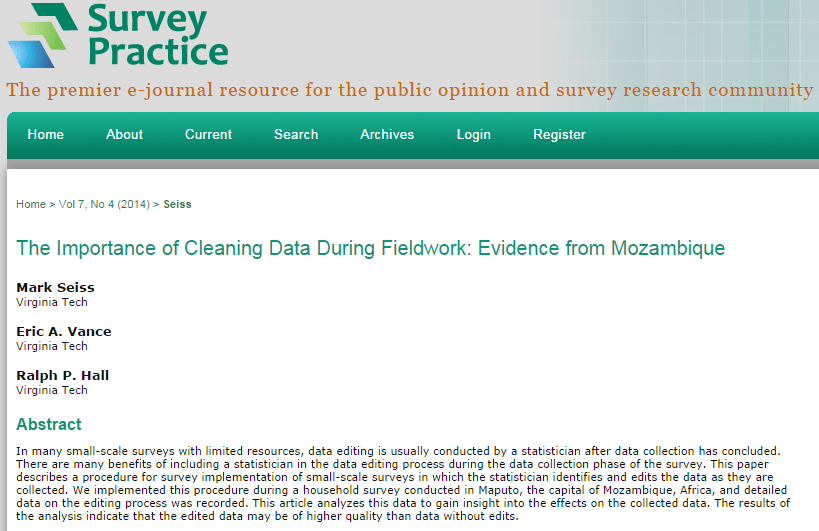
The Importance of Cleaning Data During Fieldwork: Evidence from Mozambique

Mark Seiss, Eric A. Vance, and Ralph P. Hall

Abstract: In many small-scale surveys with limited resources, data editing is usually conducted by a statistician after data collection has concluded. There are many benefits of including a statistician in the data editing process during the data collection phase of the survey. This paper describes a procedure for survey implementation of small-scale surveys in which the statistician identifies and edits the data as they are collected. We implemented this procedure during a household survey conducted in Maputo, the capital of Mozambique, Africa, and detailed data on the editing process was recorded. This article analyzes this data to gain insight into the effects on the collected data. The results of the analysis indicate that the edited data may be of higher quality than data without edits.

Survey_Practice

MCC Impact Evaluation – Final Report

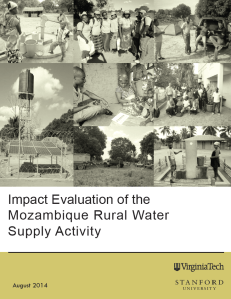
Nampula_ReportI am pleased to announce the release of the final report of our impact evaluation of the MCC-funded Rural Water Supply Activity (RWSA) in Nampula, Mozambique. This peer-reviewed report provides a comprehensive discussion of the RWSA interventions, our research design, analysis approach, major findings, and the policy implications that emerged from this work.

The report can be downloaded from the MCC’s Open Data portal. This portal also provides access to the main surveying instruments and the raw data collected from the baseline (2011) and follow-up (2013) household surveys.

Defining Infrastructure

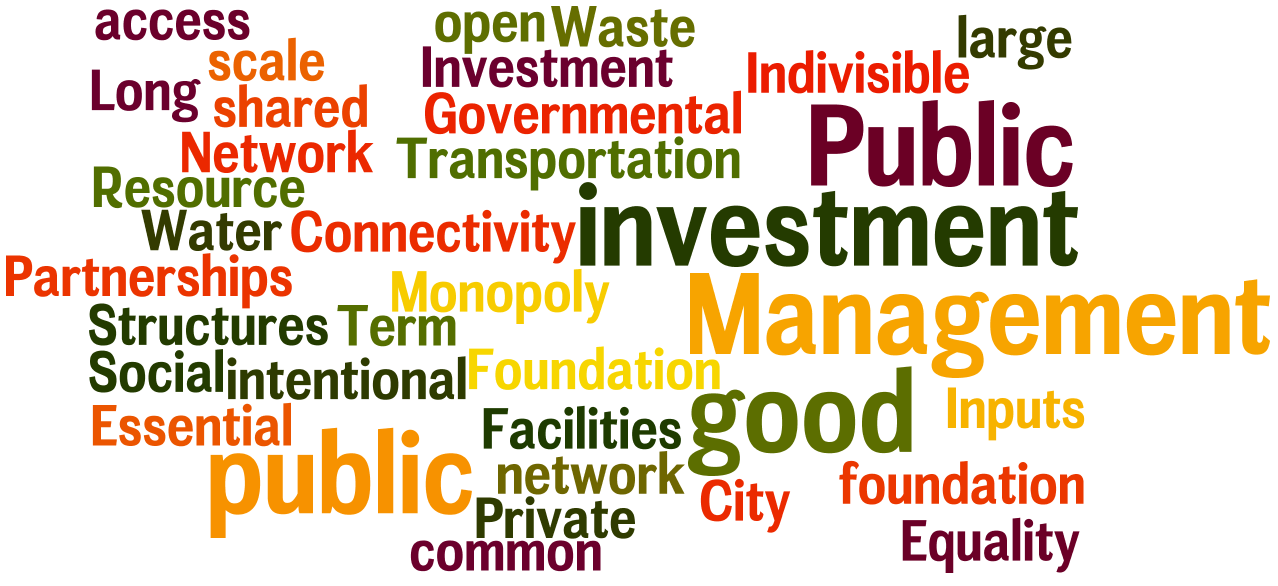
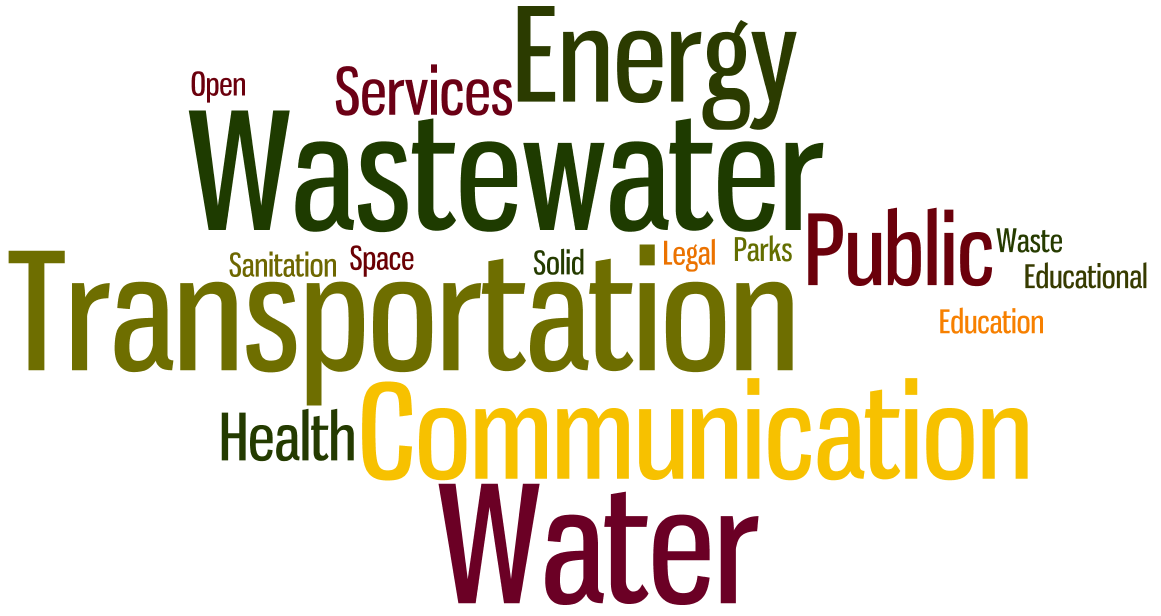
During our urban infrastructure planning class this morning, we asked teams of students to select five words to describe infrastructure systems and list what they considered to be the main infrastructure systems. The two Wordles below capture their responses.

Words that describing frastructure
Words describing infrastructure
Major infrastructure systems
The major infrastructure systems


Welcome PGG and MURP Graduates!

I enjoyed meeting the new graduates in the Planning, Governance, and Globalization (PGG) doctoral program and the Urban Affairs and Planning (UAP) program this afternoon. We have a diverse group of students this year who come to Virginia Tech from various U.S. states and countries such as China, India, Russia, and Colombia. I look forward to getting to know them this coming semester. The images below were taken #throughglass.

This slideshow requires JavaScript.

UAP 5784 – Technology, Globalization, and Sustainable Development

This fall semester I will be offering a graduate seminar focused on Technology, Globalization, and Sustainable Development (UAP 5784; 3 Credits)

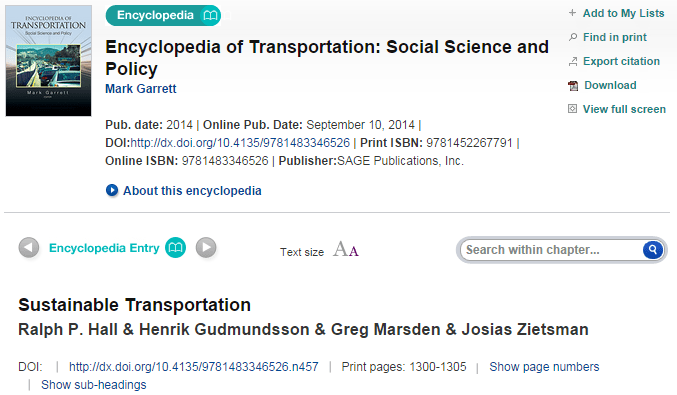
Book Review: “This astonishing book is a terrific summary of informa¬tion for those seeking feasible alternatives to the pursuit of infinite growth.” Dennis Meadows, co-author of The Limits to Growth

The seminar will meet on Fridays from 12:30pm to 3:15pm, in the Architecture Annex, room 111.

The seminar is designed to provide students with a transdisciplinary perspective on sustainable development. It is intended for students interested in planning, policy, economics, business, innovation, environmental studies, and law. The seminar will explore the many dimensions of sustainability and how national, multinational, and international political and legal mechanisms can be used to further sustainable development.

During the seminar we will consider the inter-relationship of global economic changes, inequality, employment, worker health and safety, and environment in the context of theories of development, trade, technical and organizational innovation, and employment. Mechanisms for resolving the apparent conflicts between these elements will be explored.

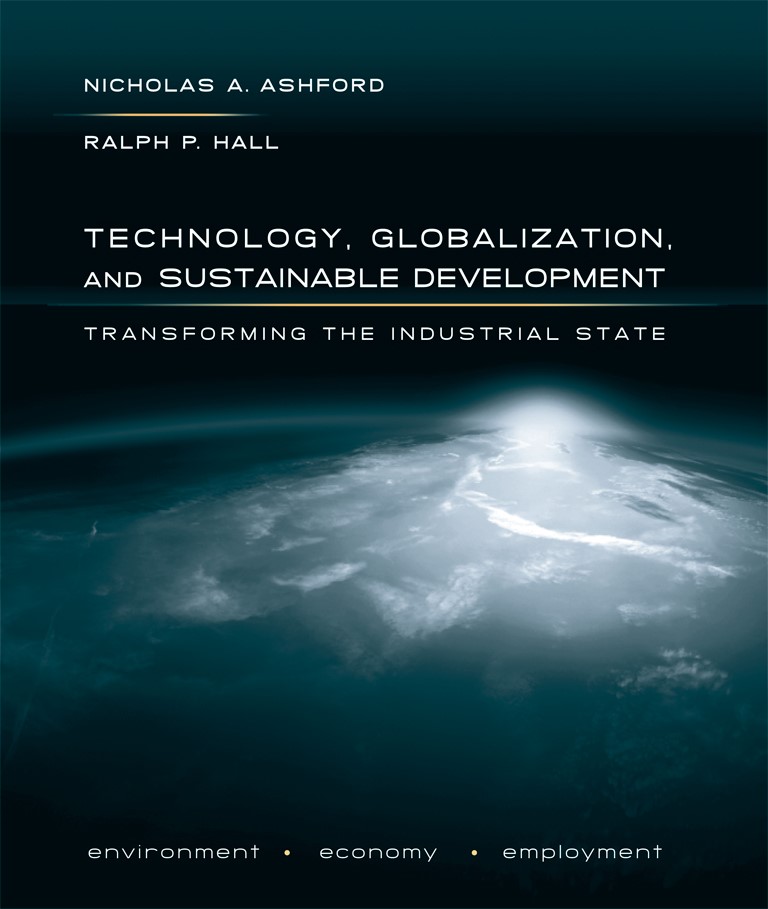
This new book will be available in August/September, 2014.
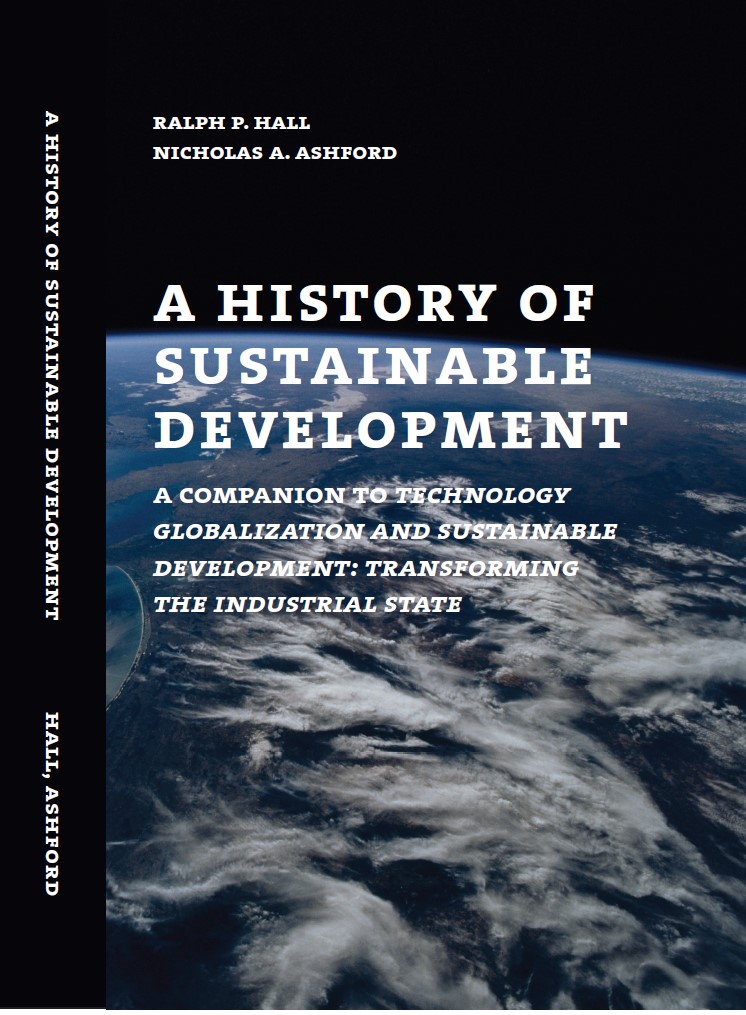
This new book will be available 2014/2015.

The seminar is intended to stimulate discussion and critical thinking on the key writings in sustainable development. Students will be evaluated on the basis of their mastery of the materials through (1) written assignments and (2) class participation and attendance. The seminar has two required texts (see images) that will be supplemented by topical readings tailored to student interests.

During the semester, I will use Google Glass and other video capture devices/software to provide students with enhanced feedback on their assignments and performance in the seminar.