Regina Dugan’s Presidential Lecture

This evening I attended Regina Dugan’s Presidential Lecture at VT. Her remarks tracked the history of innovation and made a compelling case that innovation must be treated as a discipline. Her experience at DARPA, Google, and now Facebook have provided Dugan with a unique and broad experience in advancing innovation, which she describes as a “way of life.”

During her lecture, I tweeted the question below that I believe captures the central challenge of her remarks to the Virginia Tech community.
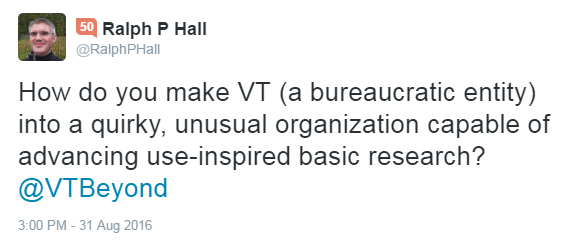
2016-08-31_2223

Her response was that organizations are often limited not by what they can do, but by what they “believe” they can do. Thus, an important idea for the Beyond Boundaries process is to create spaces where students and faculty can make bold moves without the fear of failure. As Dugan argued, the ability to fail is a necessary part of innovation. I’ll come back to one idea for how Virginia Tech could make innovation a ‘way of life’ in a moment.

During the Q&A session, Dugan remarked that the ability of her research teams to move fast (i.e., innovate) is due to the depth of disciplinary knowledge held by team members and their broad curiosity. This comment mirrors the idea of a VT-shaped student – a student with disciplinary depth (the “I”), transdisciplinary knowledge (the “–”), and who demonstrates purpose-driven engagement (the “V”) – which is now a central part of the Beyond Boundaries vision. Dugan also highlighted the importance of having people who are willing to walk across to other disciplines to understand how they are viewing a problem and to learn from them. The idea of needing to ‘walk’ to visit another discipline feels familiar!

Dugan’s ideas point to the need to create sandbox spaces or studios where students from any discipline can work on ‘use-inspired’ solutions to significant problems. According to Dugan, challenges should stretch the imagination to the point of discomfort – i.e., there should be no known solution so students and faculty are required to work at/create the leading edge of knowledge. By making the sandbox or studio a capstone experience, students would be equipped with the disciplinary expertise needed for teams to ‘move fast’ on a problem. However, to make innovation a ‘way of life,’ we would need to find ways for students at any stage of their academic career to engage in these experiences. This challenge points to the need for an ecosystem of spaces (that includes VT’s living learning communities) where students can work in a transdisciplinary setting.

A final point I found interesting was the idea of understanding the core purpose of your actions. Dugan commented that 93% of our face-to-face time with our parents is completed by the time we leave high school. This rather alarming statistic (for parents!) reveals one frontier that Facebook is looking at – i.e., how to make family communication seamless. My second tweeted question to Dugan was inspired by her idea of “friction free communication.”
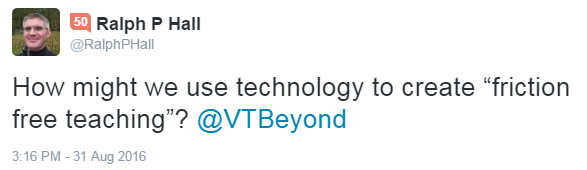
2016-08-31_2337

While Dugan was not asked this question, her response to a different question provided a possible answer. The secret is to focus on the “outcomes” not the technology. Thus, a question for the Beyond Boundaries process is what are the outcomes that technology could help us realize?
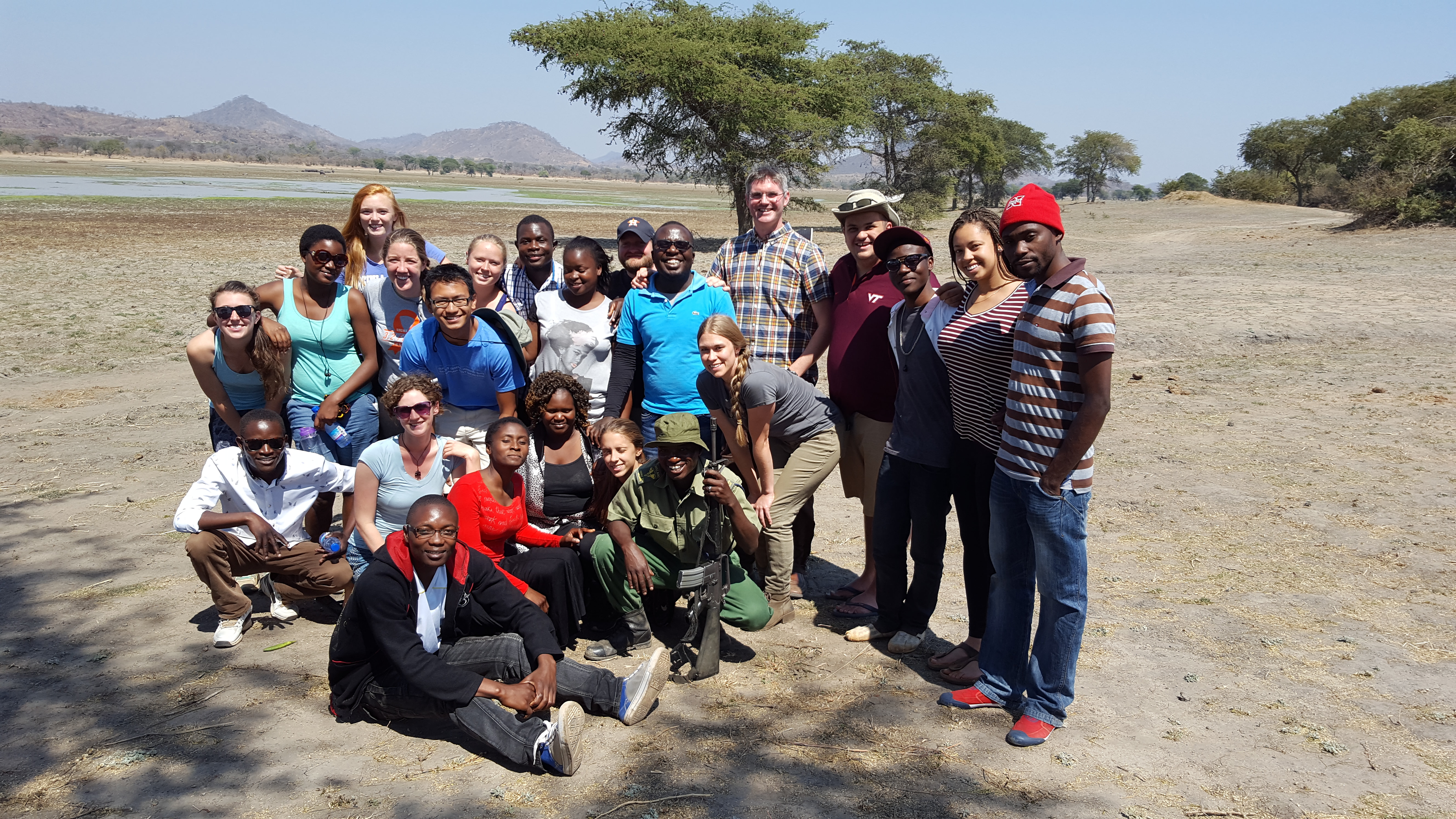

Vwaza!

Blog (4)Today was the final day of the Experience WASH in Malawi study abroad course. Having spent the last three weeks working hard on research projects, the students visited Vwaza Marsh Wildlife Reserve – a national park to the north of Mzuzu. The lake in the park was full of hippos and surrounded by monkeys and gazelles, which provided our group with many hours of energized viewing.

20160729_104803

This slideshow requires JavaScript.

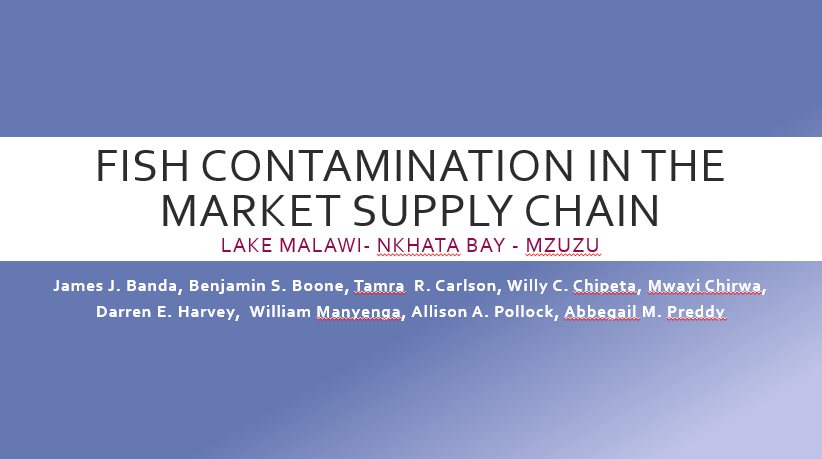
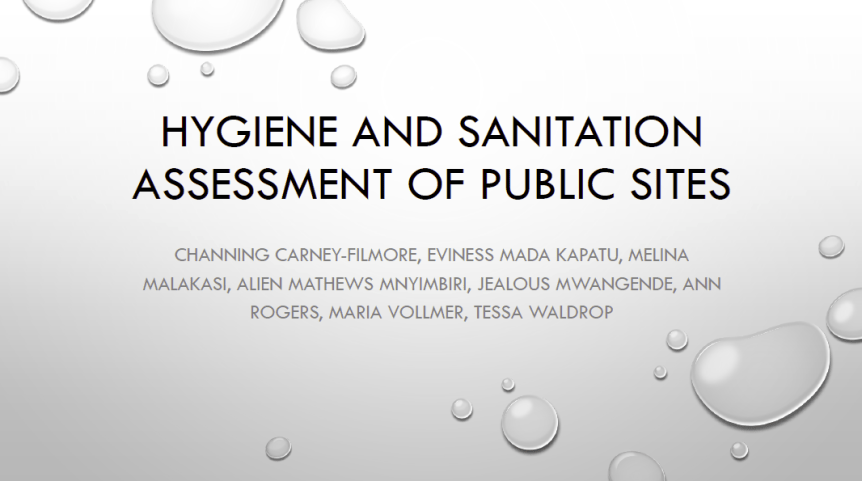
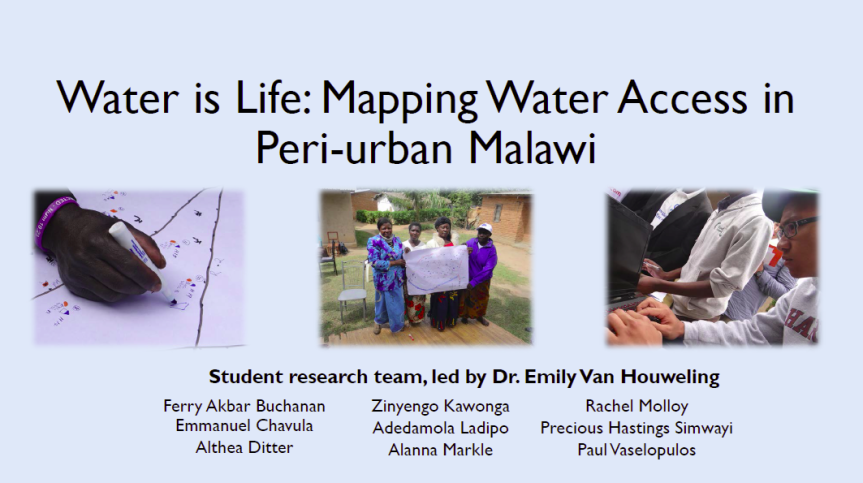
I have posted the three final presentations from each of the research teams below along with a short document from the Sanitation and Fish teams that provide an overview of their research and results.

While I may be biased, I believe this study abroad course has been an excellent experience for all involved – students and instructors. We are now looking forward to 2017 when we hope to build on the success of this course and take on new research projects that will have a direct and meaningful impact on communities in Malawi.

Fish Team

Fish

Fish Team Briefing Document.

Sanitation Team

Sanitation

Sanitation Team Infographic.

Mapping Team

Mapping

WASH Course in Malawi – Week 1

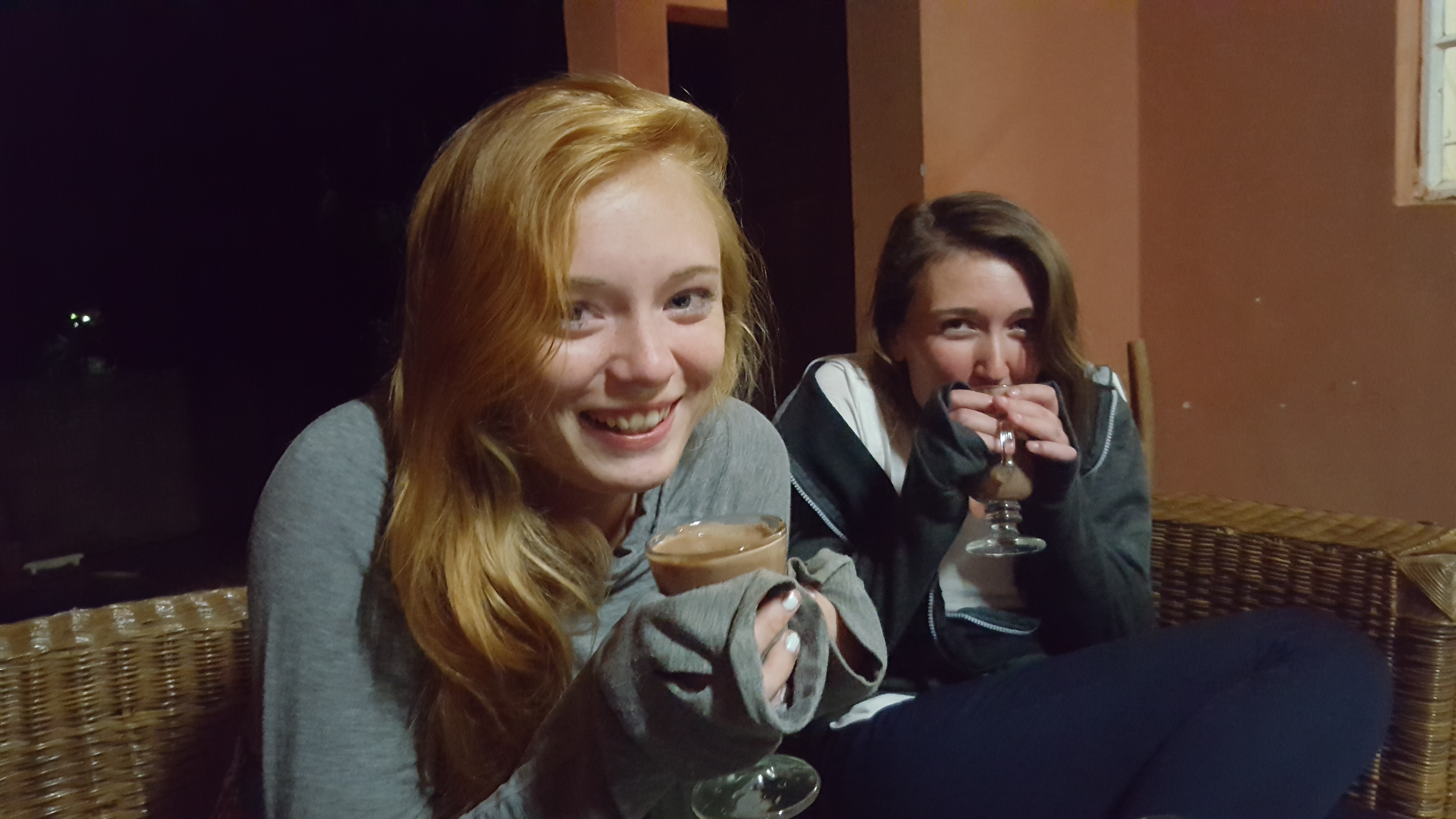
We have now complete the first week of our joint WASH study abroad course in Malawi. After starting in Lilongwe, we travelled to Mzuzu where we will be based for the remainder of the course. 20160715_201346The students are settled in Joy’s Place and seem to be enjoying the relaxed environment and great food they serve. Interesting, we all underestimated how cold it can be at night, but a nice warm cup of hot chocolate seems to help.

The course is based at the Mzuzu University Centre of Excellence in Water and Sanitation and the Mzuzu SMART Centre, which have all the facilities we need and are surrounded by low-cost water and sanitation technologies that are being designed and tested by staff at the centres. This immersive environment is the perfect place to be learning about WASH in Malawi. We are also fortunate to have the technical staff on hand to answer any questions we have about these technologies.

This slideshow requires JavaScript.

The focus of this first week has been on introducing students to the water and sanitation situation in Malawi and the three research projects they will be undertaking over the next 1.5 weeks. The research will begin tomorrow and I will post a few pictures from each of the research teams over the next week. Our objective is for the students to present their findings to key stakeholders on July 28, after which they will be tasked to develop an academic journal article to document their findings. We have challenged the students to take on real and important research, and they have risen to this challenge by diving into their projects with energy, enthusiasm, and the focused needed to collect high quality data. I have also been very impressed by the way the students from the three universities are working as one cohesive group, which we hope will promote cultural exchange and build friendships that will last beyond the course.

This slideshow requires JavaScript.

Since we are based at Mzuzu University (Mzuni), we also invited several Mzuni faculty to provide guest lectures related to their areas of expertise, and had a CLTS training session provided by World Vision who have an extensive range of projects underway in Malawi.

This slideshow requires JavaScript.

The WASH Course Begins in Lilongwe

On July 10, 15 students from Virginia Tech and Denver University (DU) arrived in Lilongwe, Malawi, to join students from Mzuzu University (Mzuni) for a joint WASH (Water, Sanitation, and Hygiene) course. I am currently teaching this course with Dr. Rochelle Holm (Mzuni), Dr. Mavuto Tembo (Mzuni), and Dr. Emily Van Houweling (DU).

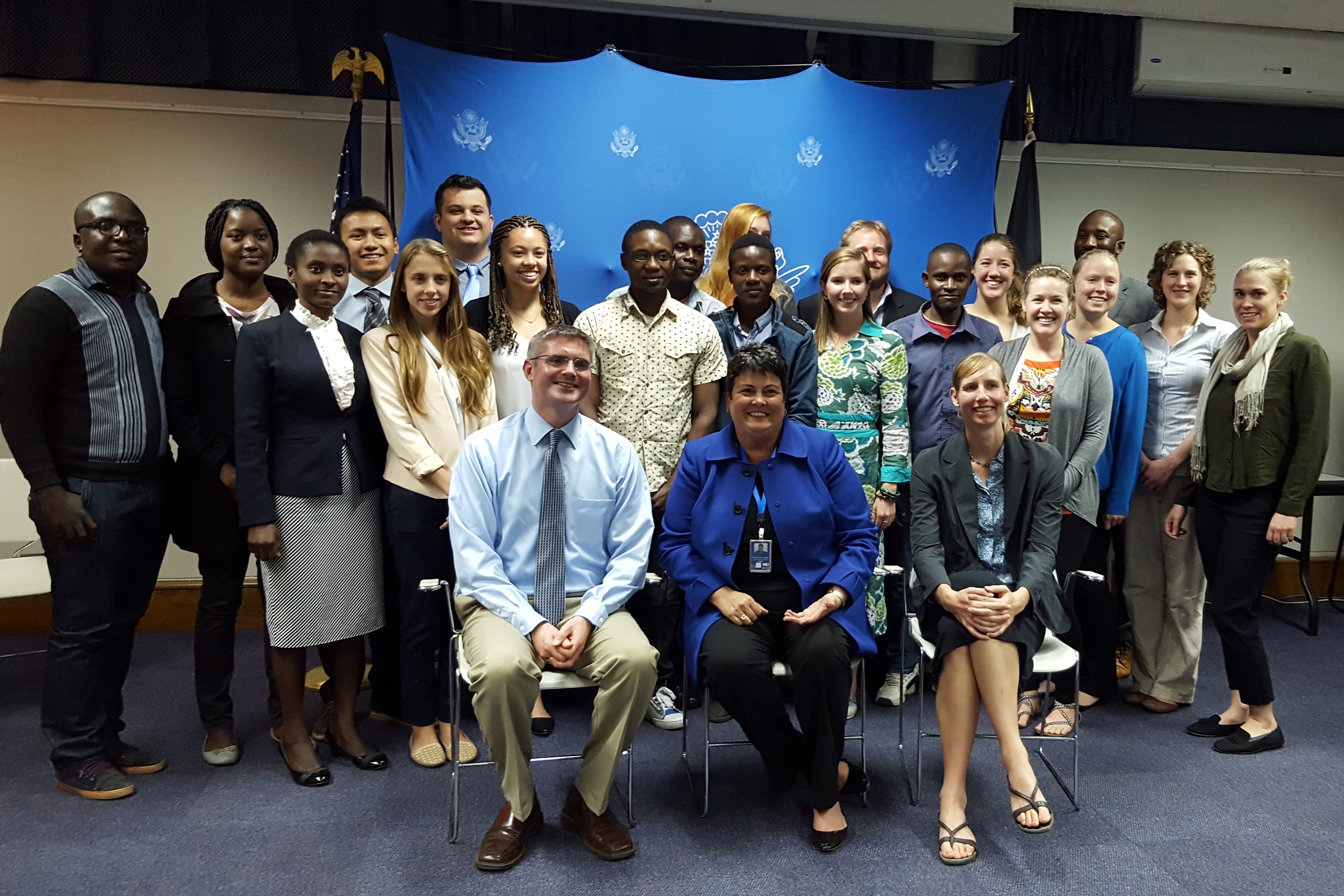
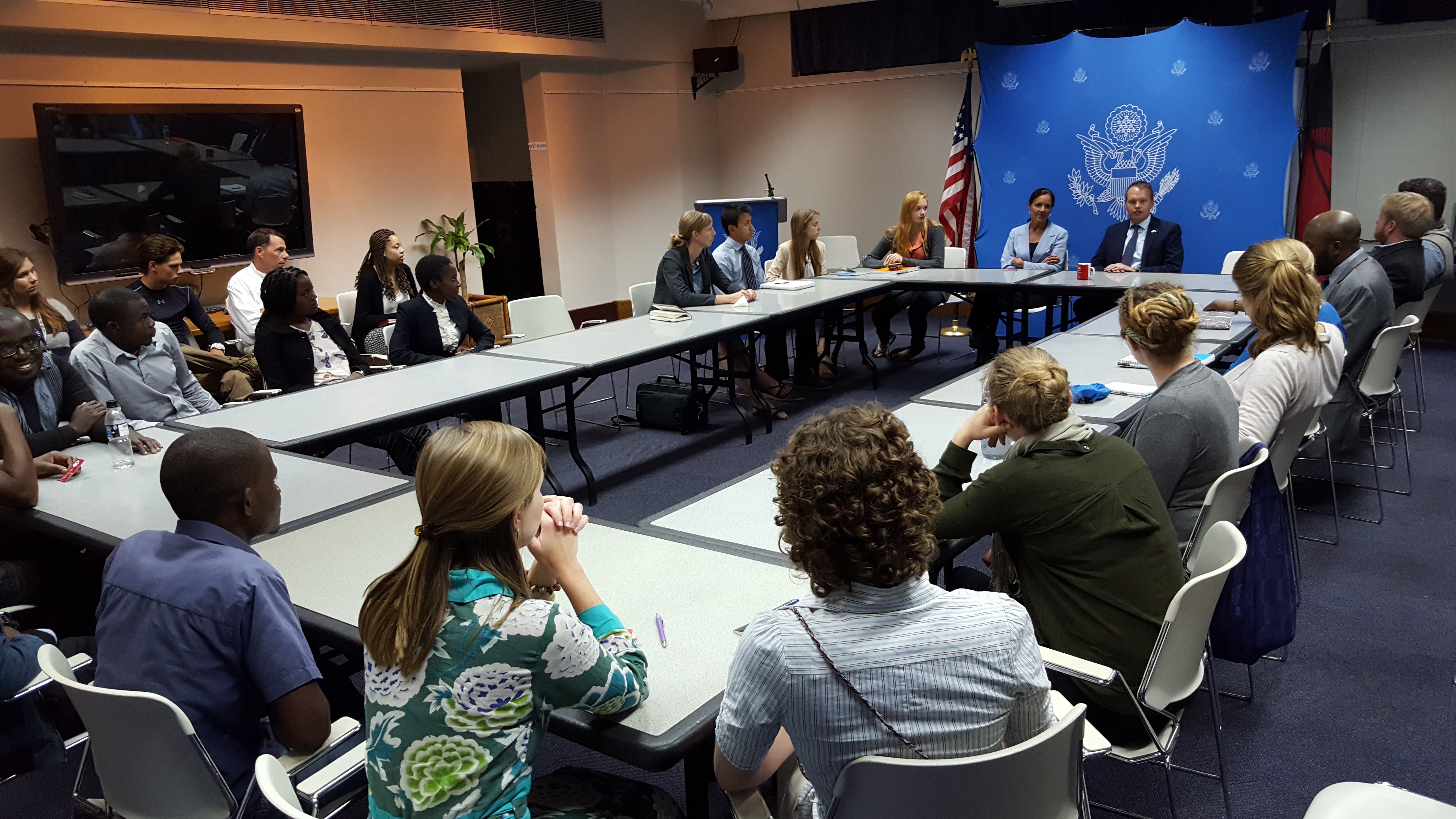
For the first two days of the course we held meetings with key officials in the capital, Lilongwe, beginning with U.S. Ambassador Palmer who described the strong U.S.-Malawi relationship. Ambassador Palmer outlined the various programs the U.S. government supports to spur economic development and help the 6.5 million Malawians at risk from flooding and drought. She also emphasized the unique opportunities that exist for U.S. companies to invest in Malawi. It was interesting to learn that Malawi (one of the poorest countries in the world) is one of a few countries that receives support from all the main U.S. foreign assistance programs.

Palmer

Following our meeting with the Ambassador, students had the opportunity to meet with Edward Monster, the Public Affairs Officer for the U.S. Embassy in Malawi and Carol Spahn, the Country Director for Peace Corps Malawi (below). During this conversation, students were able to learn about foreign service from the perspective of the U.S. Department of State and Peace Corps. It was interesting to hear that students can now select which country they would like to serve in for Peace Corps.

20160711_150032

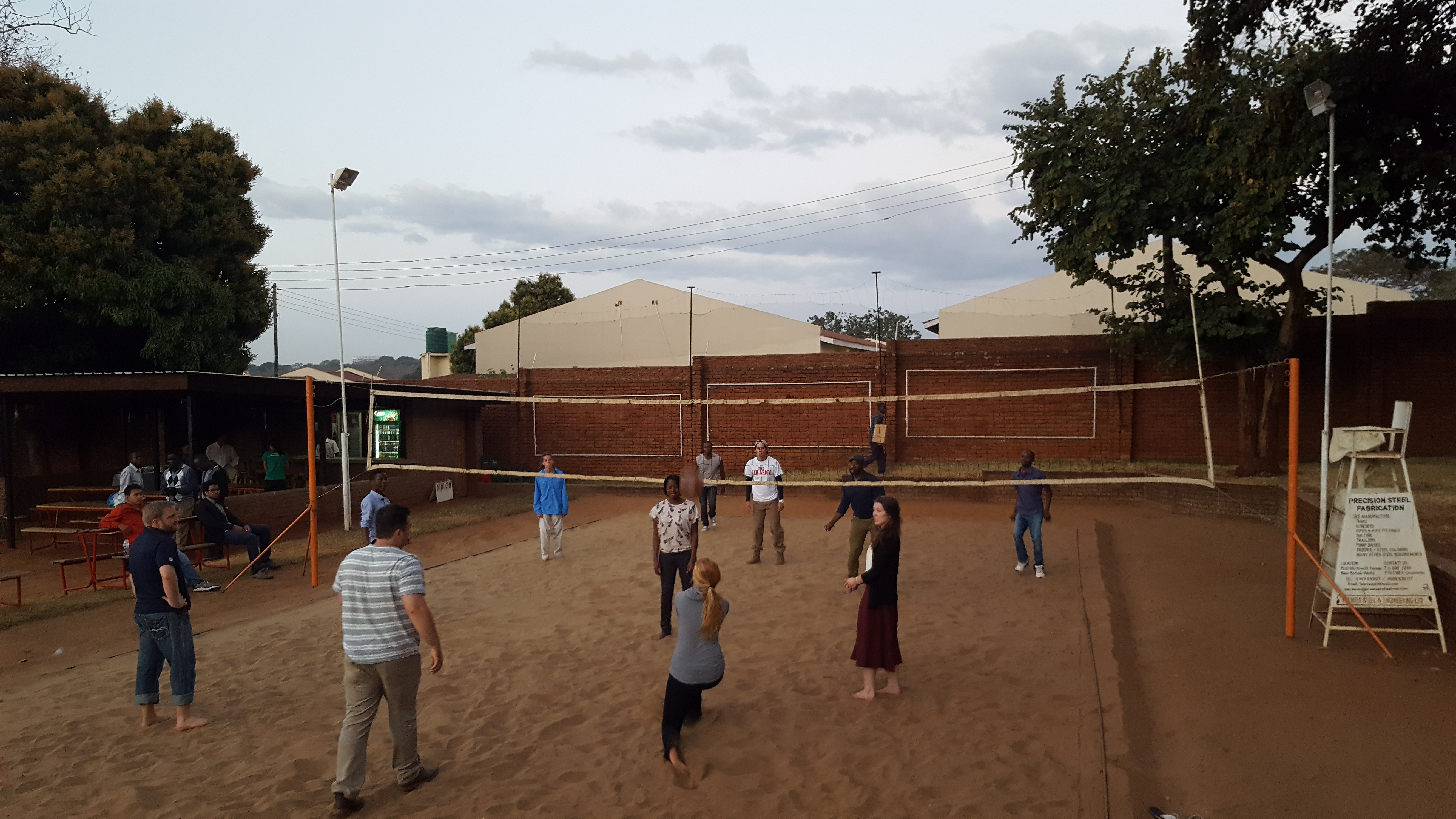
In the afternoon and evening on the first day, we held some get-to-know-you activities and relaxed a little with some games of volleyball at a local facility.

20160711_173700

The following day, students had the opportunity to speak with Asayire Kapira (WES Network), Thanasius Sitolo (the Department of Water Supply and Sanitation), and Lucy Mungoni (USAID Malawi) about the WASH situation and WASH actors in Malawi. Following these meetings, the group left Lilongwe for a five hour drive to Mzuzu where we will hold the rest of the course.

This slideshow requires JavaScript.

Congratulations Selma Elouardighi!

This afternoon, Selma Elouardighi successfully defended her dissertation entitled “The Transfer of Environmental Best Practices from Developed to Developing Countries through Multinational Corporations.”

I have provided a brief excerpt from her dissertation below that captures the essence of her research.

This research was prompted by a desire to understand why Moroccan cement companies have adopted advanced environmental responsibility practices far beyond those used by companies in the other sectors of the national economy. While corporate environmental stewardship in Morocco is generally lacking, cement producers have adopted best practices. This observation prompted two questions: why did the cement sector adopt, of its own volition, advanced environmental performance in the absence of the impetus of the state (i.e., stringent and enforced regulation), and how was the industry able to change course, develop, and adopt these best practices? Answering these questions meant identifying the power structures capable of inducing behavioral change within Moroccan companies, as well as the mechanics through which new knowledge is generated within the same context.

Using process tracing as a research methodology, … this research analyzed the external business environment of cement subsidiaries in Morocco, and uncovered the processes through which the adoption of EBP by Moroccan cement subsidiaries was enabled.

Using the knowledge she obtained through her research, Selma set-up an NGO in Morocco in 2014 to help create an Industrial Cluster for Environmental Services (known as CISE-Marco). The NGO and its partners subsequently applied for and received a green entrepreneurship grant from the U.S. Department of State to promote cleaner production processes and green jobs in Morocco. Her research and subsequent work provide an excellent example of how students from SPIA’s PGG program are focusing on significant and real-world problems.

I served as the co-chair of Selma’s doctoral committee, alongside Edward Weisband (co-chair), Karen Hult, and Deborah Gallagher.

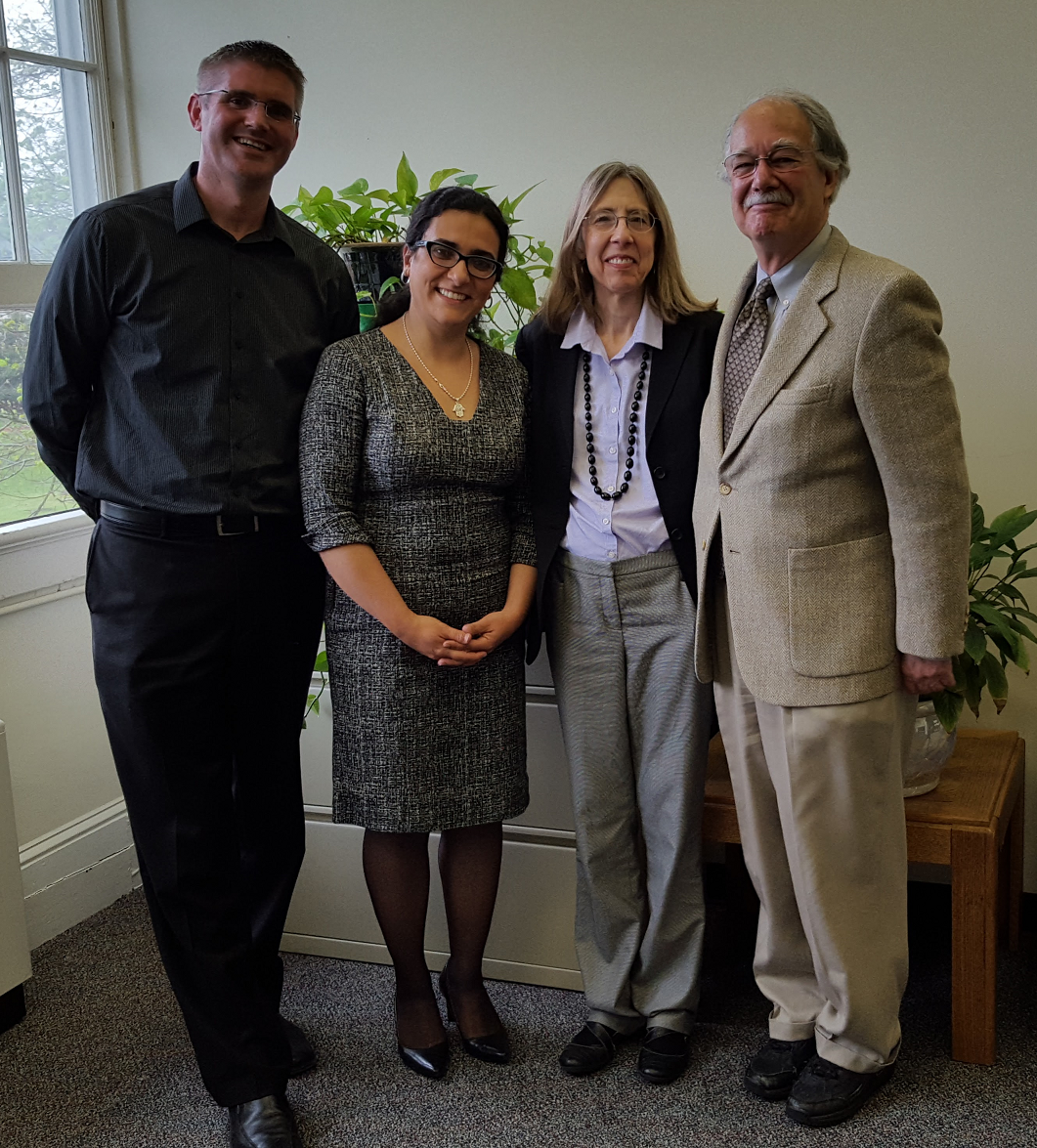
Ralph Hall, Selma Elouardighi, Karen Hult, and Edward Weisband

Data Anonymization Presentation

Tomorrow, Eric Vance and I will give the presentation below as part of Virginia Tech’s 2016 Open Data Week. During our presentation, we will discuss the data anonymization lessons we learned through a multi-year impact evaluation we undertook in Mozambique for the Millennium Challenge Corporation (MCC). We hope to see you there!

When: Tuesday, March 29, from 2:00-3:15 p.m

Where: Newman Library, Level 2, room 207A

Providing Video Feedback on Assignments

On Wednesday, February 10, at 10am, I will be giving a Practice Session at the 2016 Conference on Higher Education Pedagogy on Providing Video Feedback on Assignments. I have posted below the material I will be using during this 50-minute session.

During the session I will discuss how to [1] create a video-feedback platform using SnagIt, Google+, Google Circles, and YouTube, [2] structure the process of providing video feedback, and [3] what to include in the feedback video. I plan to share what I have learned from experimenting with Google Apps and screen capture software, and from recording over 300 assignment feedback videos.

Click on the image below to access the first Google Doc that will be used during the practice session. This document provides instructions on what participants will need to do to be able to engage in the session.

2016-02-09_0930

The second Google Doc below provides guidance on how to set up a Google Apps platform for a course.

2016-02-09_0931

The slides below provide some initial results from my research into providing video feedback on assignments.

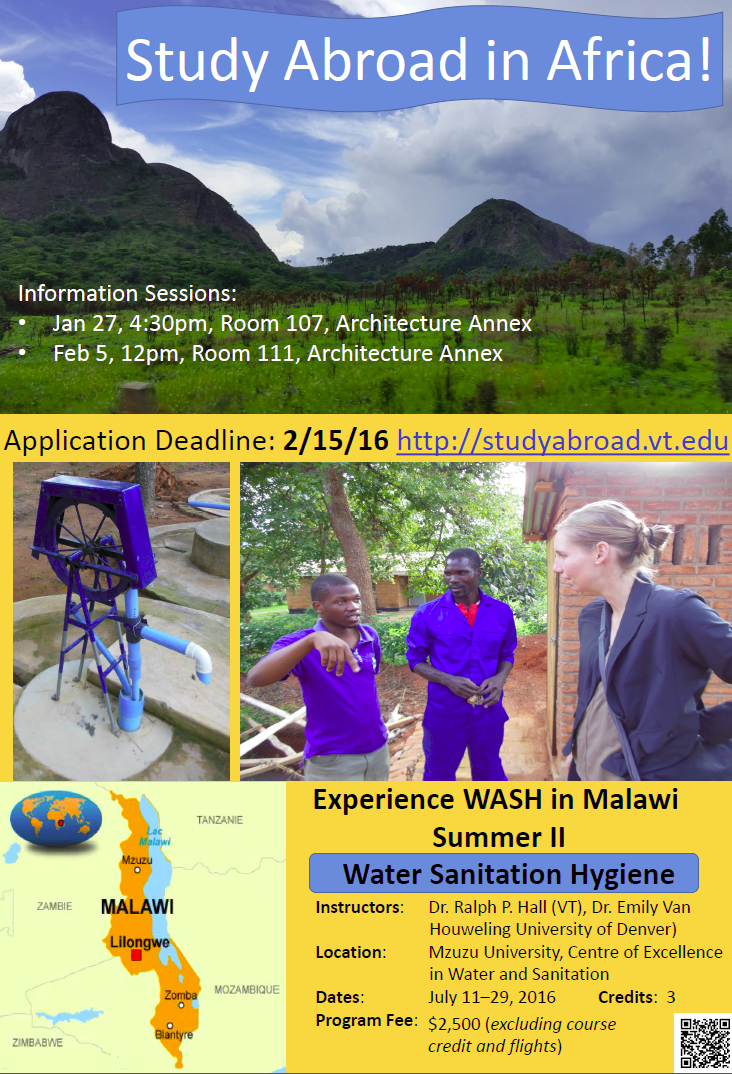
Experience WASH in Malawi – Info Sessions

If you are interested in attending the Experience WASH in Malawi study abroad course, I will be holding two information sessions about the course at the following times:

  • Wednesday, Jan 27, 4:30pm, Room 107, Architecture Annex
  • Friday, Feb 5, 12pm, Room 111, Architecture Annex

If you are not located at the Blacksburg campus, a WebEx connection to each session can be provided upon request.

Draft syllabusApply here.

Internships

Following the completion of the course, interested students will have an opportunity to undertake an internship with different development organizations in Malawi. These organizations include Ngurwu (a community-based organization that provides education and development assistance in many different areas), World Vision, Merion Medical Mission (an organization that installs shallow wells), and the Church of Central Africa Presbyterian (CCAP) (an organization that could offer internships in health, education, and development). We will work with students to help ensure a good fit between their interests and the needs of the organizations.

2016-01-21_1204