2026 Ecological Economics Summer Schools and Conference

If you are a PhD student, postdoc/early-career scholar, or practitioner who is interested in sustainability, ecological economics, and macroeconomic transformations, please take a look at the following opportunities.
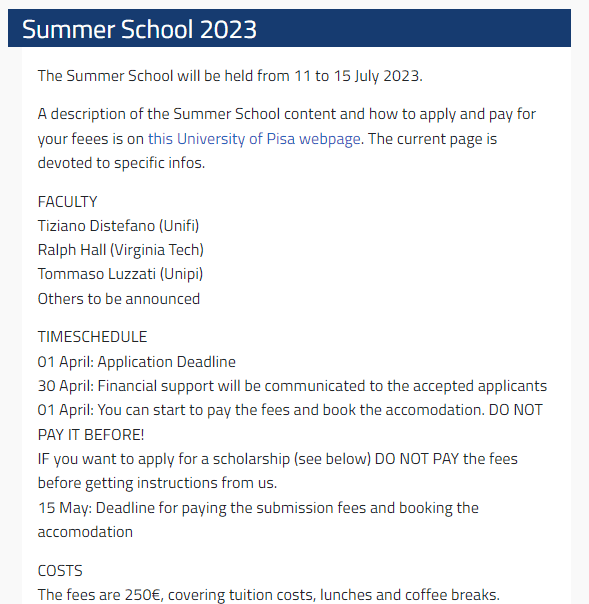
Where: Pisa, Italy

This summer school – now in its 5th year – is designed for PhD and post-doc students. In special cases, master’s and bachelor’s students may also be eligible. A maximum of 60 participants will be admitted.

The summer school is full-time and involves approximately 23 hours of class attendance and 52 hours of individual study. After completing the final exam, on Saturday 11 July, students will recieve 3 ECTS (European Credit Transfer and Accumulation System).

FACULTY

  • Keynote lecture: Giulia Romano (Università di Pisa)
  • Mario Biggeri (University of Florence, ITA)
  • Leonardo Boncinelli (University of Florence, ITA)
  • David Cano (University of Pisa, ITA)
  • Simone D’Alessandro (University of Pisa, ITA)
  • Tiziano Distefano (University of Florence, ITA)
  • Elisa Giuliani, Vice-Rector for Sustainability and the 2030 Agenda – Università di Pisa
  • Ralph Hall, (Virginia Tech, USA)
  • Tommaso Luzzati, (University of Pisa, ITA)
  • Igor Matutinovic, Zagreb School of Economics and Management
  • Emilio Padilla Rosa, Universitat Autonoma Barcelona
  • J. Christopher Proctor, Bocconi University – Institute for European Policymaking
  • Marcela Villarreal, former Director of the Partnerships and UN Collaboration Division at the Food and Agriculture Organization of the United Nations (FAO)

Learn more and apply here.

When: September 7-9, 2026

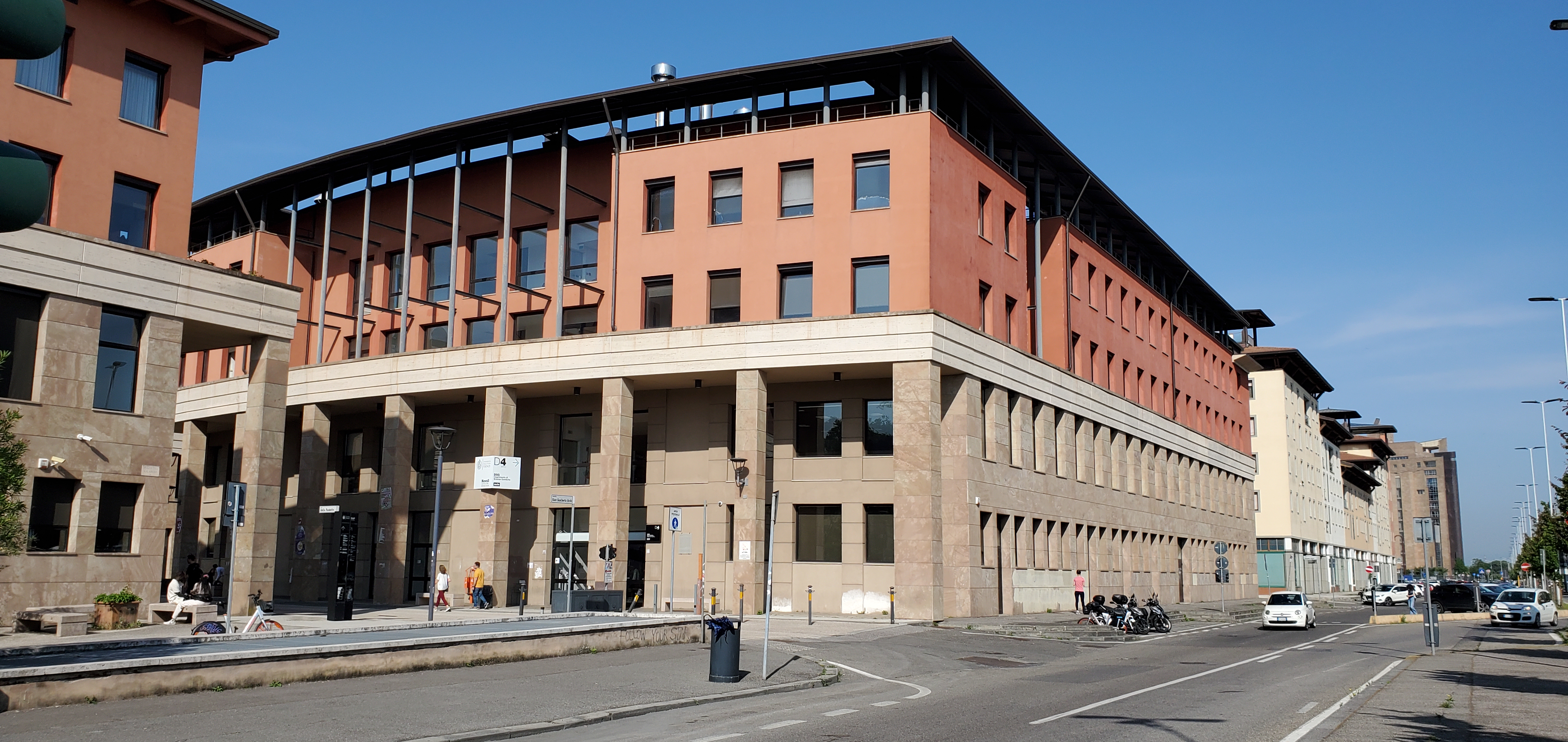
Where: Florence, Italy

This summer school offers an intensive introduction to Ecological Macroeconomics, with a special focus on its relevance for the Global South. Participants will receive a solid grounding in the foundations of Ecological Economics and Post-Keynesian Macroeconomics, and will learn key modelling approaches used to analyse sustainability transitions in diverse socio-economic contexts.

The programme covers Input–Output analysis, Stock-Flow Consistent modelling, and System Dynamics, providing participants with the conceptual and technical tools needed to explore the interactions between economic structures, environmental constraints, and social outcomes. A core component of the school is hands-on training on how to build Integrated Assessment Models (IAMs) that incorporate biophysical limits, distributional dynamics, inequality, and policy scenarios.

Participants will work through practical modelling labs using Vensim and R, enabling them to implement dynamic models, run simulations, and analyse alternative development pathways. The school aims to equip a new generation of researchers—especially from and for the Global South—with state-of-the-art modelling skills to address climate, energy, and development challenges.

FACULTY

  • Tiziano Distefano (University of Florence, ITA)
  • Simone D’Alessandro (University of Pisa, ITA)
  • Guilherme Morlin (University of Pisa, ITA)
  • David An (University of Florence, ITA)
  • Vinicius Centeno (University of Florence, ITA)

Learn more and apply here.

When: September 10-12, 2026

Where: Florence, Italy

Ecological Macroeconomics is an emerging field at the intersection of macroeconomics, ecological economics, and complexity science. It develops modelling frameworks that embed economies within biophysical limits, explicitly address inequality and social justice, and explore de- and post-growth futures through scenario analysis rather than optimisation.

This inaugural international conference aims to bring together scholars, early-career researchers, students, and practitioners working on ecological macroeconomic theory and modelling, with a particular interest in applications to the Global South and policy design for a just transition.

Learn more and apply here.

Visiting Professor – University of Florence

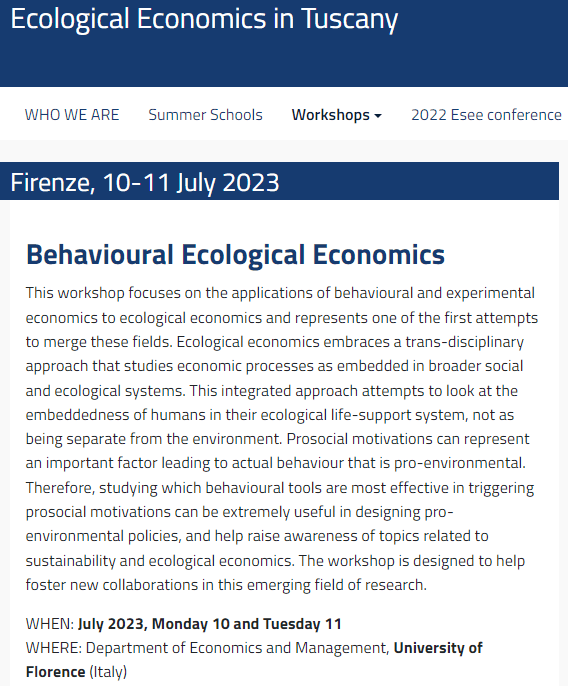
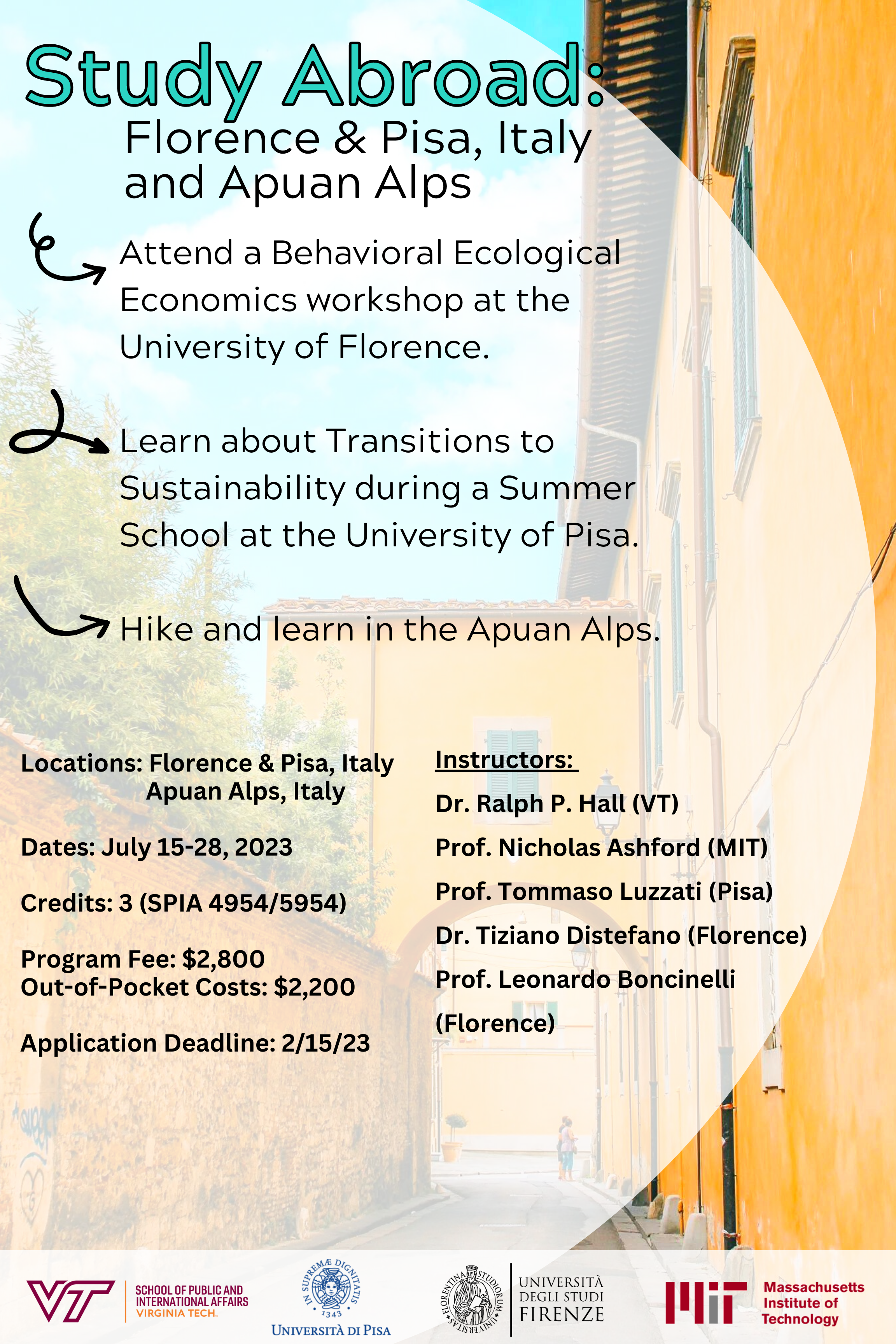
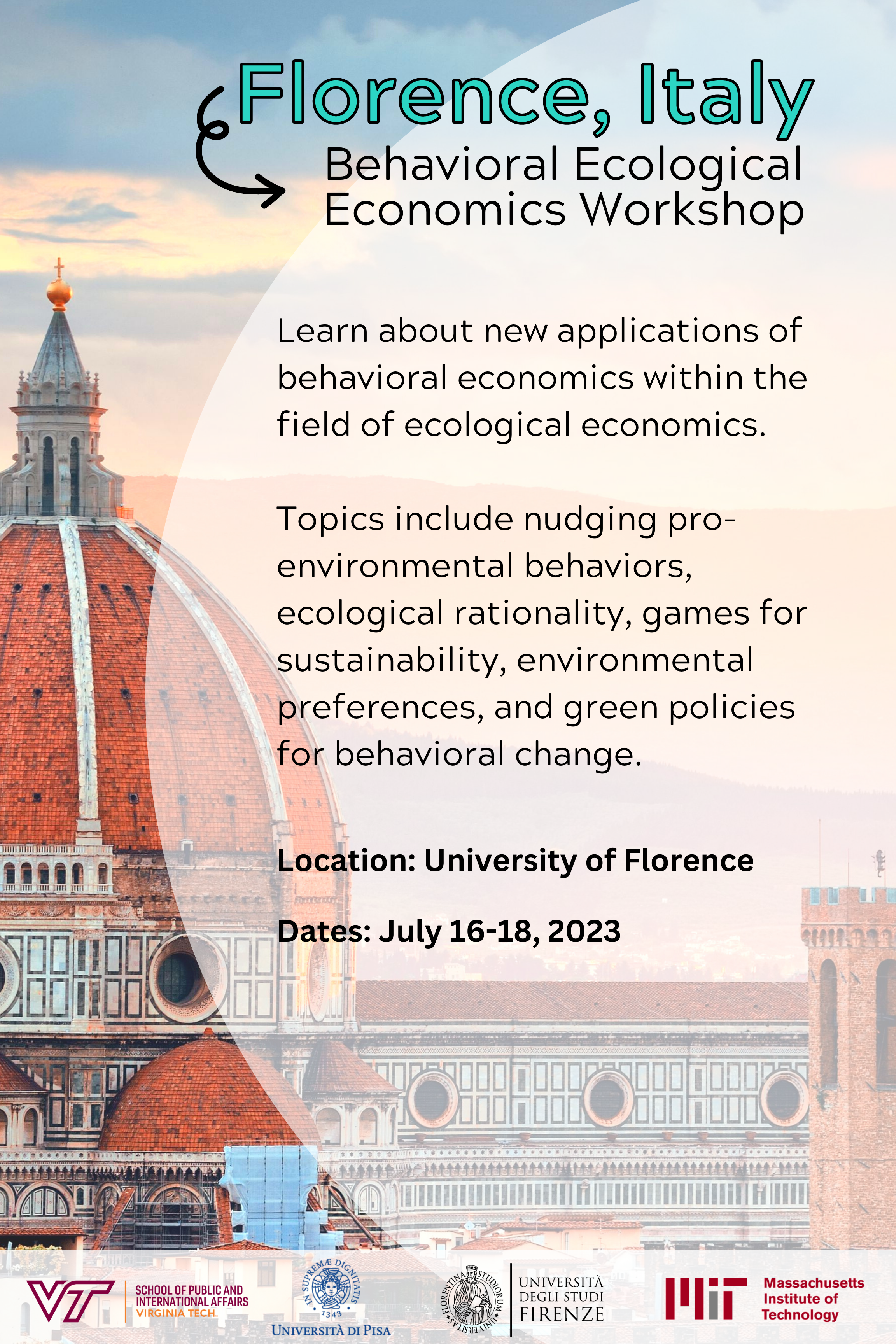
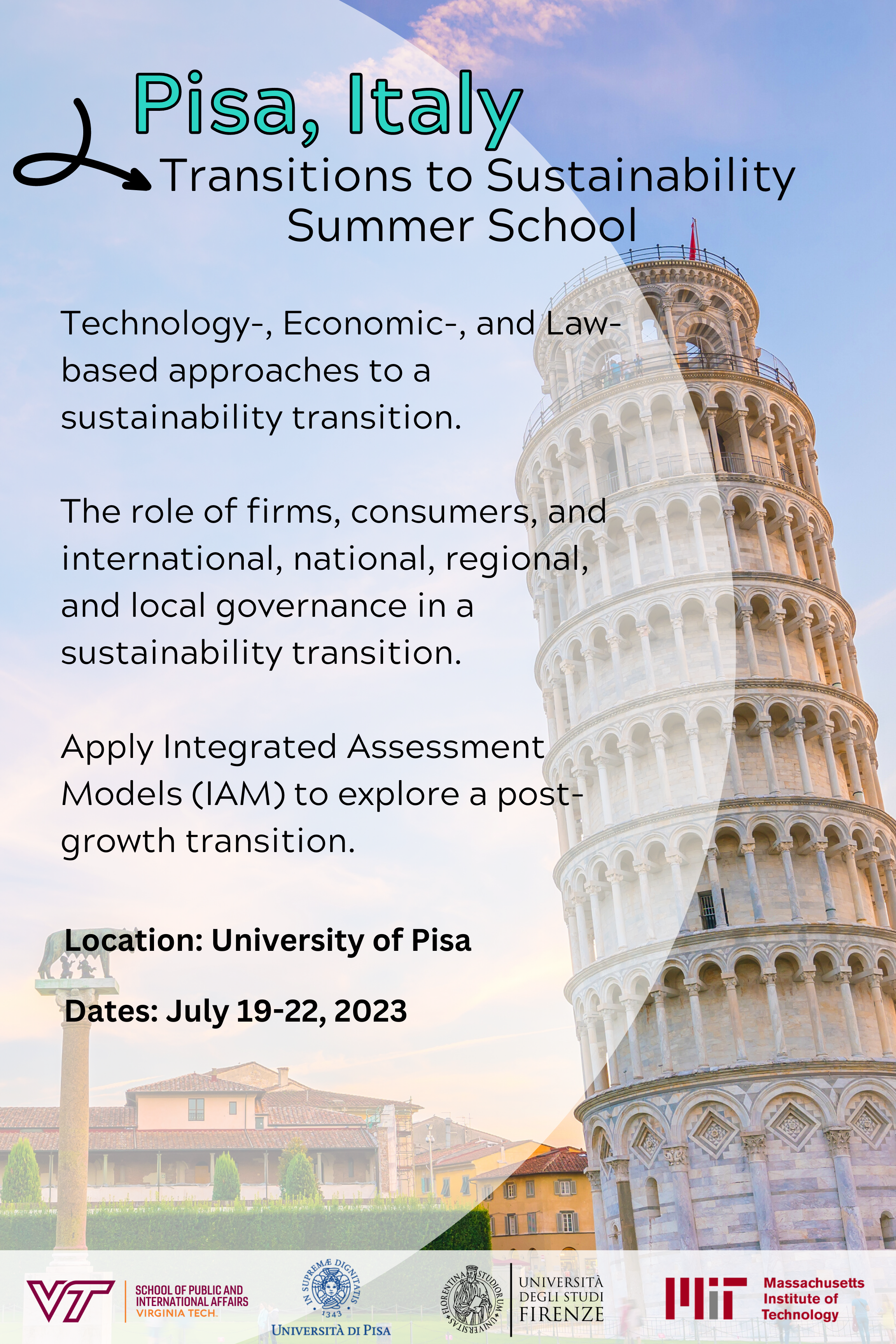
Today, I began a summer position as a visiting professor in the Department of Economics and Management at the University of Florence. During my time here I will deliver seminars on inclusive economics and Multiple Use Water Services (MUS), engage in a two-day workshop on Behavioural Ecological Economics (at the University of Florence), co-teach a summer school on Leveraging Ecological Economics to Advance the Sustainability Transition (at the University of Pisa), and co-teach a Hiking Ecological Economics Summer School (in the Apuan Alps). I’m looking forward to meeting over 100 students from across the EU, US, and beyond who have enrolled in the above activities.
2023 Study Abroad Program

The three main components of our 2023 study abroad program in Italy are now open for any student to apply. Virginia Tech students who are accepted into the VT program will be automatically enrolled into each part of the program.

VT Students: The application portal will remain open for the next week, so please apply this week if you would like to be considered for the program. Please also make sure you apply for a GEO Scholarship (due March 15th).

Non-VT/International Students: I hope you will considered applying to one or more parts of the program via the links below. In 2022, we had over 20 countries represented in the Pisa summer school that hosted around 40 students. It was a really engaging and culturally rich experience for everyone involved in the program.

2023 Study Abroad Progam in Florence/Pisa, Italy

If you are a rising senior or graduate student at Virginia Tech and are looking for a unique sustainability-related study abroad experience, please find me on the Drillfield on Wednesday (September 21) to learn more about the planned 2023 Florence-Pisa program in Italy or signup for the information session that will be held from 3-4pm on Friday, October 14.

If you are unable to attend the study abroad fair or information session, please complete this simple form to be kept informed of program updates.

Pisa Study Abroad Program (in photos)

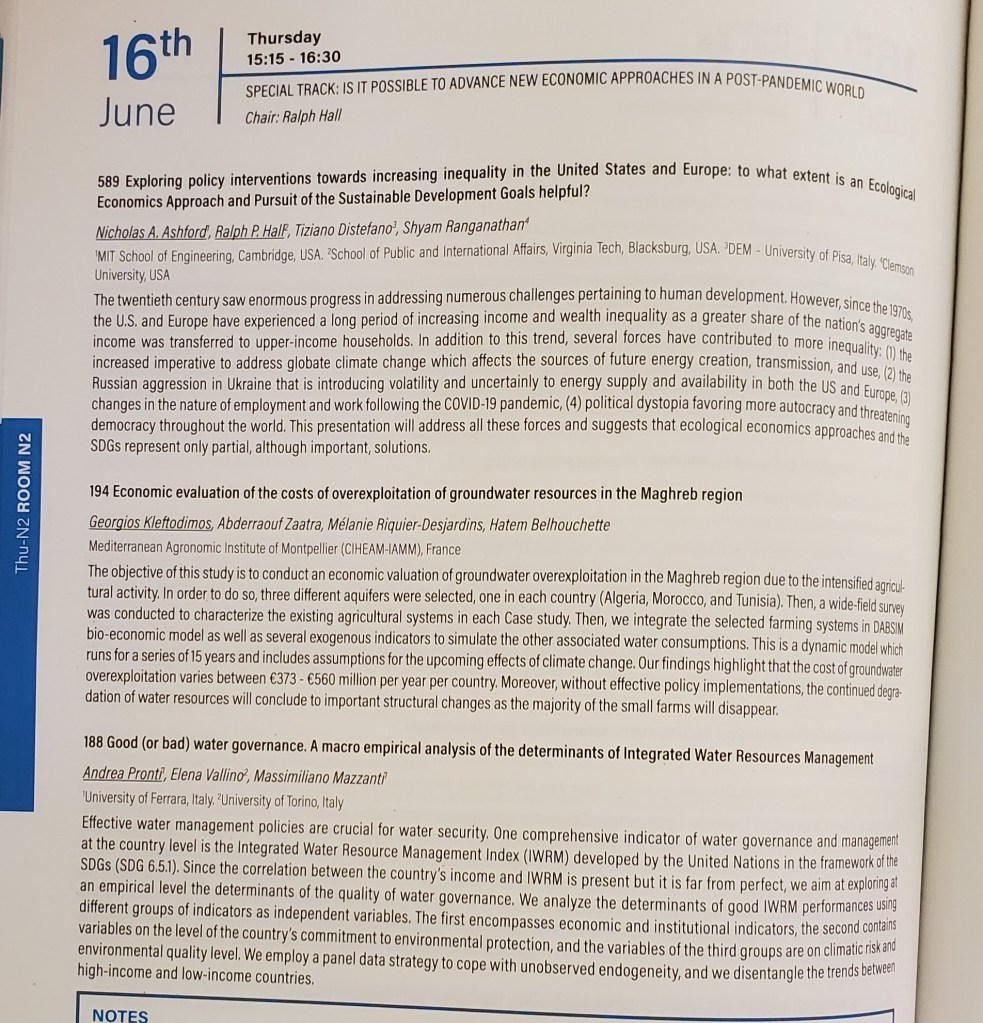
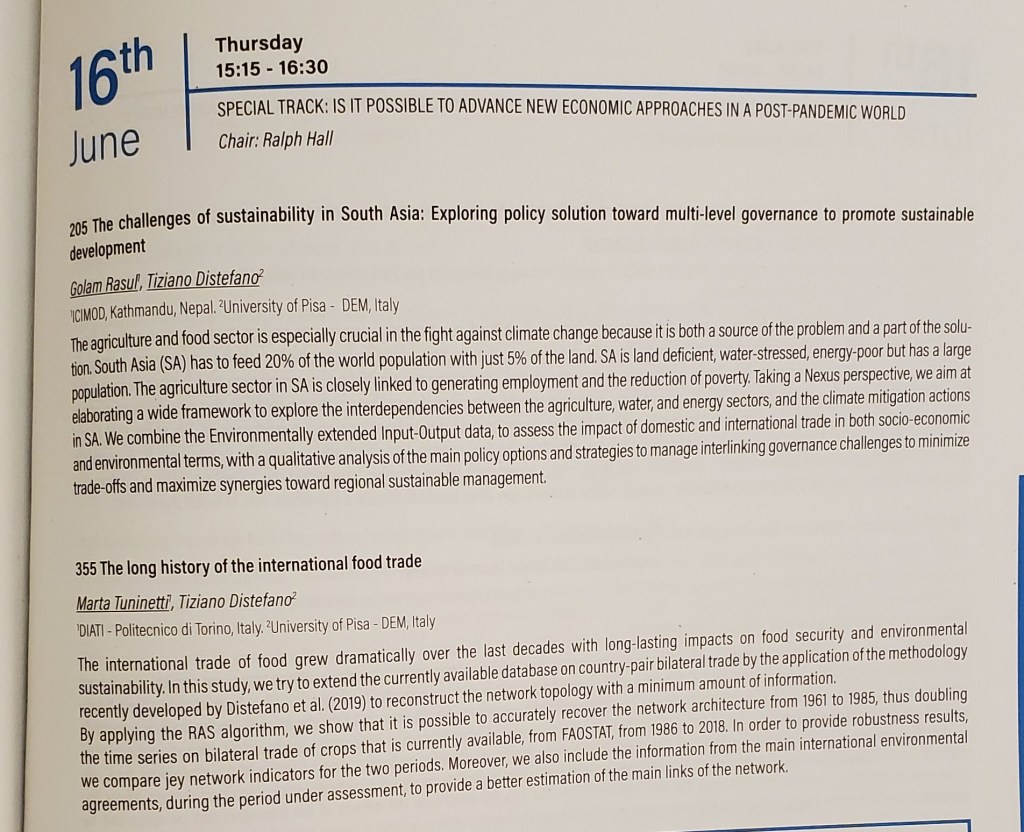
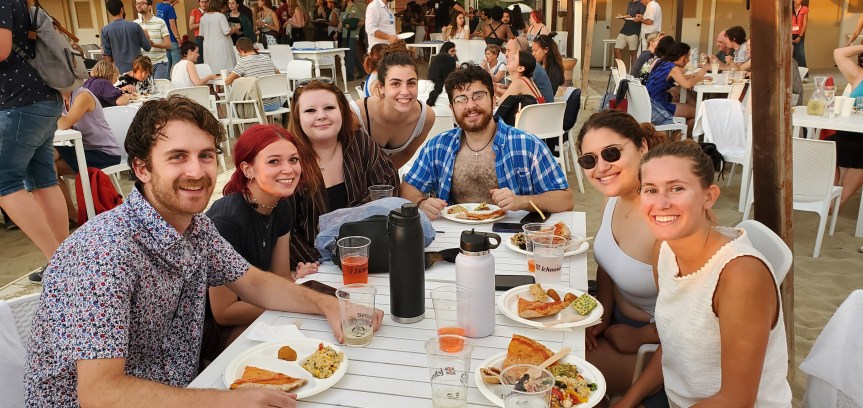
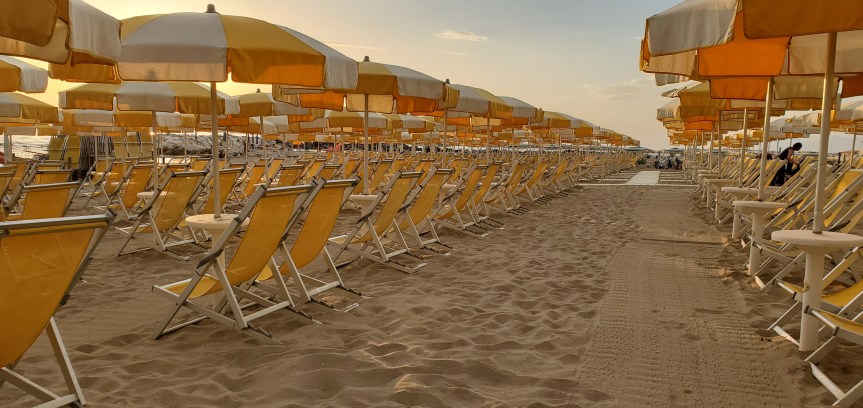
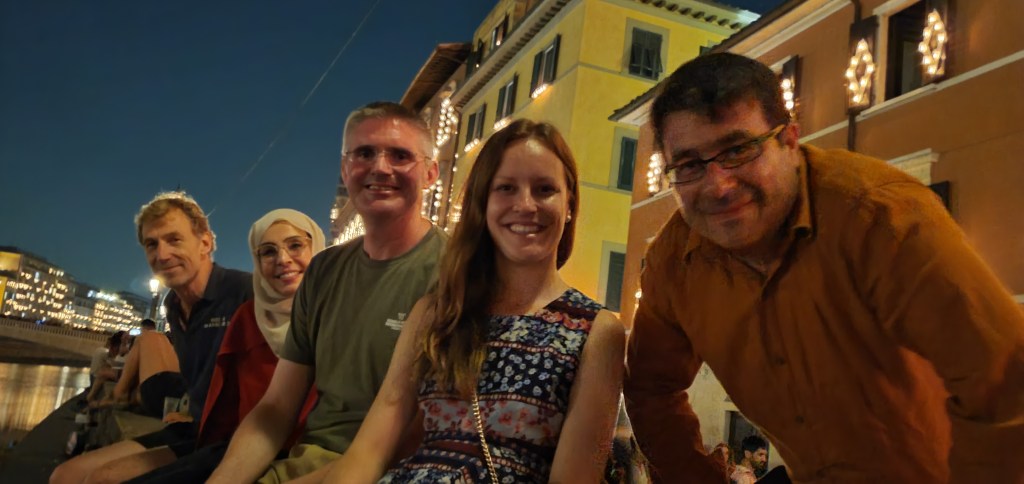
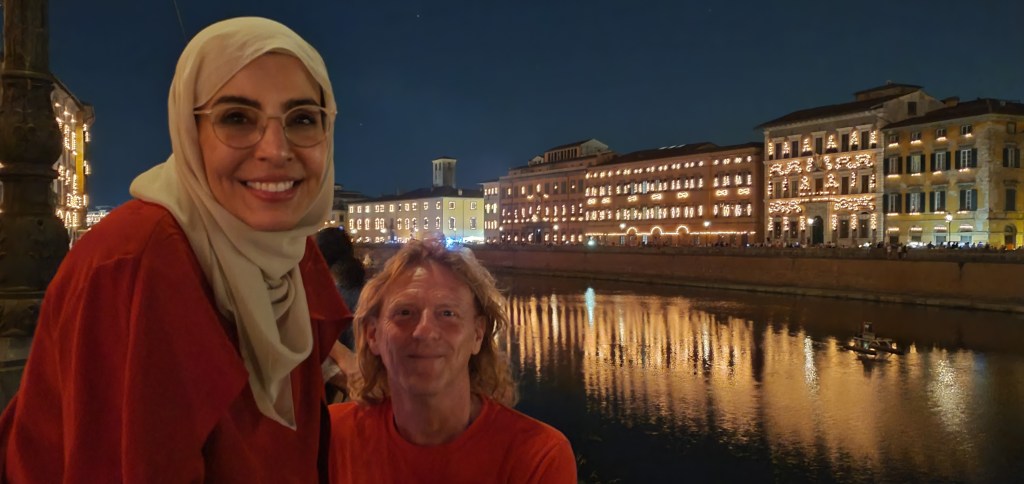
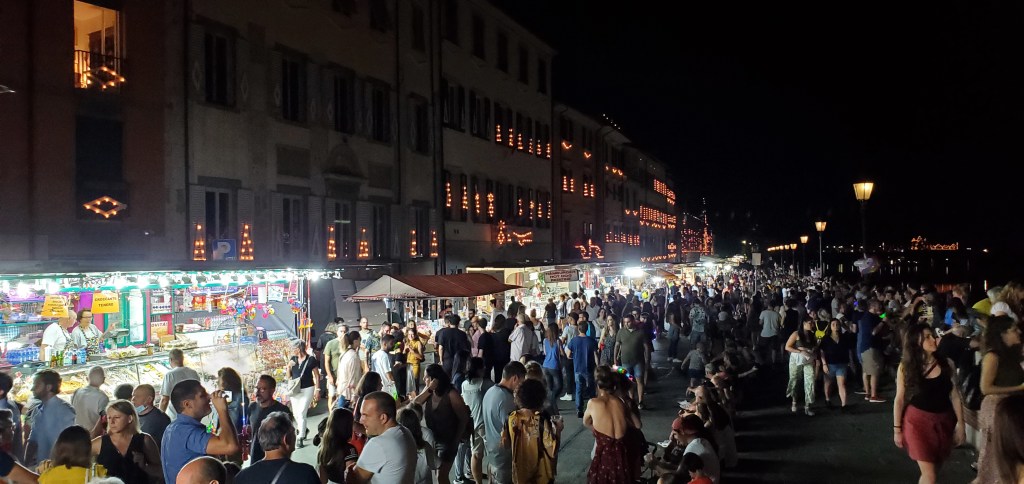
Over the past several weeks, I’ve had the pleasure of leading a study abroad program with colleagues at MIT and the University of Pisa that involved a summer school, an international conference, and a hiking expedition in the Apuan Alps. Since we all survived the experience and had an amazing time in the process, I thought I’d share some pictures/videos from each phase of the program.

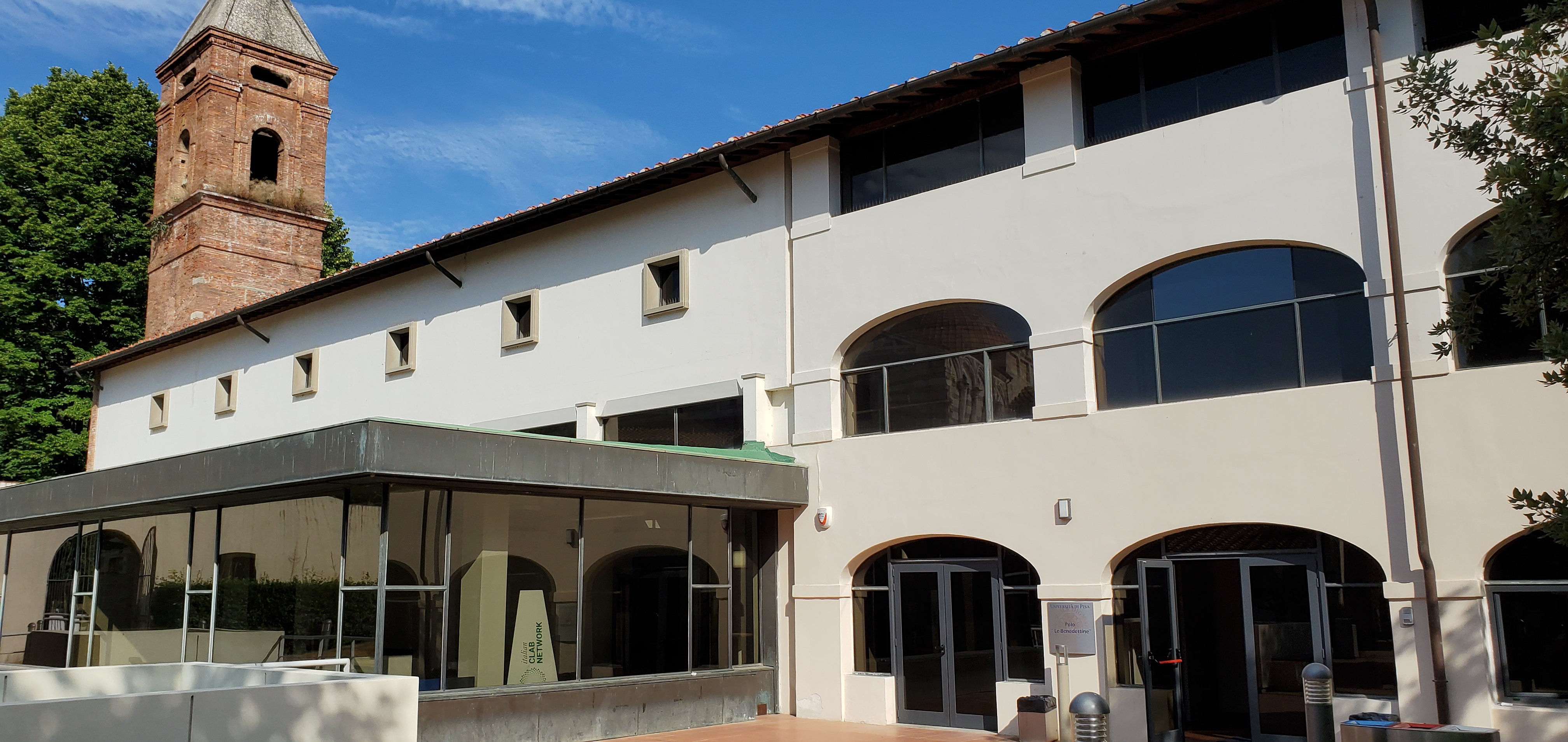
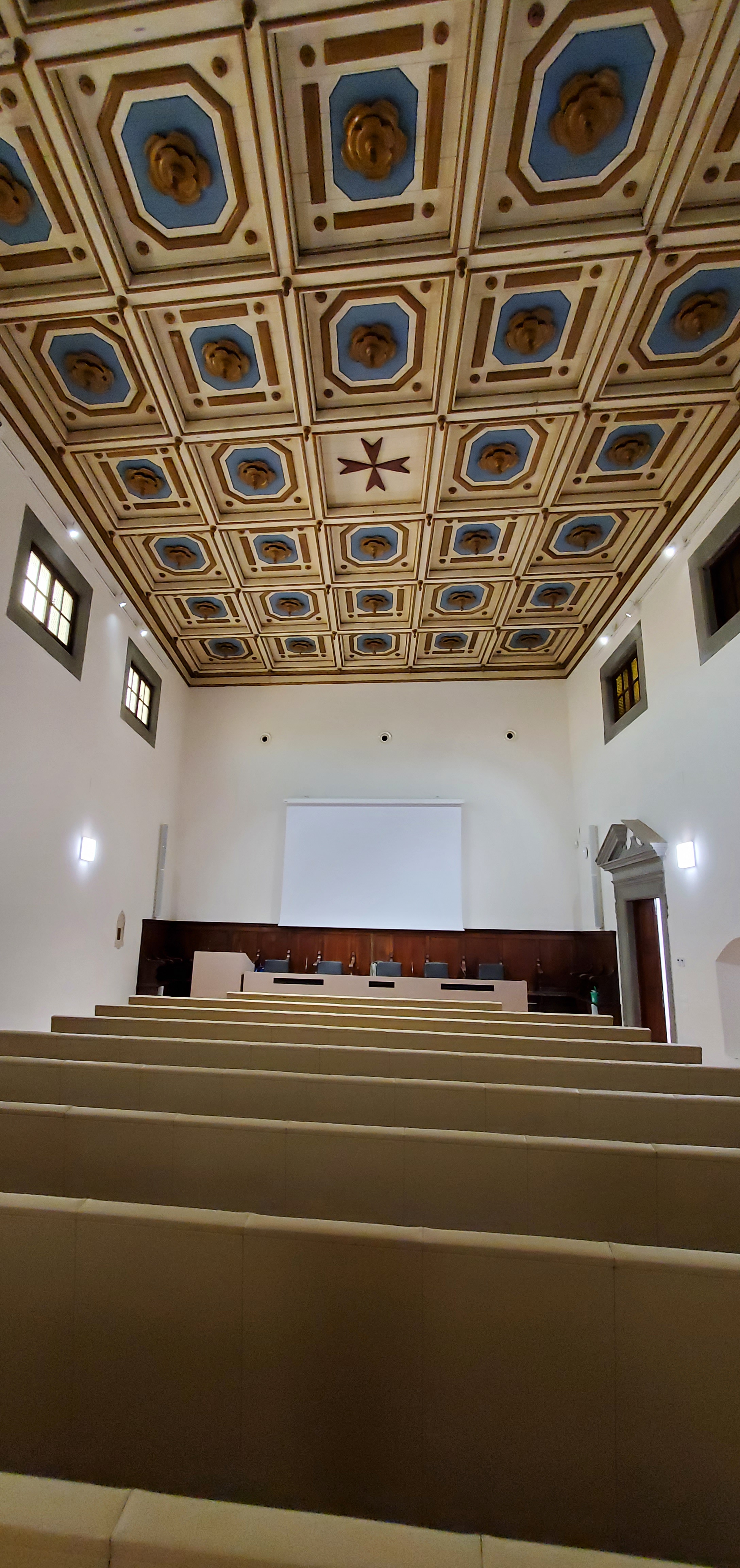
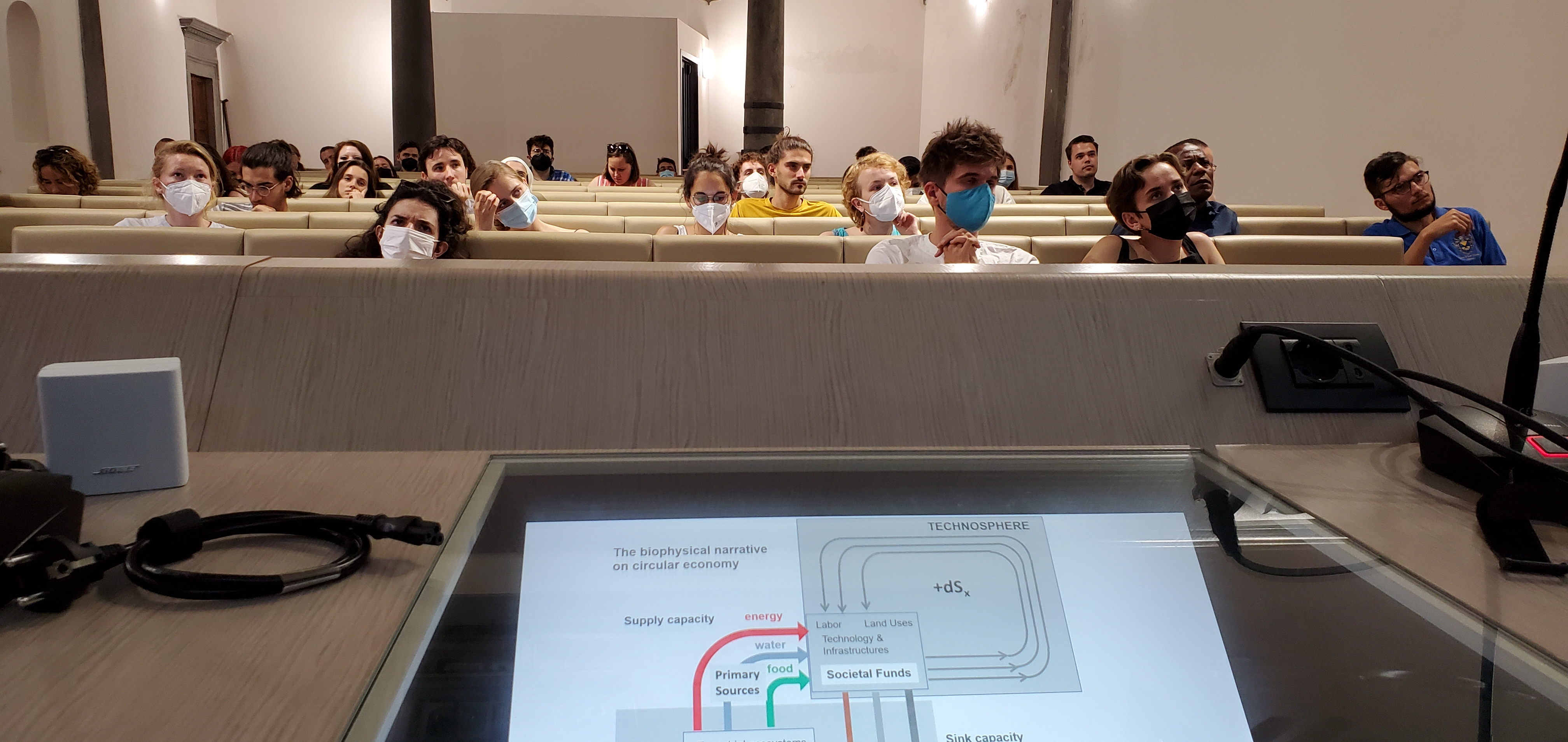
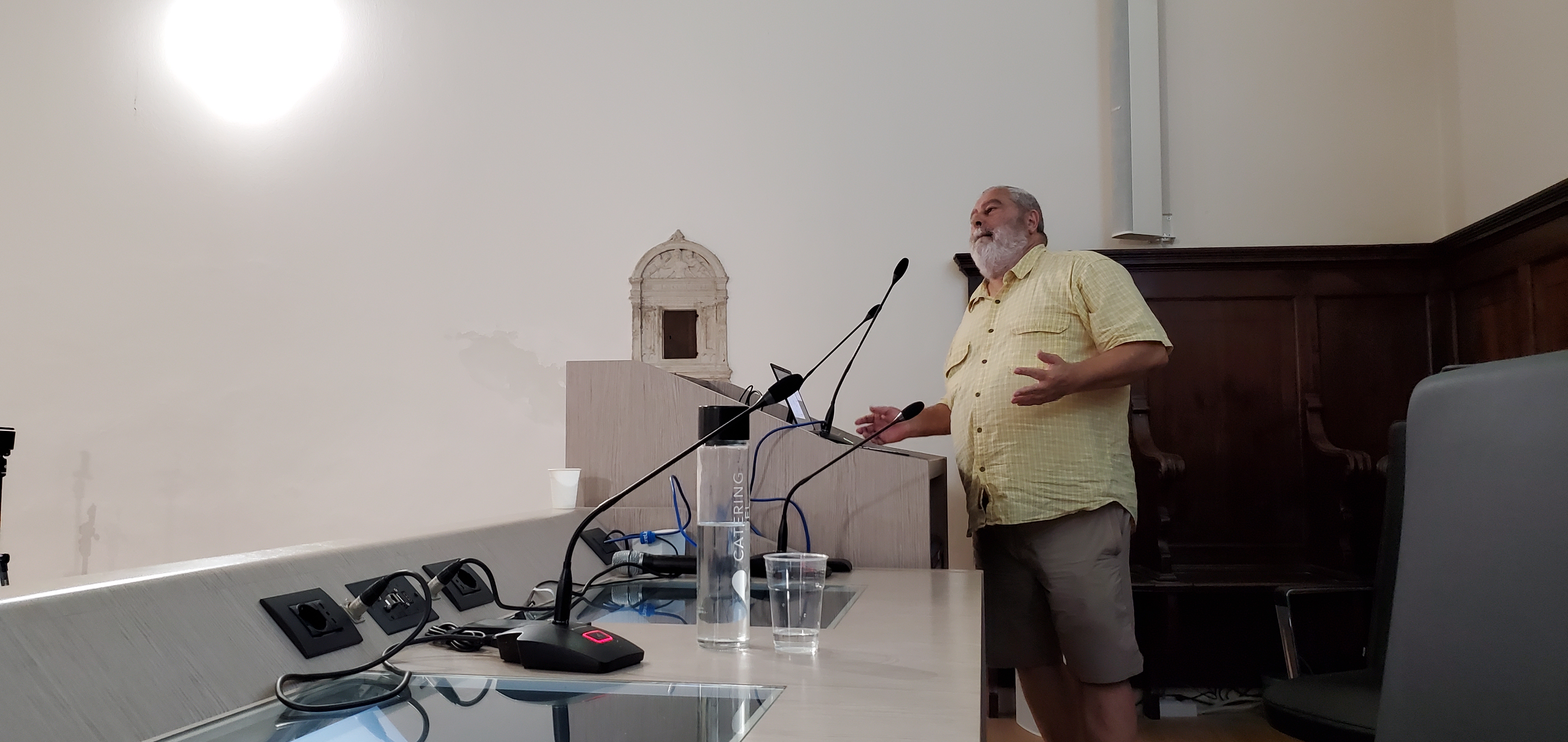
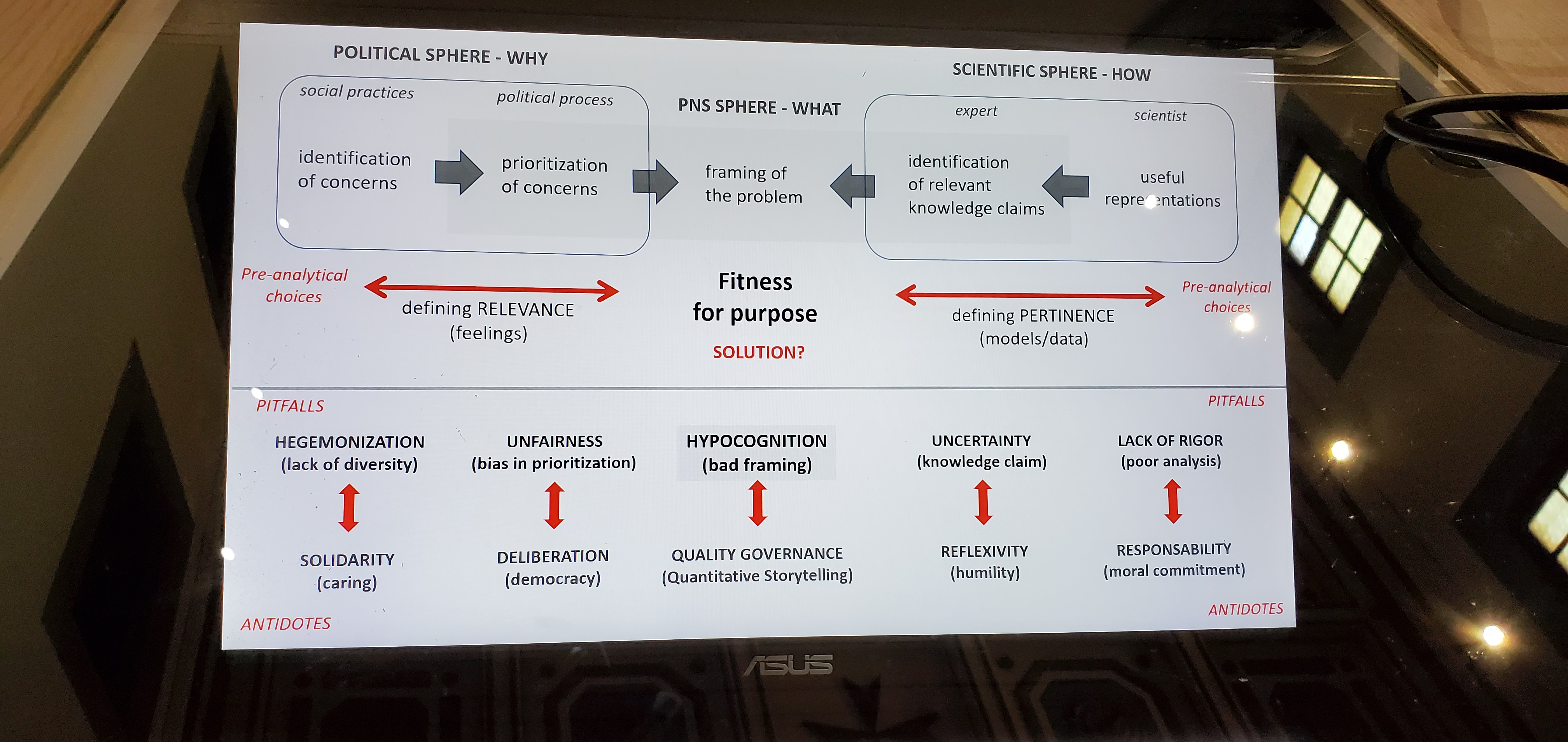
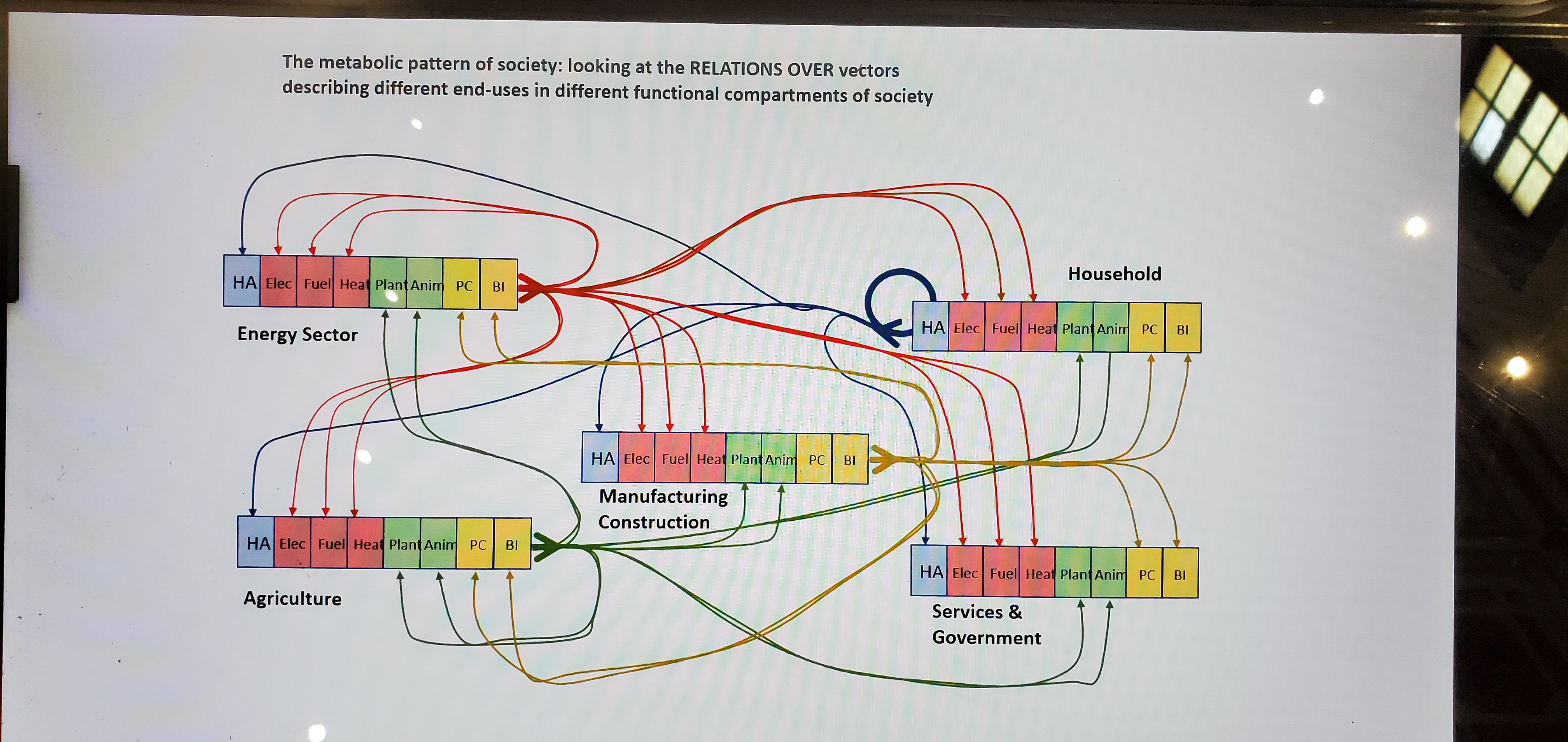
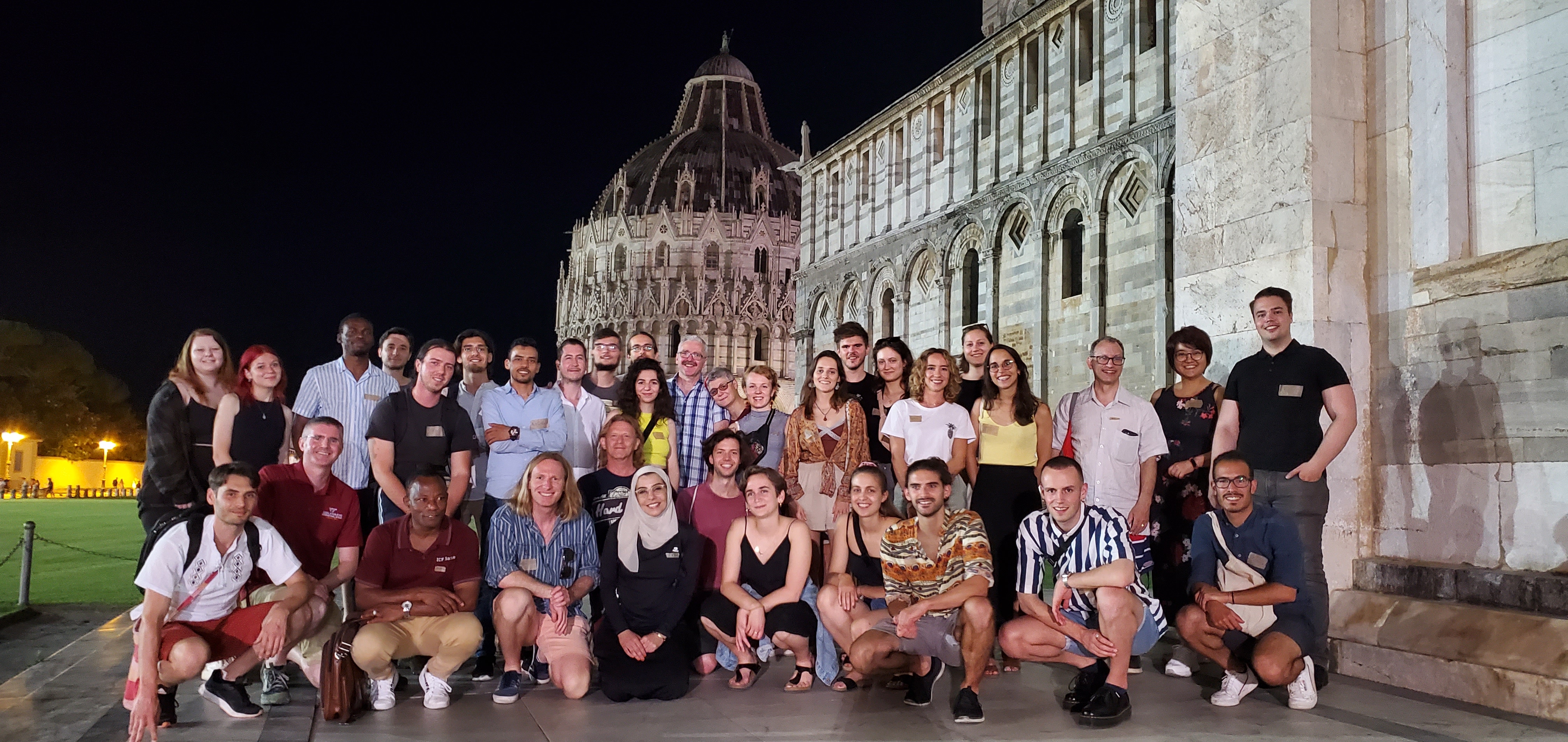
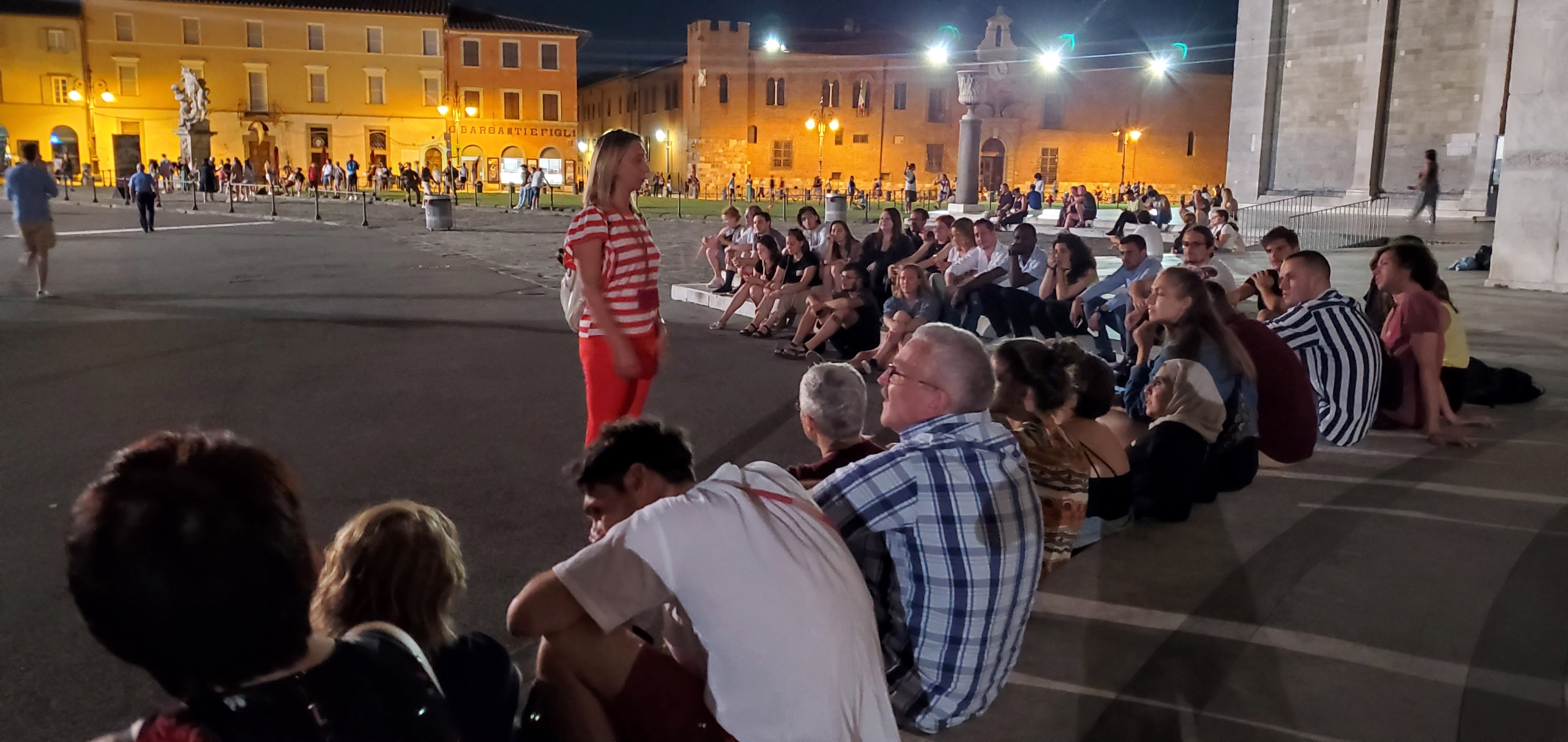
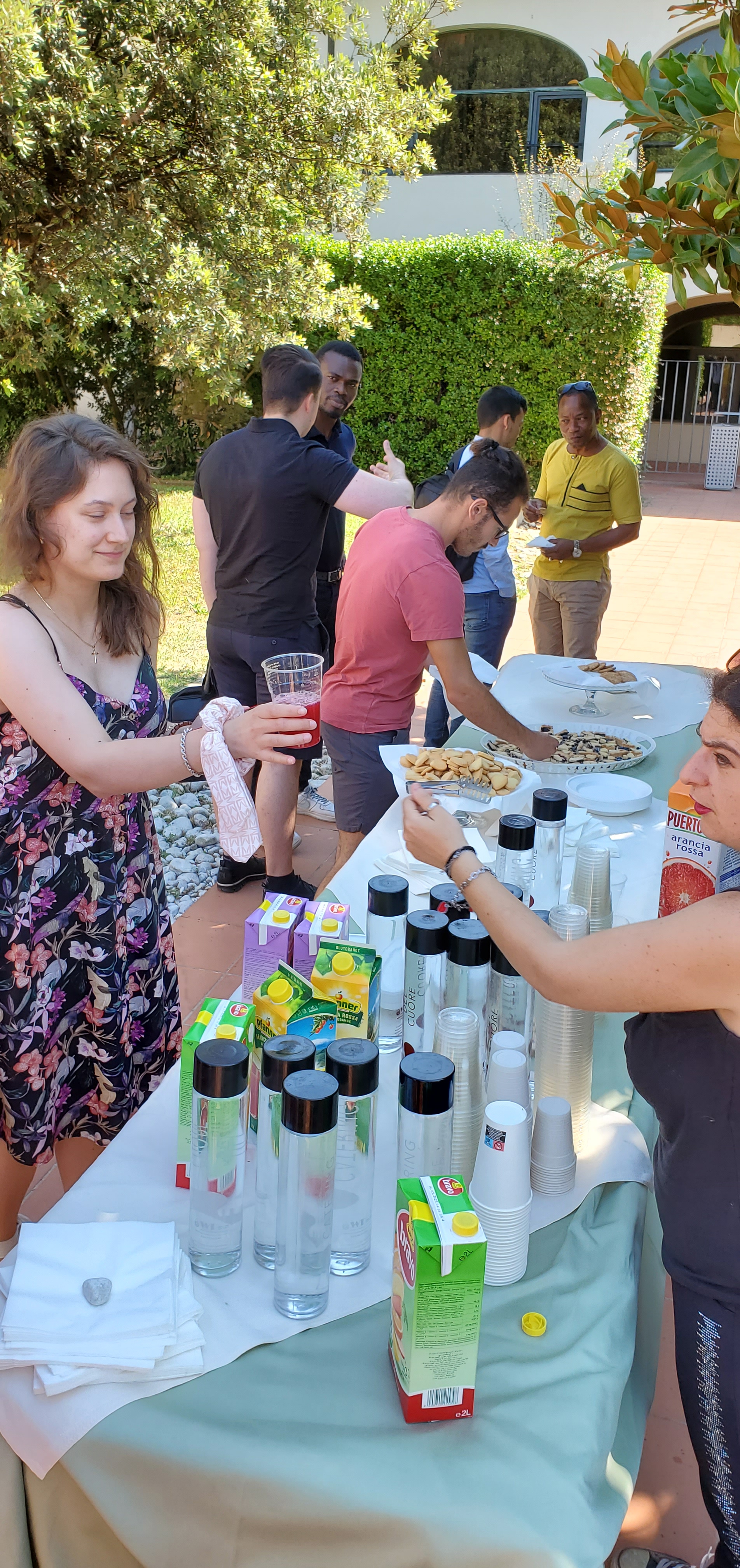
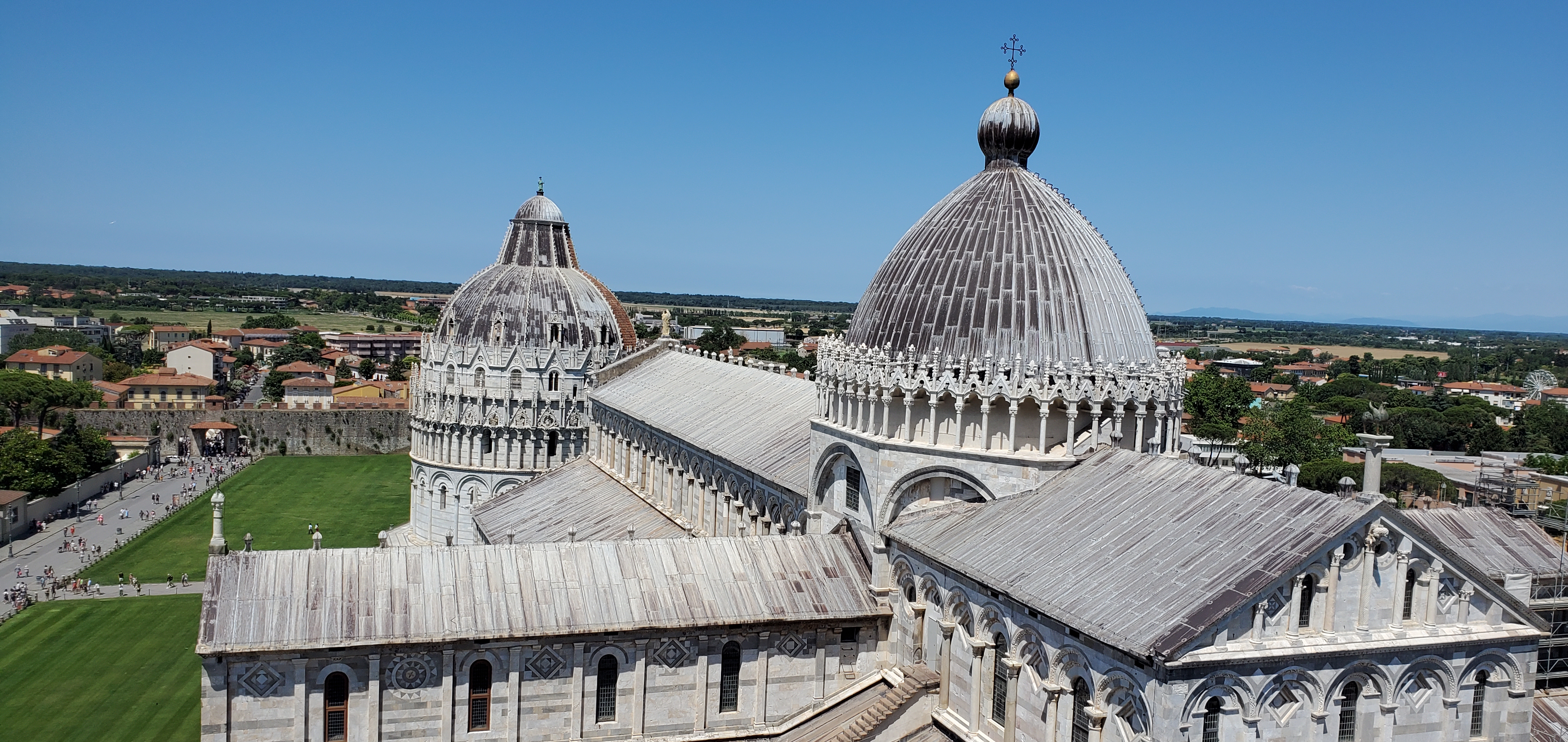
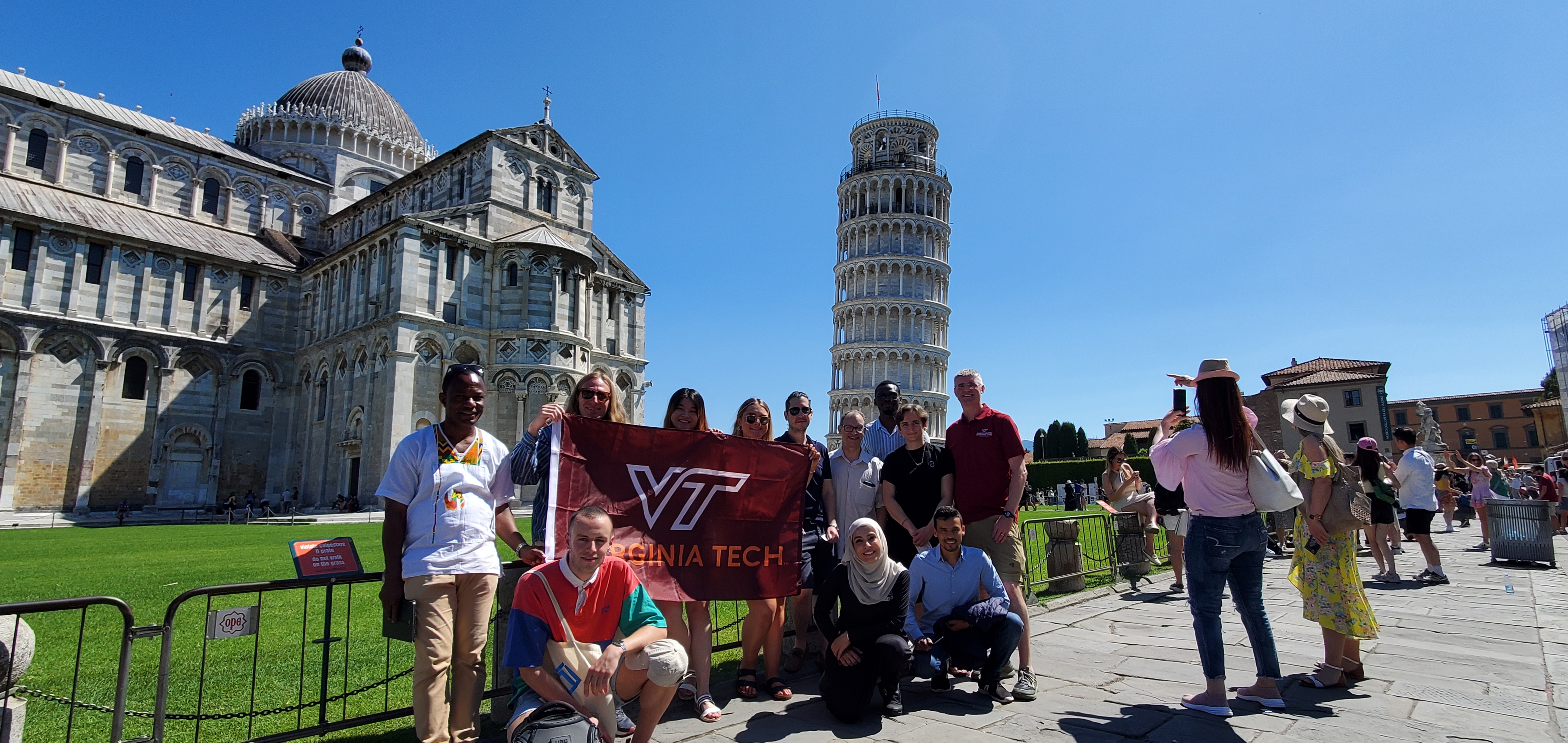
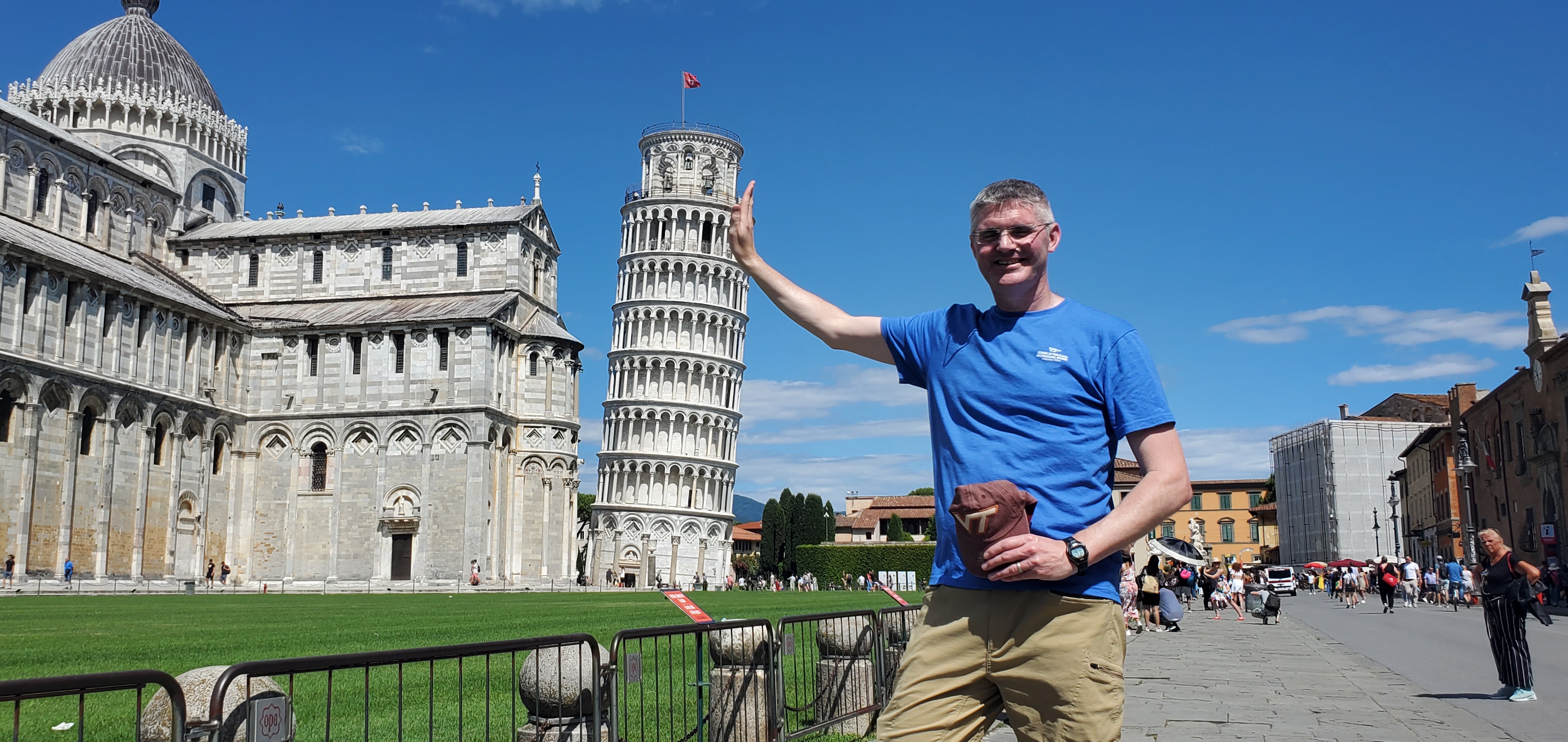
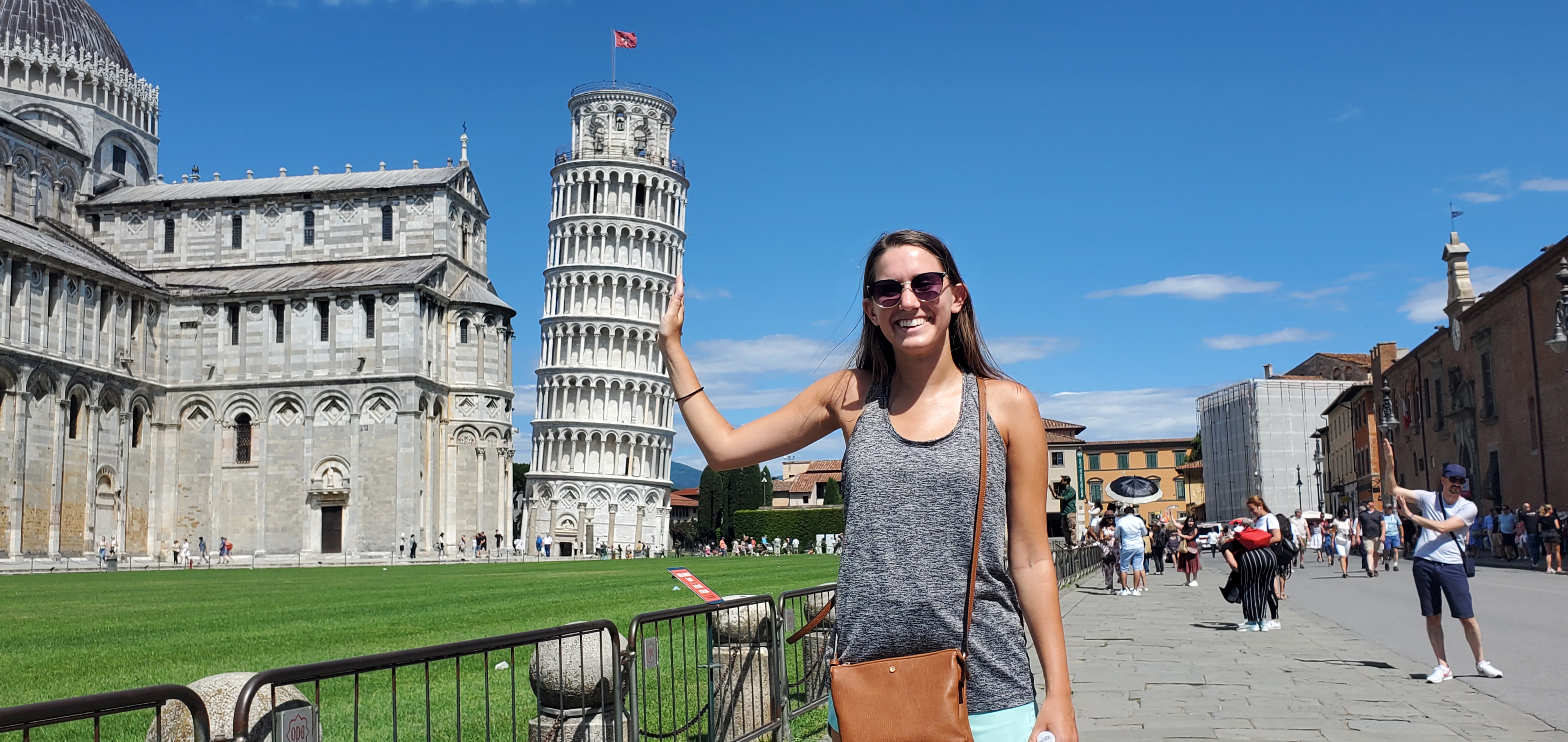
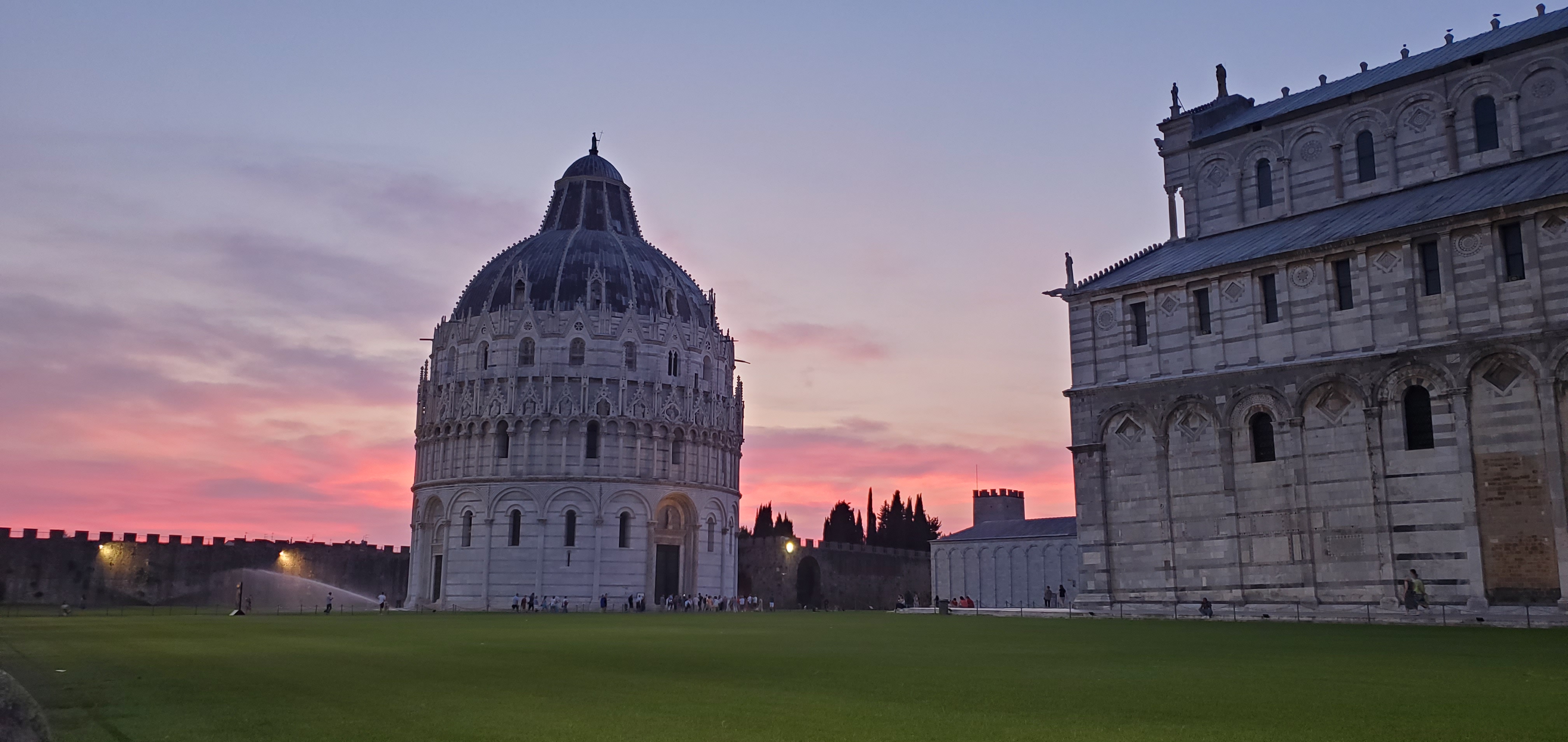
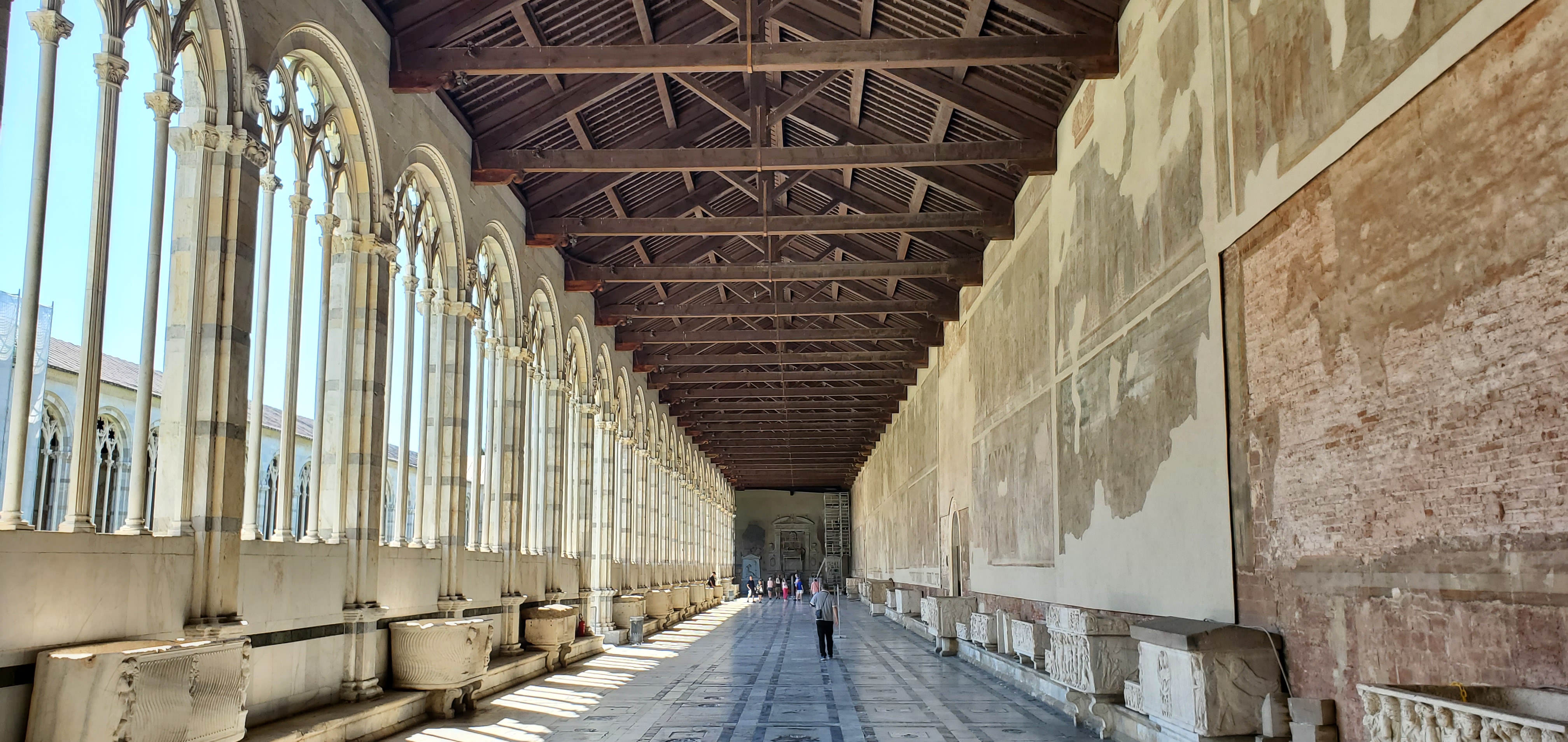
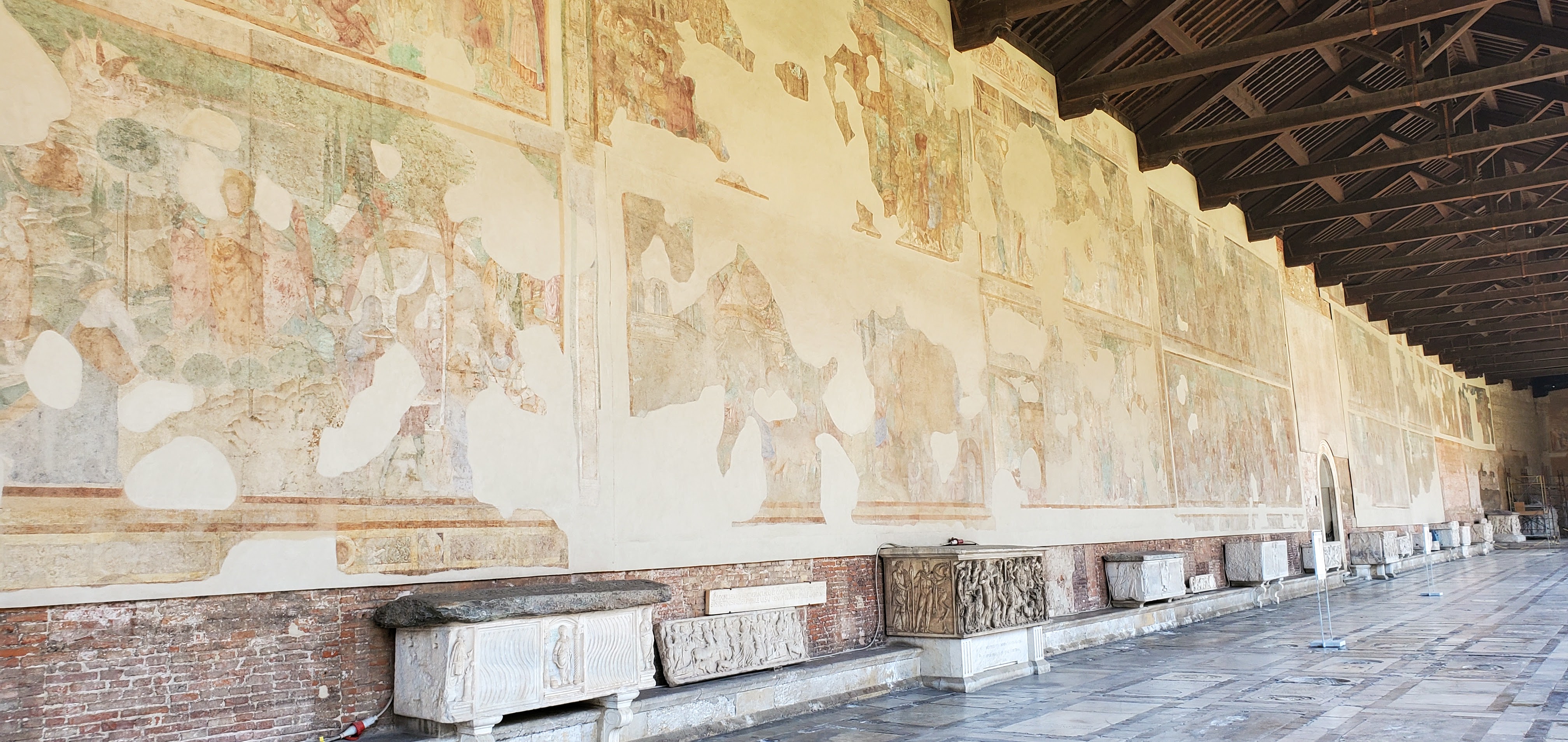
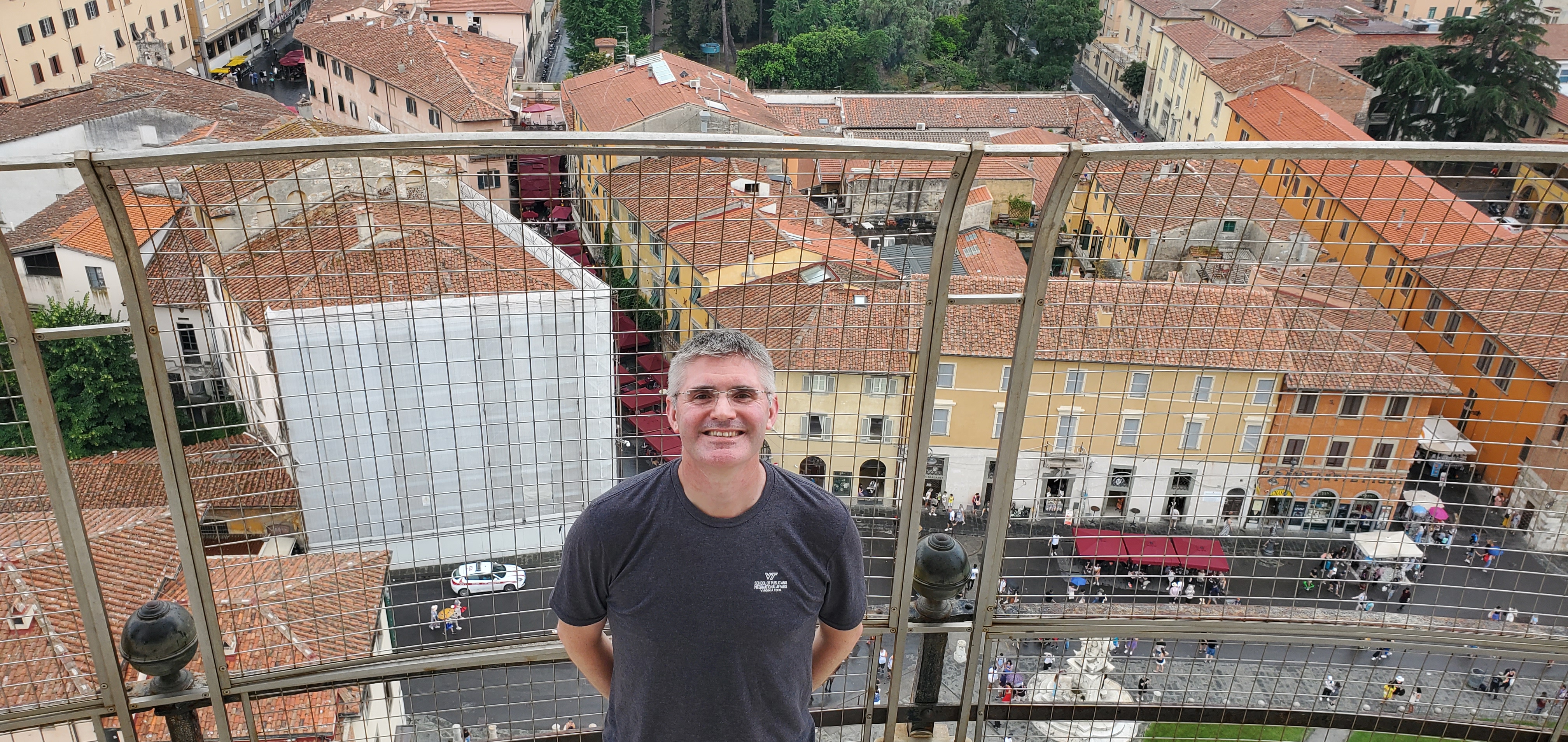
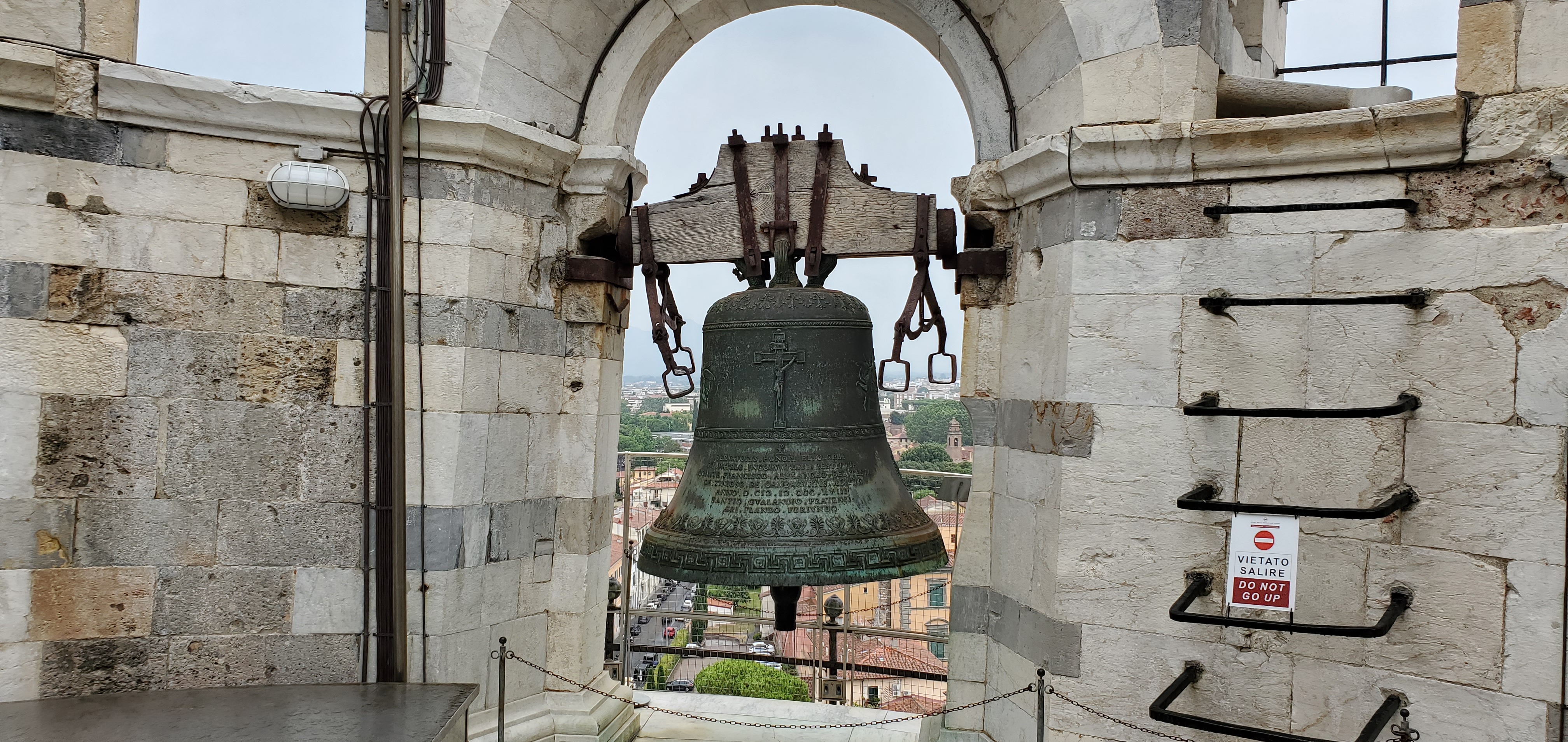
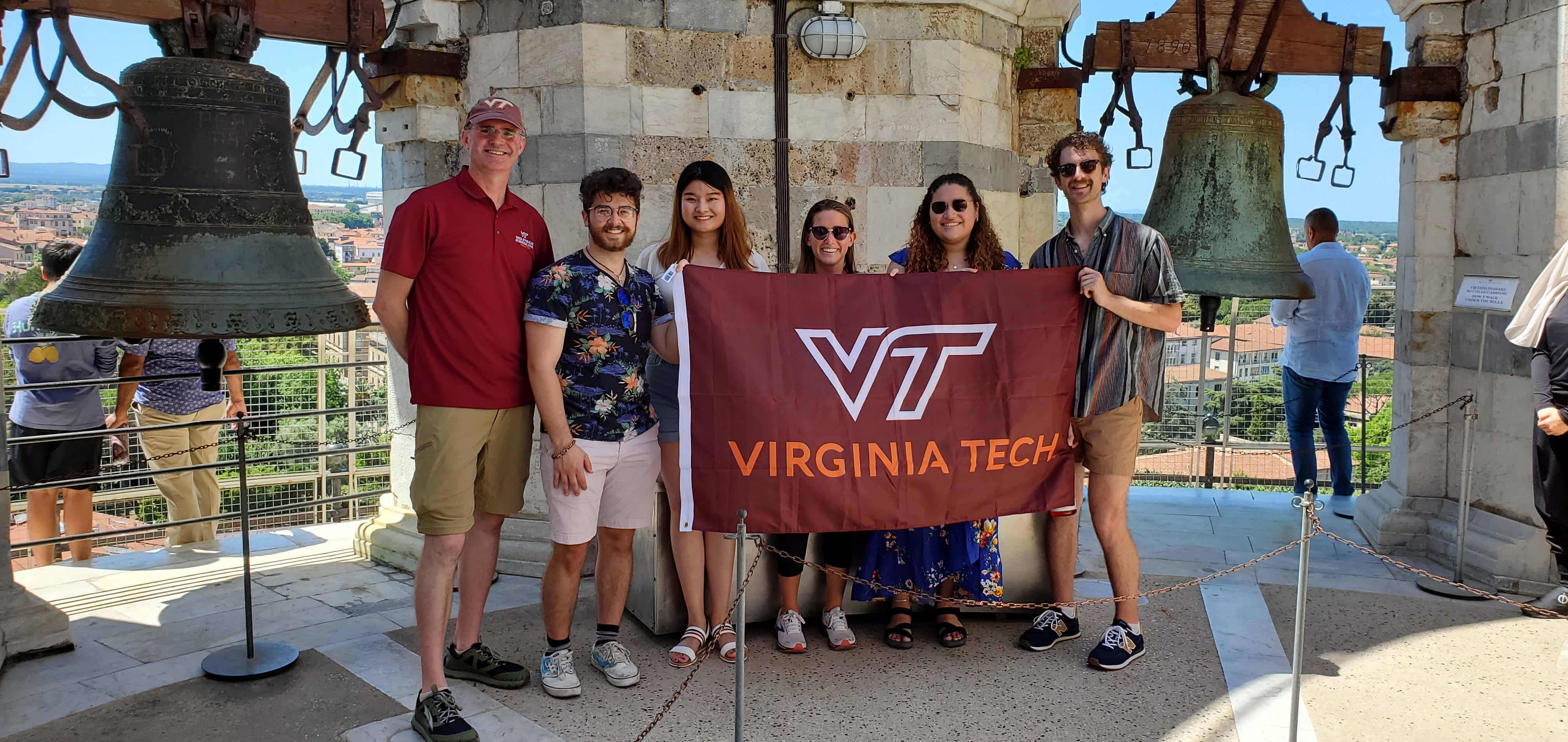
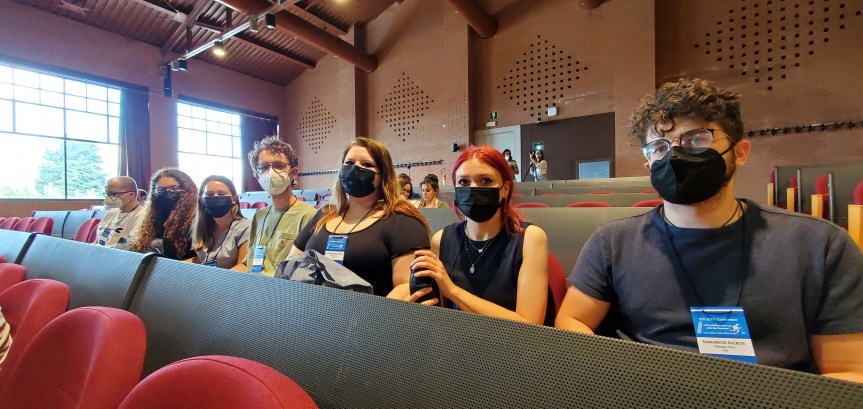
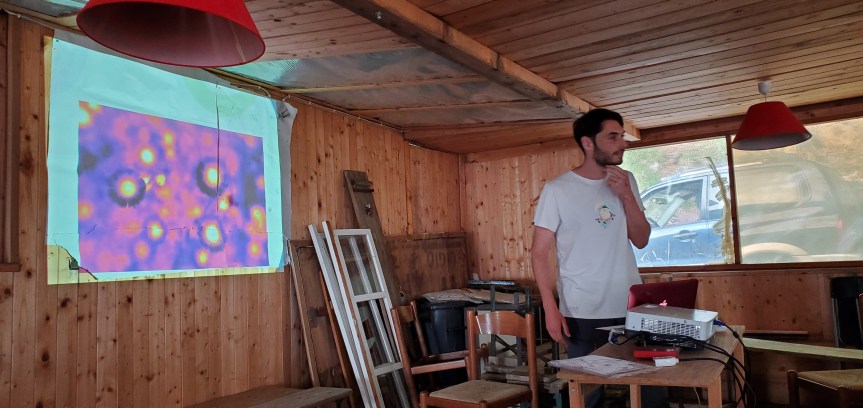
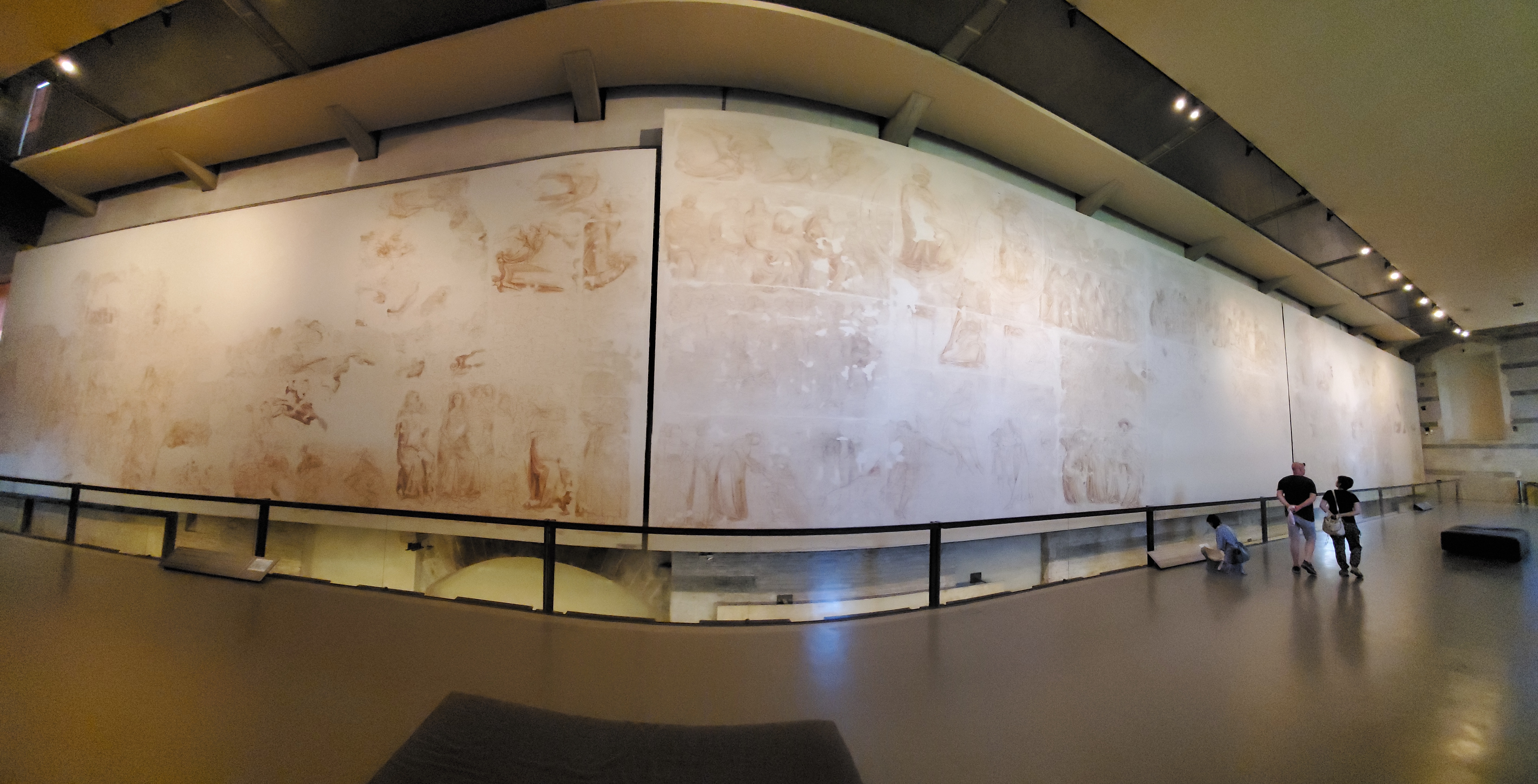
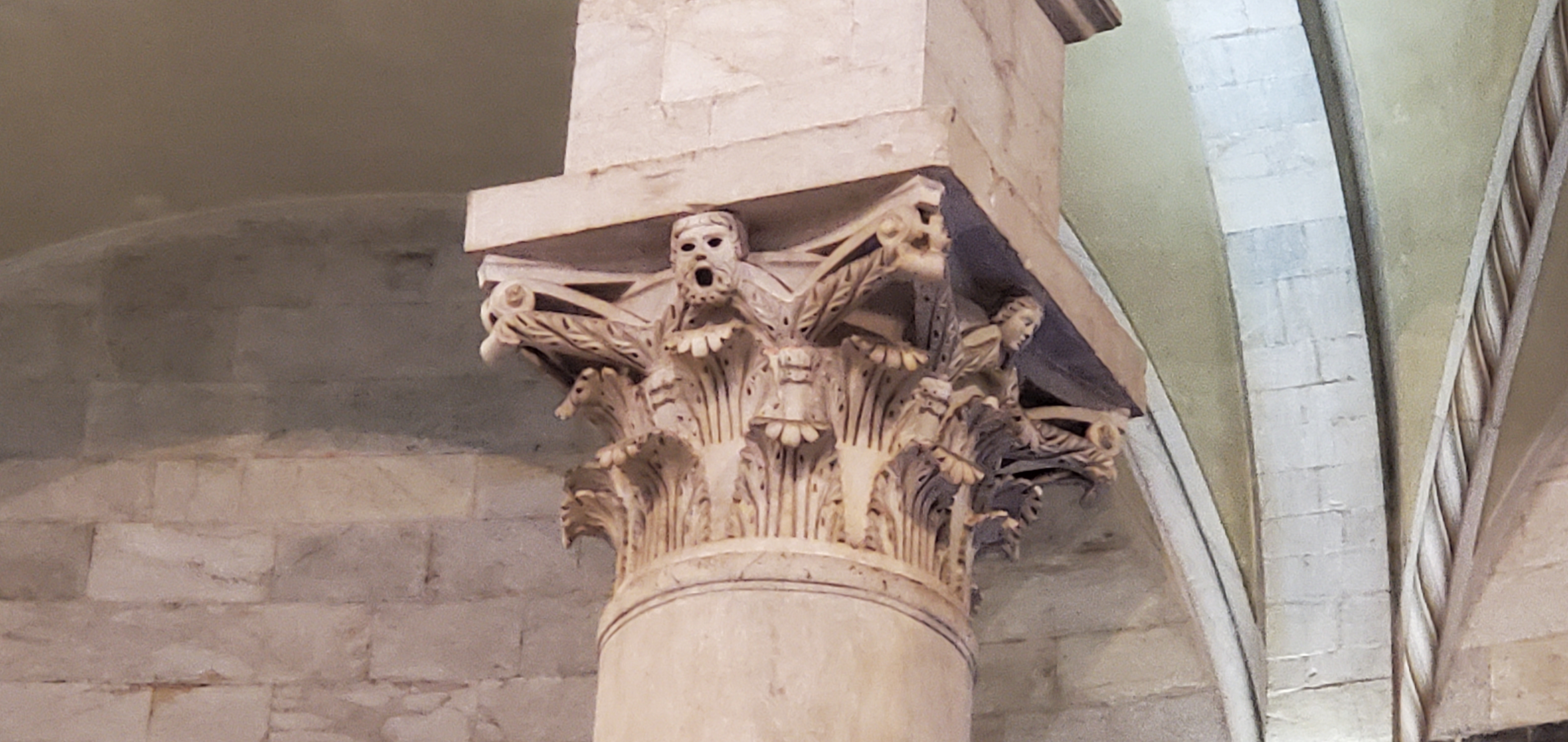
The program began with an intensive summer school at the University of Pisa’s Residence Le Benedettine. The summer school was attended by some 40 students from 20 countries and focused on exploring sustainable transitions in employment, economic welfare, and the environment that build on the roots of ecological economics. The photos below capture a few moments from the summer school, including a trip to the leaning tower of Pisa and cathedral complex.
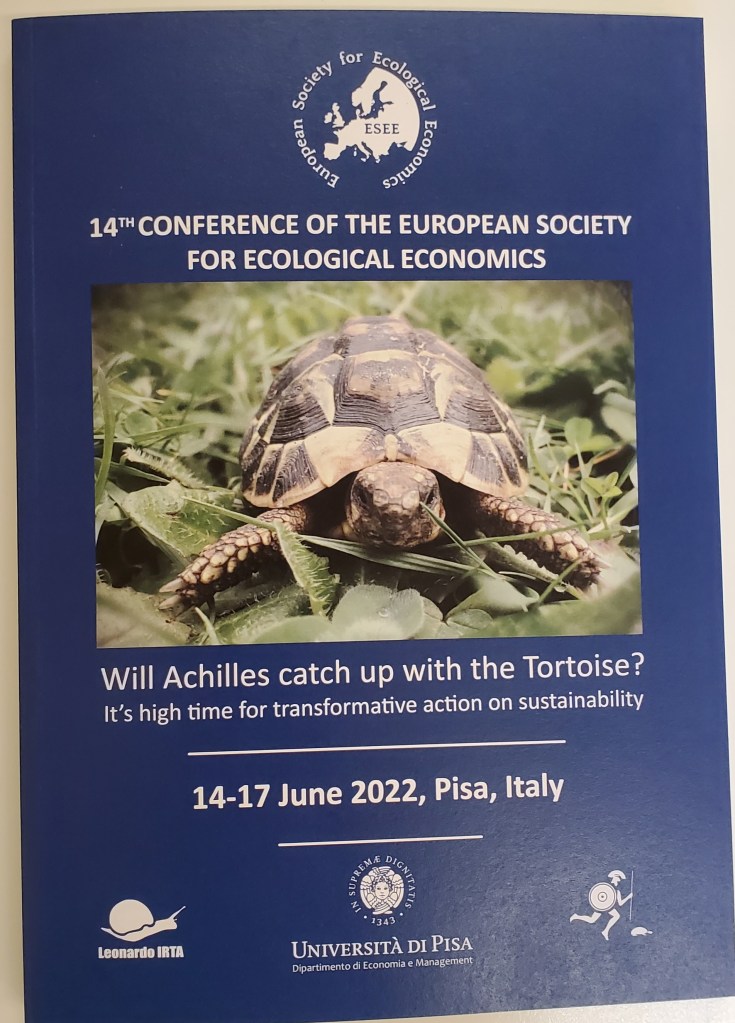
During the second phase of the program, students attended the 14th Conference of the European Society for Ecological Economics (ESEE). The video to the right captures the chamber ensemble “I Bei Legami” performing a piece during the opening ceremony of the conference. This music was the soundtrack of the study abroad program – enjoy!

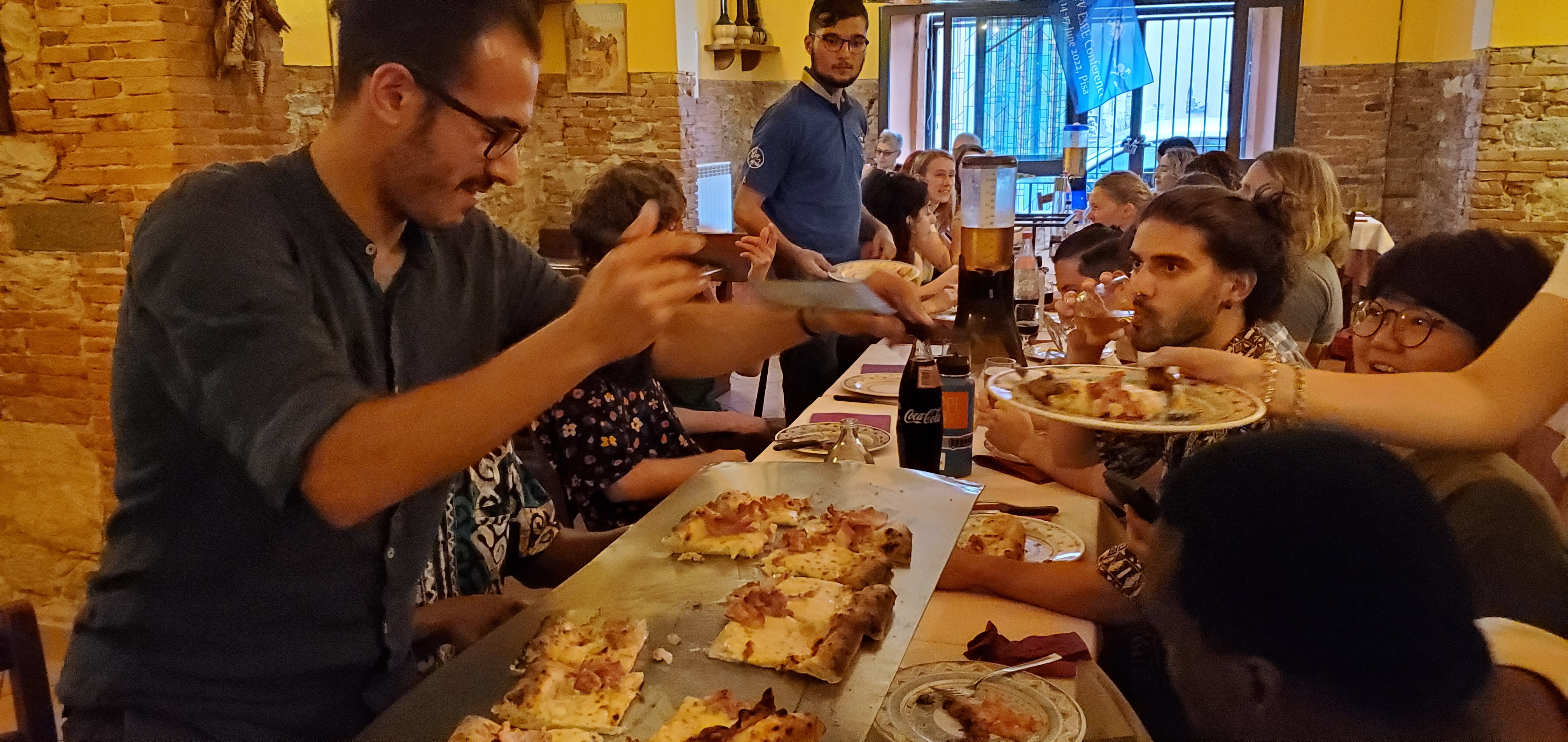
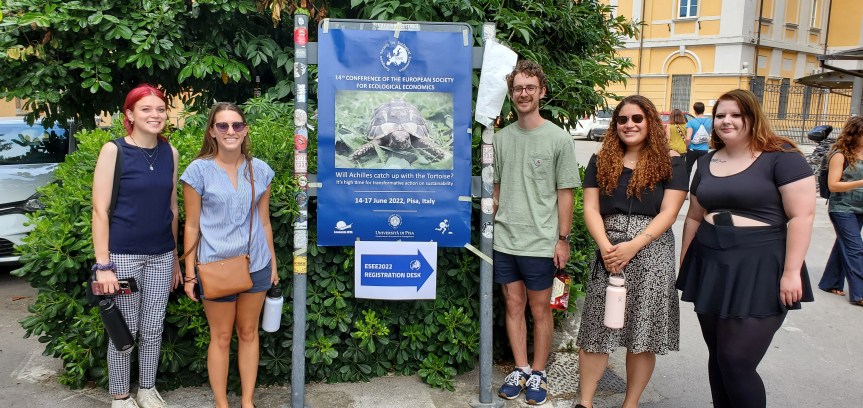
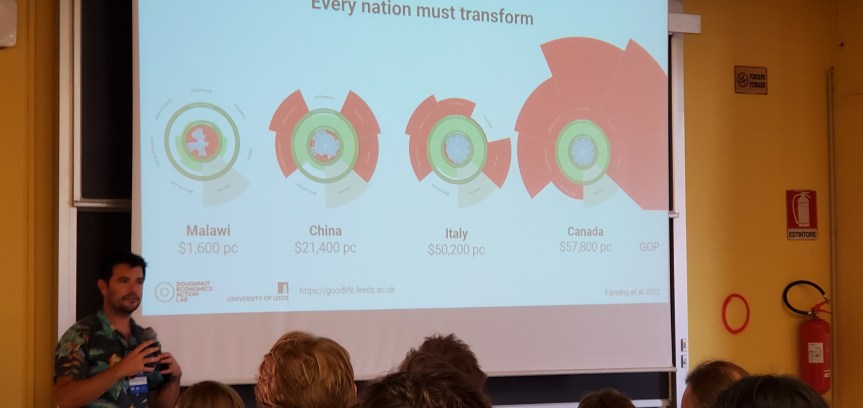
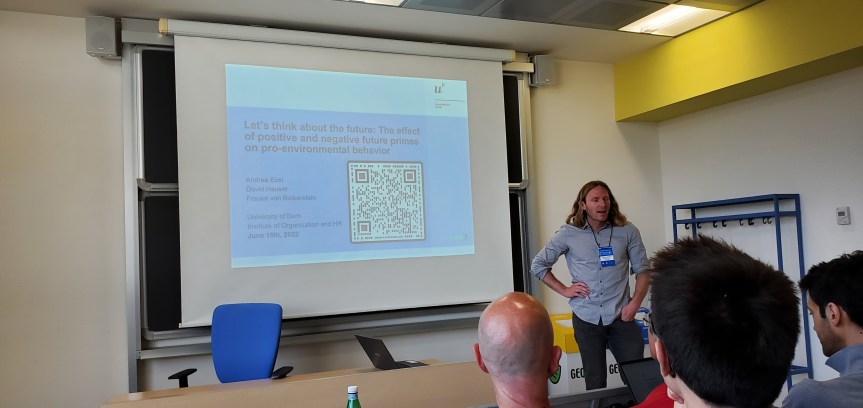
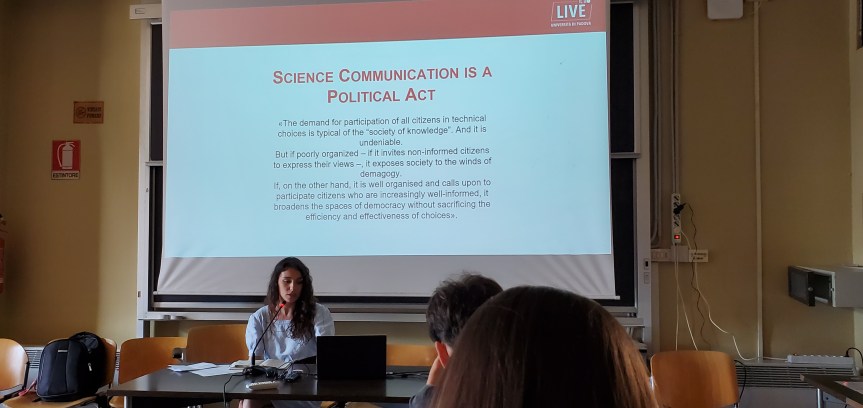
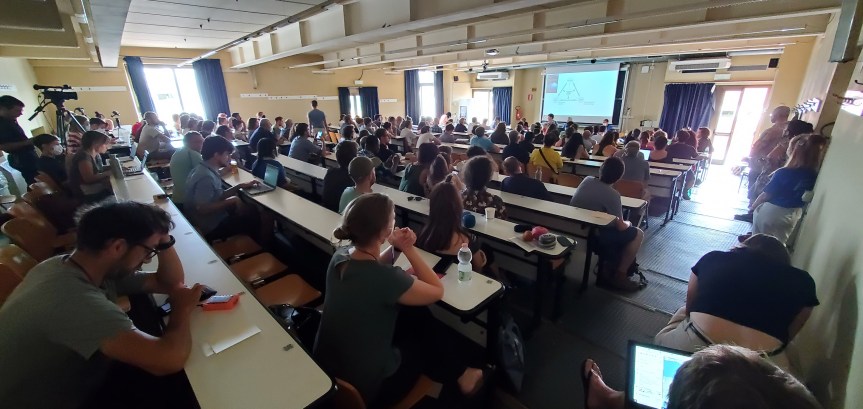
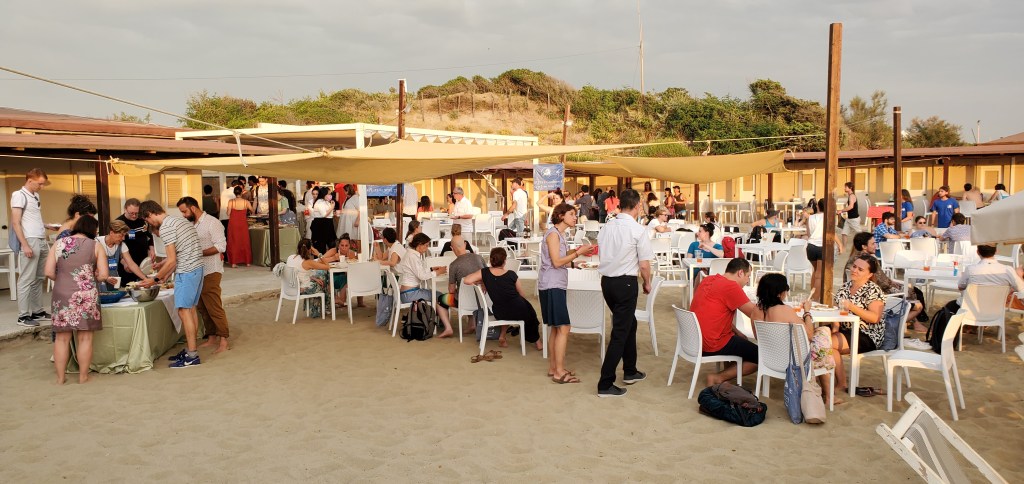
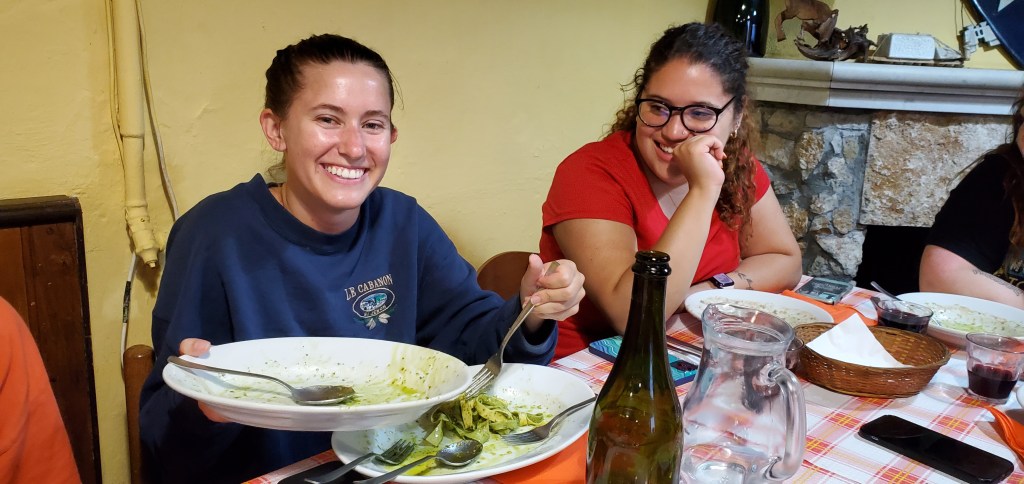
Since the majority of students attending the summer school were enrolled in doctoral programs, many of them presented their research during the conference. This also meant the summer school teaching faculty could attend their sessions and return the favor of asking difficult questions 😉 The conference also included a social dinner at the Big Fish Restaurant in Marina di Pisa, about 20km from Pisa. I have included several pictures from this dinner below, after a few pictures from the conference.

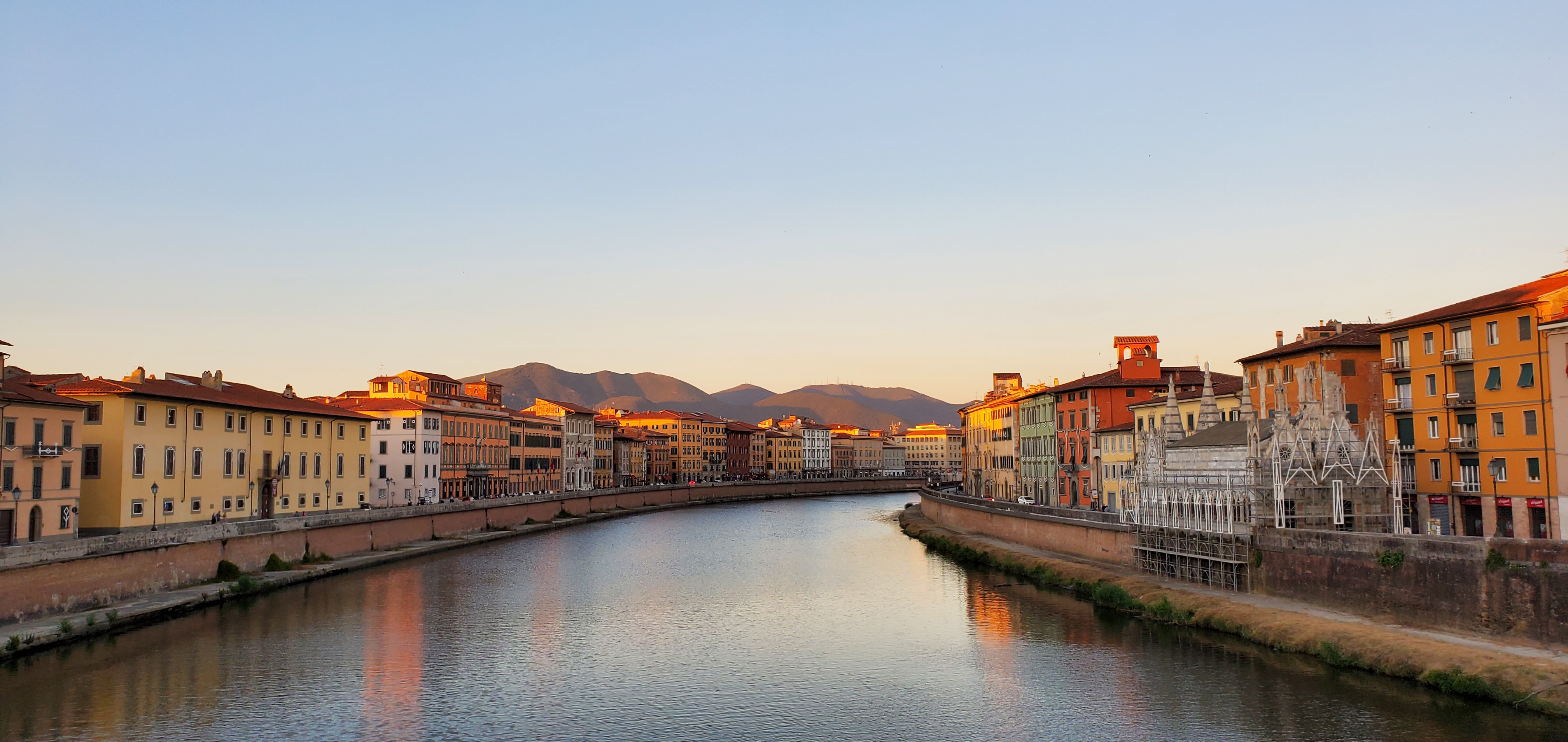
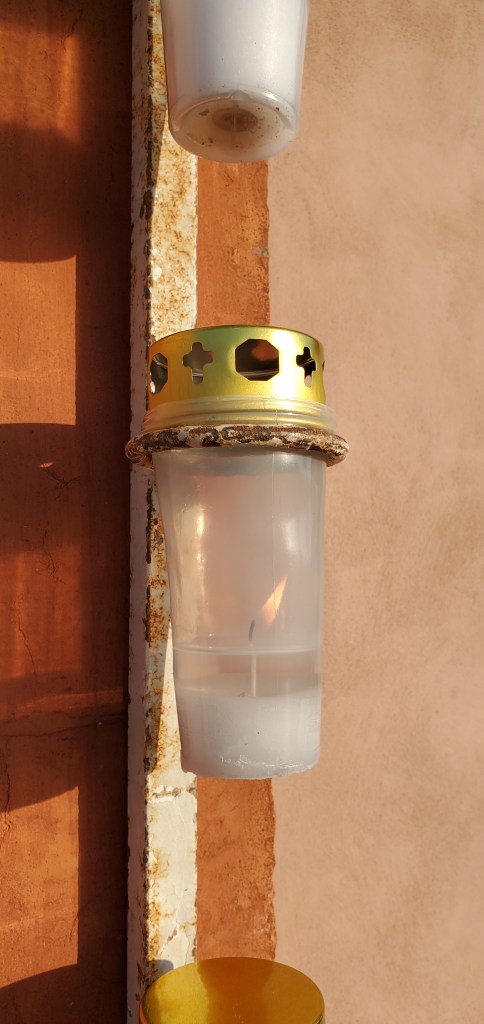
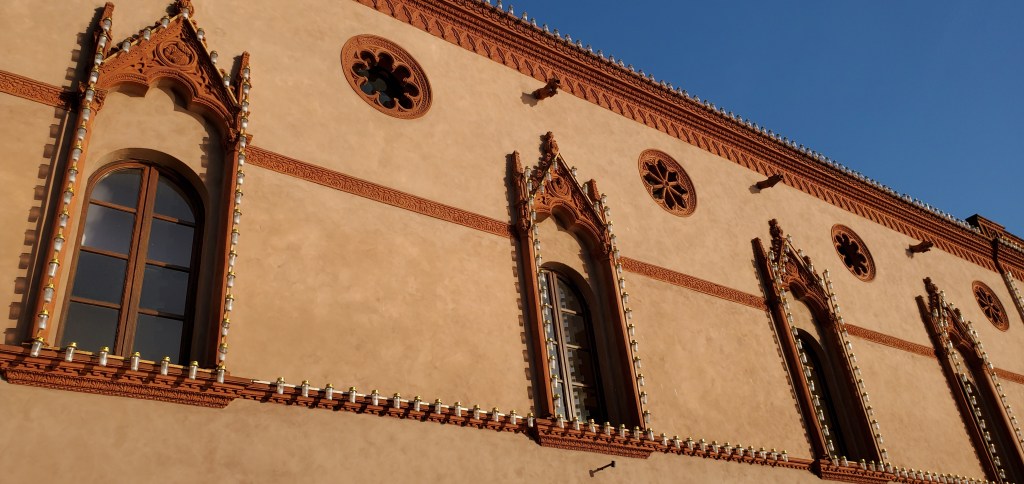
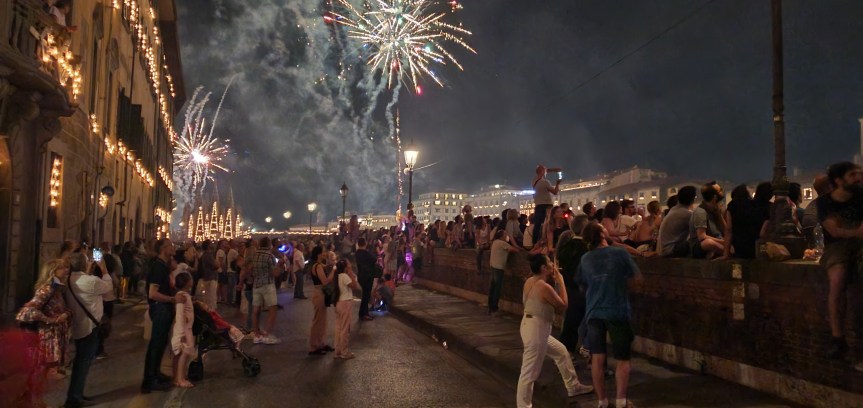
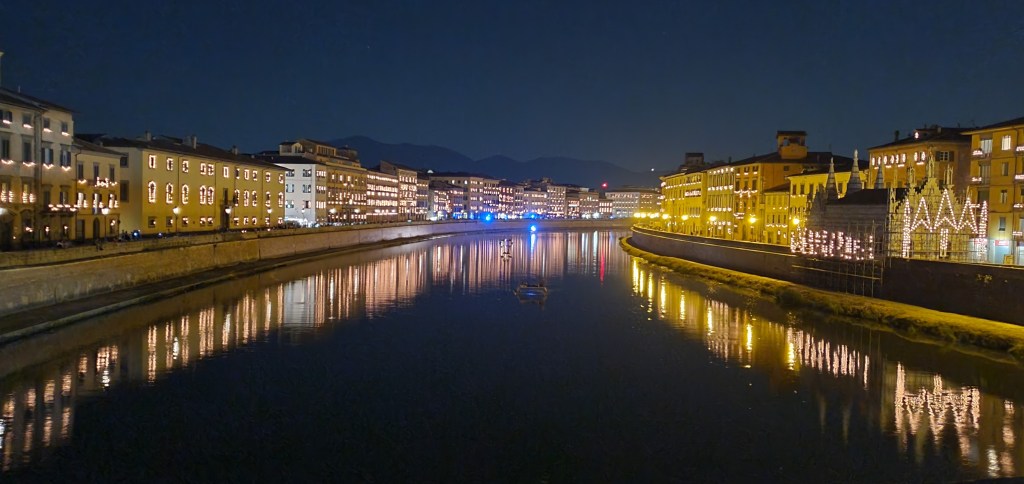
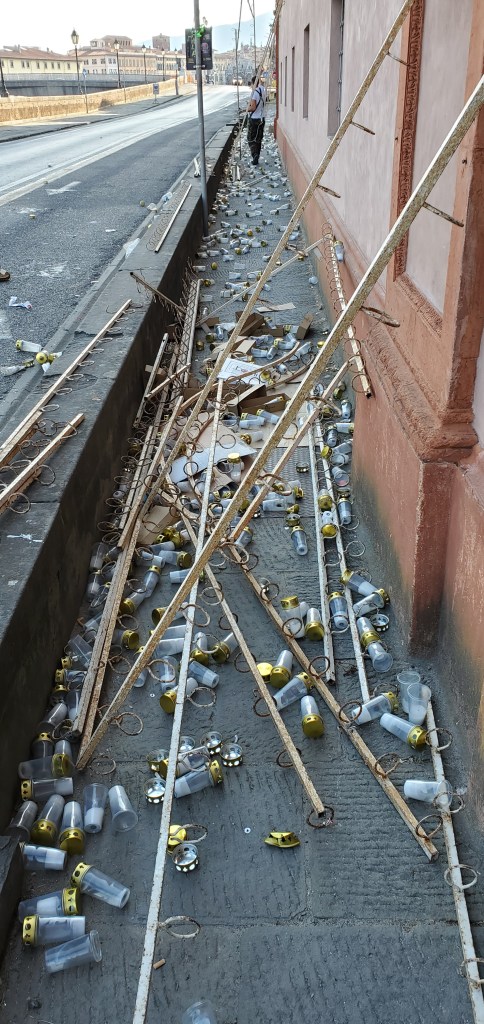
A unique event that occurred during the conference was the Luminara of San Ranieri, which involved the lighting of some 70,000 candles on the facade of buildings along the river running through the city of Pisa. This event also included a 30-minute fireworks display that was among the best I have experienced.

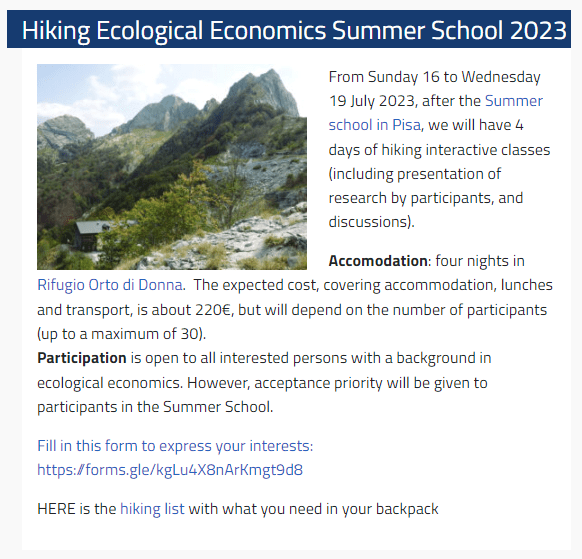
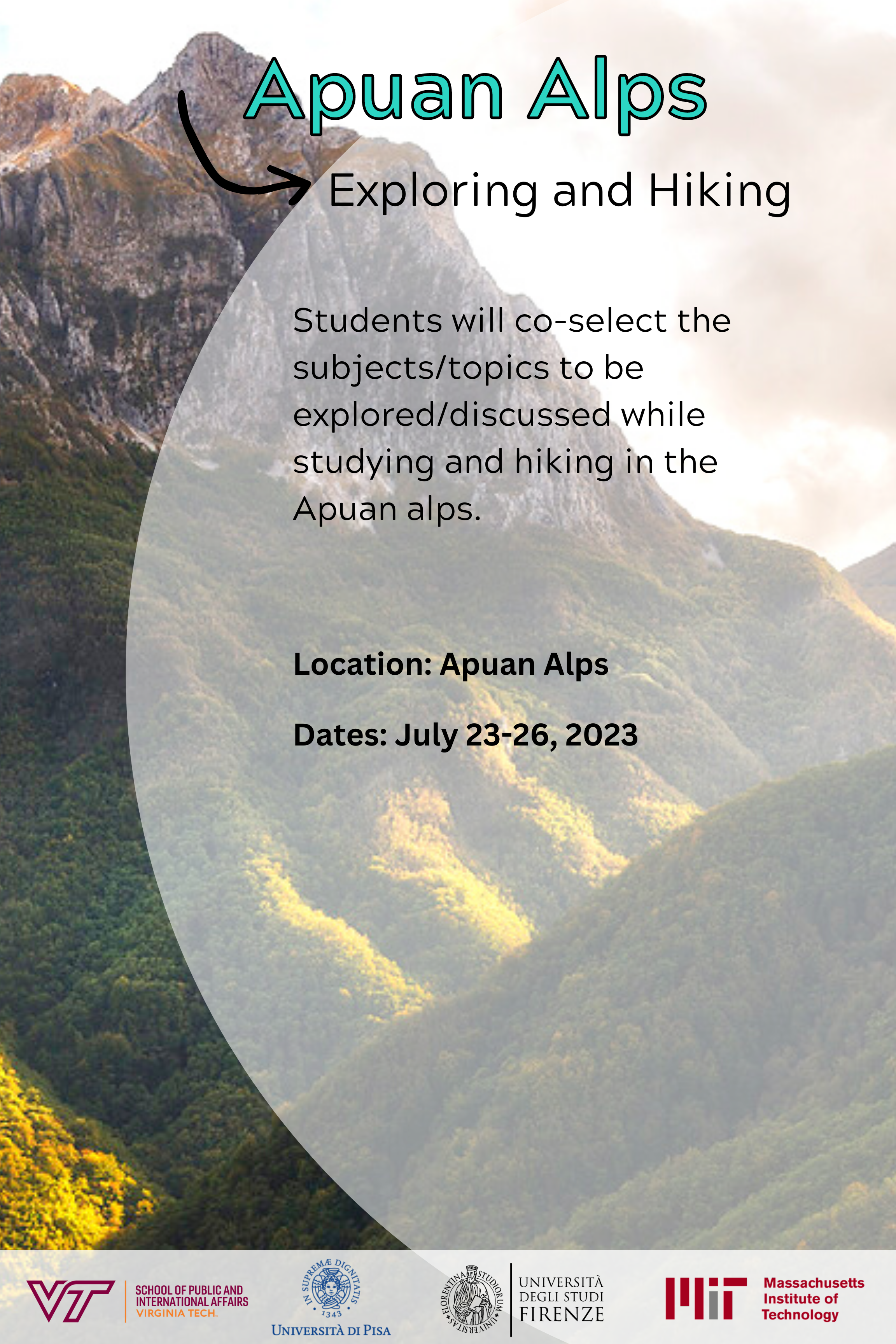
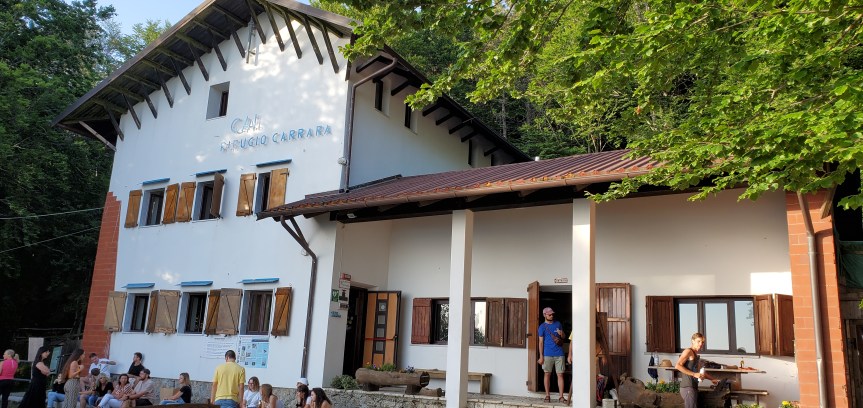
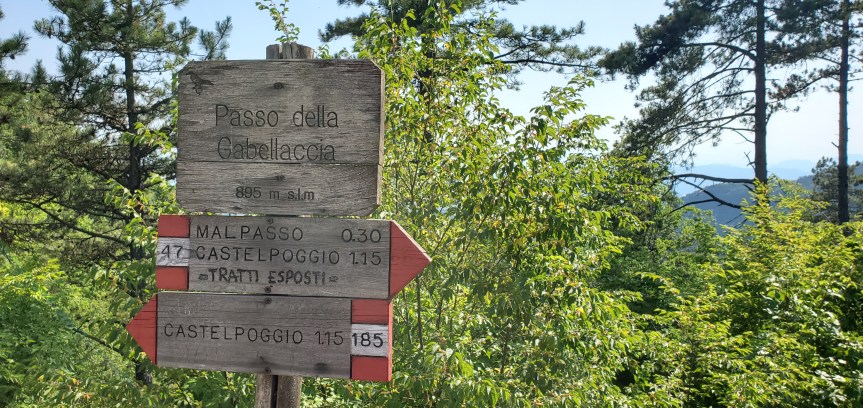
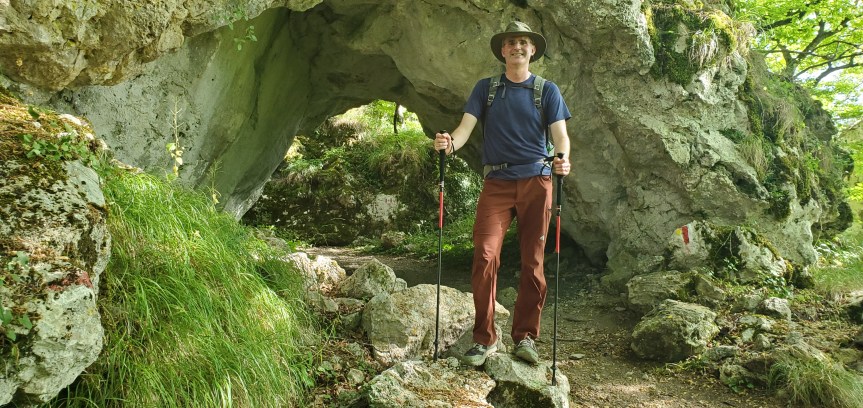
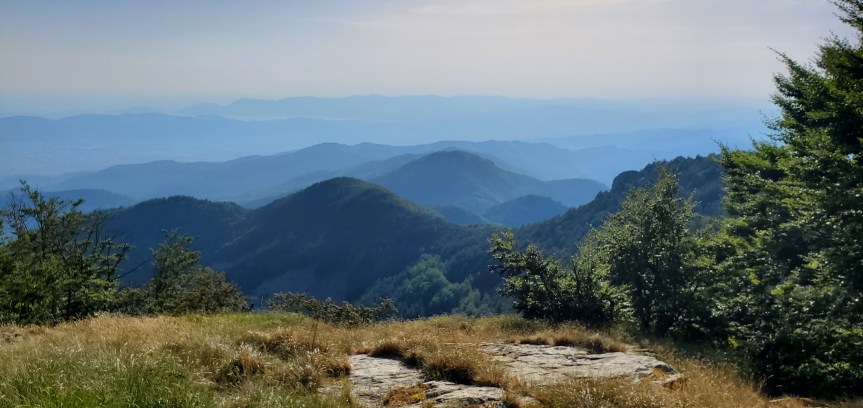
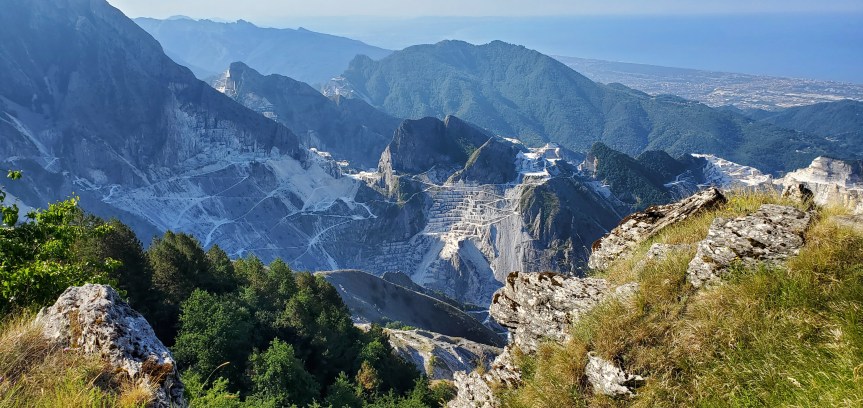
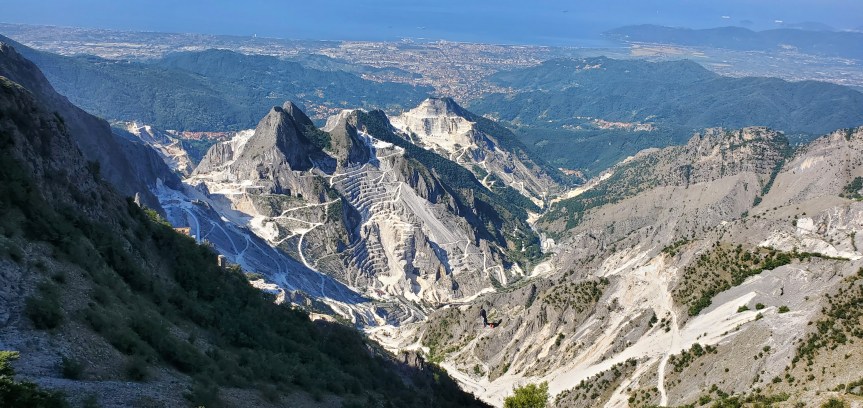
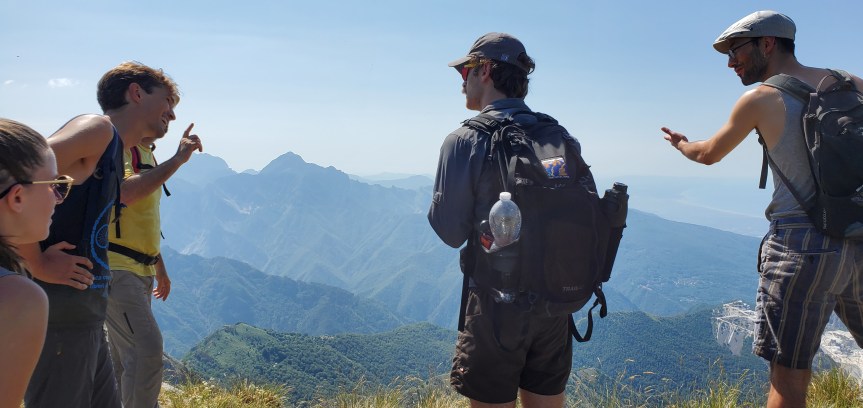
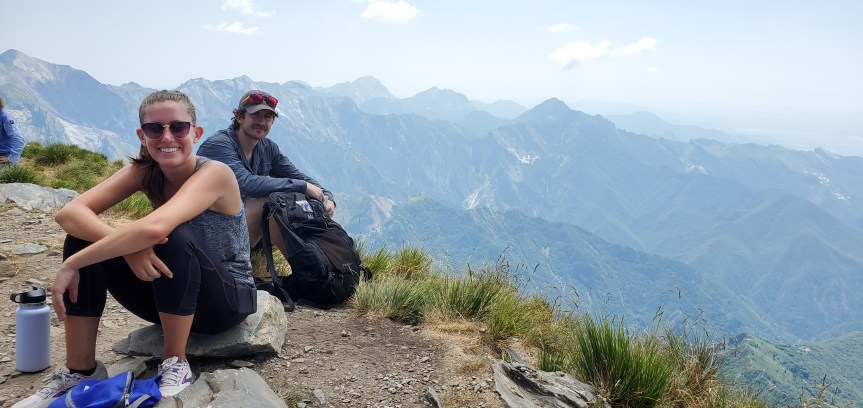
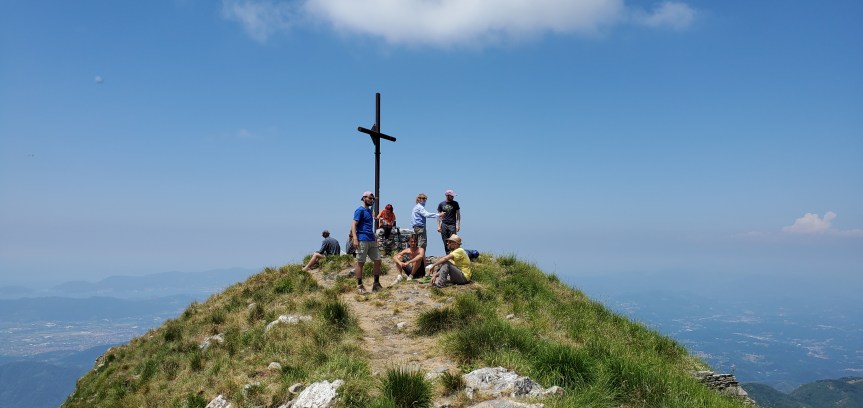
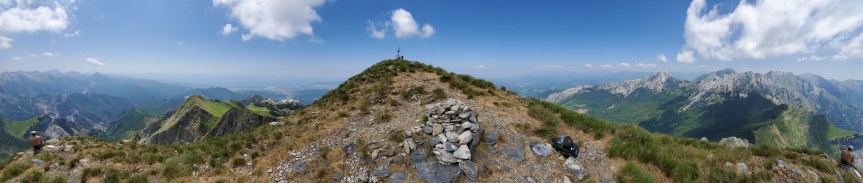
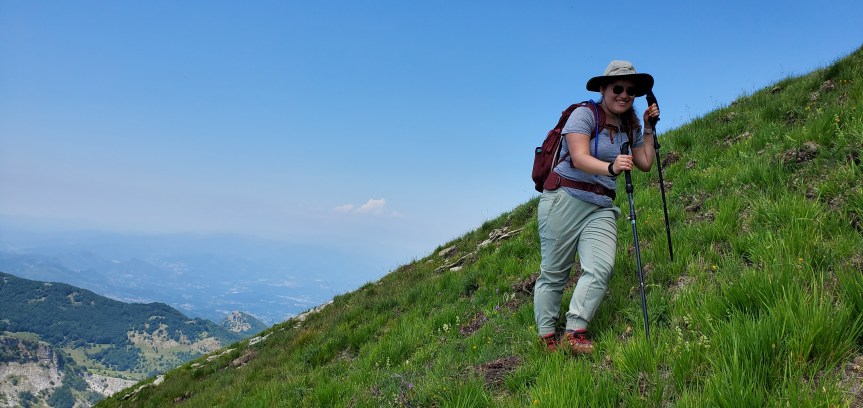
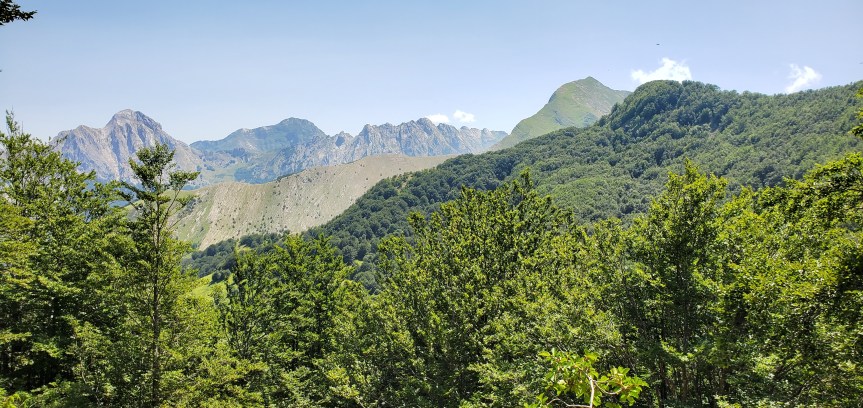
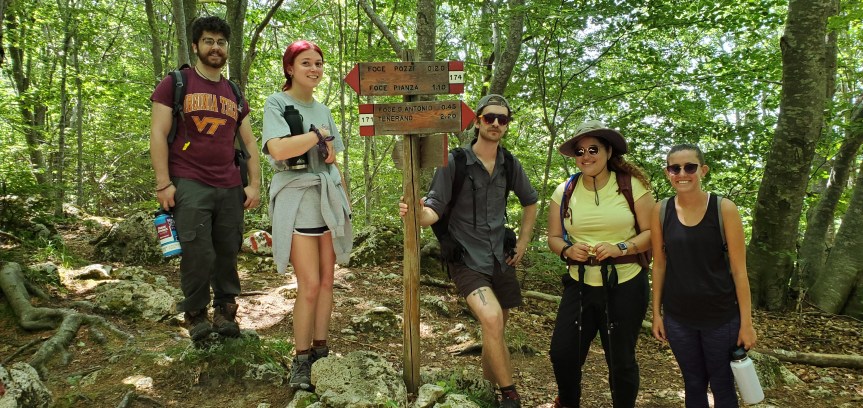
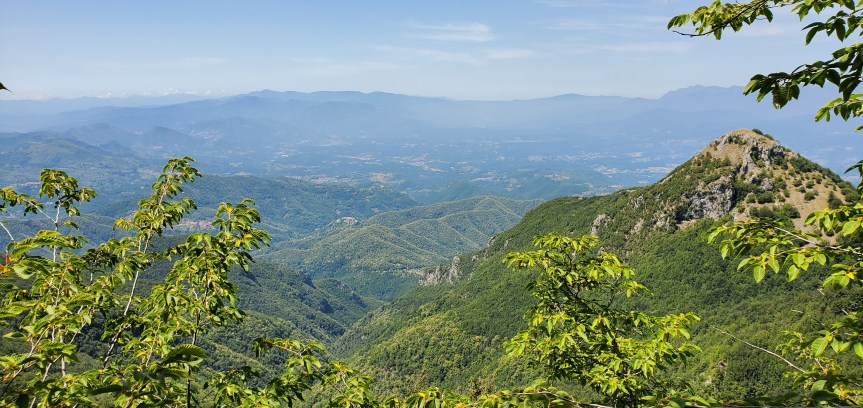
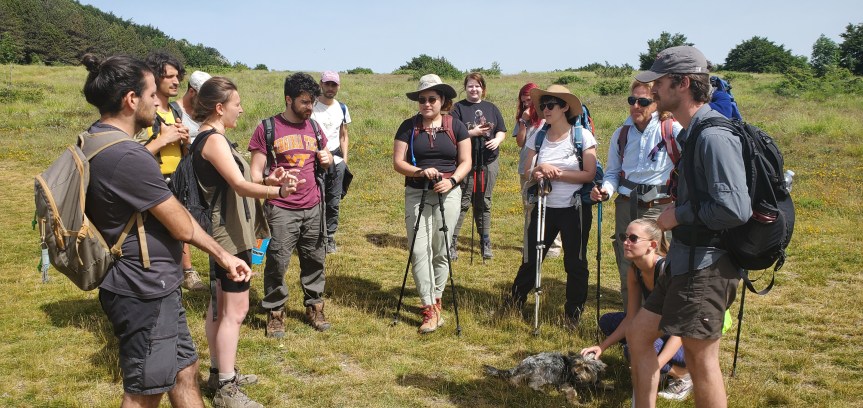
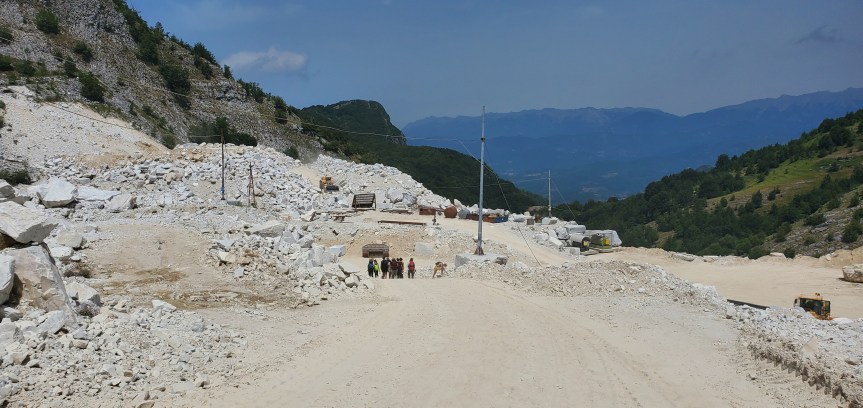
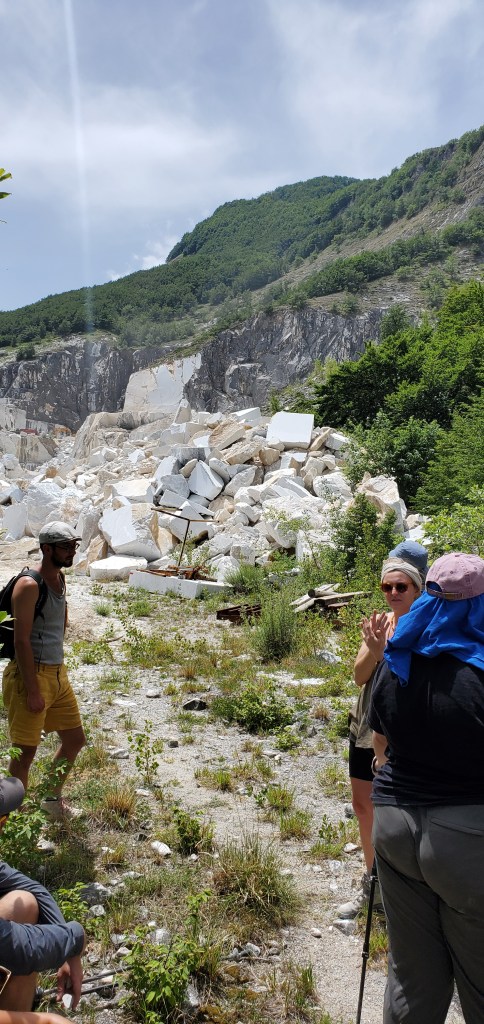
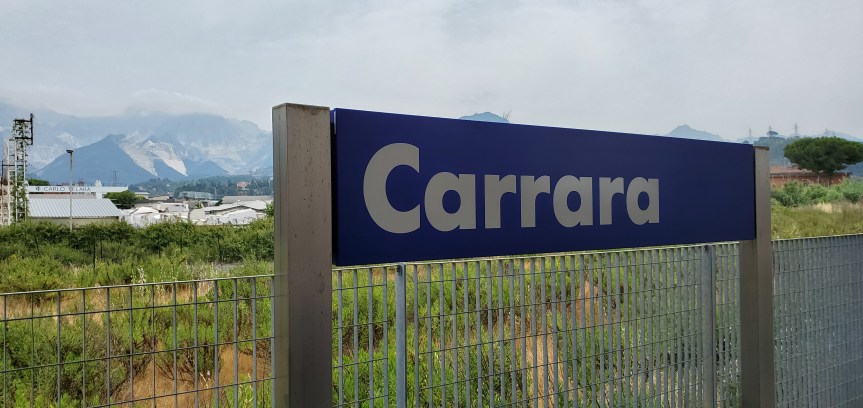
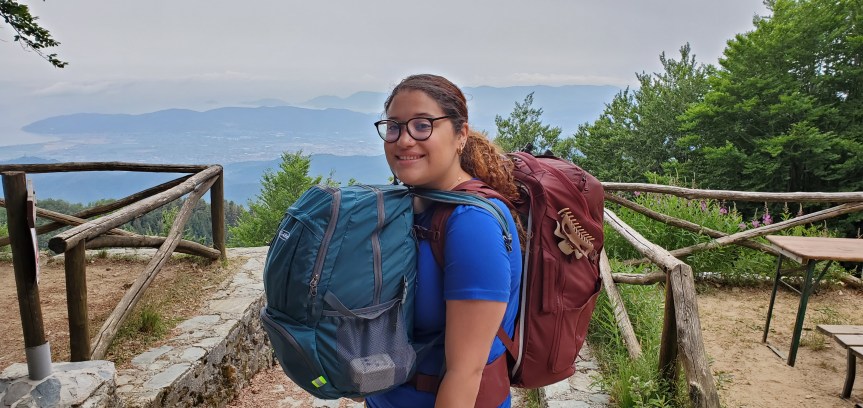
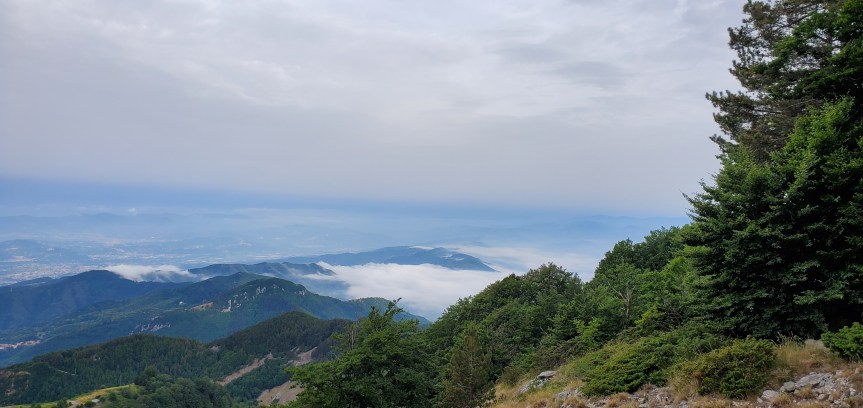
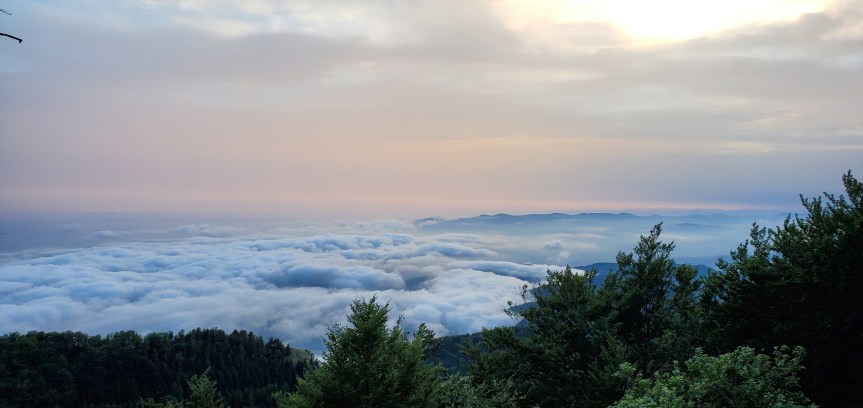
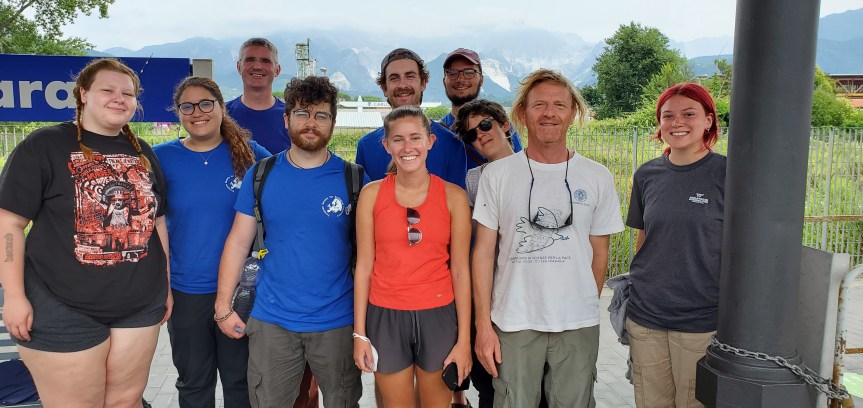
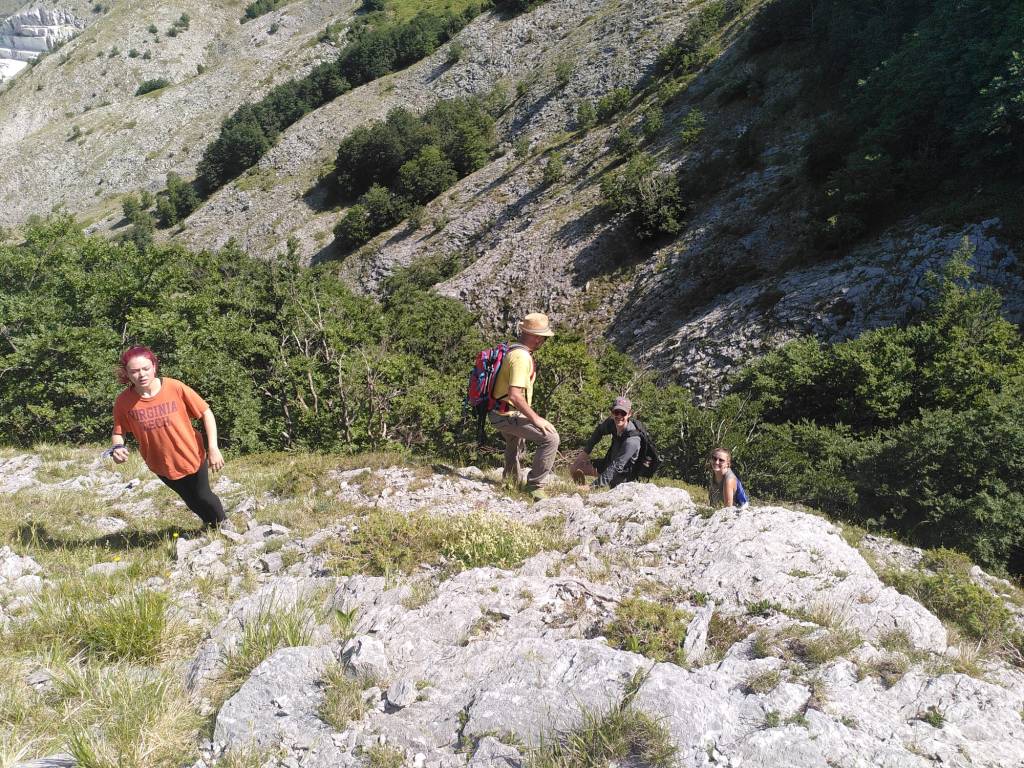
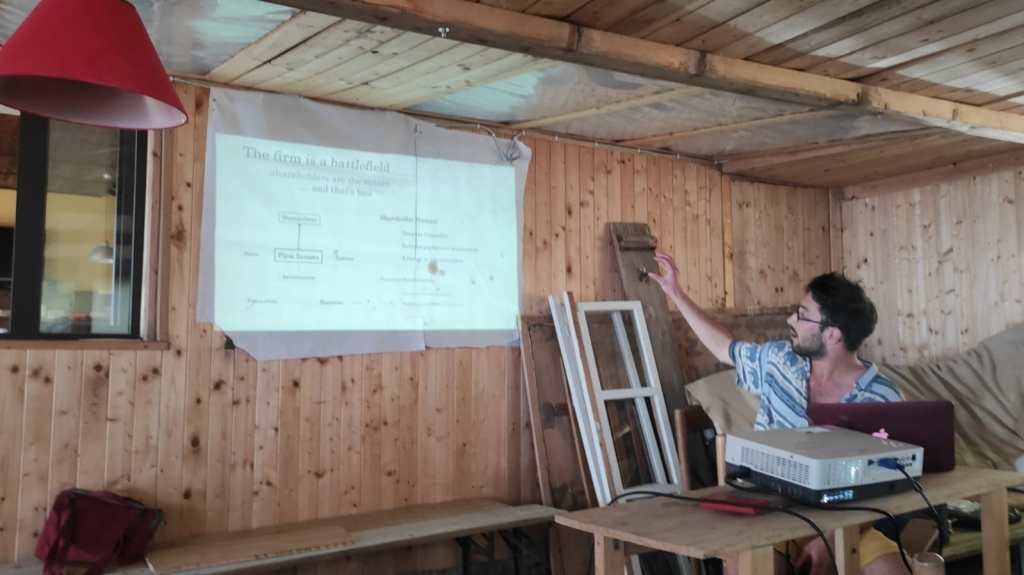
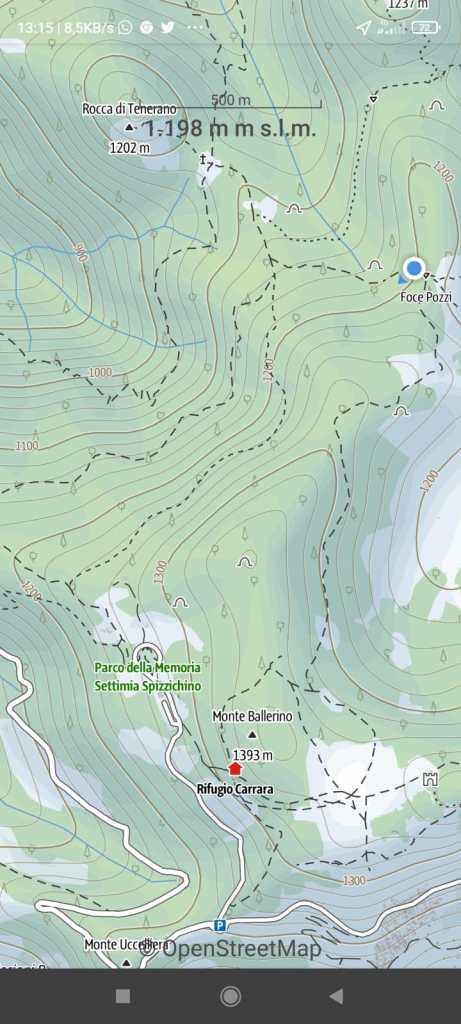
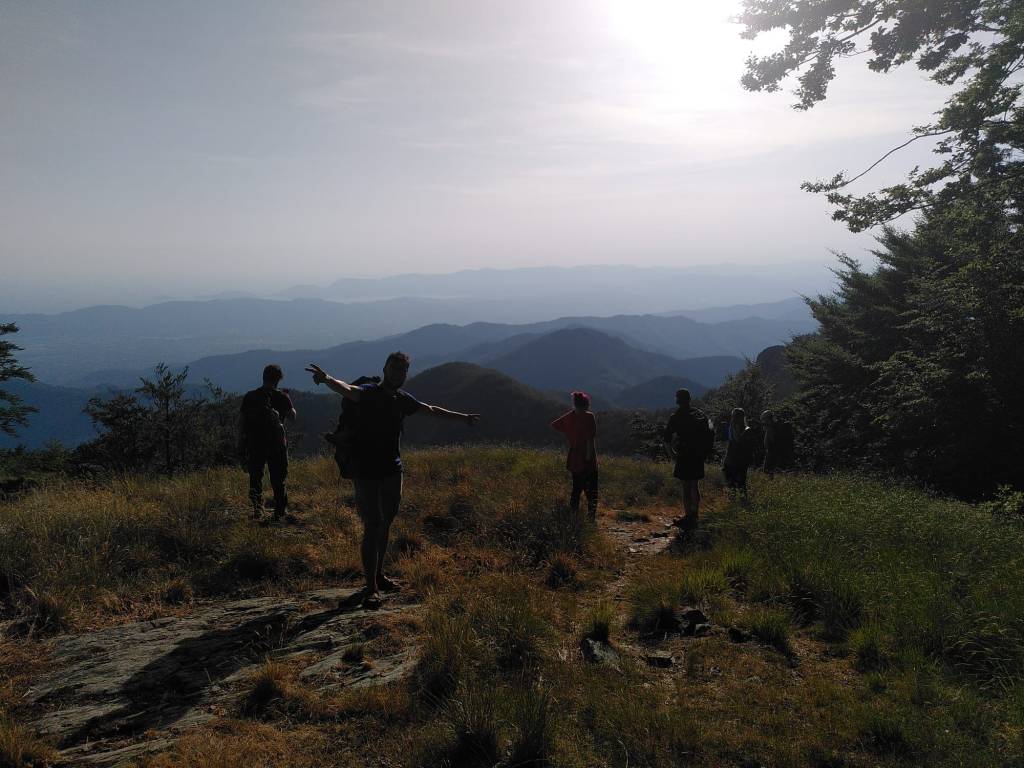
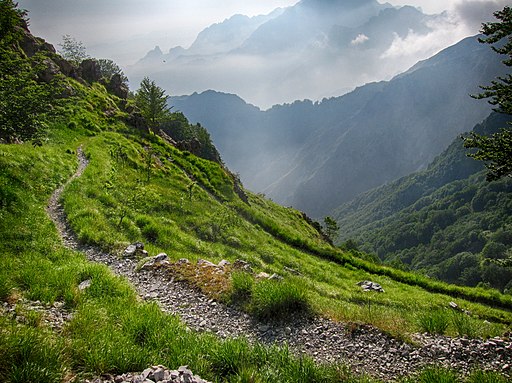
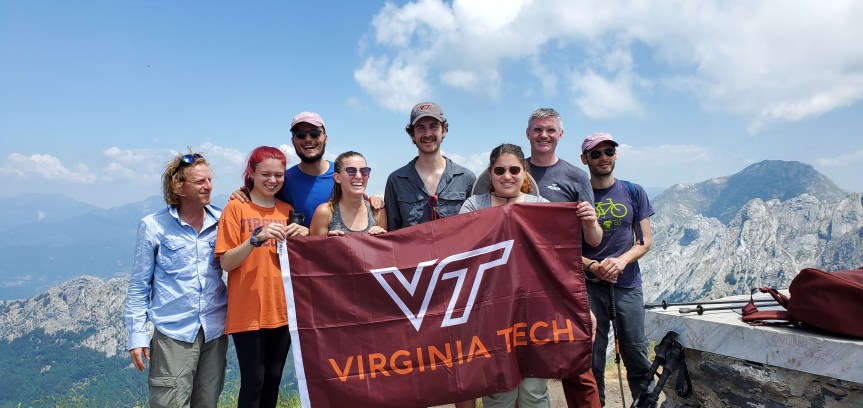
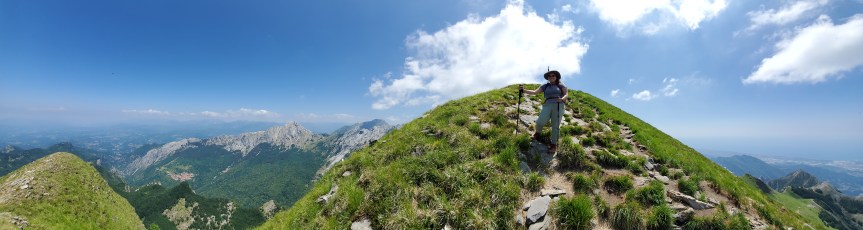
The final phase of the program consisted of hiking in the stunning Apuan Alps. We hiked up to and stayed at the Rifugio Carrara for four nights, from which we launched several significant treks into the mountains surrounding Carrara. We also visited a marble mine with a local NGO to understand the various impacts from the ongoing mining activities on the environment and community.

None of the above activities would have been possible without the tremendous efforts of Prof. Tommaso Luzzati and Dr. Tiziano Distefano, who taught in the summer school, led the planning of the ESEE conference, and organized the hiking logistics.

Pisa Study Abroad – Last Call

This is the final call for students interested in the Pisa, Italy, study abroad program. This unique study abroad program will provide students with a transdisciplinary perspective on sustainable development and is intended for rising seniors and graduate students interested in planning, policy, economics, business, innovation, environmental studies, and law. The program will explore the many dimensions of sustainability and how national, multinational, and international political and legal mechanisms can be used to further a transition towards sustainable development.

The program includes a summer school at the University of Pisa, attendance of 14th Conference of the European Society for Ecological Economics (ESEE), and hiking in the Apuan Alps.

If you are interested in the program, please contact me by March 31

While this program was designed for students at Virginia Tech and MIT, it is open to any rising senior or graduate student in good academic standing at any institute of higher education in the US. See below for more information on how to register as a non-Virginia Tech student.

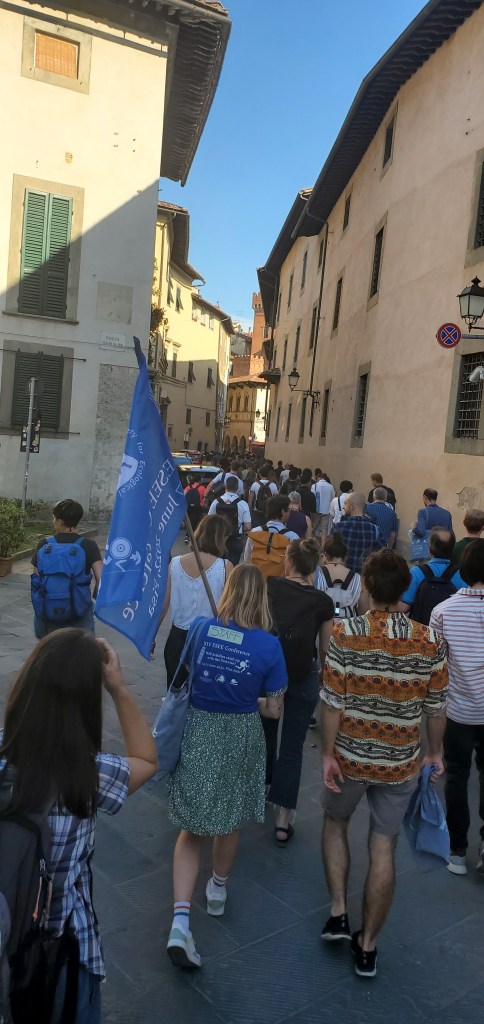
Via Vandelli

Non-Virginia Tech Students 

  1. Create a non-VT study abroad account with the Global Education Office and apply for the study abroad program by the March 31 deadline.
  2. Your study abroad application will be reviewed. If you are offered acceptance to the study abroad program, the offer is pending admission to Virginia Tech as a Non-Degree Seeking student. To apply, complete the non-degree application. The non-degree application requires a $60 application fee and transcripts from previous studies.
  3. Non-degree applications are generally reviewed and approved within 72 hours. Students receive a non-degree offer letter with a Virginia Tech student ID number in order to pay study abroad program fees and be registered for the course. 
  4. Non-Virginia residents pay the out-of-state tuition rate (listed on the financial matters tab), unless students can document Virginia residency. For more information on qualifying for in-state status, see the in-state eligibility page.
  5. Students need to work with their home institution (academic adviser/faculty adviser/Registrar’s Office) to verify whether the Virginia Tech course/transcript can be transferred and count toward their degree.  

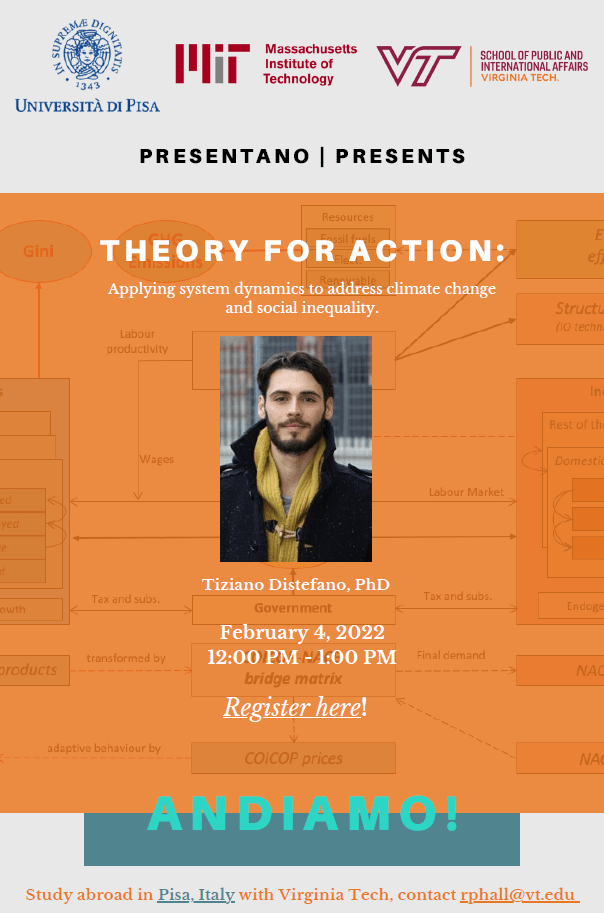
Seminar – Theory for Action (Feb 4, 12pm)

On Friday, February 4, from 12 – 1pm, Dr. Tiziano Distefano (University of Pisa, Italy) will talk about his research on applying system dynamics to address climate change and social inequality.

Please register here to obtain the Zoom link for the seminar. 

During his presentation, Dr. Distefano will also talk about a unique summer 2022 VT-MIT-UNIPI Study Abroad program (in Pisa, Italy) that will explore transitions towards sustainability and enable students to attend the 14th Conference of the European Society for Ecological Economics (ESEE) and hike and learn in the Apuan Alps.

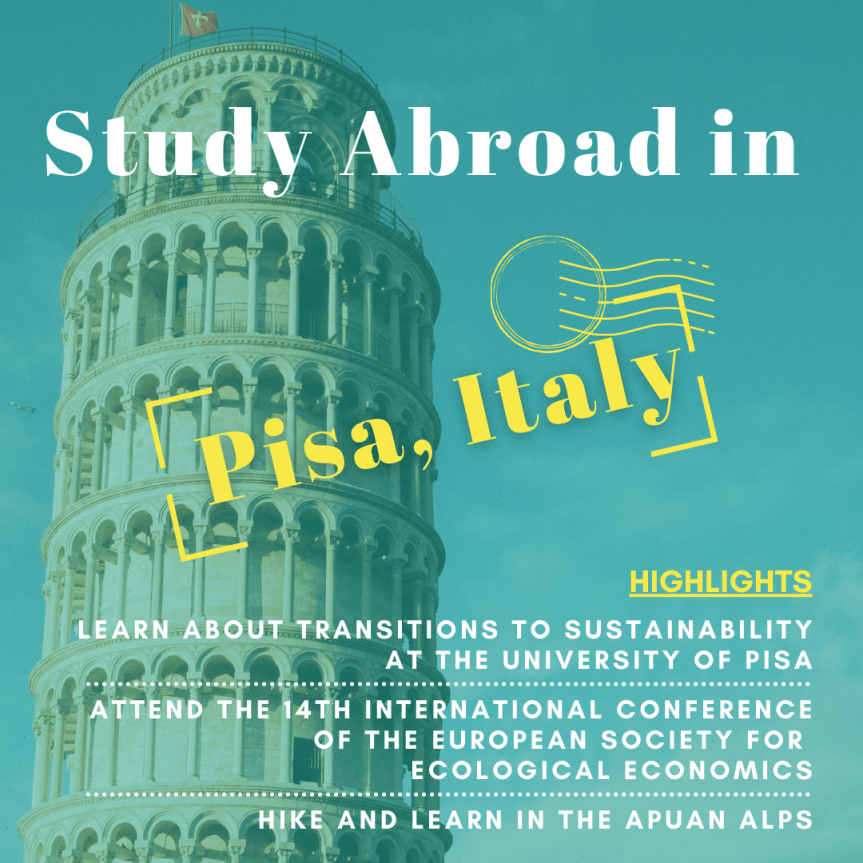
Study Abroad Program in Pisa, Italy

Next summer, I will be co-running a study abroad program in Pisa, Italy, with colleagues Prof. Nicholas Ashford (MIT), Dr. Tiziano Distefano (University of Pisa), and Prof. Tommaso Luzzati (University of Pisa), from June 10-22, 2022.

We will be holding an information session about the program for students at VT and MIT from 10-11am on November 4, 2021. Please register here to join the session.

Sustainable Transitions in Employment, Economic Welfare, and the Environment

This unique program will provide students with a transdisciplinary perspective on sustainable development and is intended for rising seniors and graduate students interested in planning, policy, economics, business, innovation, environmental studies, and law. The program will explore the many dimensions of sustainability and how national, multinational, and international political and legal mechanisms can be used to further a transition towards sustainable development. 

The program has three unique learning environments.

The first section of the program will consist of a summer school based at the University of Pisa, Italy, which will run in parallel with two other summer schools led by the Center for Politics, Ontologies, and Ecologies (POE) and the European Society for Ecological Economics. Given the proximity of the summer schools, joint sessions will be held where the faculty engaged with each program will share their research with students from the other programs. These sessions will enrich the content of each program and provide an opportunity for intercultural exchange between students (and faculty).   

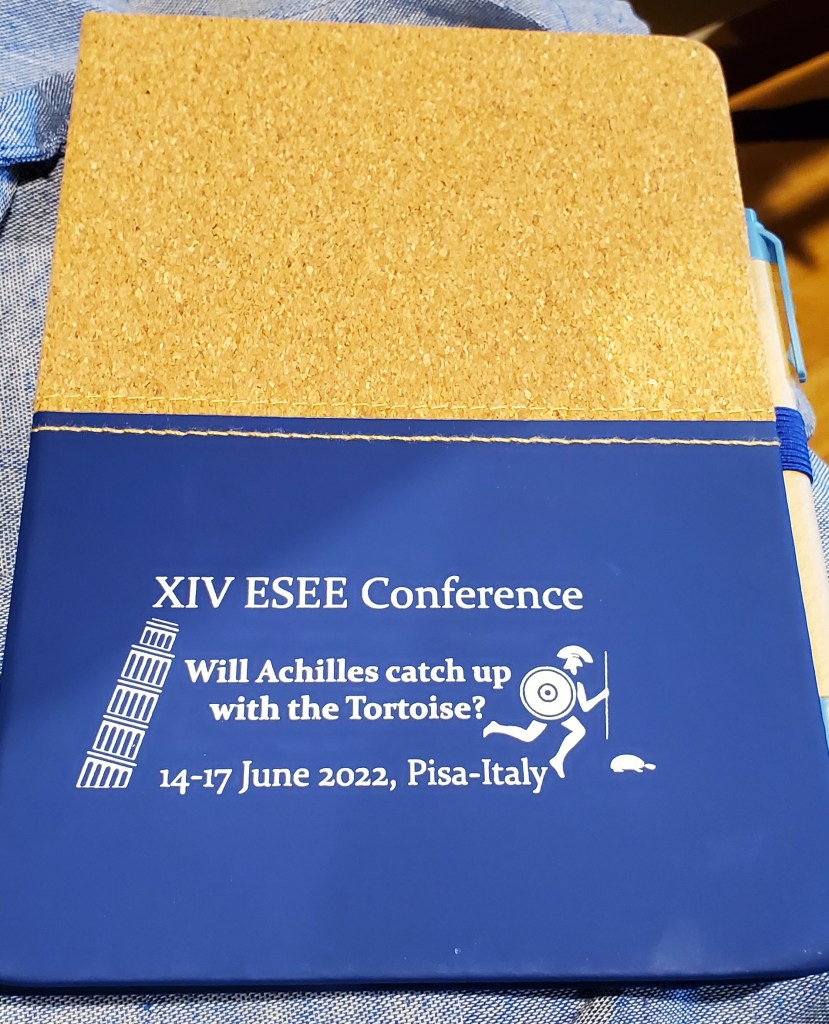
The second section of the program will consist of students attending the 14th Conference of the European Society for Ecological Economics (ESEE), which will be hosted by the University of Pisa. 

During the third and final section of the program, students will travel to the Apuan Alps (close to Pisa in Italy), where they will share what they learned from the summer school and ESEE conference and discuss/debate future economic/societal transformation strategies. This final reflection will take place in the mountains, where group discussions will be held outside (weather permitting), and students will have the opportunity to hike in the Italian Alps.