Professor, Urban and Environmental Policy and Planning (UEPP), Virginia Tech; Joann Boughman Innovation Fellow at USG; Acting Director, Center for Future of Work Places and Practices (CFWPP); Head of Outreach and Engagement, Center for European and Transatlantic Studies (CEUTS)
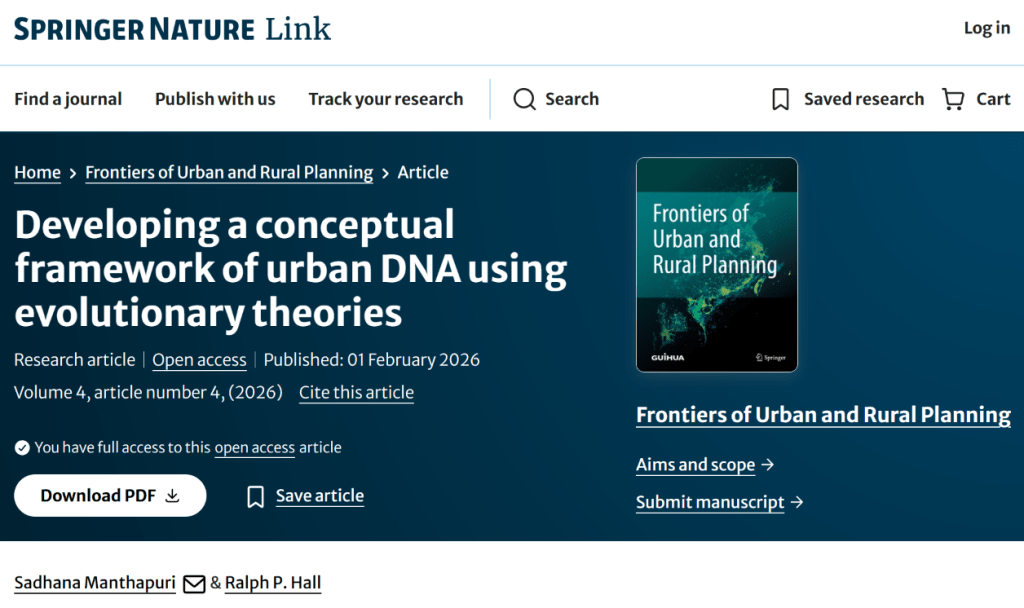
Why do some cities adapt and thrive through disruption while others struggle to maintain coherence and identity? As urban regions confront post-pandemic recovery, climate pressure, and rapid socio-economic change, planners and scholars are increasingly asking whether cities possess a deeper organizing logic – an “urban DNA” – that shapes how they grow, stabilize, and evolve over time. Moving beyond surface-level traits or branding narratives, Dr. Manthapuri’s new paper in Frontiers of Urban and Rural Planning argues that understanding a city’s internal structure is essential for creating long-term, place-specific, and resilient urban futures.
Abstract
As cities evolve in increasingly complex ways, urban planners and researchers are focusing on creating long term and stable visions that are location-specific, sustainable, and inclusive. This visioning process often results in a fundamental question: Is there an underlying urban DNA, a foundational structure that shapes how urban areas grow, adapt, and transform? The idea of urban DNA, first articulated in the early 2000s, has gained renewed prominence since 2020, particularly in post-pandemic recovery strategies that emphasize local identity and place branding. Unlike the concept of urban identity and urban traits, which reflect external dynamics observable in a city and its performance, the concept of urban DNA focuses on the internal structures and mechanisms that shape urban identity, providing sustainable solutions over temporary remedies. Although numerous scholars have introduced conceptual frameworks for urban DNA, and many policy documents highlight cities’ interpretations of their distinctive urban DNA, these applications often lack a strong theoretical grounding. This limitation underscores the need for a more rigorous theoretical foundation that can both substantiate the concept of urban DNA and explain the sequence of urban evolutionary events, framing it as a structured process rather than a set of randomized events. This research develops the concept of urban DNA by identifying the core elements that constitute the genetic building blocks of cities and shape their emergence and evolution. Five interrelated elements, urban uniqueness, temporal variation, spatial variation, growth, and stability, form the basis of this framework. To ground these elements theoretically, 17 urban evolutionary theories were systematically assessed through a relevance matrix, comparing their conceptual alignment, explanatory power, and practical applicability to the urban DNA construct. The analysis highlights urban niche theory and French regulatory theory as particularly relevant for explaining urban DNA. Based on these insights, a grounded theoretical framework is proposed that offers urban planners and policymakers an operational tool to identify and leverage the urban DNA of their respective cities.
Citation: Manthapuri, S., Hall, R.P. Developing a conceptual framework of urban DNA using evolutionary theories. Front. Urban Rural Plan.4, 4 (2026). https://doi.org/10.1007/s44243-026-00076-7
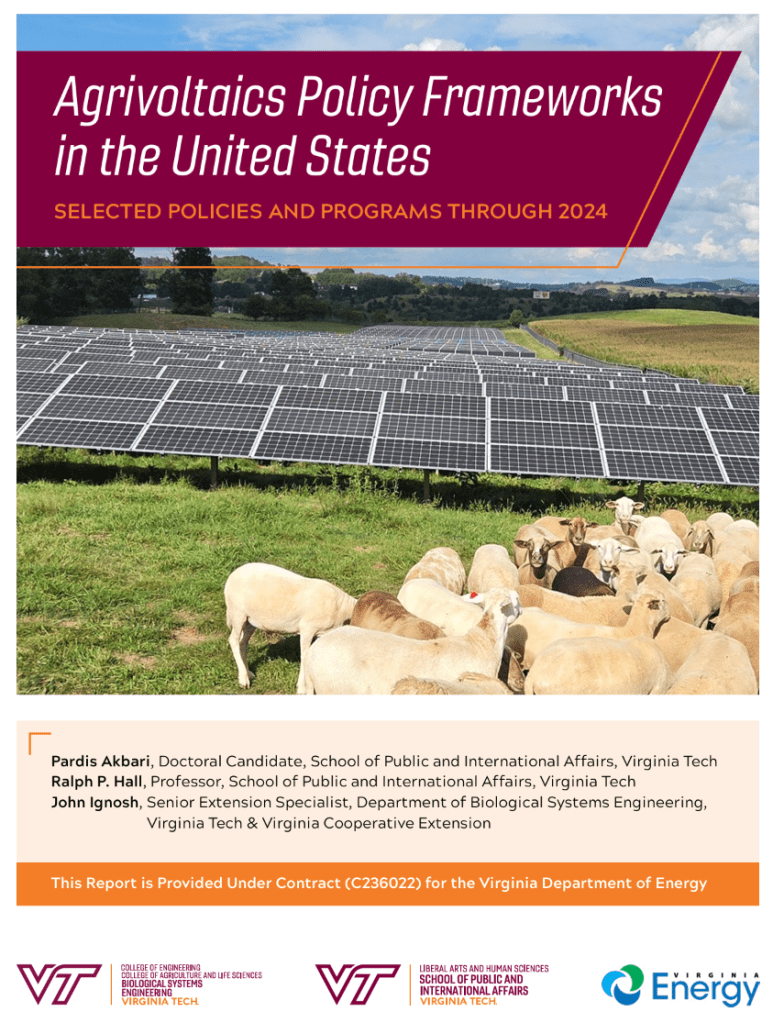
I’m pleased to share our new report on agrivoltaics that was commissioned by the Virginia Department of Energy. The report examines agrivoltaics practices, policies, and programs across the United States through 2024, highlighting emerging trends, benefits, and lessons learned. Together, these insights offer a foundation for aligning clean energy development with agricultural productivity and land stewardship in Virginia.
Akbari, P., Hall, R. P., & Ignosh, J. (2026). Agrivolatics Policy Frameworks in the United States: Selected Policies and Programs through 2024. Virginia Tech, Blacksburg. https://hdl.handle.net/10919/141096
Executive Summary
Agrivoltaics, also known as dual-use solar or agrisolar, is an integrated land-use approach that combines agricultural production and photovoltaic electricity generation on the same site, allowing crops to be cultivated, livestock to be grazed, or pollinator habitats to be maintained while producing renewable energy from solar panels (Department of Energy, 2022; Macknick et al., 2022).
Agrivoltaics presents a potential sustainable solution to land-use competition between food and energy production (Jain, 2024). By integrating solar power generation with agriculture, agrivoltaics systems optimize land use and can increase overall land productivity by 35–73% compared to traditional single-use approaches (Dupraz et al., 2011). The systems can also improve water-use efficiency beneath photovoltaic (PV) panels, reducing evaporation and conserving soil moisture (Adeh et al., 2018). Additionally, agrivoltaics can lower solar panel temperatures by 1-2°C, improving energy efficiency and extending a system’s lifespan (Patel et al., 2019). The partial shading from panels can benefit crops sensitive to heat and sunlight stresses, potentially creating a more favorable microclimate for growth in some production systems and locations (Kussul, 2020; Marucci et al., 2018). Beyond environmental benefits, agrivoltaics may enhance the economic resilience of farms by providing an additional revenue stream from energy generation (Dinesh & Pearce, 2016).
The Virginia Department of Energy commissioned this review to better understand evolving agrivoltaics practices, policies, and programs across the United States at both the federal and state levels. Its purpose is to identify emerging trends and provide an overview of current and recent efforts supporting the integration of agriculture and solar energy development. This review focuses primarily on agrivoltaics initiatives through 2024.
The United States federal government has introduced several policies and programs that indirectly support the growth of agrivoltaics as part of the country’s broader clean energy transition. Key legislative actions, including the Bipartisan Infrastructure Law of 2021 and the Inflation Reduction Act of 2022, have provided significant funding to the Department of Energy (DOE) to expand clean energy infrastructure and strengthen domestic energy resilience. Although these laws do not specifically focus on agrivoltaics, they helped to create a more favorable environment for its development. Federal incentives such as the Investment Tax Credit (ITC) and the U.S. Department of Agriculture’s (USDA’s) Rural Energy for America Program (REAP) have also encouraged the use of renewable energy within agricultural settings. In addition, research and development efforts by the Department of Energy (DOE) through its Solar Energy Technologies Office, including the FARMS and InSPIRE programs, and by the USDA’s National Institute of Food and Agriculture (NIFA), have helped improve the understanding of how agrivoltaics systems perform and how they can support both energy generation and agricultural production.
Across the states, there is growing momentum to promote agrivoltaics through new policies and incentives. Massachusetts continues to lead the way with its SMART program and Agricultural Solar Tariff Generation Unit (ASTGU) incentive, which provide payments and clear design guidelines to ensure that farmland remains in active agricultural use while supporting solar energy production. Other states have developed similar initiatives. For example, New Jersey’s Dual-Use Pilot Program offers incentives for projects that combine solar power with ongoing farming operations, while Colorado supports agrivoltaics through property tax exemptions, research funding, and pilot grant programs. In Virginia, the Department of Environmental Quality’s (DEQ’s) Permit-by-Rule framework now includes reduced project mitigation requirements when practices such as managed grazing and crop cultivation are incorporated when solar projects impact prime farmland. Collectively, these efforts show a growing commitment to balance farmland protection with renewable energy expansion.
A closer look at these initiatives reveals several common elements are emerging that shape the direction of agrivoltaics policy in the United States. Most initiatives rely on financial incentives to make agrivoltaics projects economically viable, recognizing that dual-use systems often require higher upfront costs for design and construction. In addition, many programs include pilot and demonstration projects as a central strategy, providing opportunities to test system designs, crop performance, and management practices under real-world agricultural conditions before broader implementation.
To support the effective expansion of agrivoltaics in Virginia, a harmonized policy framework and a consistent definition of the practice are necessary. Coordination among incentives, performance standards, and data-sharing mechanisms can enhance agricultural productivity and renewable energy generation goals. When properly integrated, agrivoltaics can be an effective approach toward energy production, food security, and land stewardship goals. This alignment could turn land-use conflicts into opportunities for sustainable development and resilient clean energy growth. This report summarizes various agrivoltaics initiatives across the United States. Because energy and land-use planning policies are frequently updated, the details of these initiatives are often in flux. However, this summary aims to capture the full range of efforts, even if some programs are inactive. By doing so, the compilation helps inform future work in Virginia by sharing national experiences and providing resources for further review of each approach.
References:
Adeh, E. H., Selker, J. S., & Higgins, C. W. (2018). Remarkable agrivoltaic influence on soil moisture, micrometeorology and water-use efficiency. PLoS ONE, 13(11), e0203256. https://doi.org/10.1371/journal.pone.0203256
Dinesh, H., & Pearce, J. M. (2016). The potential of agrivoltaic systems. Renewable and Sustainable Energy Reviews, 54, 299–308. https://doi.org/10.1016/j.rser.2015.10.024
Dupraz, C., Marrou, H., Talbot, G., Dufour, L., Nogier, A., & Ferard, Y. (2011). Combining solar photovoltaic panels and food crops for optimising land use: Towards new agrivoltaic schemes. Renewable Energy, 36(10), 2725–2732. https://doi.org/10.1016/j.renene.2011.03.005
Jain, S. (2024). Agrivoltaics: The synergy between solar panels and agricultural production. Darpan International Research Analysis, 12(3), 137–148. https://doi.org/10.36676/dira.v12.i3.61
Kussul, E., Baydyk, T., Garcia, N., Velasco Herrera, G., & Curtidor López, A. V. (2020). Combinations of solar concentrators with agricultural plants. Journal of Environmental Science and Engineering B, 9(5), 168–181. https://doi.org/10.17265/2162-5263/2020.05.002
Macknick, J., Hartmann, H., Barron-Gafford, G., Beatty, B., Burton, R., Choi, C. S., Davis, M., Davis, R., Figueroa, J., Garrett, A., Hain, L., Herbert, S., Janski, J., Kinzer, A., Knapp, A., Lehan, M., Losey, J., Marley, J., MacDonald, J., McCall, J., Nebert, L., Ravi, S., Schmidt, J., Staie, B., & Walston, L. (2022). The 5 Cs of agrivoltaic success factors in the United States: Lessons from the InSPIRE research study (NREL/ TP-6A20-83566). National Renewable Energy Laboratory. https://docs.nrel.gov/docs/fy22osti/83566.pdf (Archived at https://perma.cc/A7HS-SC8R)
Marucci, A., Zambon, I., Colantoni, A., & Monarca, D. (2018). A combination of agricultural and energy purposes: Evaluation of a prototype of photovoltaic greenhouse tunnel. Renewable and Sustainable Energy Reviews, 82, 1178–1186. https://doi.org/10.1016/j.rser.2017.09.029
Patel, B., Gami, B., Baria, V., Patel, A., & Patel, P. (2019). Cogeneration of solar electricity and agriculture produce by photovoltaic and photosynthesis—Dual model by Abellon, India. Journal of Solar Energy Engineering, 141(3), 031014. https://doi.org/10.1115/1.4041899
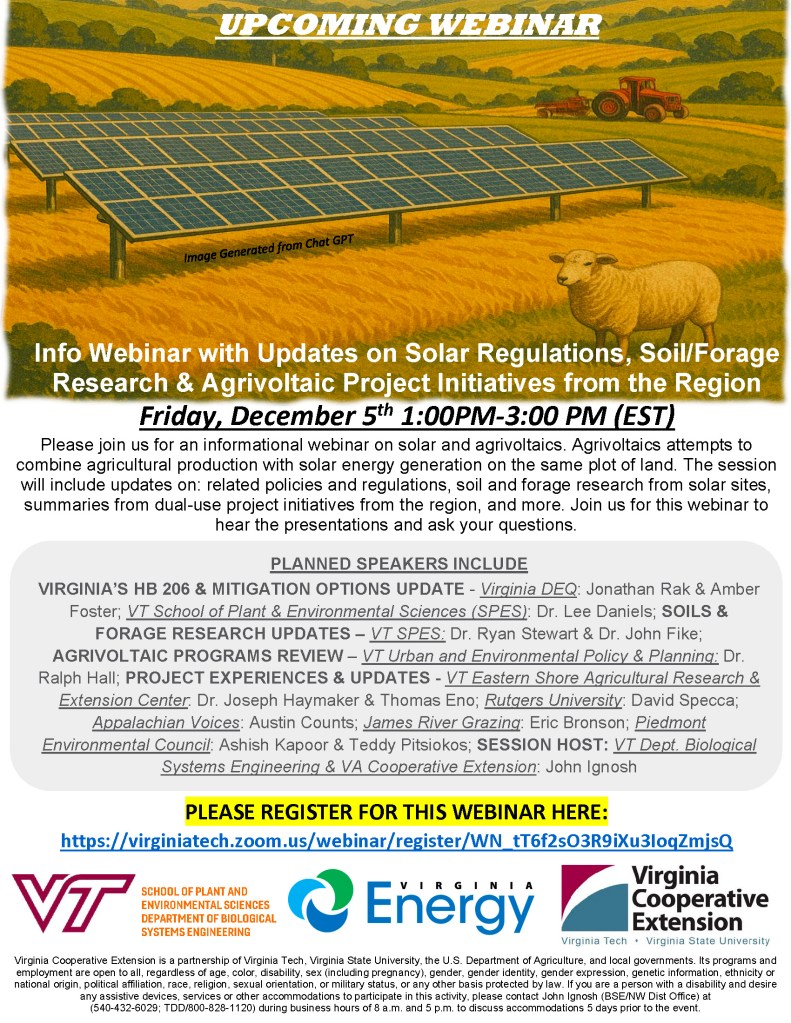
Please join us on Friday, December 5, 1:00–3:00 PM (EST) for an informational webinar exploring the intersection of agriculture and solar energy. Learn about:
Lessons from dual-use agrivoltaic projects
Solar policies & regulations affecting farmland
Soil & forage research on solar sites
Planned Speakers & Topics:
Virginia’s HB 206 & Mitigation Options Update: Jonathan Rak & Amber Foster (Virginia DEQ), Dr. Lee Daniels (VT SPES)
Soils & Forage Research Updates: Dr. Ryan Stewart & Dr. John Fike (VT SPES)
Agrivoltaic Programs Review: Dr. Ralph Hall (VT Urban and Environmental Policy & Planning)
Project Experiences & Updates: Dr. Joseph Haymaker & Thomas Eno (VT Eastern Shore Agricultural Research & Extension Center), David Specca (Rutgers University), Austin Counts (Appalachian Voices), Eric Bronson (James River Grazing), Ashish Kapoor & Teddy Pitsiokos (Piedmont Environmental Council)
The session will be recorded, and a link to the recording will be shared with all registrants.
This is a great opportunity for farmers, researchers, policymakers, and anyone interested in sustainable energy and agriculture to learn, connect, and explore new approaches in the rapidly evolving field of agrivoltaics.
Please share this announcement with colleagues or friends who may be interested in the topic.
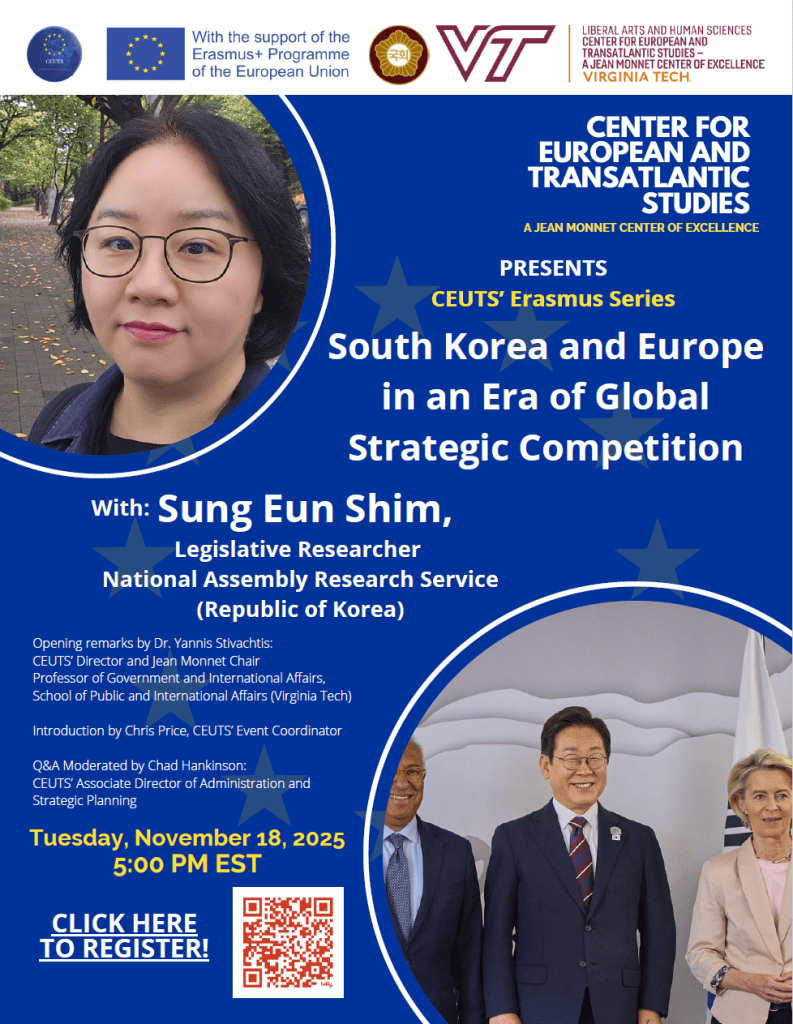
Our guest speaker will be Sung Eun Shim, a legislative researcher with the National Assembly Research Service of the Republic of Korea, who will deliver a lecture titled: “South Korea and Europe in an Era of Global Strategic Competition.”
The Zoom talk is open to everyone. Please register here.
Congratulations to Dr. Sadhana Manthapuri who I had the privilege of hooding this afternoon at the Virginia Tech Graduate School Commencement Ceremony.
It has been a true pleasure to work with Sadhana over the past four years. She has a passion for her research and an incredible work ethic that enabled her to explore almost every facet of the concept of urban DNA. I have copied the abstract from her dissertation below to provide a sense of the scope of her research.
Sadhana’s contributions at Virginia Tech extended beyond her dissertation. She taught two courses—Land Use and Environment and Renewable Energy Systems—sharing her knowledge and enthusiasm with our undergraduate students. She also served as a graduate research assistant with the Center for Economic and Community Engagement, enriching her academic experience with applied research. Internationally, she has presented her research at urban conferences in Spain and London, and was interviewed by Prof. Greg Clark (CBE) as part of his DNA of Cities podcast.
Outside of Virginia Tech, Sadhana was selected for the prestigious 2024 Mayoral Fellowship Program in the City of Detroit. In this program, she worked closely with the crime and violence intervention team, explored a range of policy issues, and regularly engaged with Mayor Mike Duggan. Before that, Sadhana spent her 2023–24 winter break developing an economic revitalization plan for Philadelphia’s 7th Ward, earning second place in the Edmund N. Bacon Urban Design Competition.
I highlight these experiences not just to list her accomplishments, but to illustrate the breadth of her engagement during her time at Virginia Tech. Sadhana seized every opportunity to grow, lead, and contribute—both in the classroom and in communities across the country.
Congratulations again, Dr. Manthapuri!
Abstract
This dissertation examined the concept of Urban DNA from both theoretical and practical perspectives. While urban scholars frequently use the term “urban DNA” in their discussions, many theoretical aspects and applications remain unresolved. In the post pandemic world, as an increasing number of cities are keen to explore their unique urban DNA and leverage this for effective branding, there is a need to understand what urban DNA is. However, there is a lack of comprehensive step-by-step guidance available to urban planners and policymakers on how urban DNA can facilitate the urban development process.
To bridge this gap, a bibliometric review of existing literature was conducted to gain insights into how scholars have framed the concept of urban DNA. This review highlights the strengths and weaknesses of various narratives of urban DNA, thereby providing a more comprehensive understanding of the topic. To establish the urban DNA theoretical framework, 17 different urban development and evolutionary theories were studied to understand what factors could define the genetic essence of cities and how a development transition could occur. Regulation and urban niche theory emerged as the two most effective frameworks due to their ability to explain urban uniqueness, as well as the temporal and spatial variations, growth, and stability that occur across different cycles of urban development.
To validate the regulation and urban niche DNA model, interviews were conducted with the directors of the economic and planning departments across seven tech hubs, aiming to understand how the unique characteristics of these cities evolved over the past two decades. The analysis revealed that, despite notable differences in their economic identities and growth trajectories, the interviewees consistently identified similar regulatory and niche factors as the foundational elements of the cities’ genetic essence. Additional urban DNA mechanisms linked with sectoral, temporal, and spatial interplay were also captured. Drawing from the findings of the qualitative approach, a preliminary vector autoregression framework was developed to quantitatively visualize the DNA of a city and understand the impacts of the phenomenon of addition, substitution, and deletion of genetic elements on the evolution of cities using San Francisco to present the ideas.
I’m pleased to share below a recording of Dr. Arlene Blum’s seminar entitled “Climbing your own Everest: Mountains & Molecules.” In this talk, Arlene explores her amazing career as a pioneering mountaineer and impactful chemist.
At the end of the seminar, I reminisce on how Arlene kindly supported the first class I taught while a postdoc at Stanford. It is truly remarkable to see what she has accomplished with the Green Science Policy Institute that was only an idea being developed back in 2007.
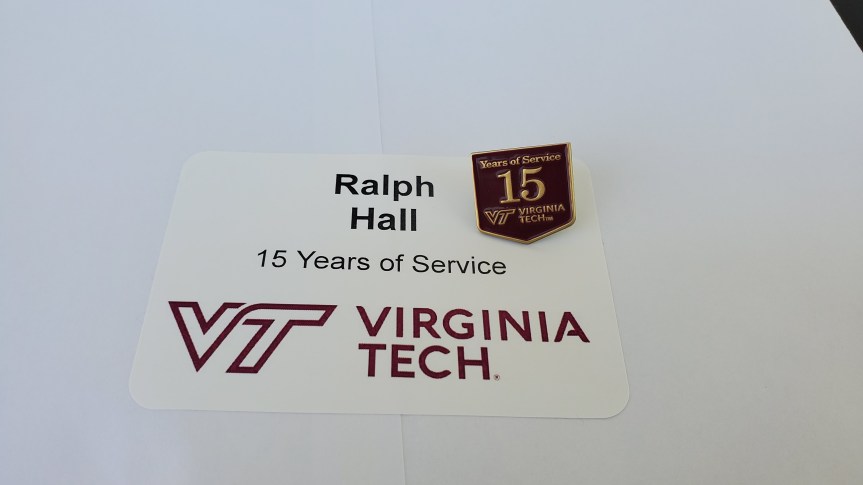
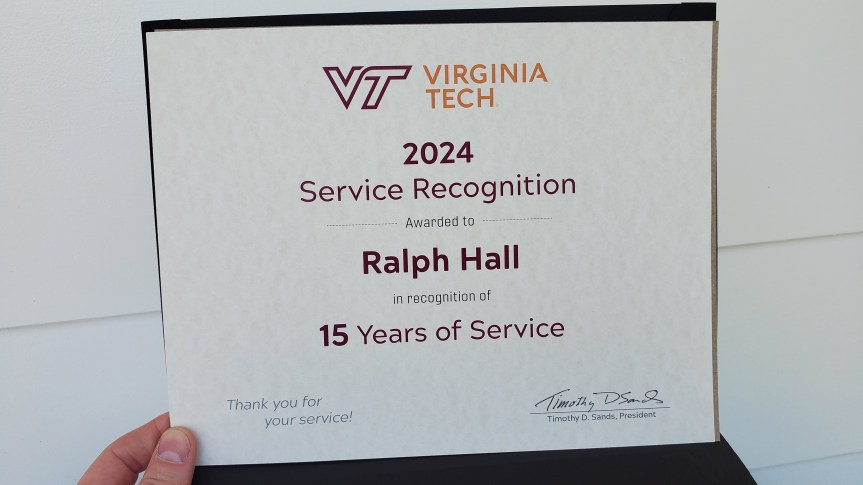
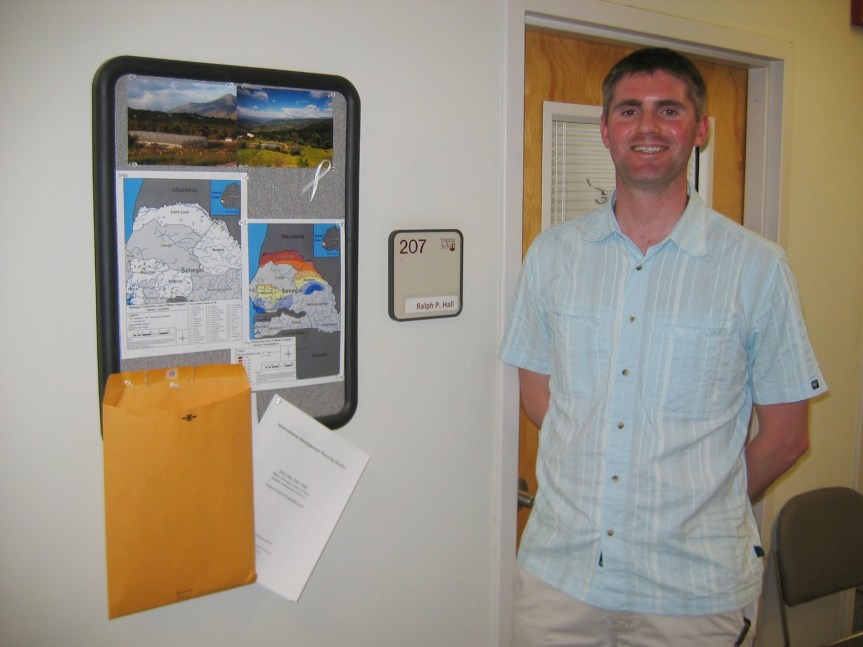
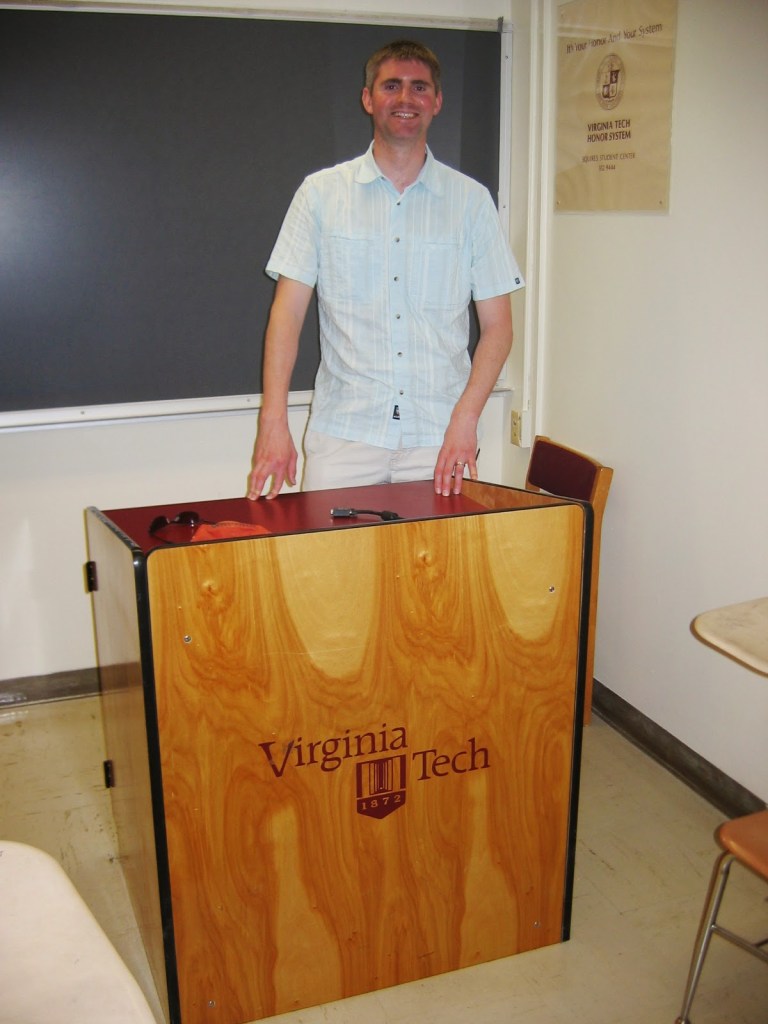
This morning I celebrated my 15th year at Virginia Tech! It’s hard to believe this much time has passed since arriving in Blacksburg for the start of the 2009 spring semester. In a nostalgic look back, I’ve included a few images below from my first few months at Virginia Tech.
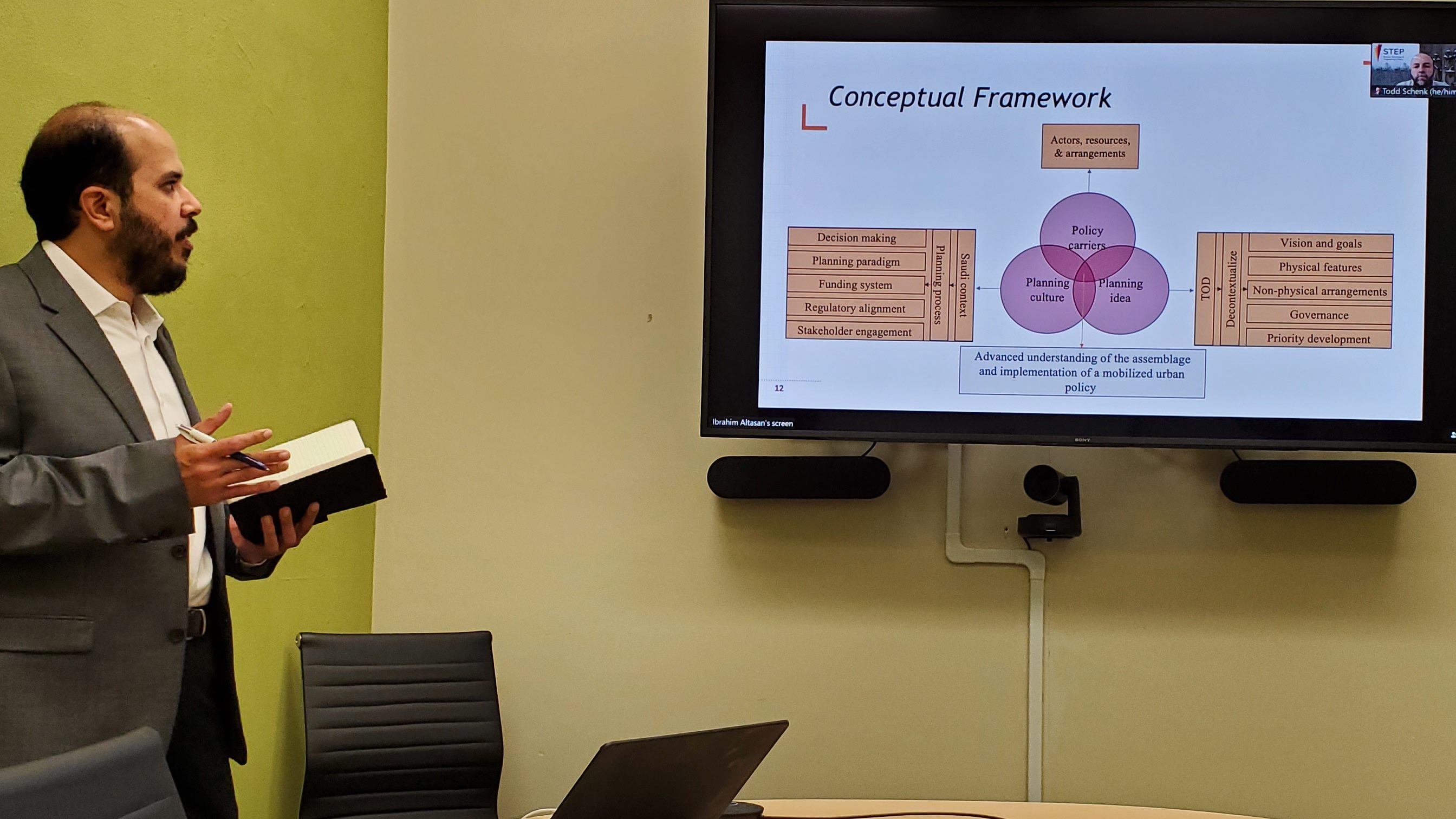
Congratulations to Ibrahim Altasan for successfully defending his PhD dissertation entitled “The Governance of Mobilized Urban Policies: The Case of Riyadh’s Transit-Oriented Development Program.” The general audience abstract for his dissertation is provided below.
Nowadays, city officials are looking outside their borders for urban policies that promote sustainability and improve quality of life. However, city officials rarely consider how differences between local urban areas could affect the adoption of urban policy. To address this challenge, the field of Urban Policy Mobility (UPM) emerged to shed light on how the unique local factors that shape each city environment affect what elements of an urban policy are or are not adopted. This study examines the changes that occurred when a Transit-Oriented Development (TOD) urban policy was introduced in Riyadh, Saudi Arabia. In order to learn about the changes and challenges of Riyadh’s TOD policy, interviews were conducted with employees responsible for the policy. Additionally, TOD policy documents and other publications that contained information about Riyadh’s TOD were reviewed to obtain additional data to help build a deeper understanding of why certain policy elements were implemented and others were not. The study found that: 1) the TOD policy was not completely translated into Riyadh where the focus is more on increasing building density, diversifying land uses, and enhancing design aesthetics, which resulted in overlooking other important policy elements that enhance economic and social sustainability; and 2) the implementation of the TOD policy led to governance challenges due to the differences in how urban planning is undertaken in Riyadh when compared with TOD policy environments in western countries. This in-depth study of Riyadh’s experience can inform other cities that are looking to implement urban policies borrowed from overseas.
Please find below links to the 3-minute presentations given during the “Get Out There with SPIA” event held on February 10. The slides from the event can be accessed here.
If you have any questions about a specific program/course, please reach out to the lead faculty member(s) listed below. The first two summer programs have an application deadline of February 15, so please apply before then if you would like to be considered for one of these.








 Ralph P Hall