Google just created this movie of the trip we took to Vwaza Marsh Wildlife Reserve during the Experience WASH in Malawi study abroad course I co-taught in July. I thought it was worth sharing.
Category: General Interest
Mzuni Library Initiative Hits Milestone
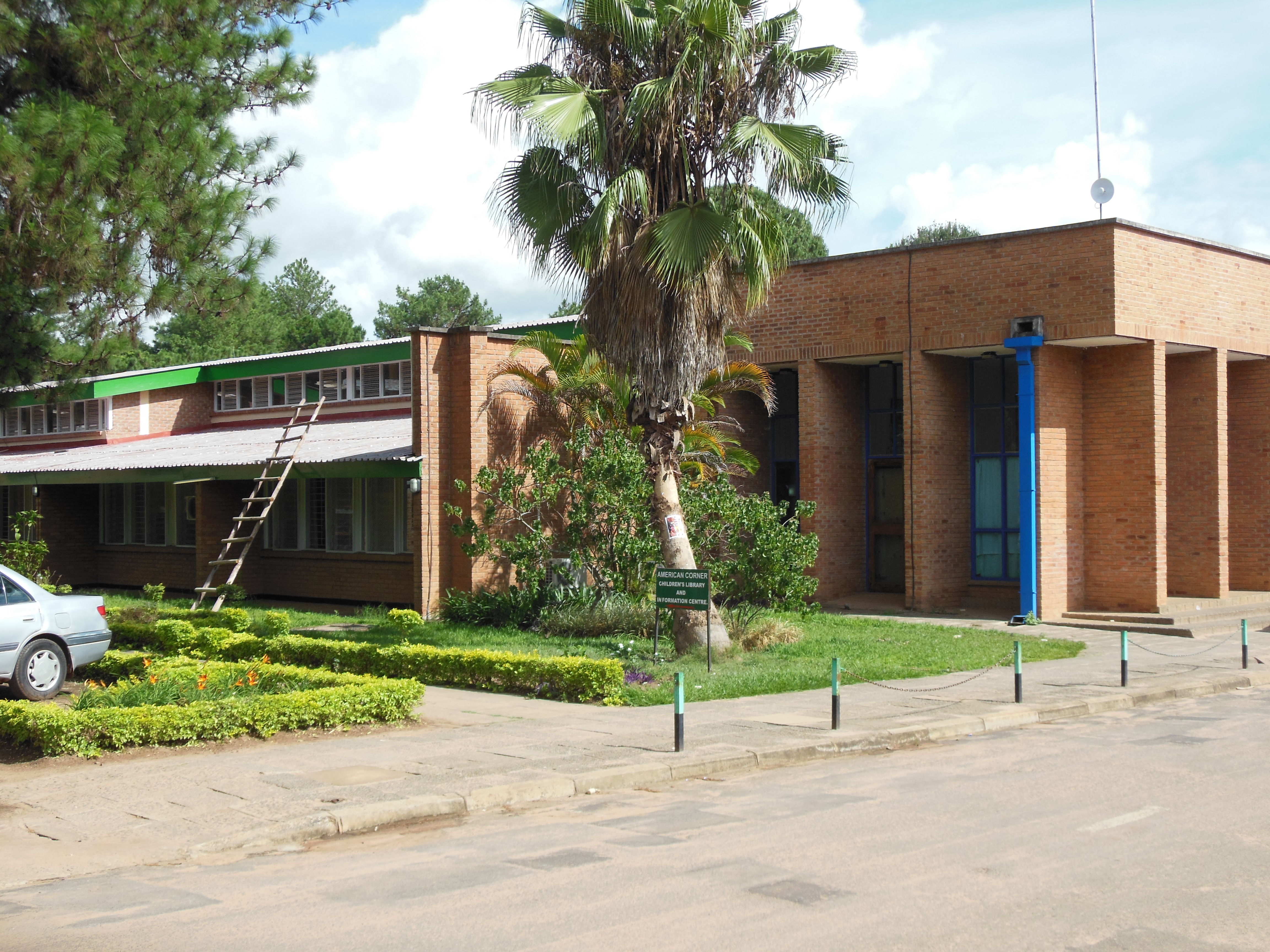
In December 2016, Mzuzu University (Mzuni) experienced a tragic fire during which they lost their entire library of 45,000 titles. This was a major loss for the university and for the northern part of Malawi, where educational books are extremely scarce. I visited Mzuzu University the day before the fire and took was is probably the last photo of the library. In July of this year, I co-taught a joint WASH course for Virginia Tech, Denver University, and Mzuni students at Mzuzu University and was able to visit the library again. I was reminded of the shear scale of the destruction that is captured by the sequence of images below.
Since January, a growing group of students and faculty at Virginia Tech and Radford University have been working to collect books for a new library. We partnered with the Malawian Education and Children’s Welfare Foundation that has been charged by Mzuni to lead the U.S. response to their library rebuilding effort. The Mzuni Library Initiative has been an intense, but highly rewarding experience for all involved and this past month we reached a milestone with the collection of 5,000 books for Mzuni.


We are now focusing our efforts on finding a way to ship these boxes to Malawi and hope to have them in route within the coming weeks.
During my time at Mzuzu University this July, I was able to speak with the Vice Chancellor and the Chief Librarian about how Virginia Tech could continue to help their rebuilding effort. In addition securing replacement books, there is also a need to help design a new signature library building. Given Virginia Tech’s expertise in architecture, building construction, engineering, etc., my plan is to find a way for our students and faculty to work on this new phase of the Mzuni Library Initiative. Please contact me if you believe you can help.
For the next two years (or more), students at Mzuni will have access to a temproary library (see below) that is slowing beginning to expand its collection of books. While they have made some progress, they are far from having the full range of books needed to support all of their academic programs. Our hope is that the 5,000 books (~10% of the books lost in the fire) we send will significantly improve their situation.

Temporary library

Temporary library
Vwaza!
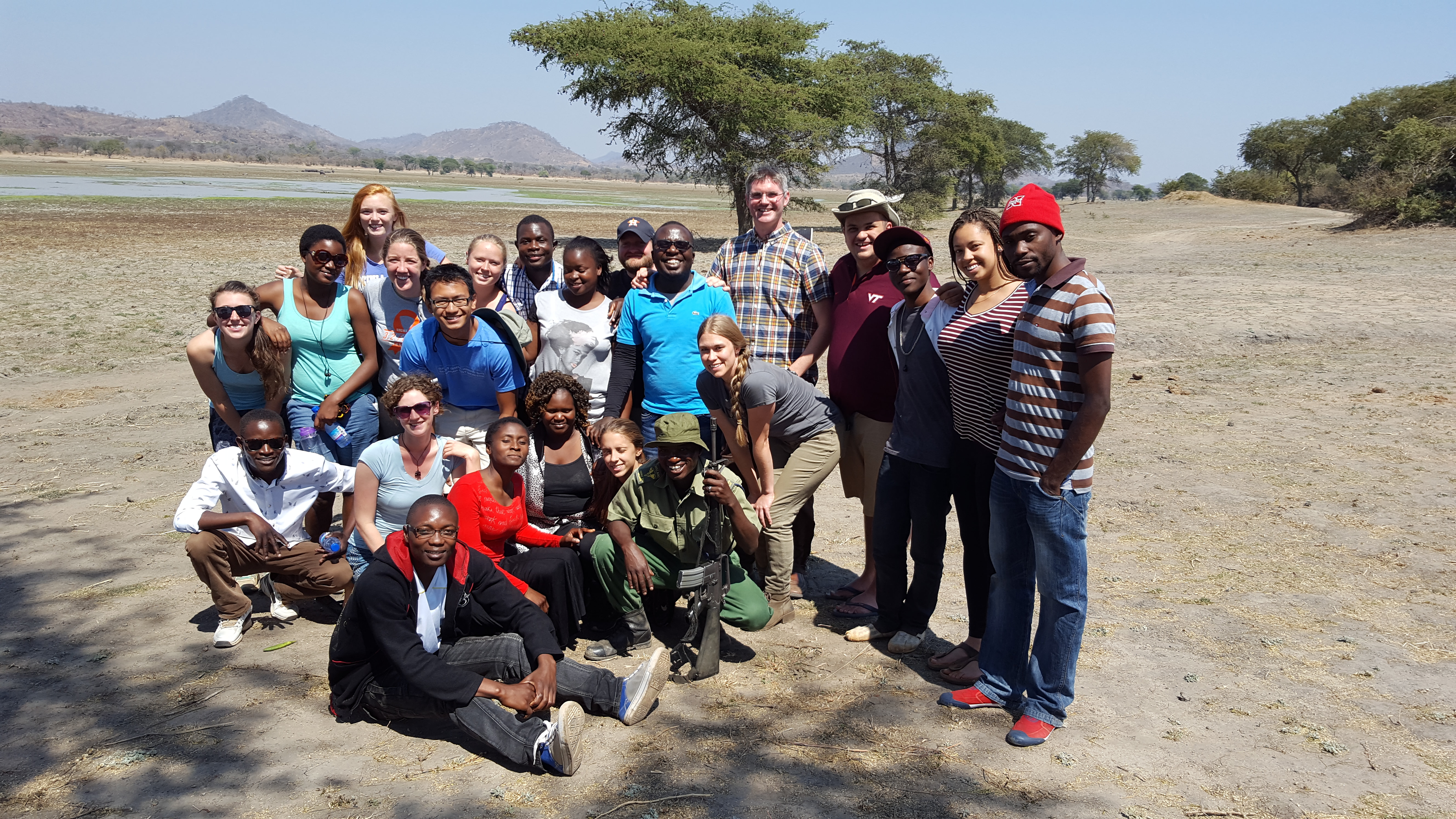 Today was the final day of the Experience WASH in Malawi study abroad course. Having spent the last three weeks working hard on research projects, the students visited Vwaza Marsh Wildlife Reserve – a national park to the north of Mzuzu. The lake in the park was full of hippos and surrounded by monkeys and gazelles, which provided our group with many hours of energized viewing.

I have posted the three final presentations from each of the research teams below along with a short document from the Sanitation and Fish teams that provide an overview of their research and results.
While I may be biased, I believe this study abroad course has been an excellent experience for all involved – students and instructors. We are now looking forward to 2017 when we hope to build on the success of this course and take on new research projects that will have a direct and meaningful impact on communities in Malawi.
Fish Team
Fish Team Briefing Document.
Sanitation Team
Sanitation Team Infographic.
Mapping Team
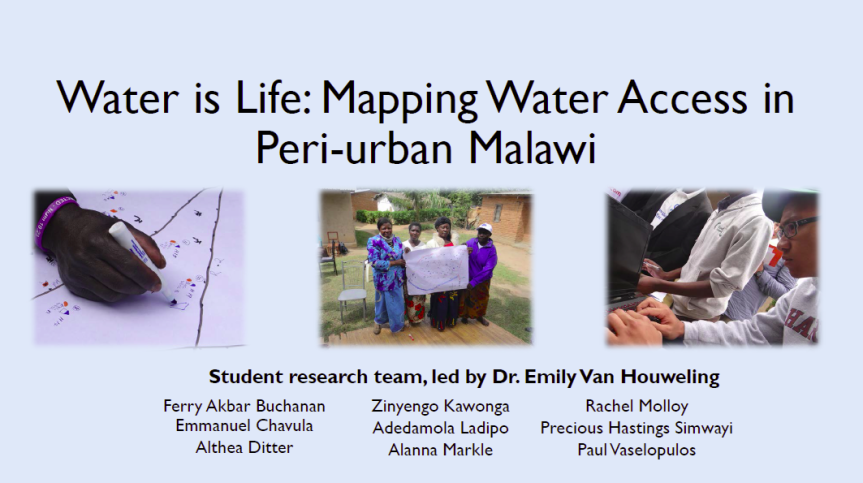
Congratulations Josh Lee!
This morning, Josh Lee (Urban Affairs and Planning graduate) successfully defended his capstone project focused on creating “A Behavior Change Framework for Handwashing With Soap.” A unique aspect of Josh’s research is that his final capstone report will be given to the Uganda Village Project (UVP) to provide the organization with a framework for developing a handwashing program.
Capstone abstract:
One of the greatest challenges to improving hygiene in poor and undeveloped areas is changing the behavior of the target population. Behavior is informed by the interactions between the body, brain, and surrounding environment. However, most interventions and project designs tend to target one of these aspects while failing to address all three in a comprehensive manner. This report aims to familiarize Uganda Village Project (UVP) with the latest findings in handwashing with soap (HWWS). In addition, the report explores three behavior change frameworks that help identify critical factors that influence behavior. Lastly, the report provides a behavior change framework that could be used by UVP to create a new handwashing intervention in Iganga. The report emphasizes the importance of social norms, environmental cues, and habit formation on behavior change. The recommended behavior change framework incorporates these elements to expand the traditional approach to changing handwashing behaviors. The hope is that this framework will enable UVP to identify the most critical factors (psychological, social, and environmental) that influence handwashing with soap behavior in Iganga, Uganda.
This September, Josh will be traveling to Senegal to start a two-year Peace Corps placement.
I served at the chair of Josh’s capstone committee, along with committee members Max Stephenson and Kerry Redican.
First Reviews of Sustainable Transportation Book
The first reviews of my co-authored book entitled Sustainable Transportation: Indicators, Frameworks, and Performance Management have been published.
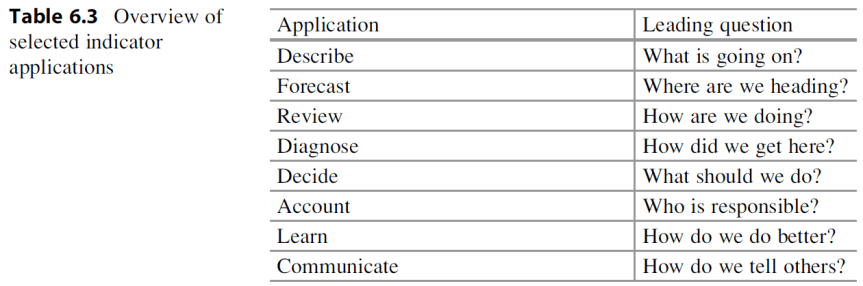
 The first review (in Danish) is from Prof. Steen Leleur (Technical University of Denmark) and can be accessed by clicking on the image to the left. I appreciate that Prof. Leleur highlighted the chapters on indicators (Chapter 6) and frameworks (Chapter 7). We tried to make these chapters as comprehensive and accessible as possible given their importance to the measurement of sustainable transportation. I believe a unique aspect of the book is the presentation of eight indicator applications (below), which embody the purpose to which the indicators are to be put. These indicator applications are applied to the four case studies in part two of the book to identify how indicators are being used for analysis, communication, and/or decision support. I agree with Prof. Leleur that it would have been nice to have included an index in the back of the book. Unfortunately, we did not have the resources to do this, but I hope this can be rectified in a future edition of the book.
“Bogen kan varmt anbefales til læsere, der ønsker et nærmere kendskab til transport og bæredygtighed og specielt til læsere, der på en eller anden måde er inddraget i udvikling og implementering af bæredygtig transport” (Steen Leleur). [Translation: The book is highly recommended for readers who want a closer knowledge of transport and sustainability, especially for readers who are in some way implicated in the development and implementation of sustainable transport.]
The second review is from Prof. Joseph Sussman (MIT) and can be accessed from the Journal of Planning Education and Research. During my doctoral research at MIT I had the pleasure of holding many extended discussions with Prof. Sussman on how sustainable transportation should or could be framed within the context of sustainable development. I credit much of the clarity we were able to develop on this complex subject to these early conversations and debates, which I continued with my co-authors during the writing of the book. I was pleased Prof. Sussman believes the book provides “a deeper, more scholarly treatment” of this subject than what we were able to achieve over a decade ago.
“This book represents a milestone along the path of a deeper understanding of both the transportation field and the planet’s need for an effective strategy to work toward a sustainable society. Any serious student of these topics would be remiss in not obtaining this book and reading it with care” (Joseph Sussman).
Selma’s Commencement
This morning I had the pleasure of hooding Selma Elouardighi, who successfully defended her PhD in Planning, Governance, & Globalization in April. Since Selma’s family were not able to travel from Morocco to the CAUS Commencement Ceremony, I recorded a video of the event for them through Google Glass. The video below captures my perspective of the ceremony and includes some fun behind the scenes moments.
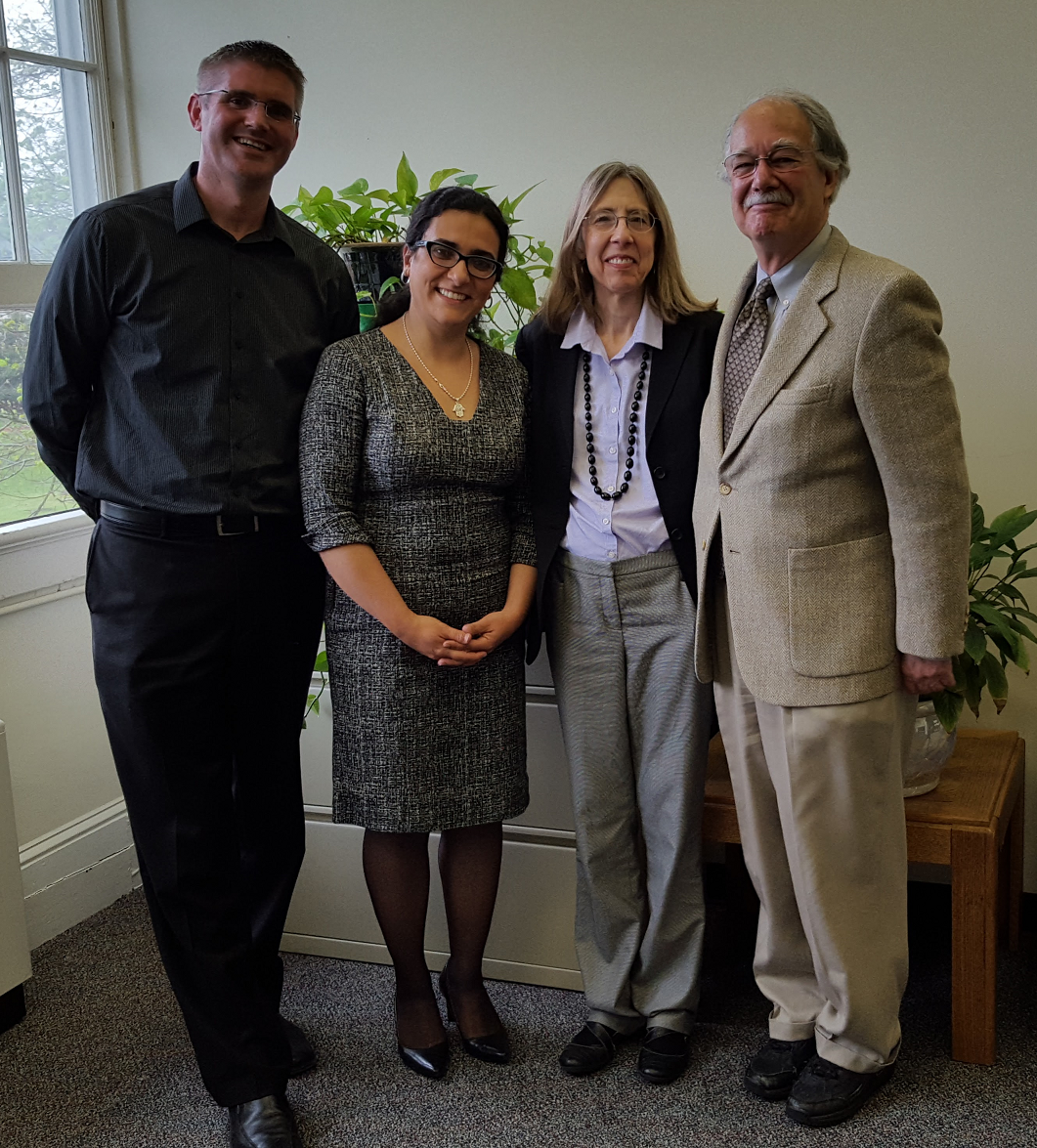
Congratulations Selma Elouardighi!
This afternoon, Selma Elouardighi successfully defended her dissertation entitled “The Transfer of Environmental Best Practices from Developed to Developing Countries through Multinational Corporations.”
I have provided a brief excerpt from her dissertation below that captures the essence of her research.
This research was prompted by a desire to understand why Moroccan cement companies have adopted advanced environmental responsibility practices far beyond those used by companies in the other sectors of the national economy. While corporate environmental stewardship in Morocco is generally lacking, cement producers have adopted best practices. This observation prompted two questions: why did the cement sector adopt, of its own volition, advanced environmental performance in the absence of the impetus of the state (i.e., stringent and enforced regulation), and how was the industry able to change course, develop, and adopt these best practices? Answering these questions meant identifying the power structures capable of inducing behavioral change within Moroccan companies, as well as the mechanics through which new knowledge is generated within the same context.
Using process tracing as a research methodology, … this research analyzed the external business environment of cement subsidiaries in Morocco, and uncovered the processes through which the adoption of EBP by Moroccan cement subsidiaries was enabled.
Using the knowledge she obtained through her research, Selma set-up an NGO in Morocco in 2014 to help create an Industrial Cluster for Environmental Services (known as CISE-Marco). The NGO and its partners subsequently applied for and received a green entrepreneurship grant from the U.S. Department of State to promote cleaner production processes and green jobs in Morocco. Her research and subsequent work provide an excellent example of how students from SPIA’s PGG program are focusing on significant and real-world problems.
I served as the co-chair of Selma’s doctoral committee, alongside Edward Weisband (co-chair), Karen Hult, and Deborah Gallagher.
Nneoma Nwankwo – a “VT-Shaped” Student
Congratulations Nneoma Nwankwo for being named Virginia Tech’s Undergraduate Student of the Year! This is a significant accomplishment and is very well deserved.
Having worked closely with Nneoma over the past several years, I believe she provides a great example of what we will soon be referring to as the “VT-Shaped” student – i.e., a student with disciplinary depth, interdisciplinary and broader (universal) capacities, and a strong service/engagement ethic. Her work on menstrual hygiene management (MHM) in Africa is one example of how she is able to use her knowledge, skills, and compassion to serve the undeserved and bring attention to an important global issue.

Open Data Week at VT
Next Tuesday, Eric Vance and I will kick off VT’s Open Data Week with a presentation/discussion entilted “Data Anonymization: Lessons from a Millennium Challenge Corporation Impact Evaluation.”
When: Tuesday, March 29, 2:00-3:15 p.m
Where: Newman 207A

Video Feedback Community
Thanks to everyone who attended my CHEP 2016 practice session yesterday on Providing Video Feedback on Assignments. After my presentation I spoke with several people who were interested in creating a private community where educators could discuss issues related to providing video feedback. This community would be a place to discuss platform/software/technical issues and to discuss ways to maximize the value of the video feedback provided to students. Thus, I have decided to keep the “Video Feedback” community I created for the practice session and will enroll educators into this community upon request. Please send me an email if you would like to join the conversation (make sure you send this email from the account you have linked to a Google+ profile).
The Video Feedback community can be accessed by selecting the image below. If you are not yet a member and would like to join, you can ask to join the community while viewing the community information. I recommend you list your academic affiliation on your Google+ profile so I know your interest in the community is genuine.

 Ralph P Hall