Generative AI for High School Innovators

I’m pleased to announce the Center for Future Work Places and Practices (CFWPP) will be running a new two-week course this summer for high school students, entitled “From Data to Generative AI: A Journey through Machine Learning.”

This course is designed for students in Grades 9–12. No prior experience in coding or artificial intelligence is required—just bring your curiosity and enthusiasm.

Win a Scholarship! Essay Contest for VA Students

Virginia high school students in grades 9-11 are invited to participate in an essay contest exploring AI’s future!

  • Theme: How AI is shaping society, education, work, or ethics
  • Length: 800-1,000 words
  • Prize: Five (5) winners will receive a full scholarship to this summer school!
  • Deadline: June 20, 2025
  • Award Notification: June 30, 2025
  • Submit: Essay + CV to vtcfwpp@gmail.com

What Student Will Learn

  • Understand how generative AI works – from neural networks to transformers like GPT and DALL·E.
  • Create content with AI tools – use platforms like ChatGPT, Midjourney, and Llama to write stories, design graphics, and generate music.
  • Analyze ethical and social implications – explore bias, misinformation, creativity, authorship, and responsible AI use.
  • Develop your own AI mini-project – pitch and present a creative application of generative AI to solve a real-world problem or express a unique idea.
  • Build foundational knowledge in machine learning concepts like training data, model outputs, and prompt engineering.

Agenda/Schedule (July, 2025)

Week 1: Foundations of Machine Learning and AI
Session 1: Introduction to AI and Machine Learning
Session 2: How Machines Learn
Session 3: Data in Machine Learning
Session 4: Machine Learning with AWS
Session 5: Building Our First ML Model

Week 2: Generative AI and more
Session 6: Introduction to Generative AI
Session 7: Neural Networks and Deep Learning
Session 8: Natural Language Processing (NLP)
Session 9: Ethics and Societal Impact of AI
Session 10: Capstone Project and Showcase

Prerequisites: Curious, open to learning, comfortable with basic use of computers.

Tuition Fees: In-State: $400, Out-of-State: $1000
Pisa Study Abroad Program (in photos)

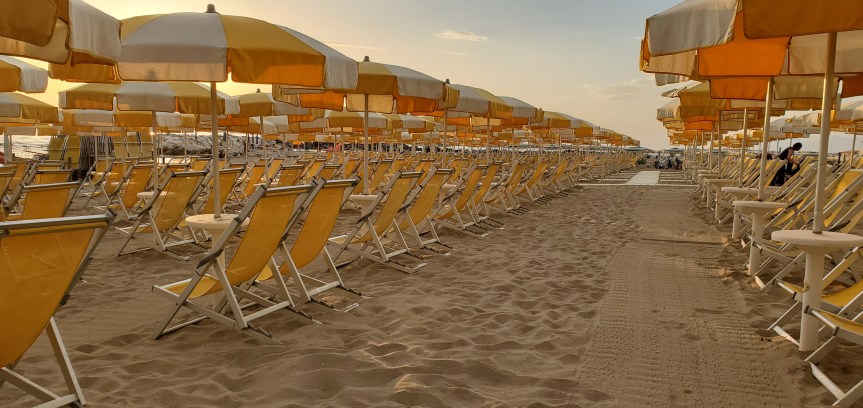
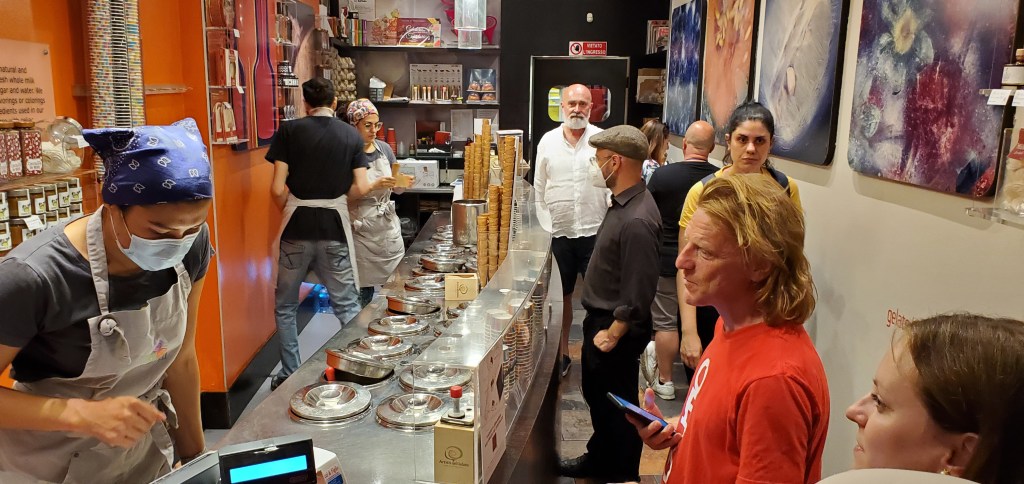
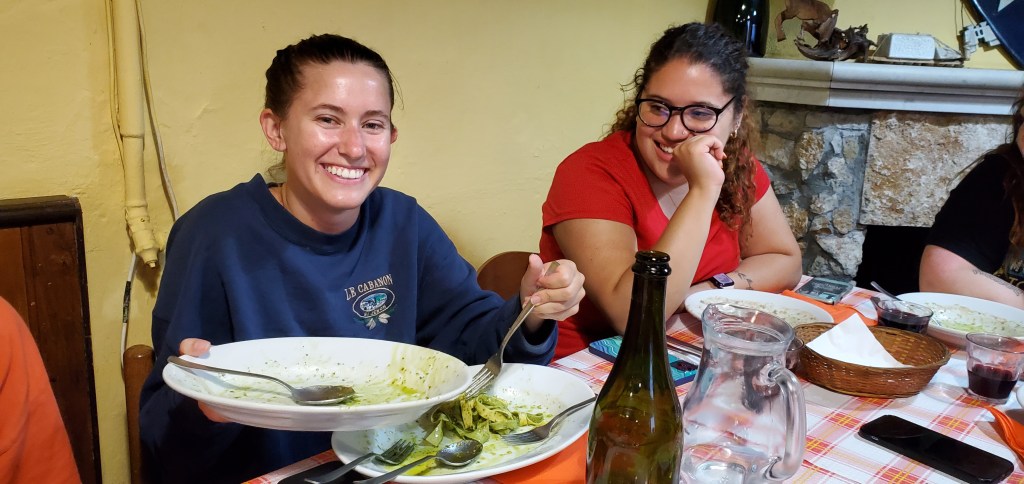
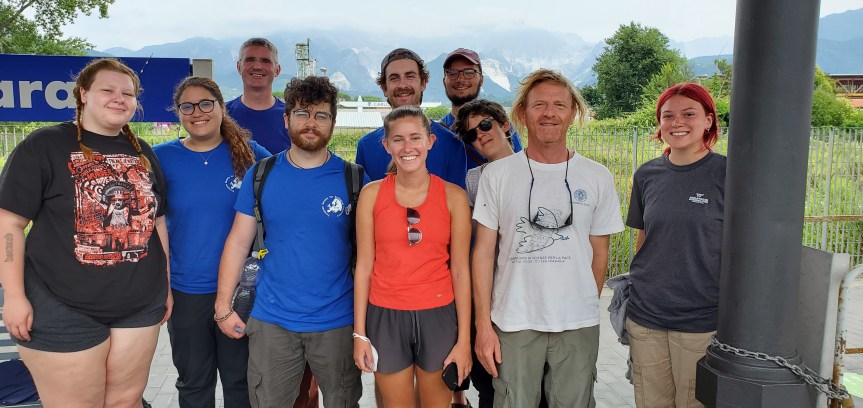
Over the past several weeks, I’ve had the pleasure of leading a study abroad program with colleagues at MIT and the University of Pisa that involved a summer school, an international conference, and a hiking expedition in the Apuan Alps. Since we all survived the experience and had an amazing time in the process, I thought I’d share some pictures/videos from each phase of the program.

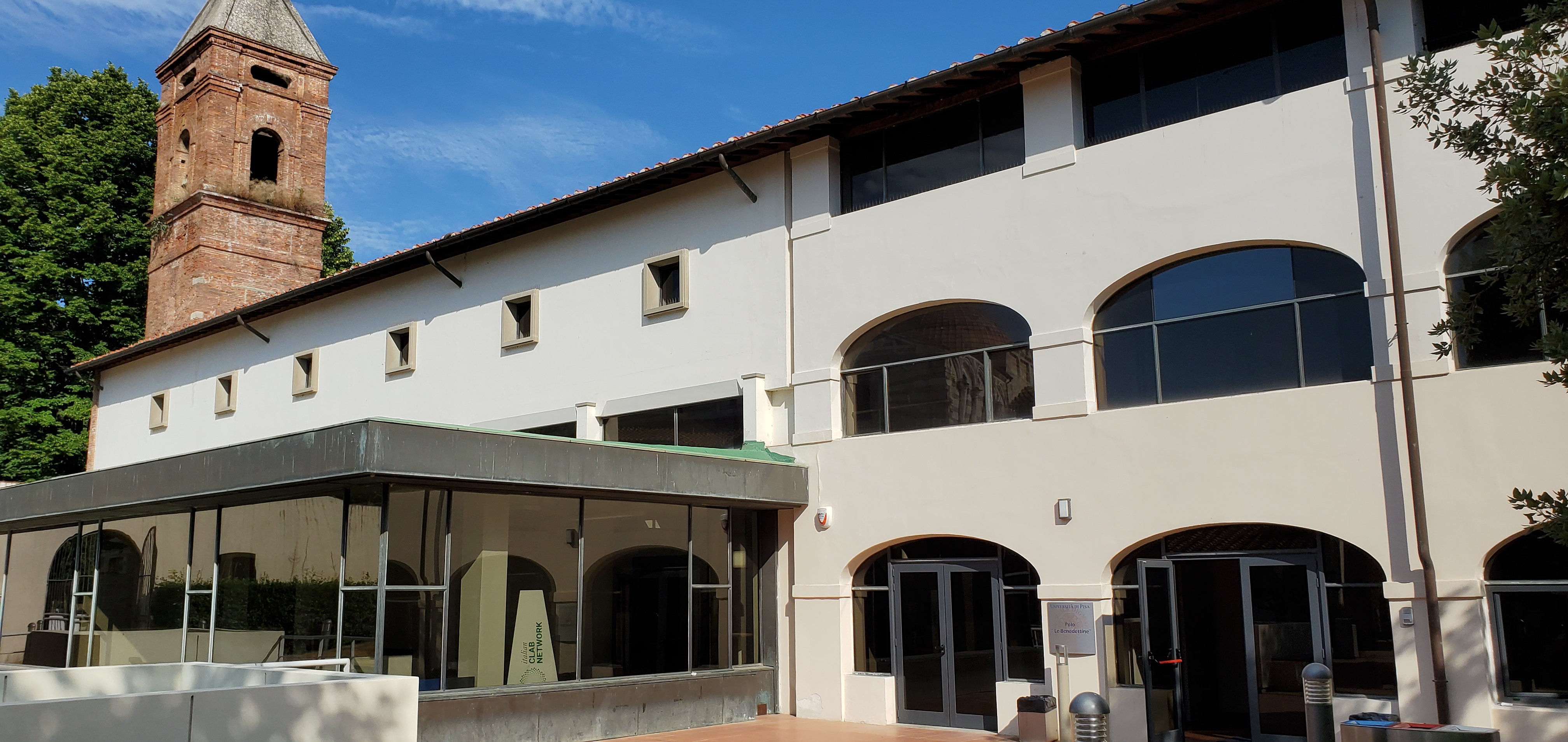
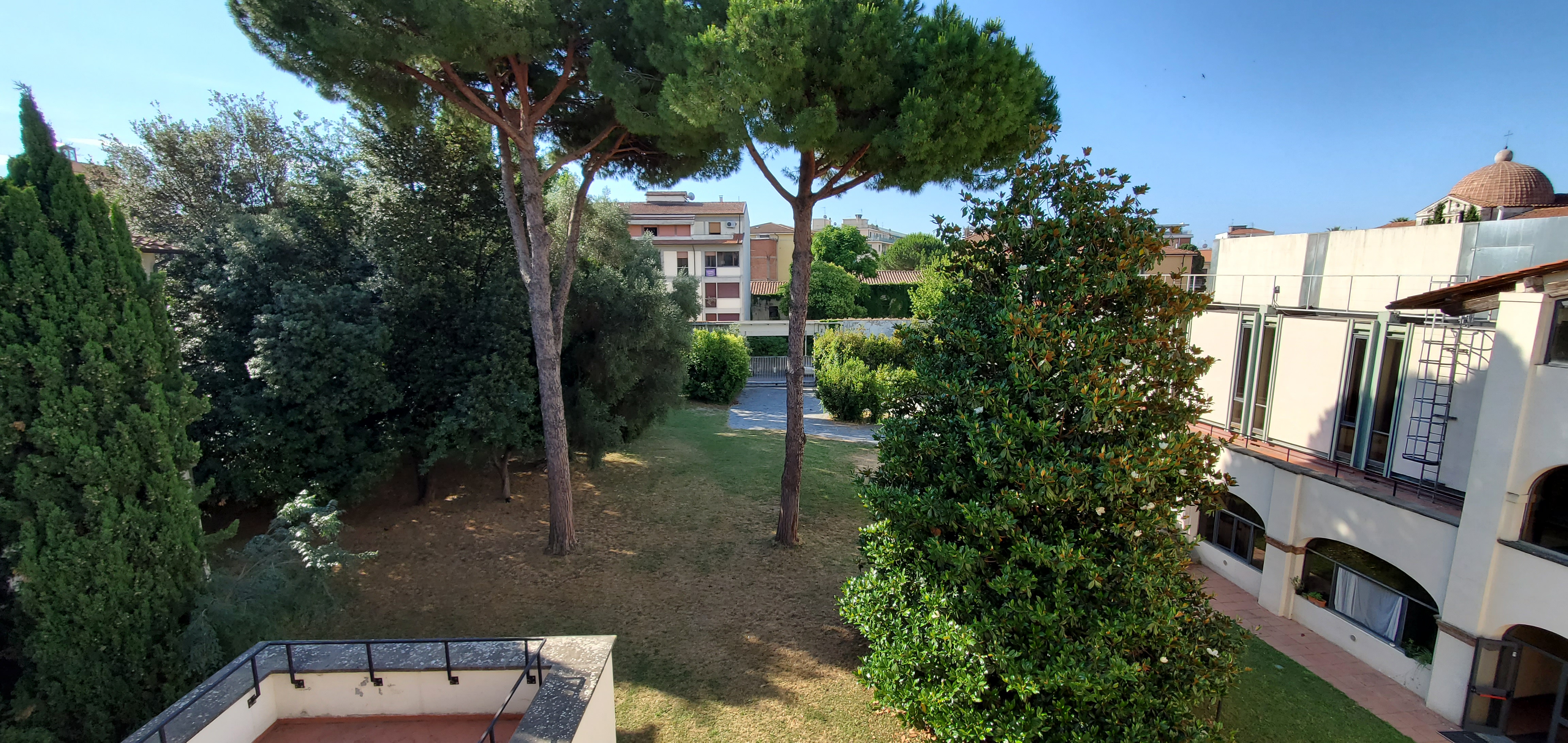
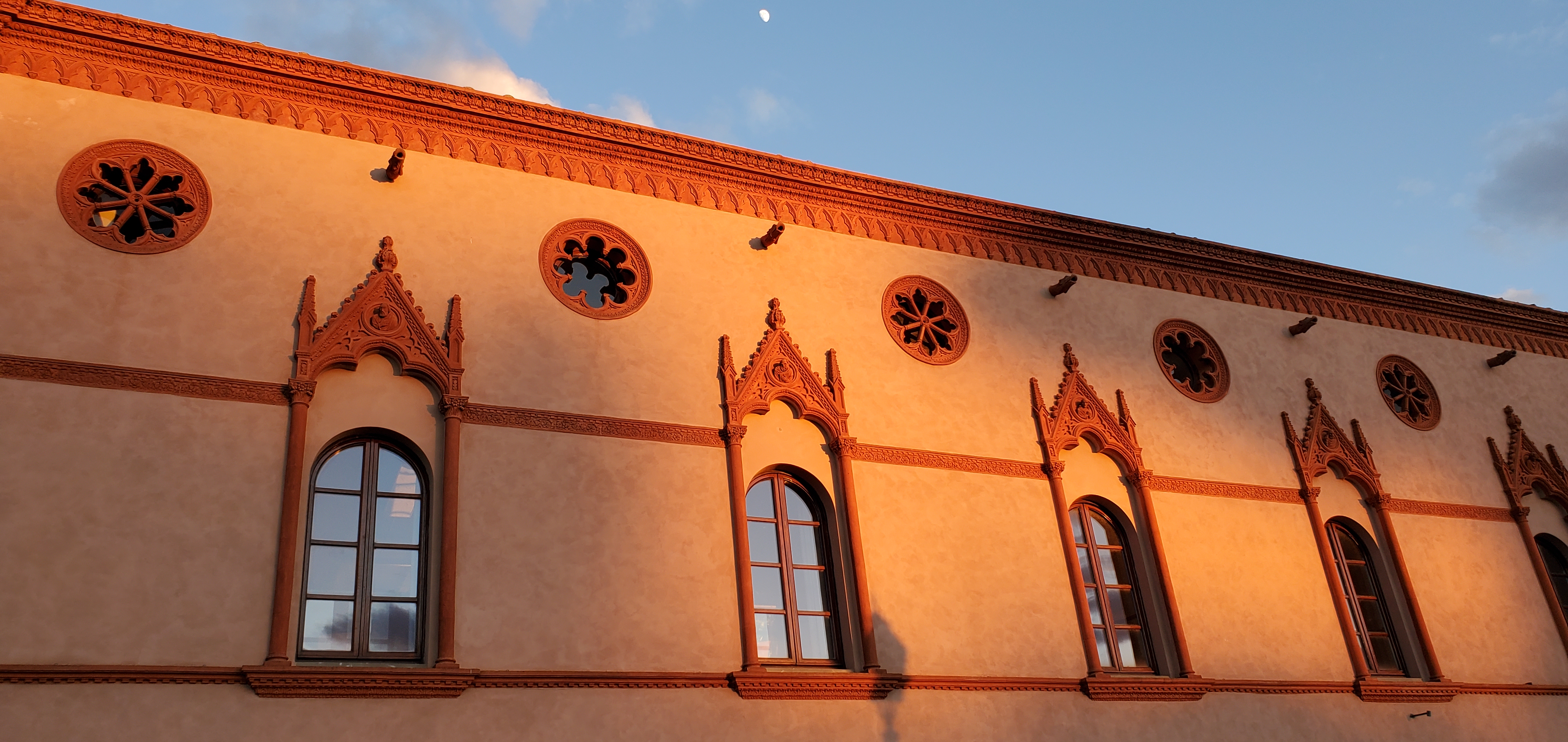
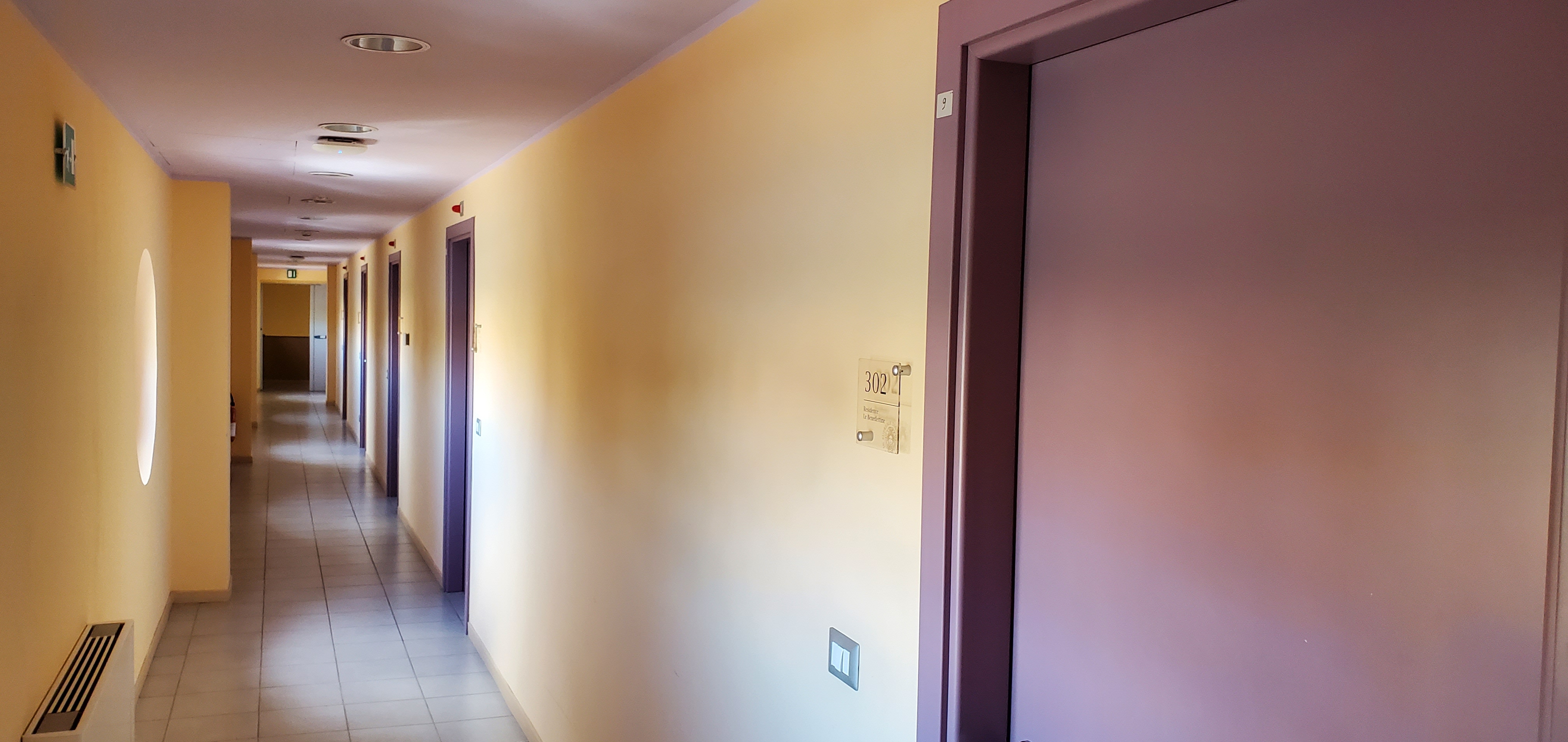
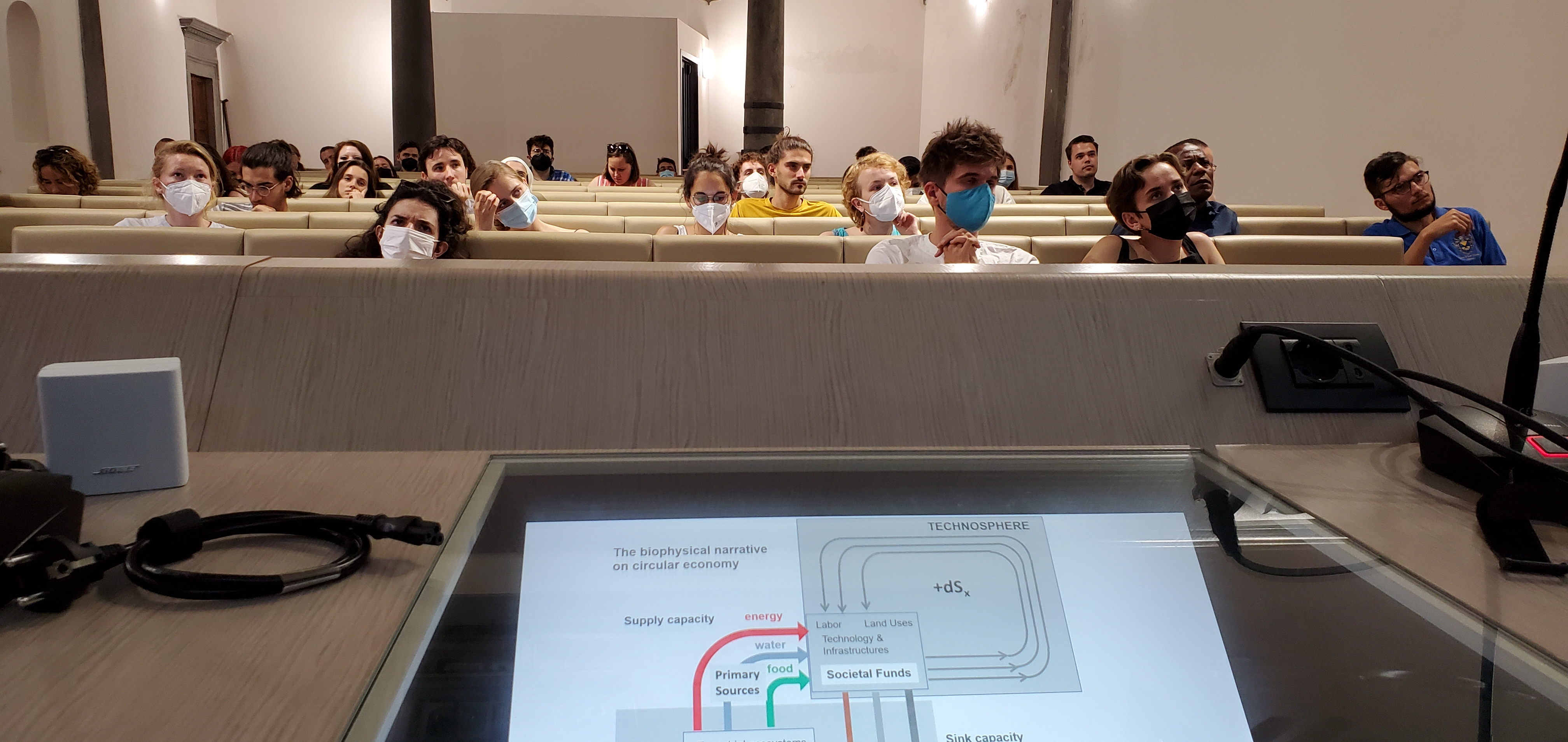
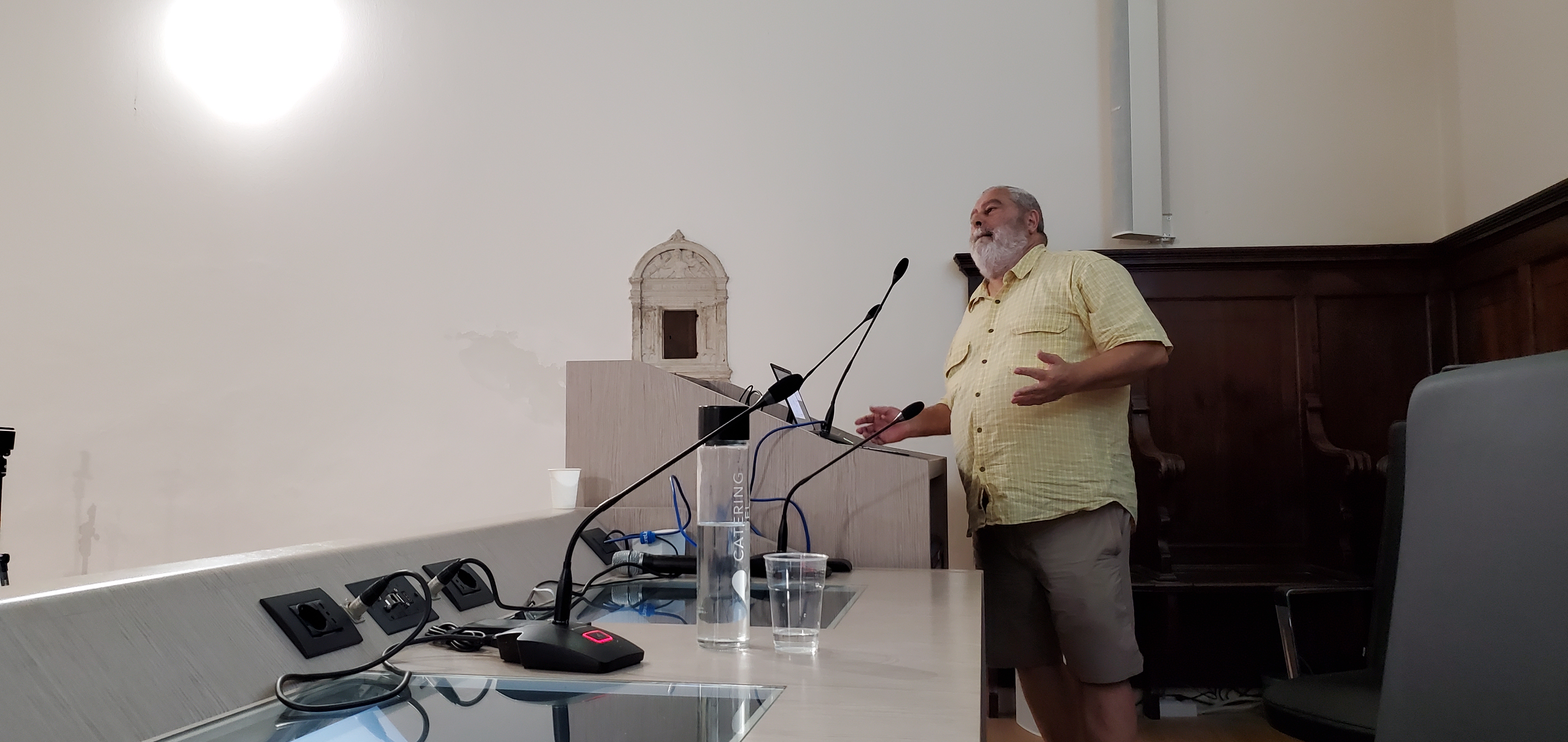
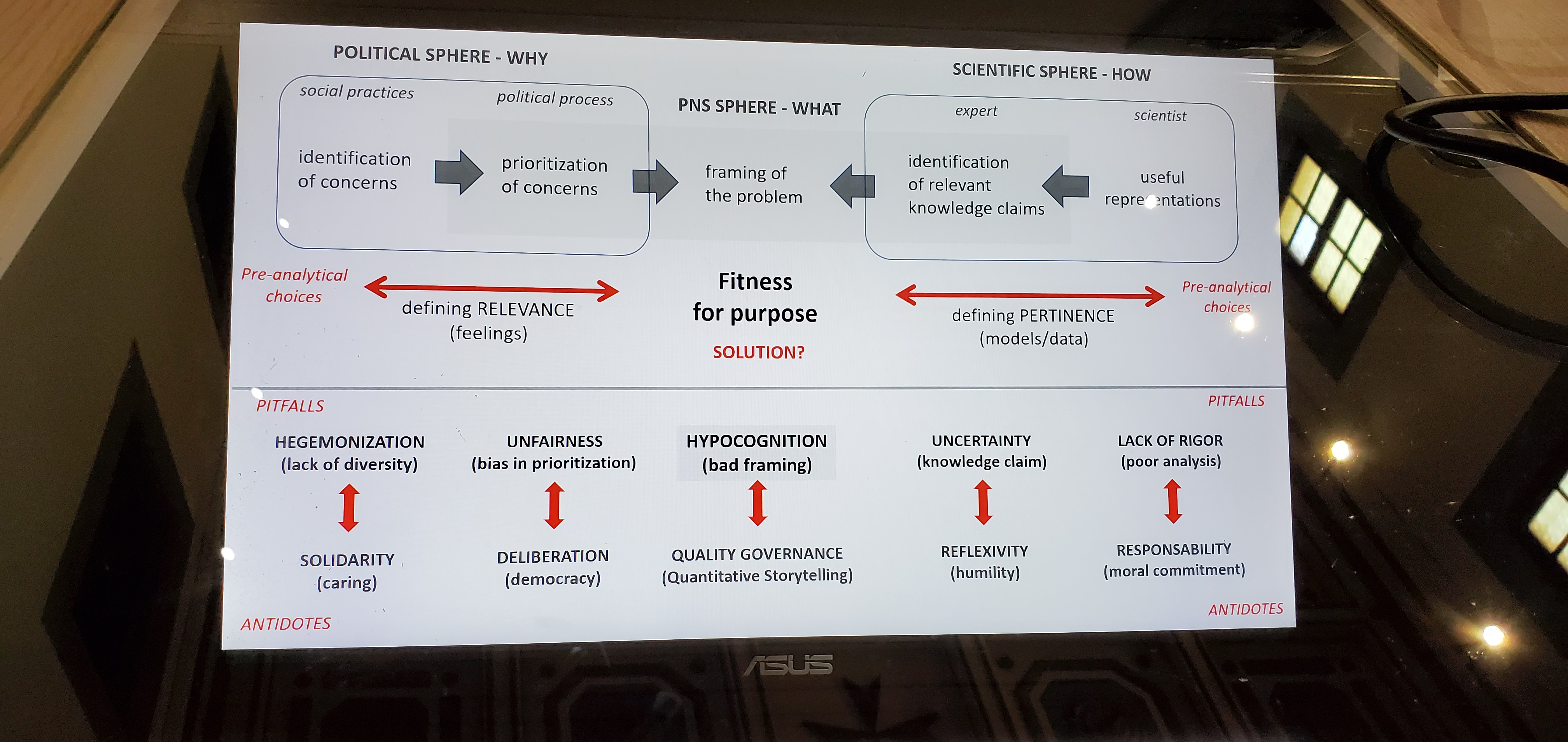
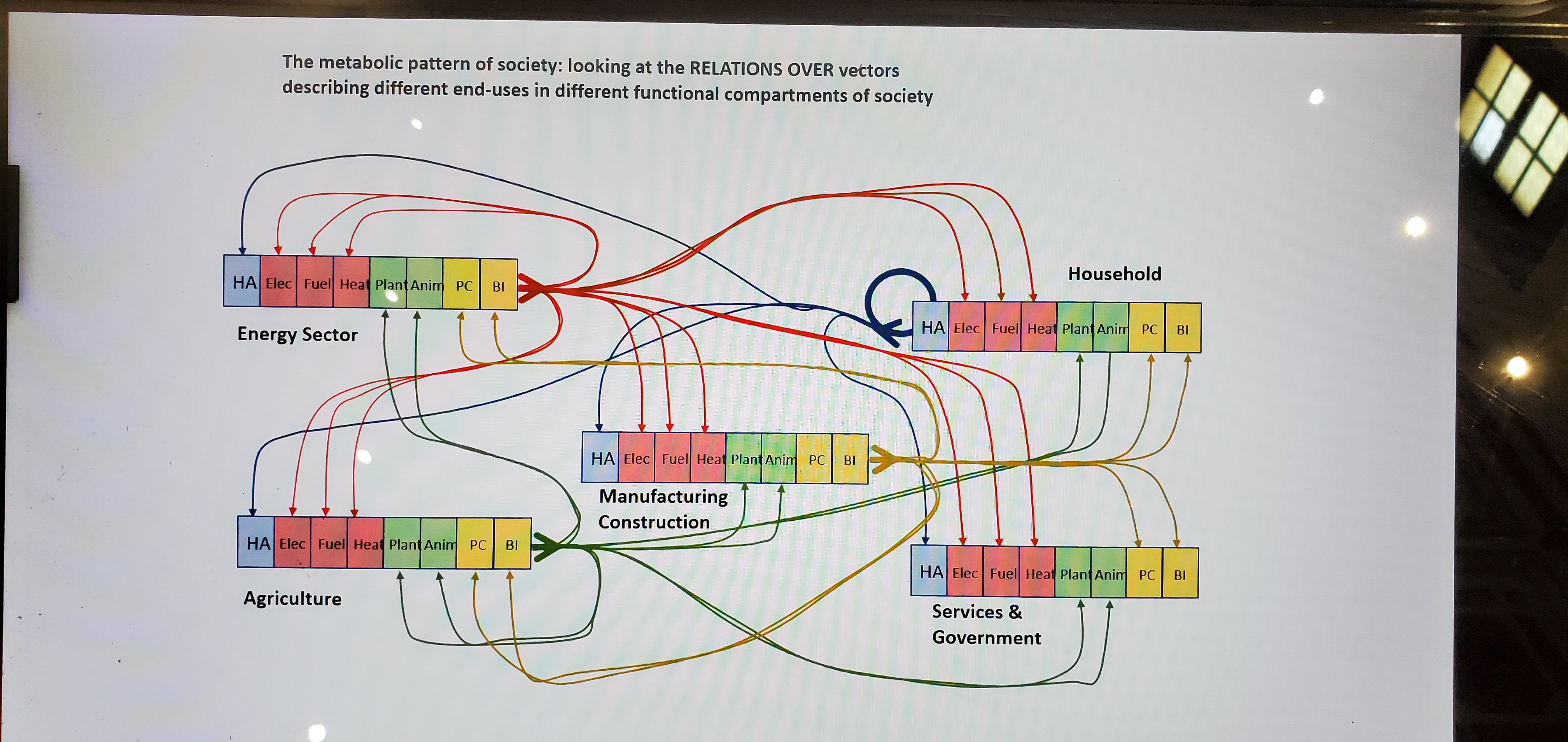
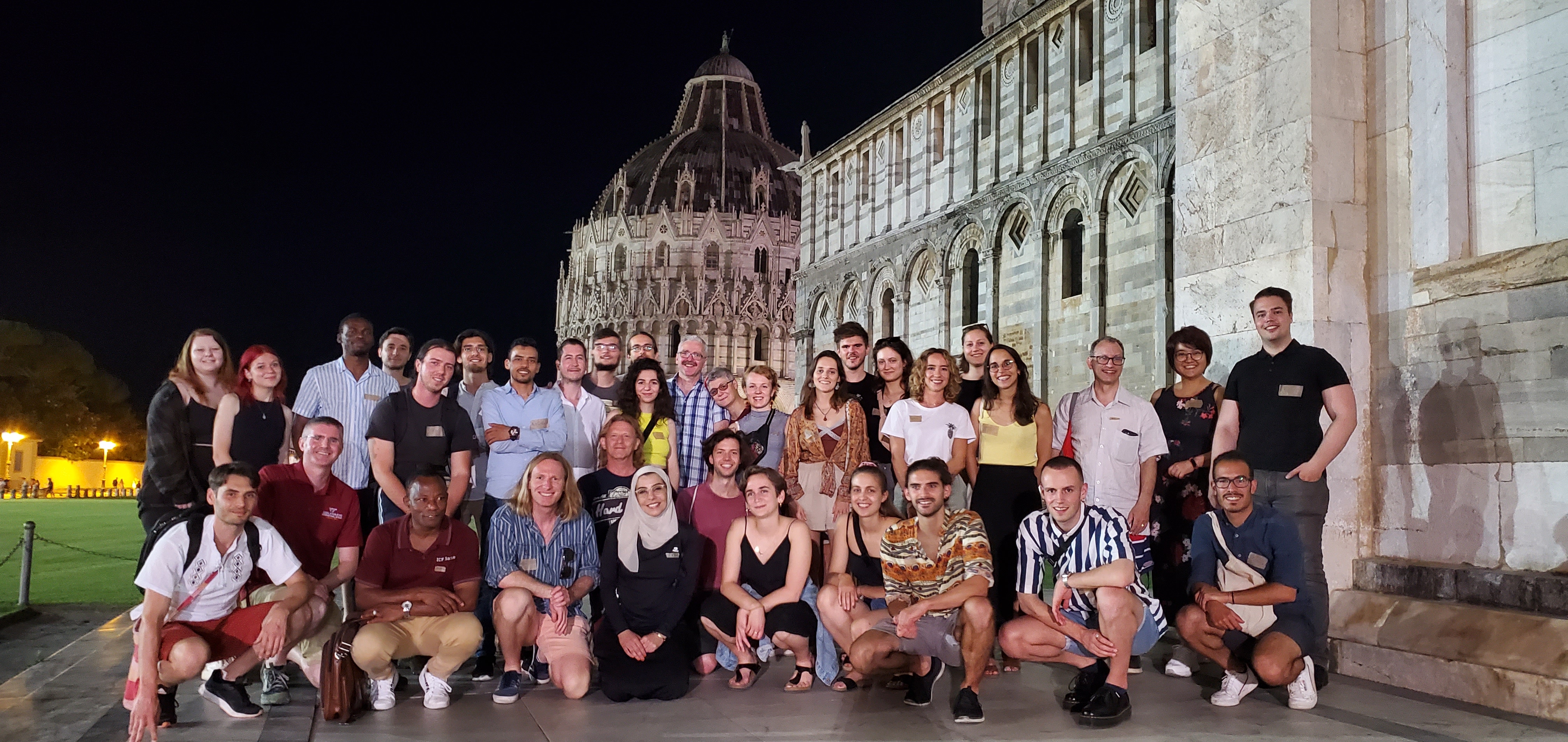
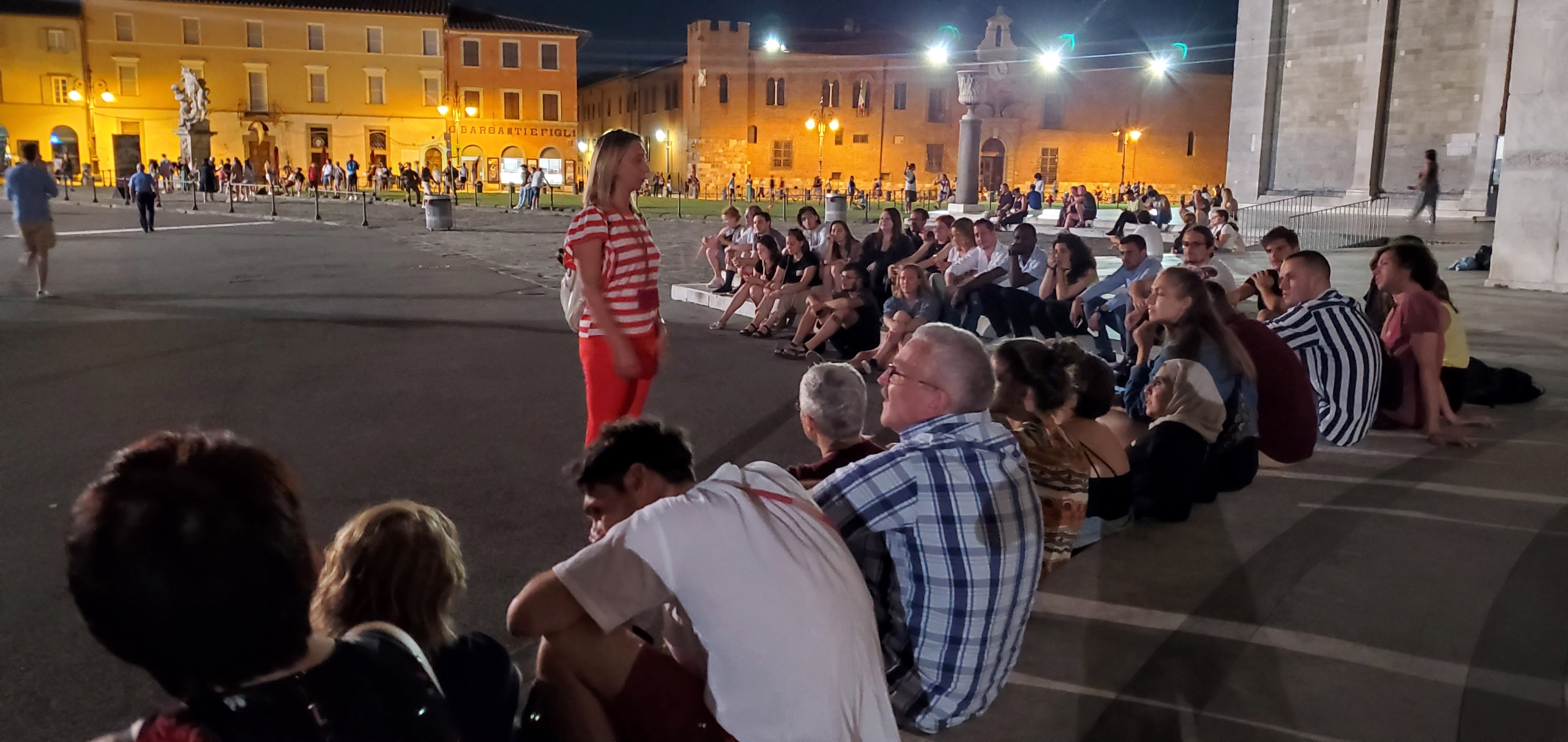
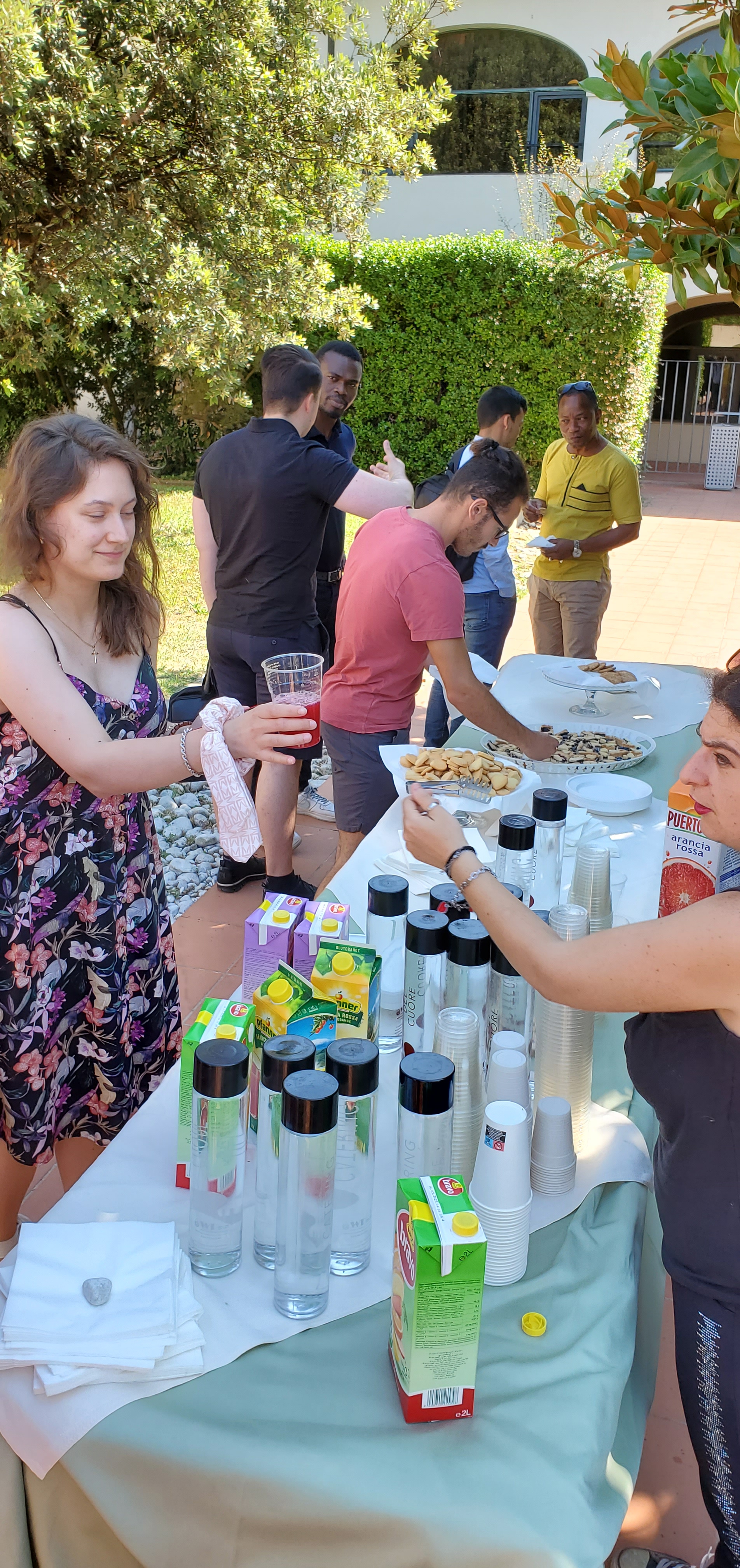
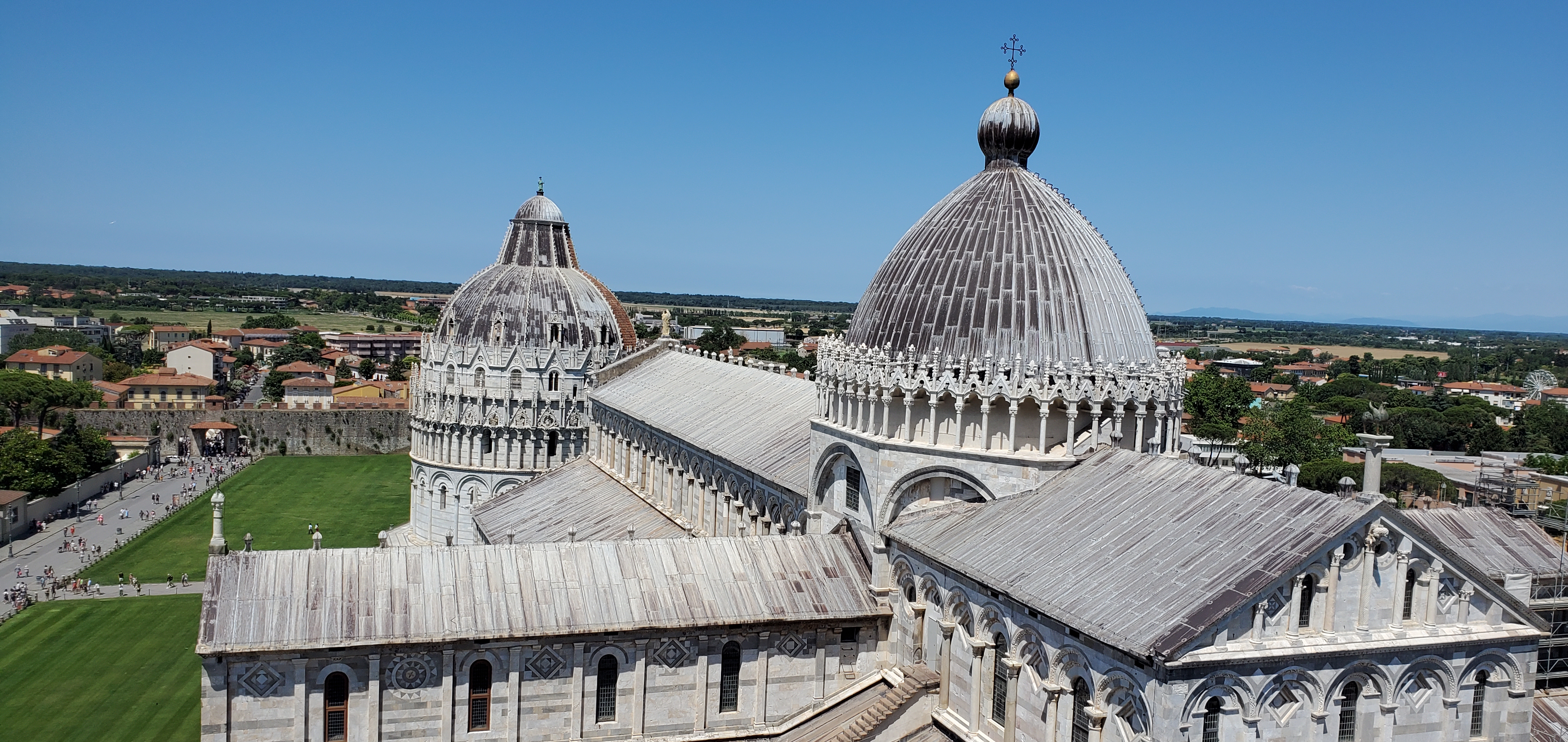
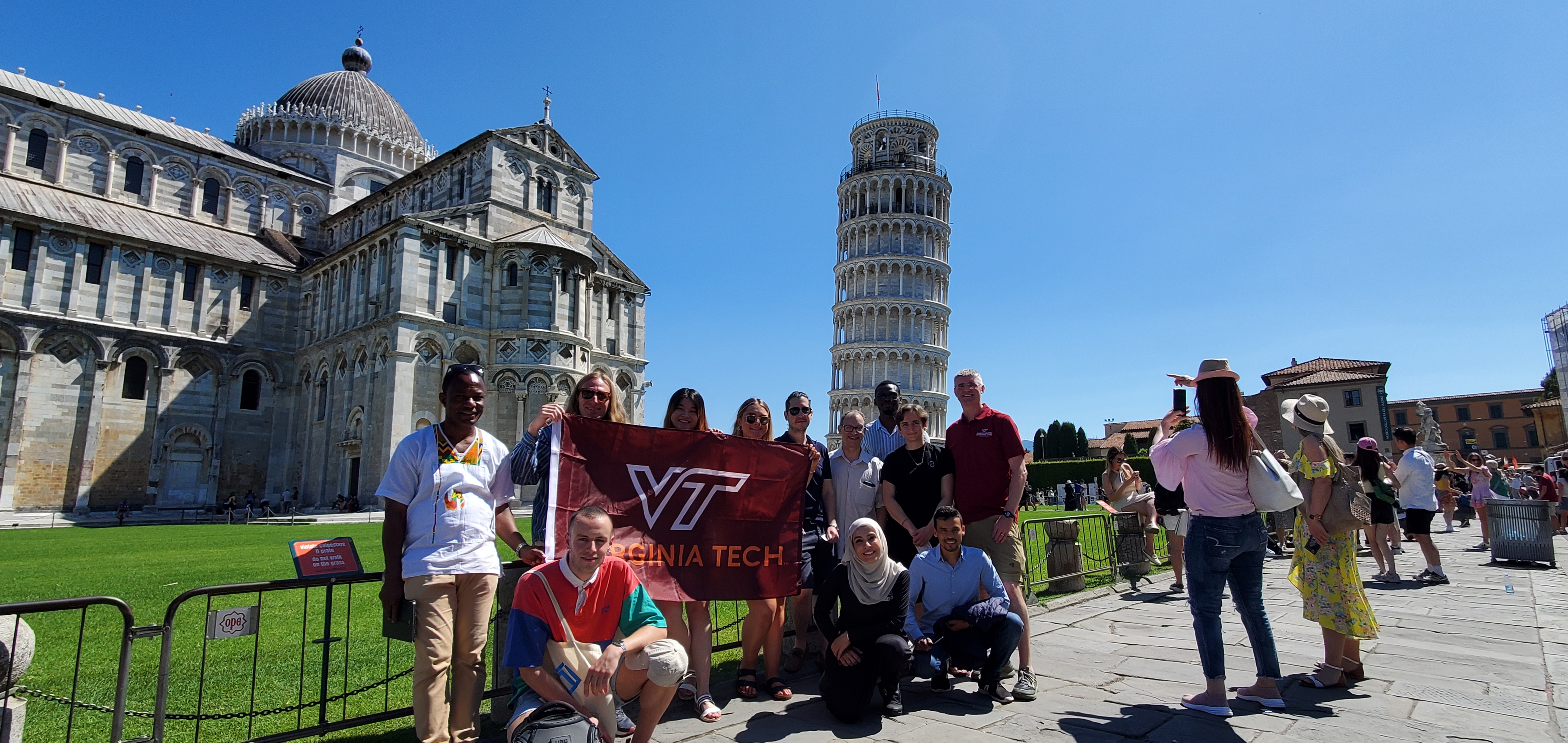
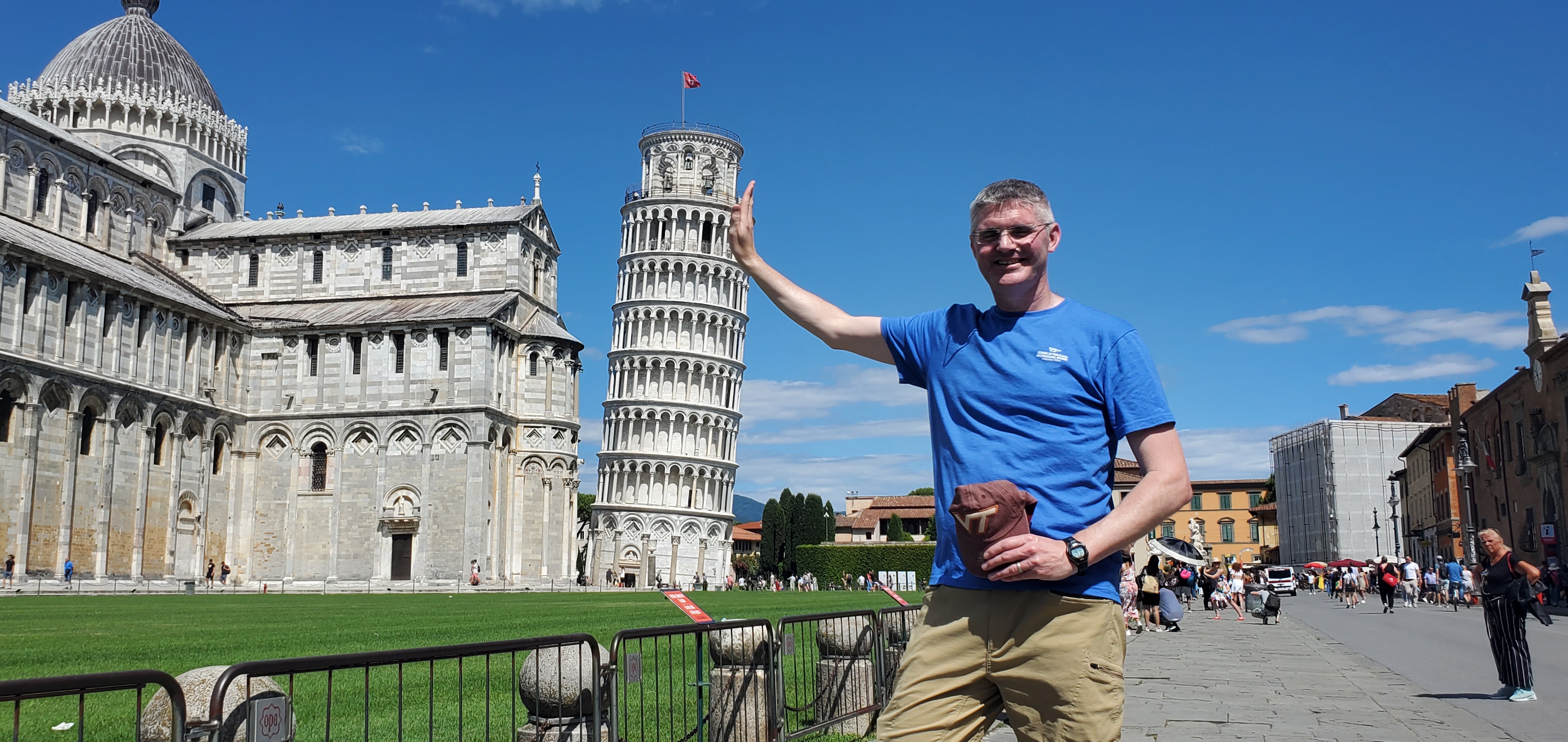
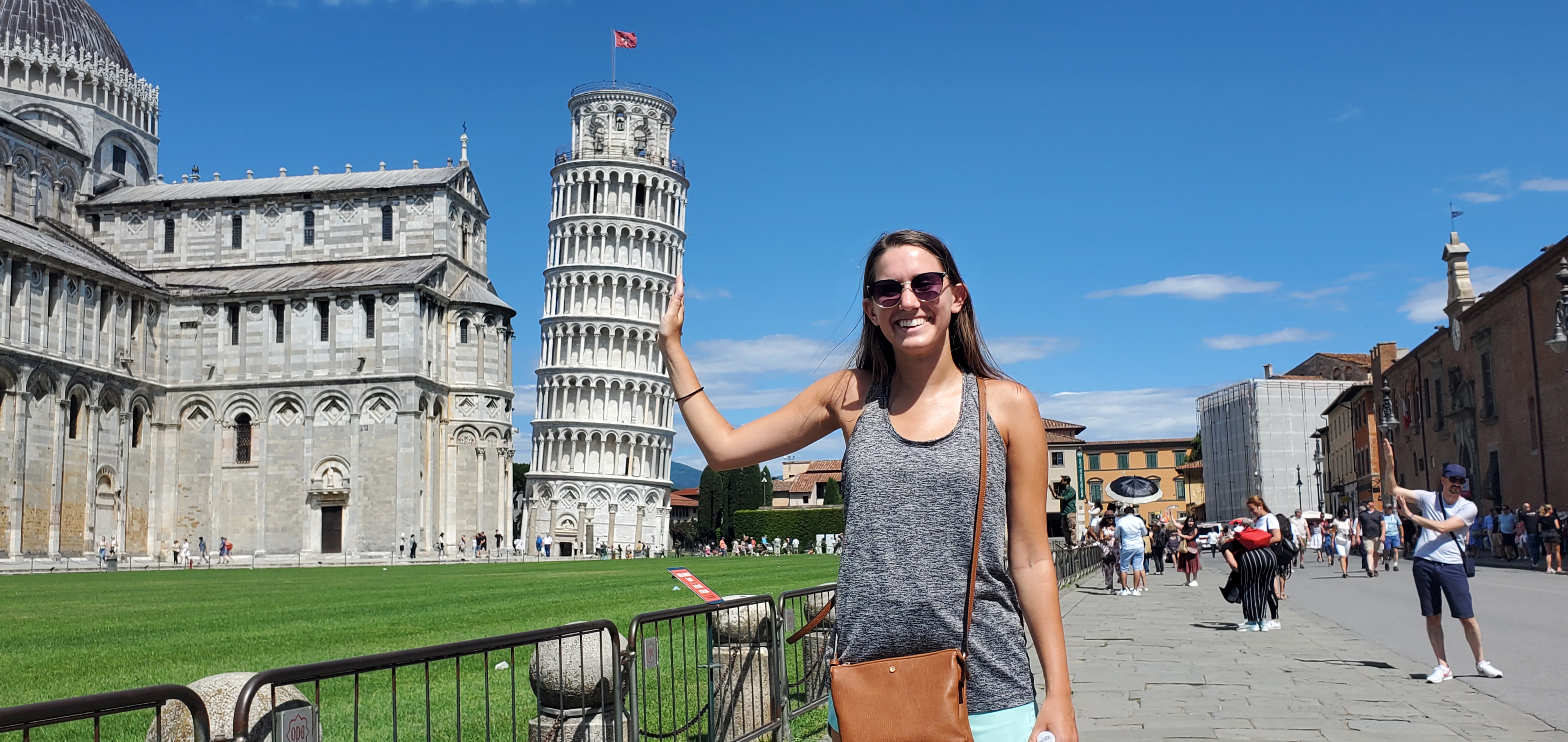
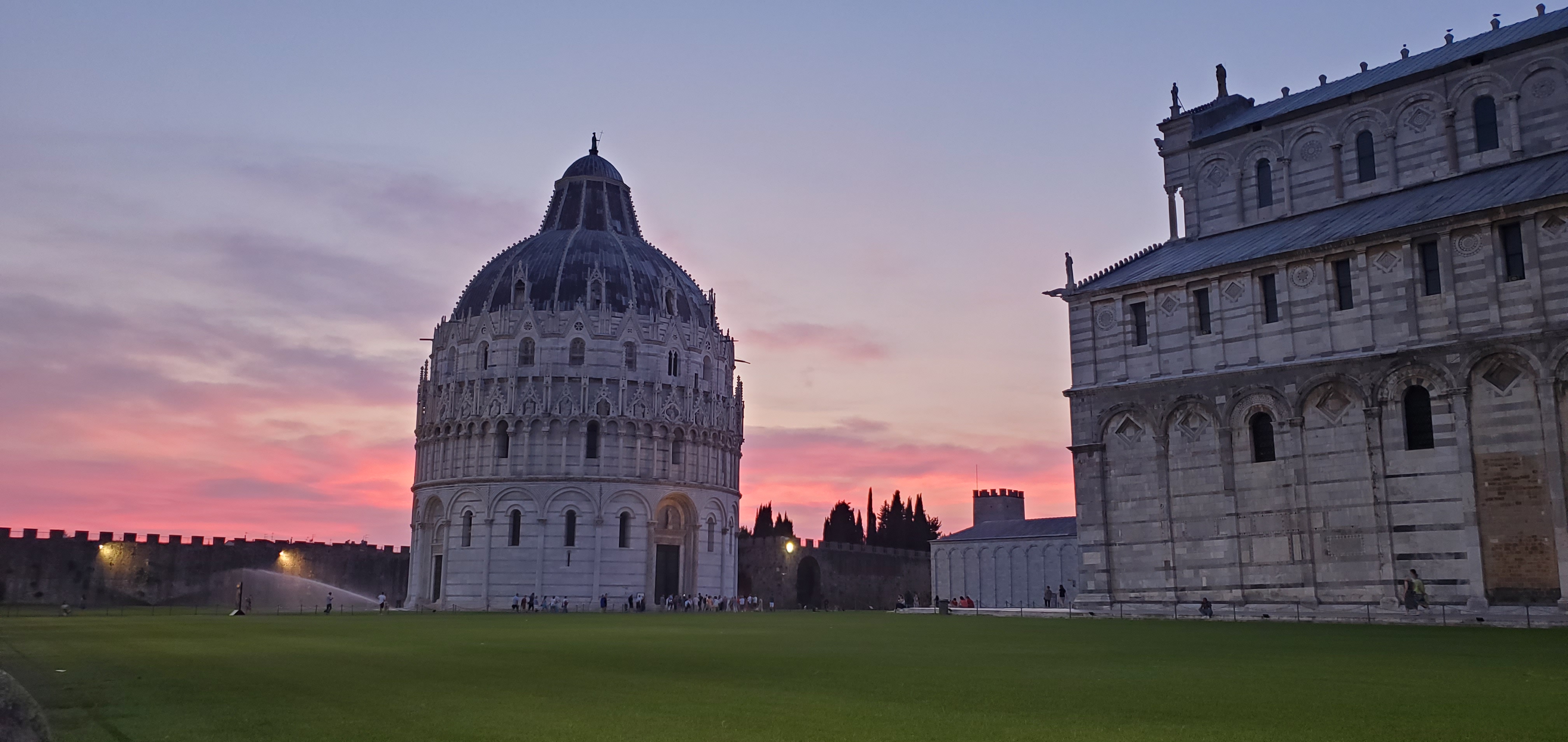
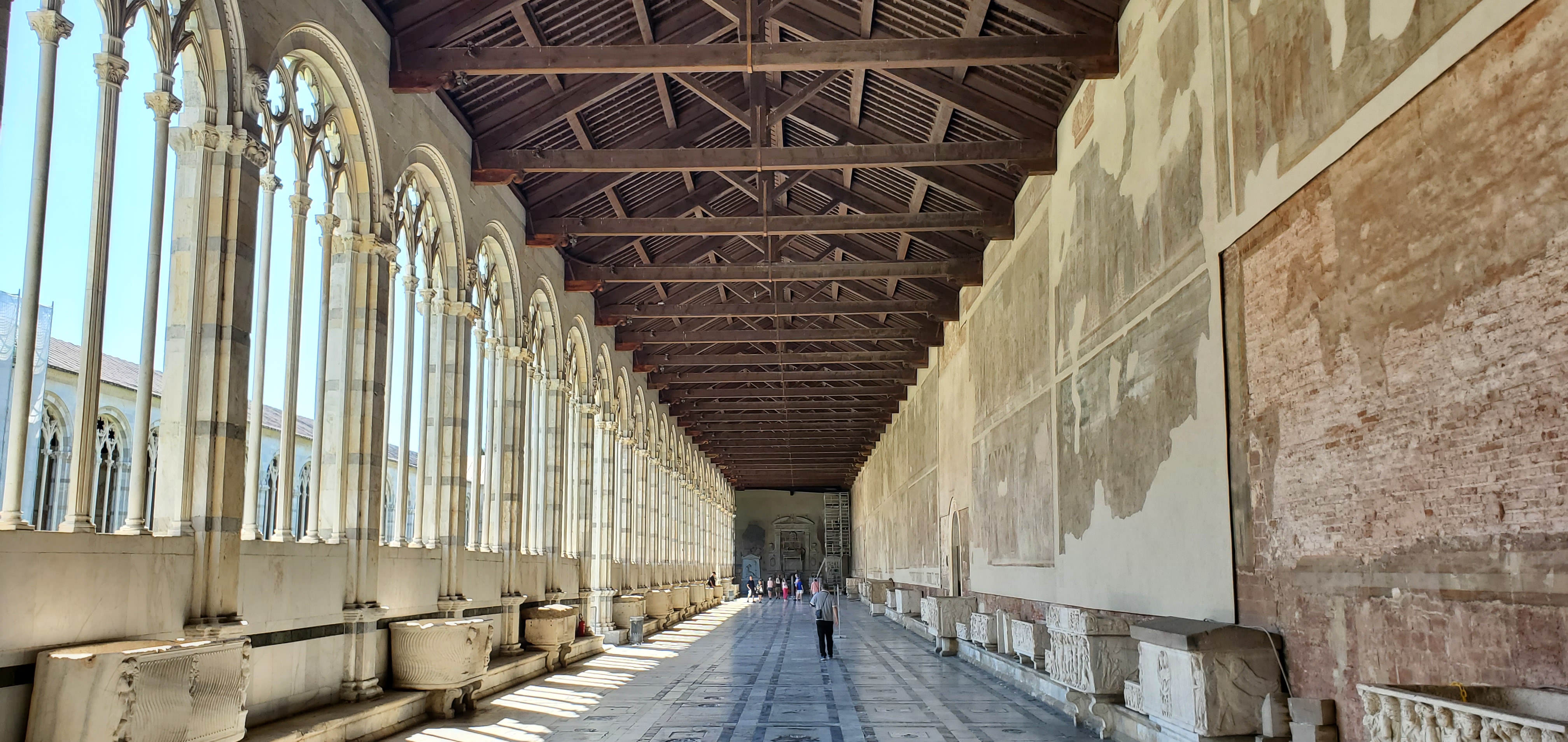
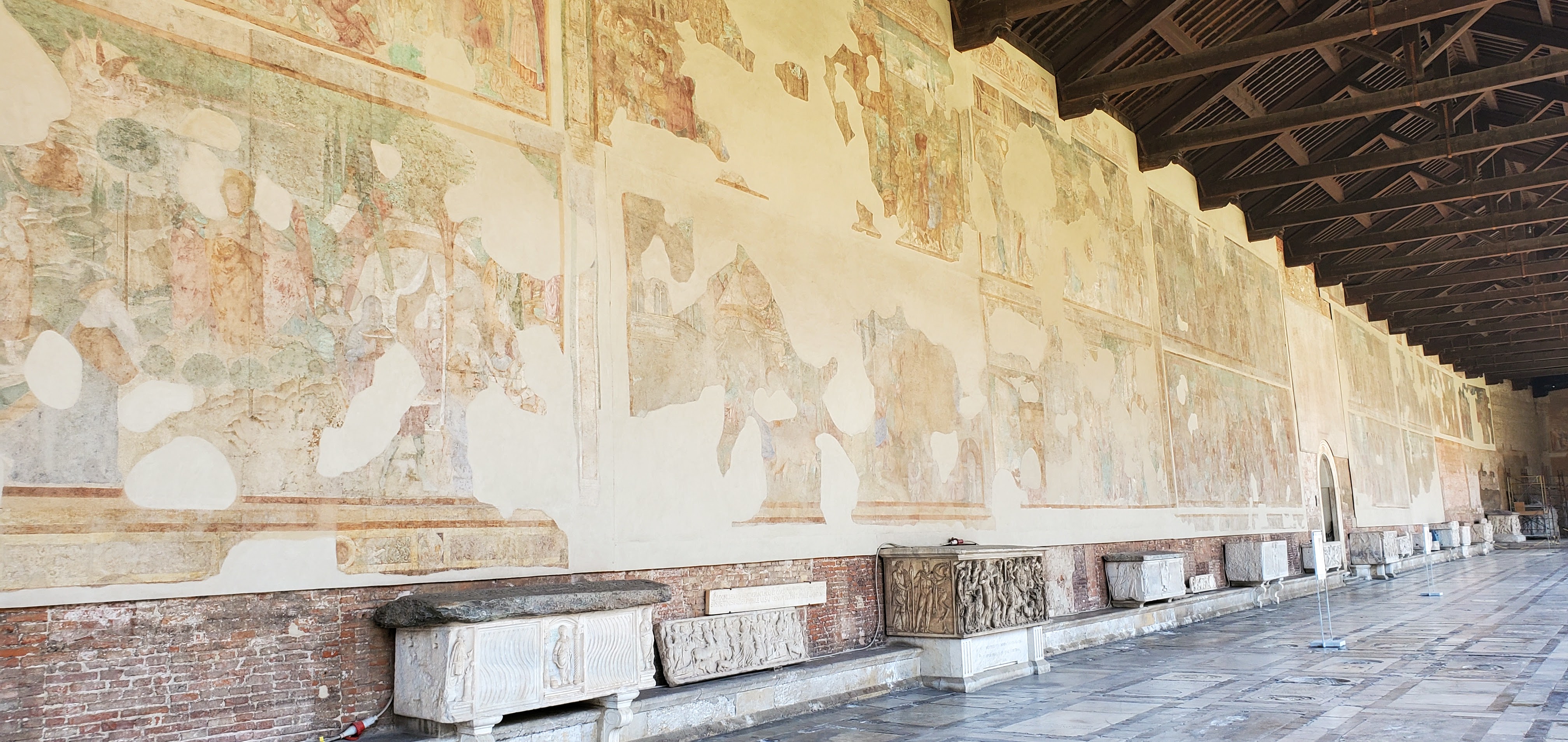
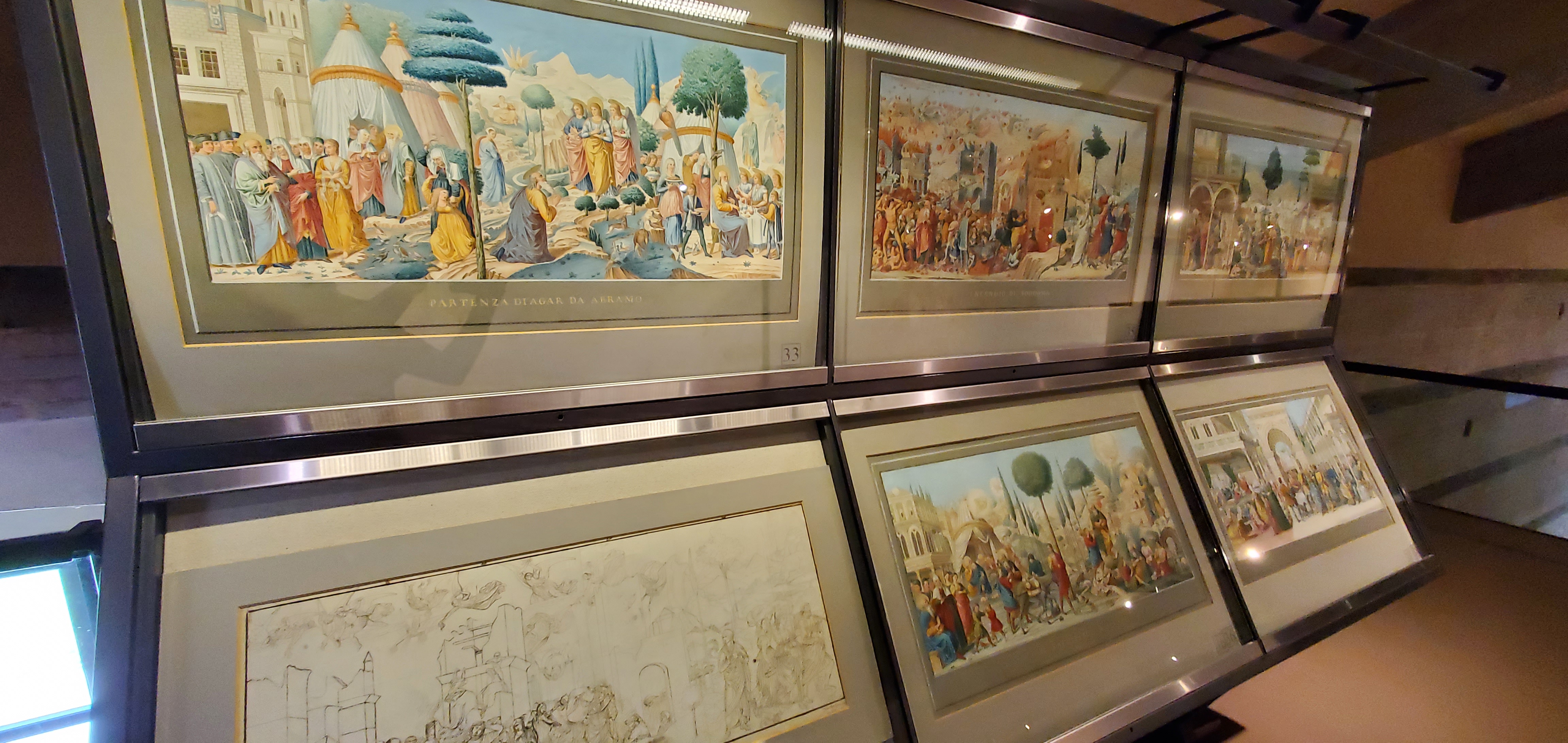
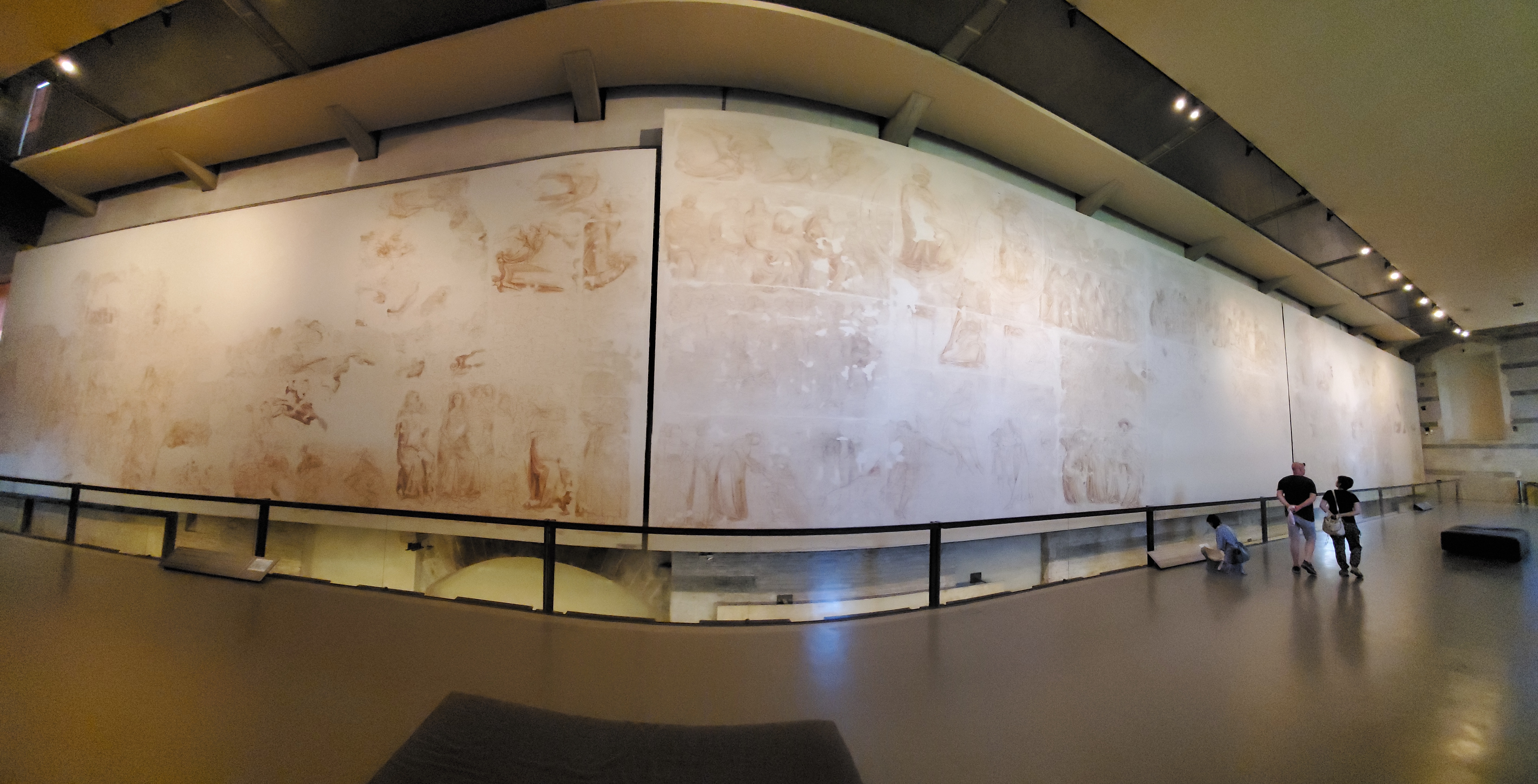
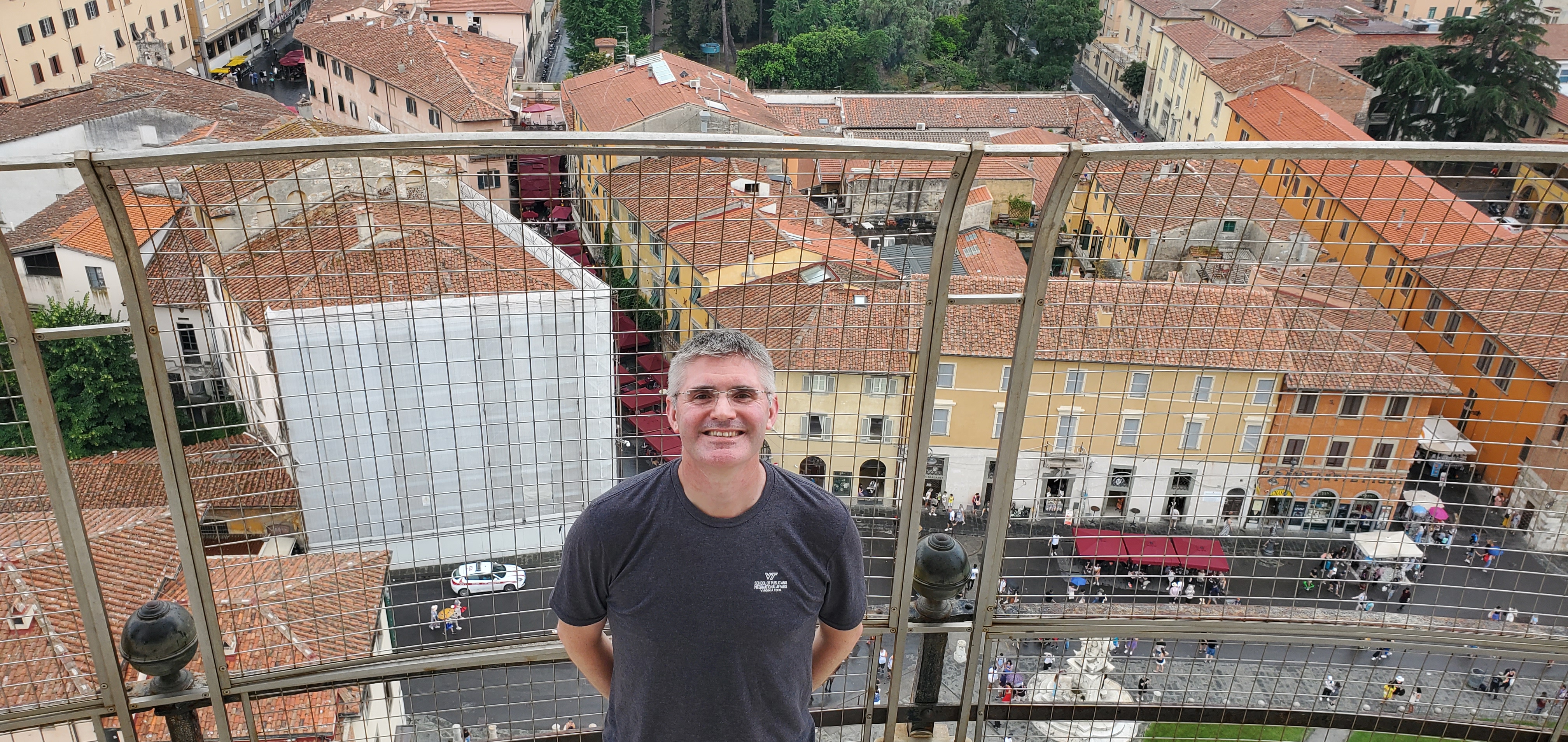
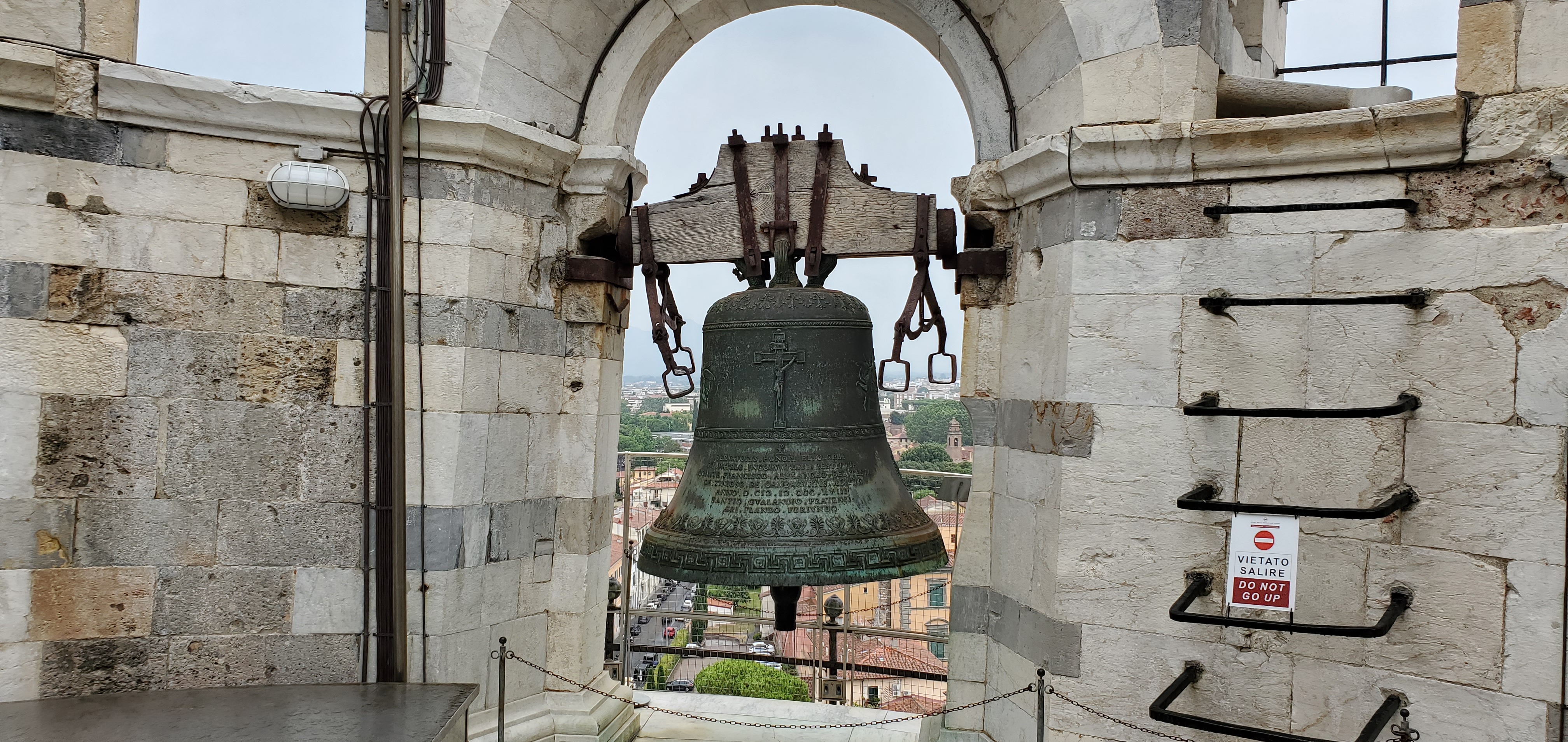
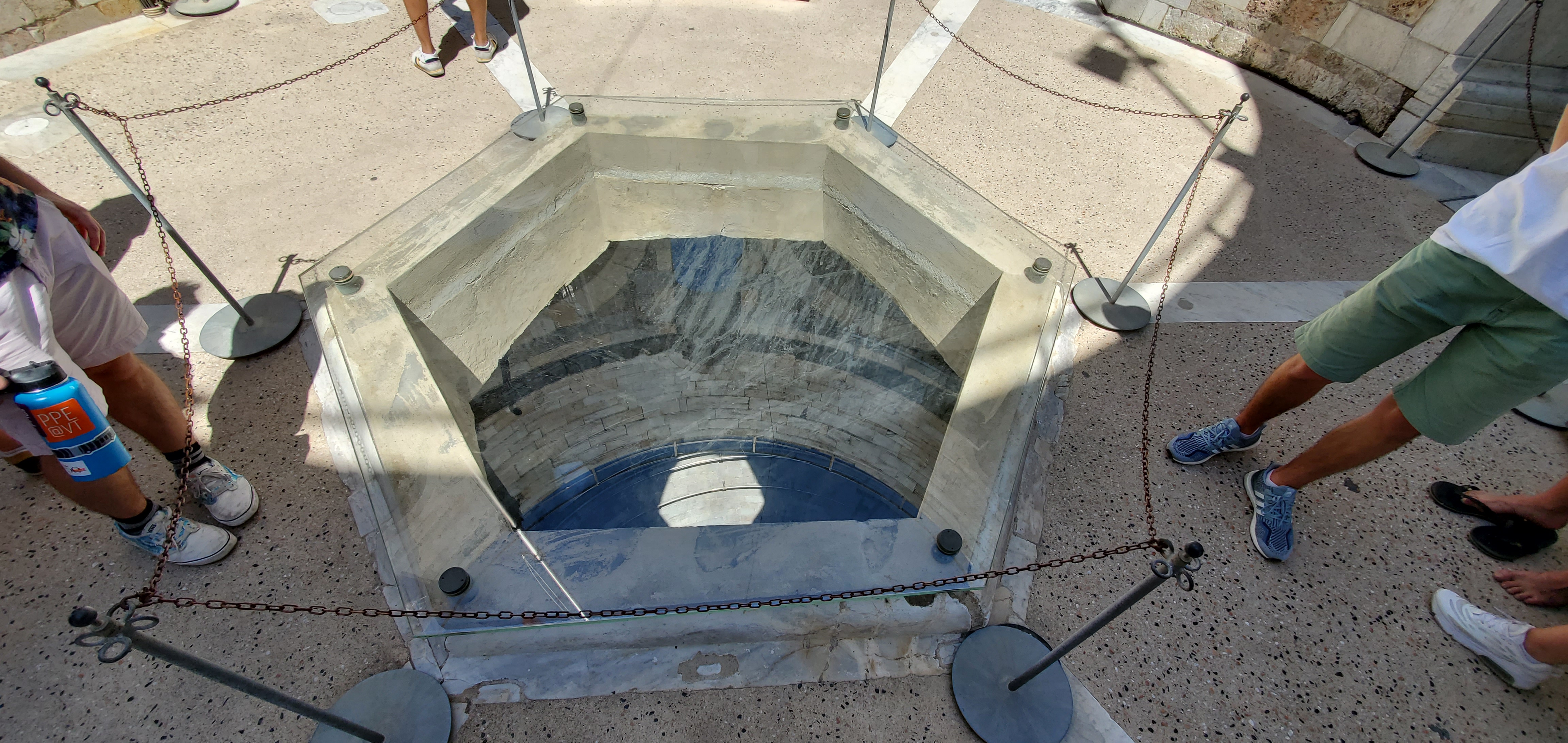
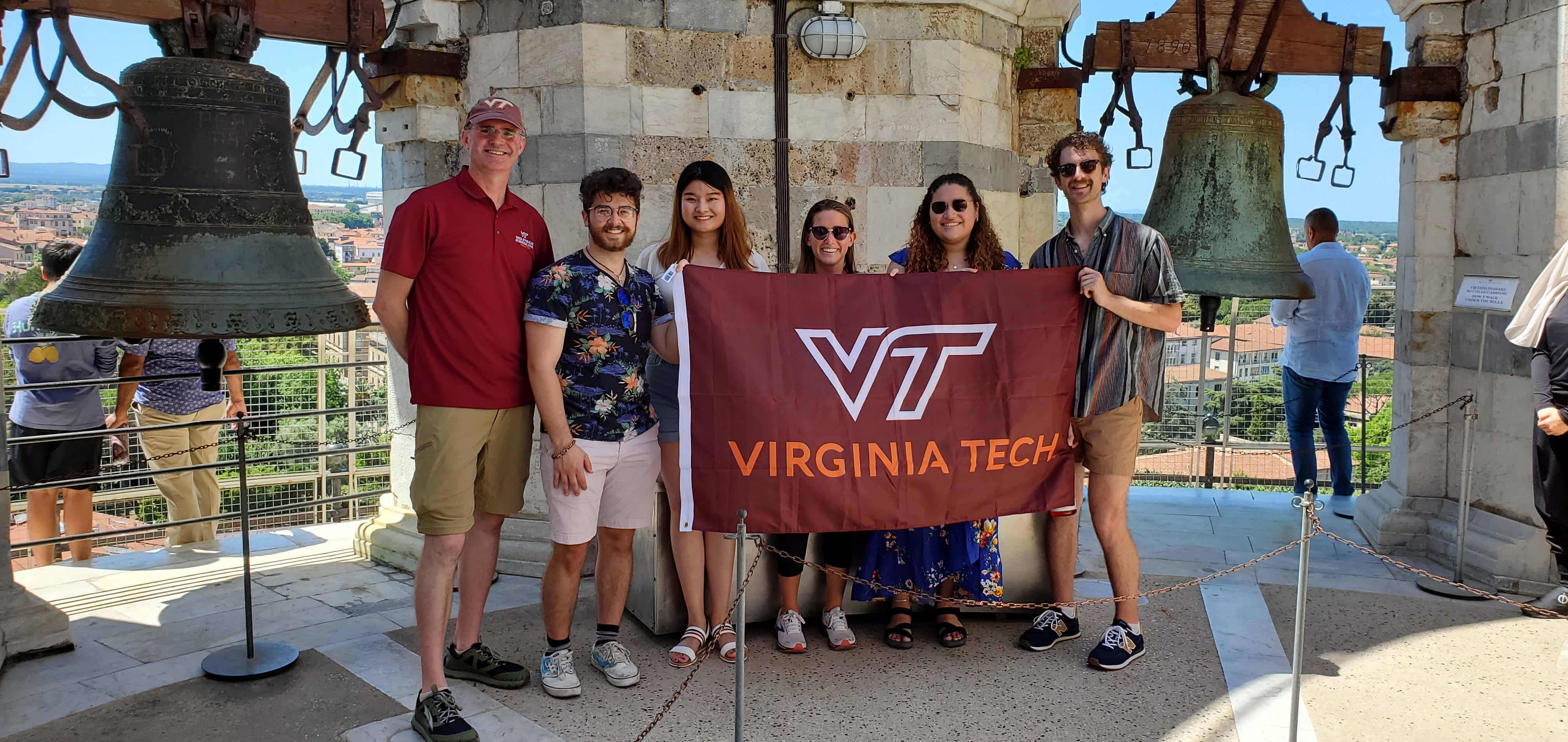
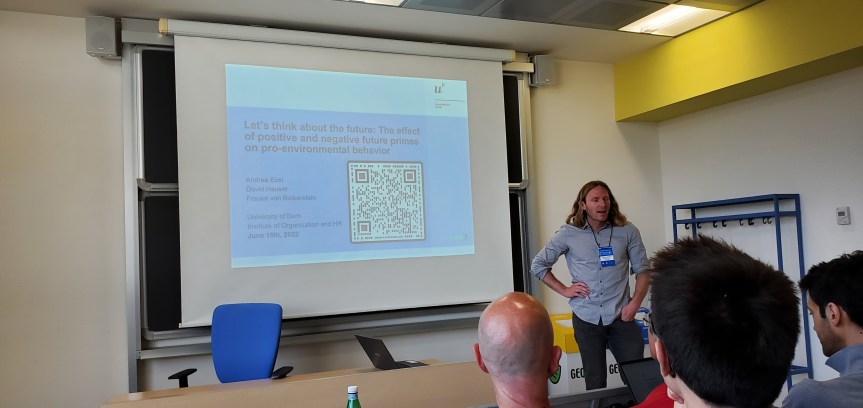
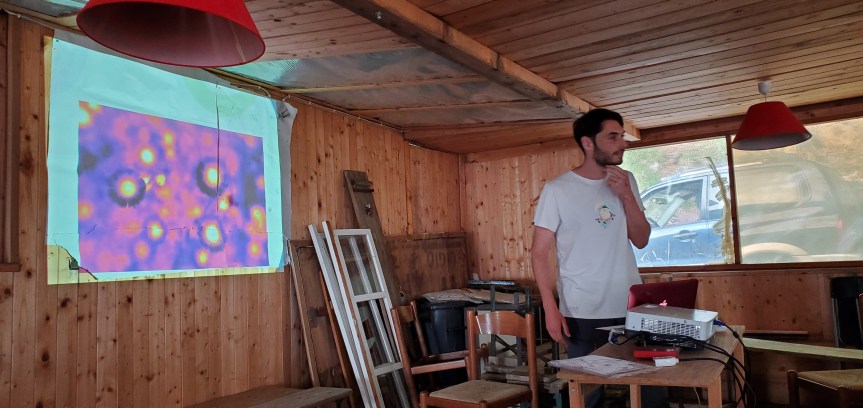
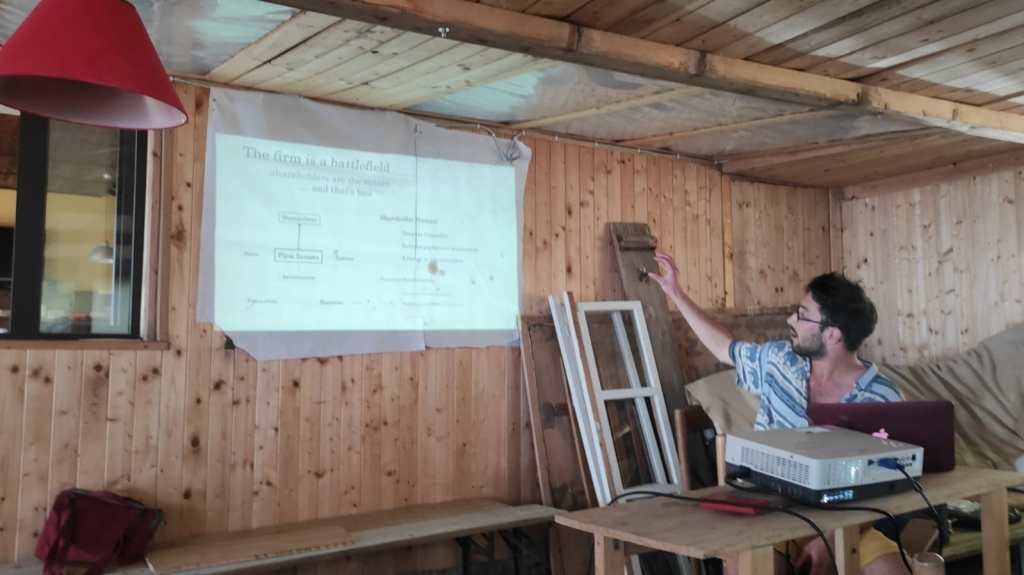
The program began with an intensive summer school at the University of Pisa’s Residence Le Benedettine. The summer school was attended by some 40 students from 20 countries and focused on exploring sustainable transitions in employment, economic welfare, and the environment that build on the roots of ecological economics. The photos below capture a few moments from the summer school, including a trip to the leaning tower of Pisa and cathedral complex.

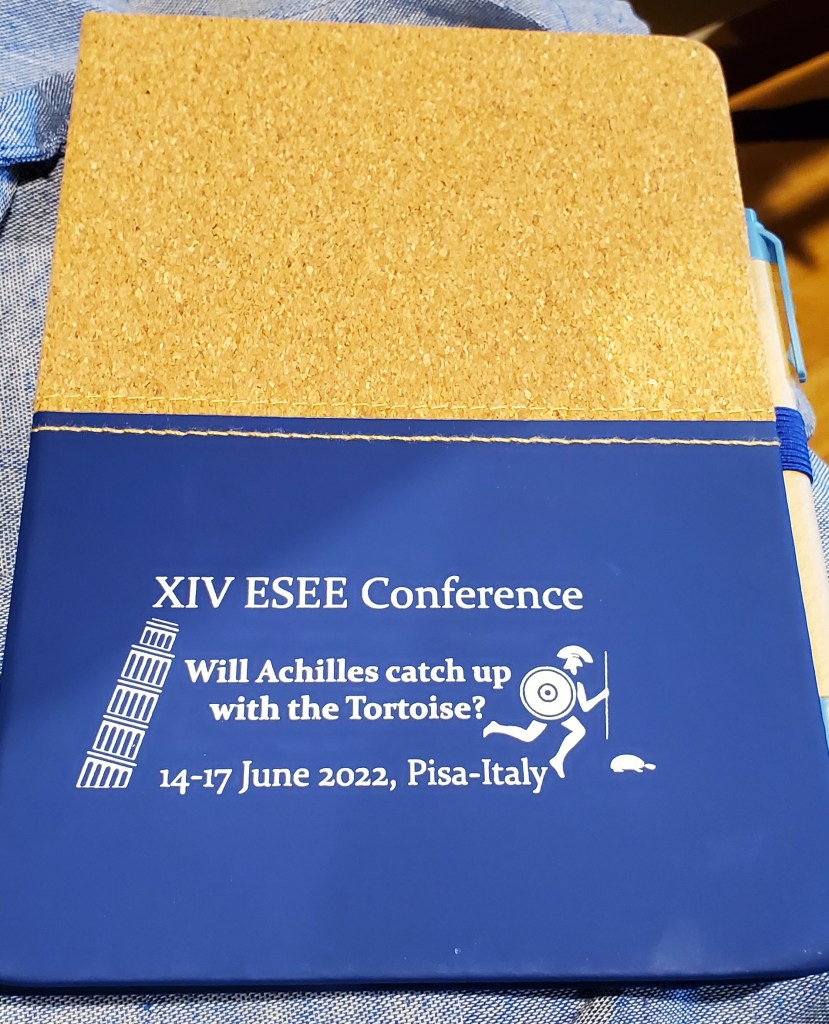
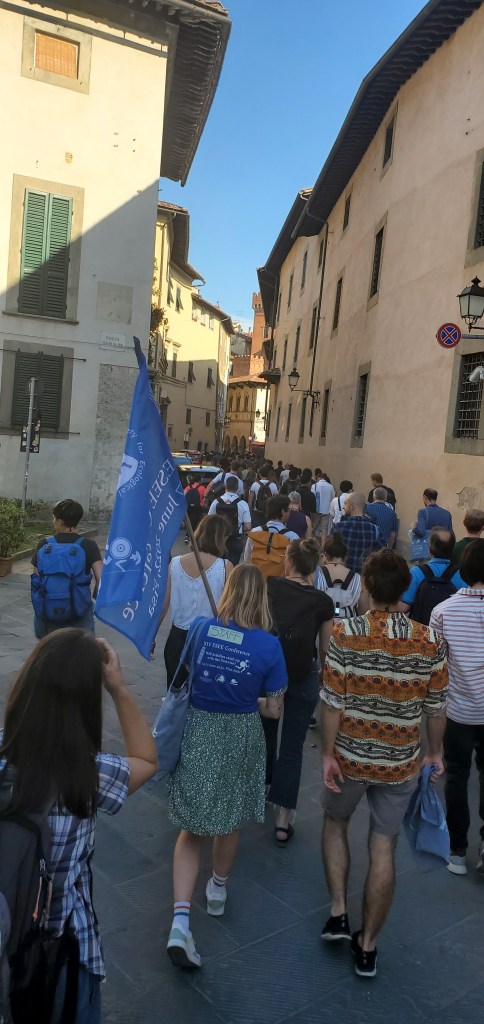
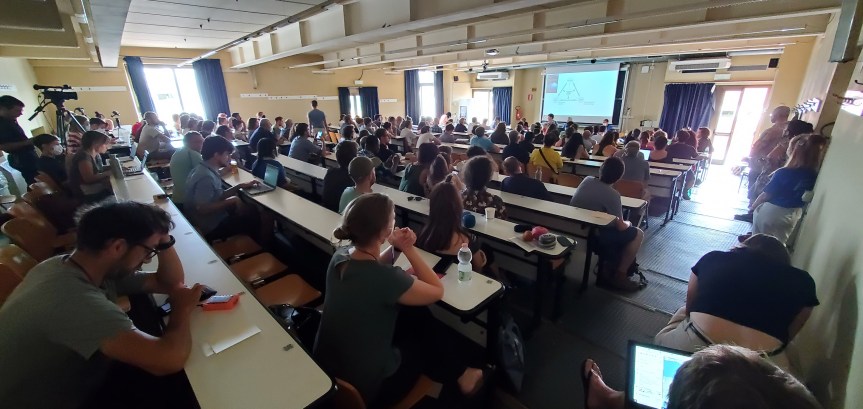
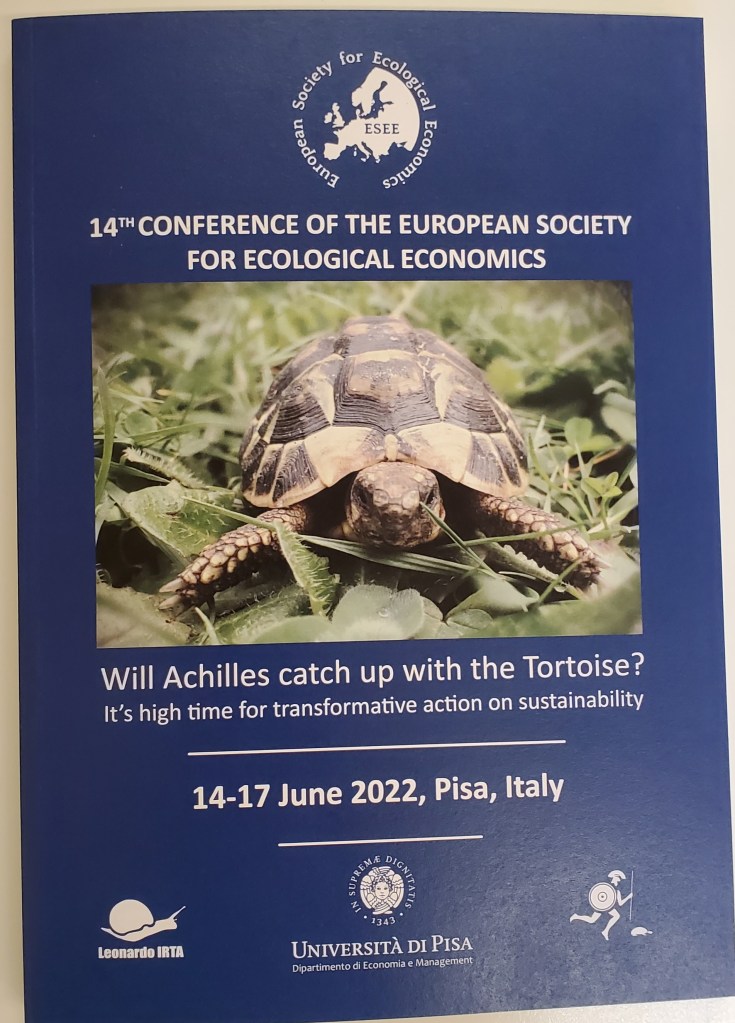
During the second phase of the program, students attended the 14th Conference of the European Society for Ecological Economics (ESEE). The video to the right captures the chamber ensemble “I Bei Legami” performing a piece during the opening ceremony of the conference. This music was the soundtrack of the study abroad program – enjoy!

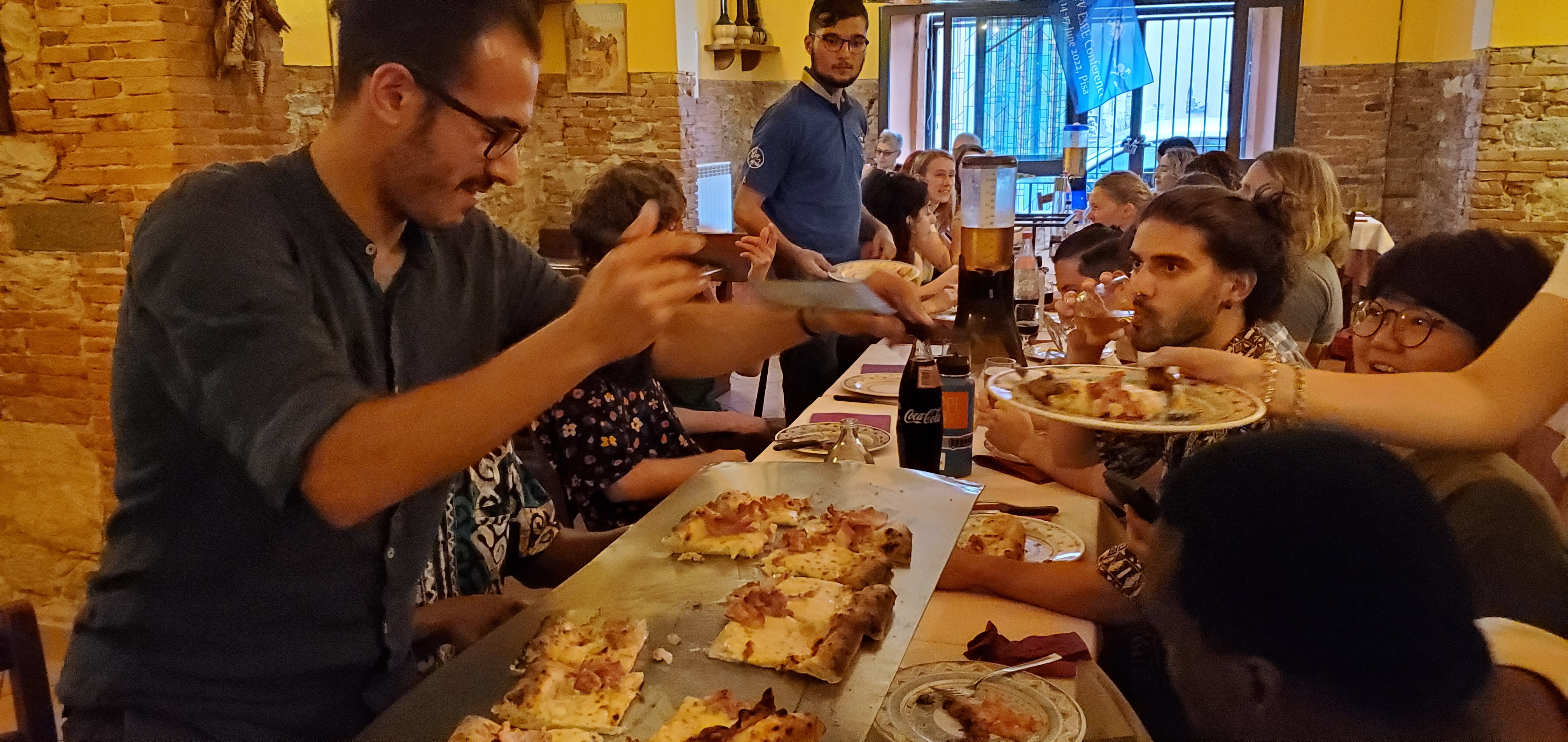
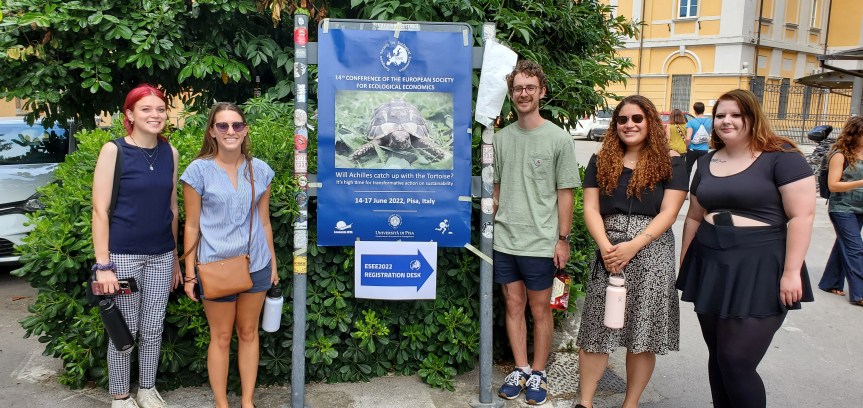
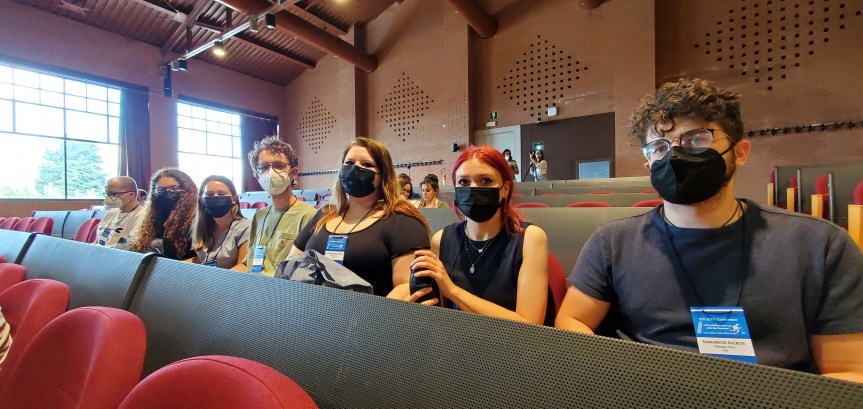
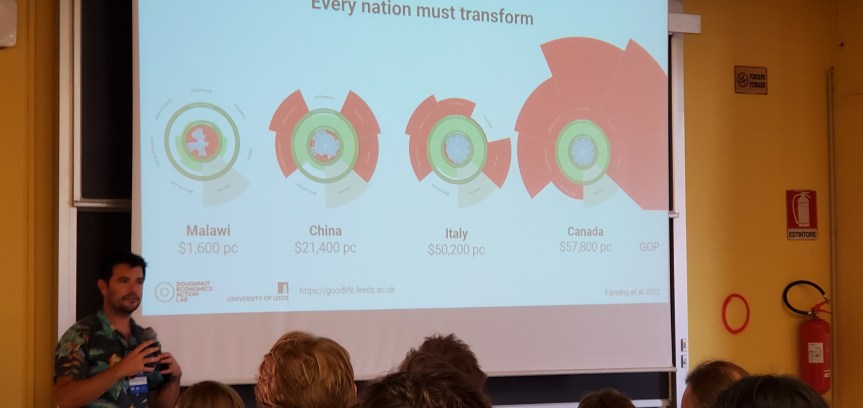
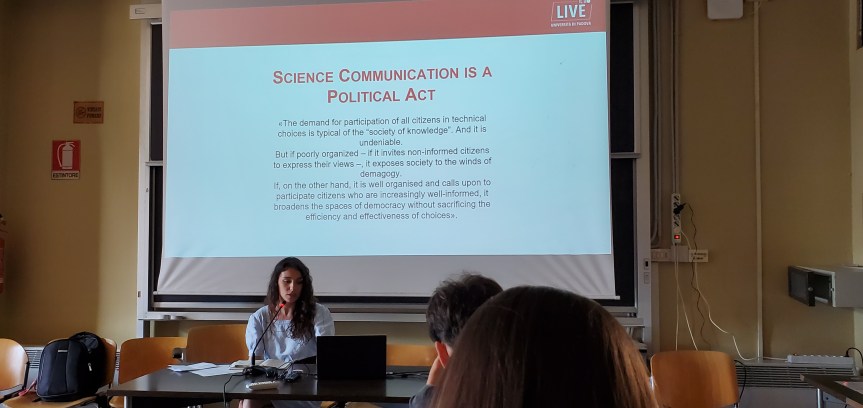
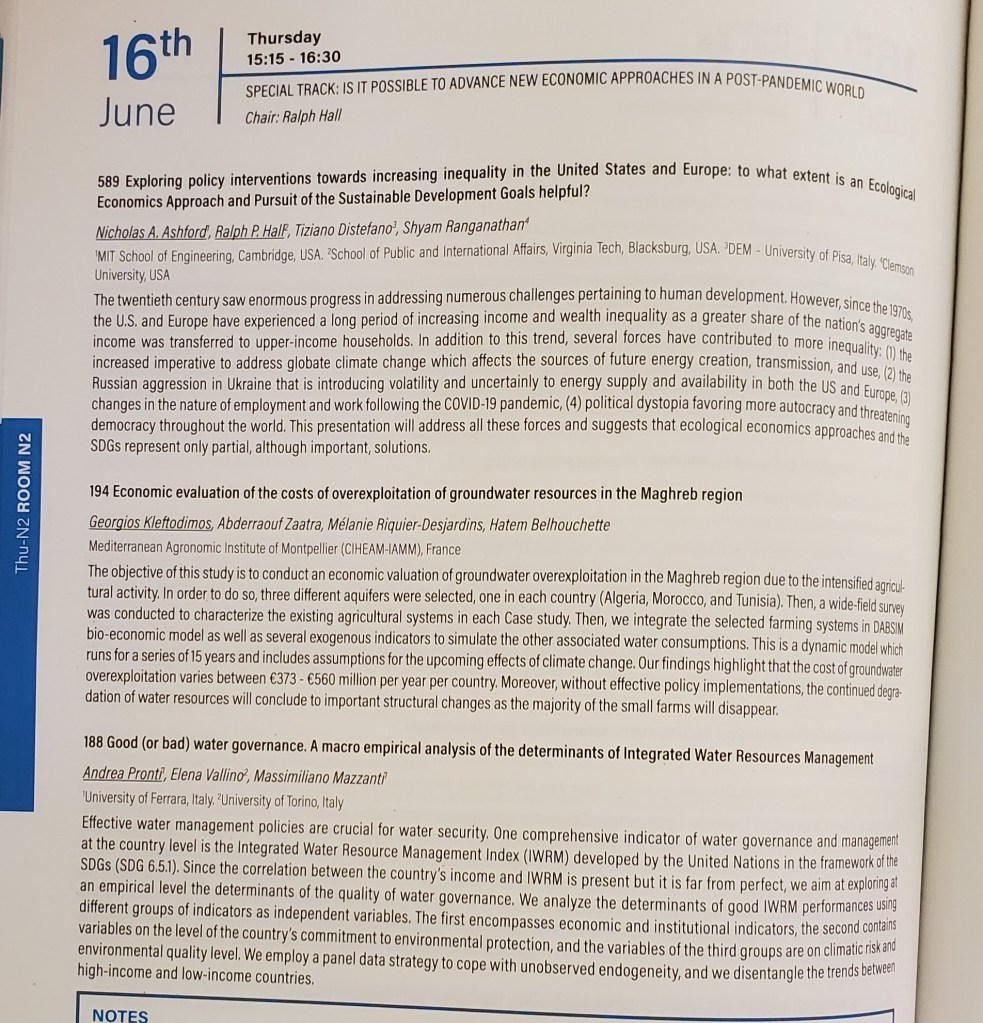
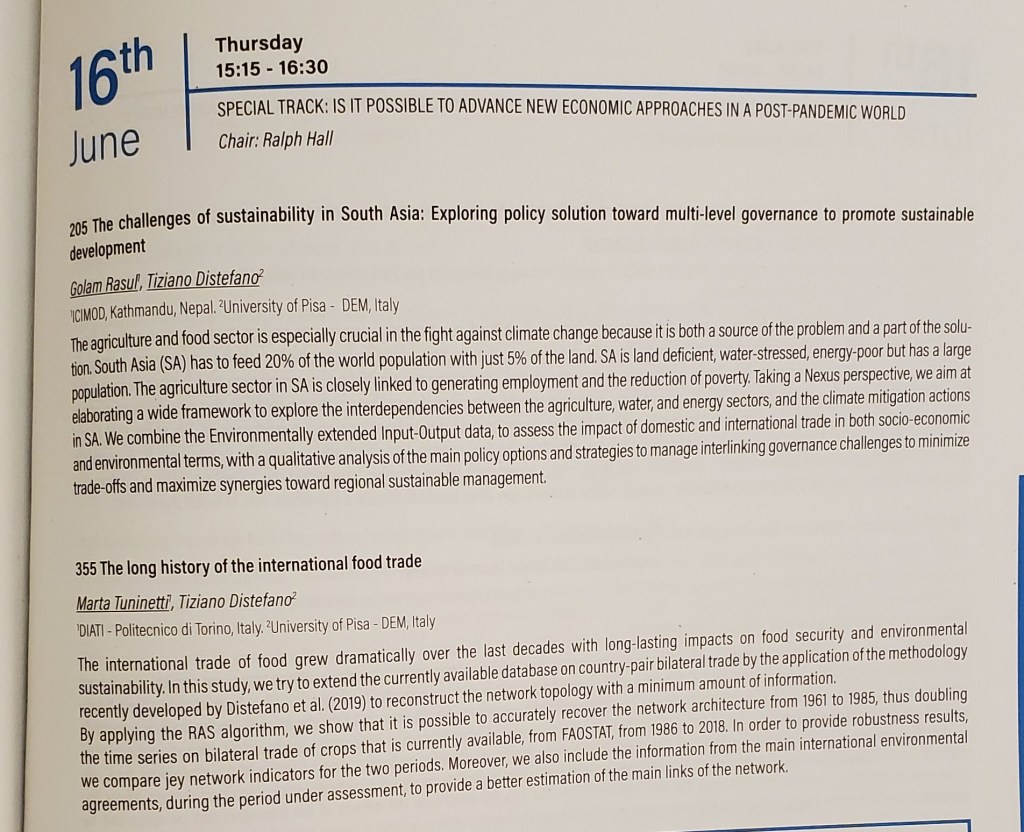
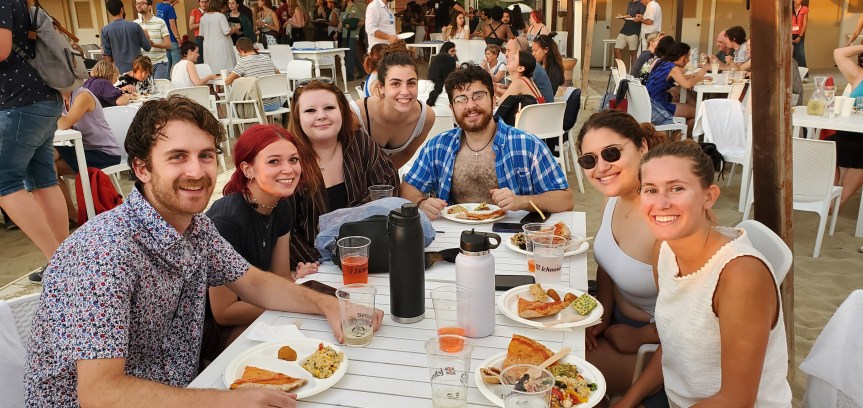
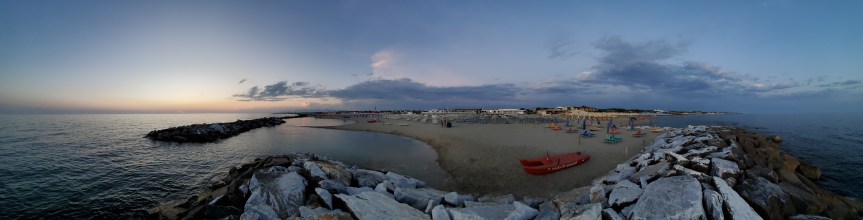
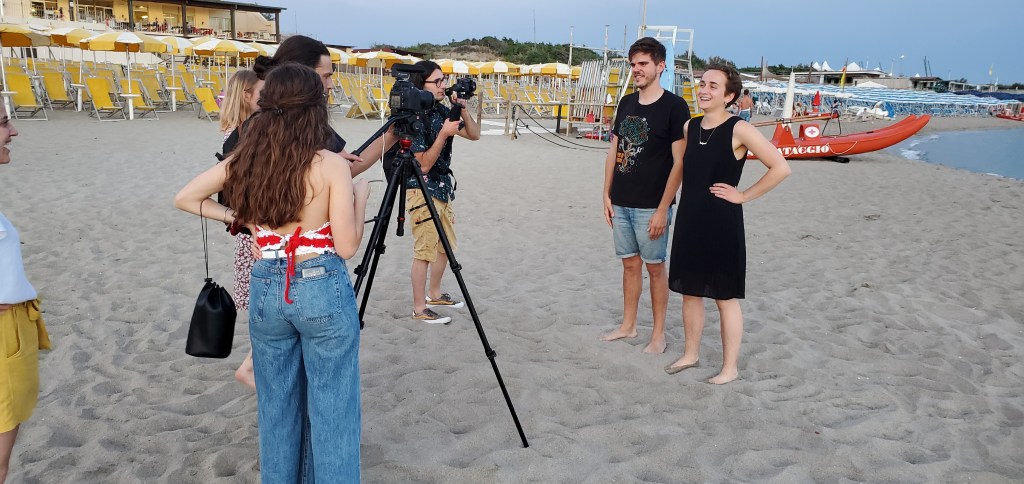
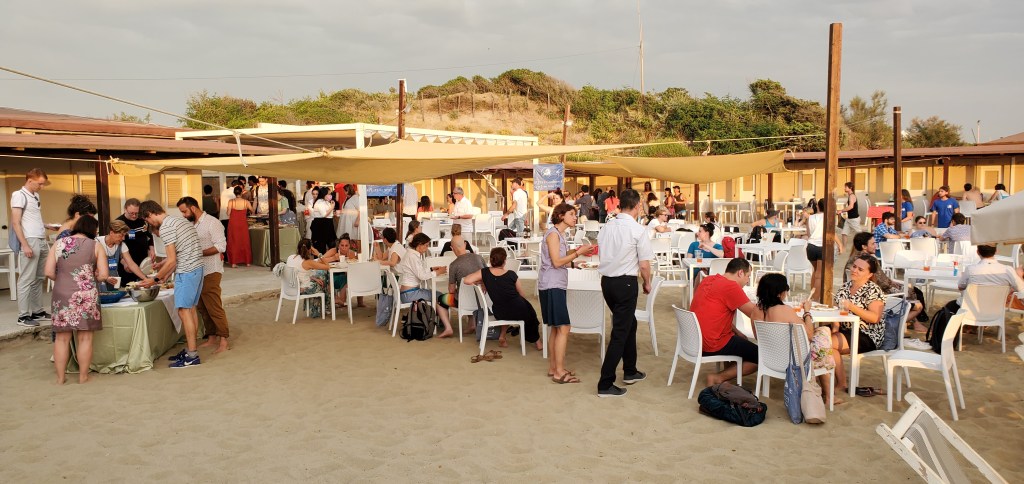
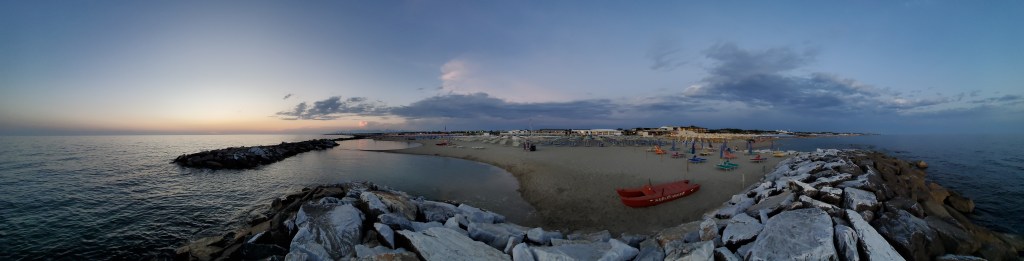
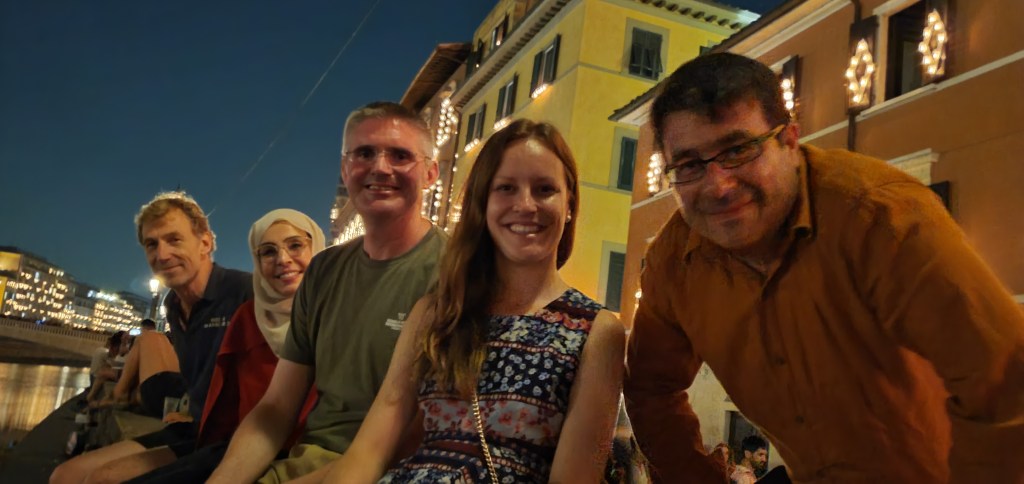
Since the majority of students attending the summer school were enrolled in doctoral programs, many of them presented their research during the conference. This also meant the summer school teaching faculty could attend their sessions and return the favor of asking difficult questions 😉 The conference also included a social dinner at the Big Fish Restaurant in Marina di Pisa, about 20km from Pisa. I have included several pictures from this dinner below, after a few pictures from the conference.

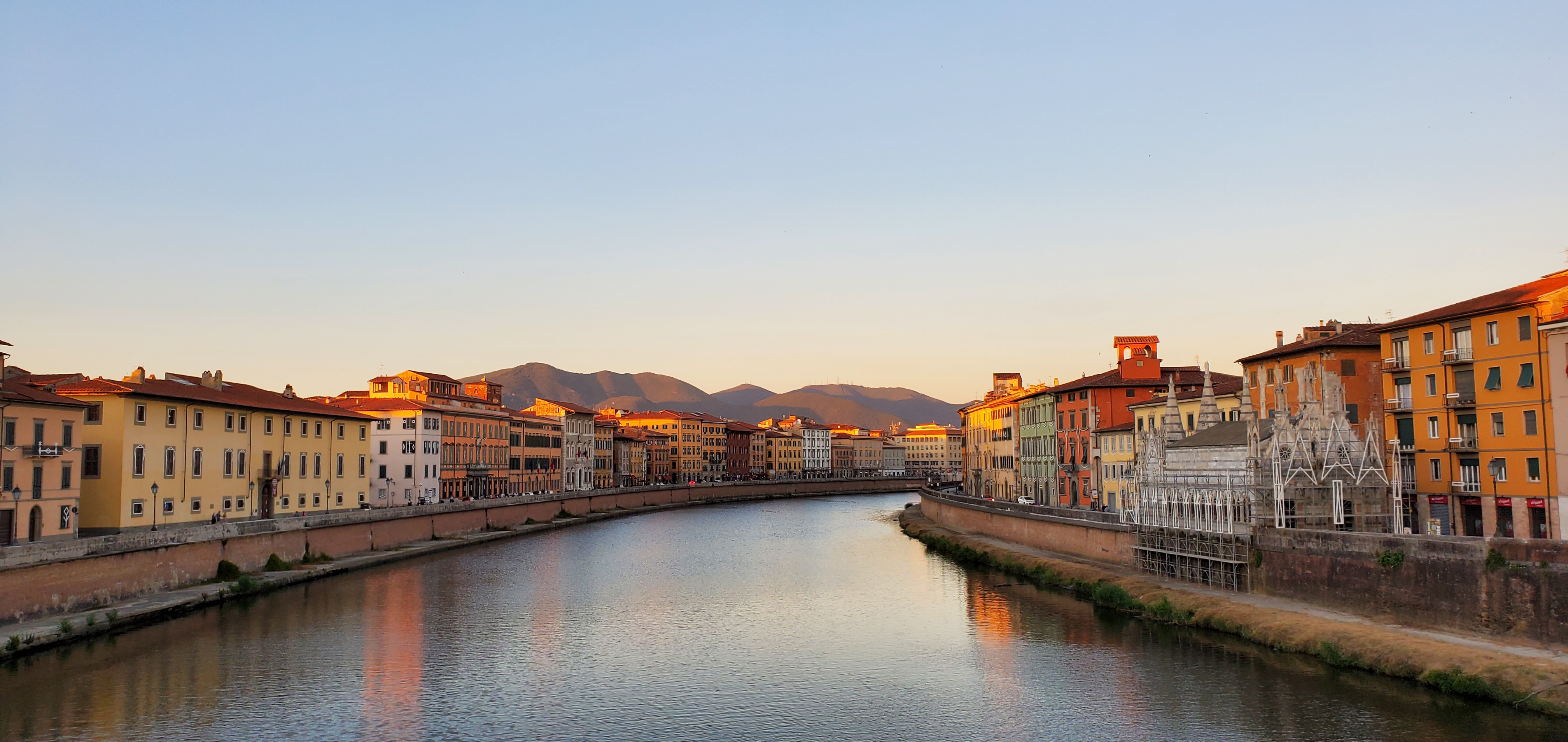
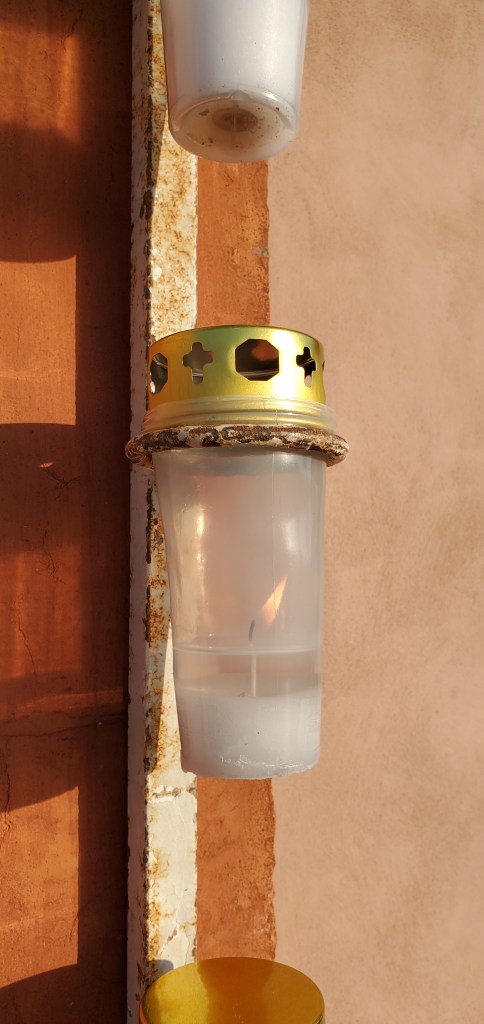
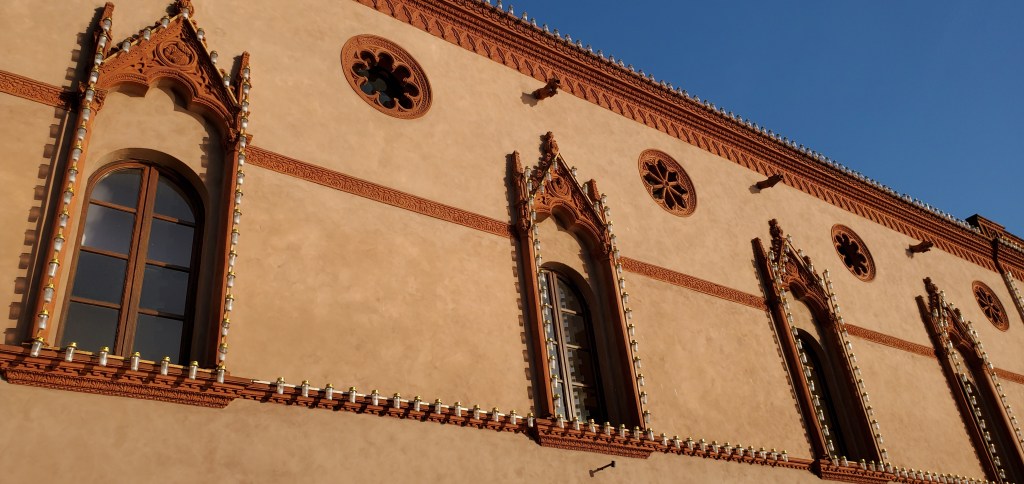
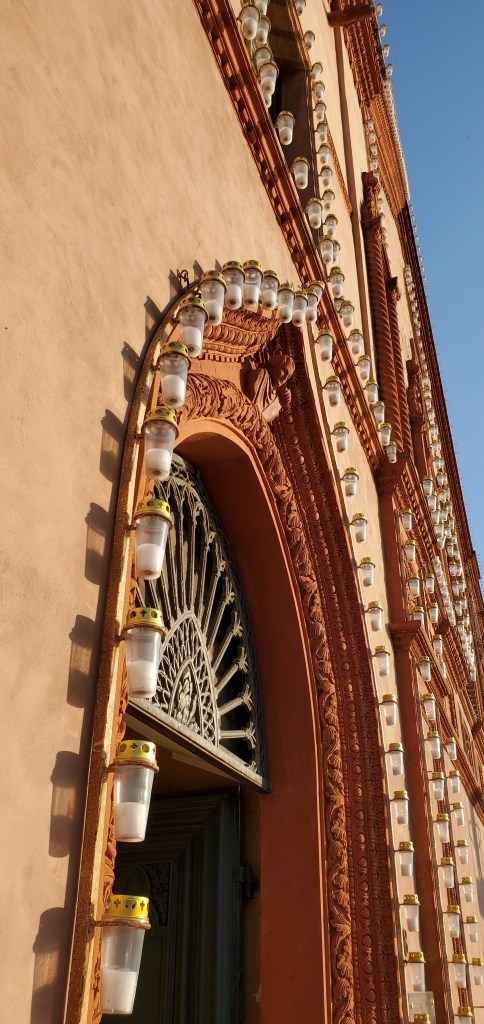
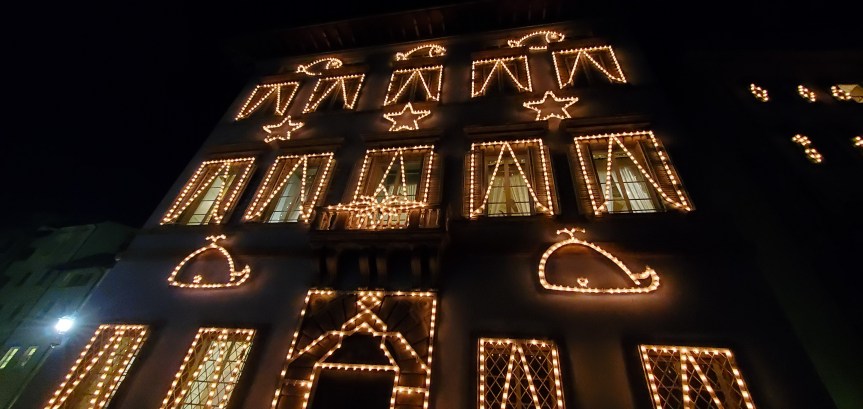
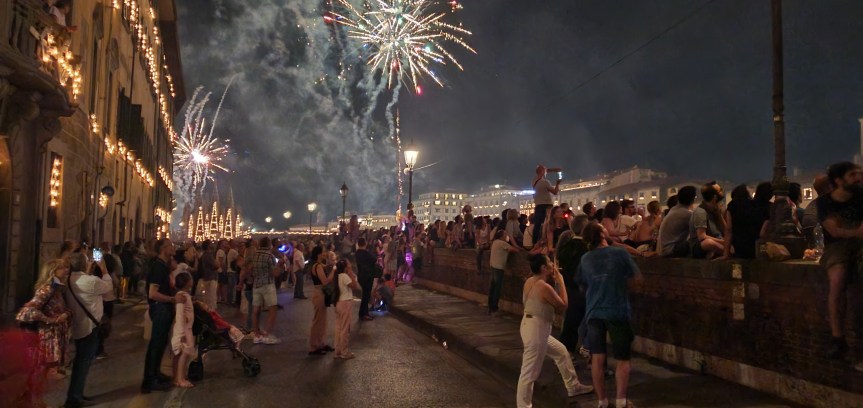
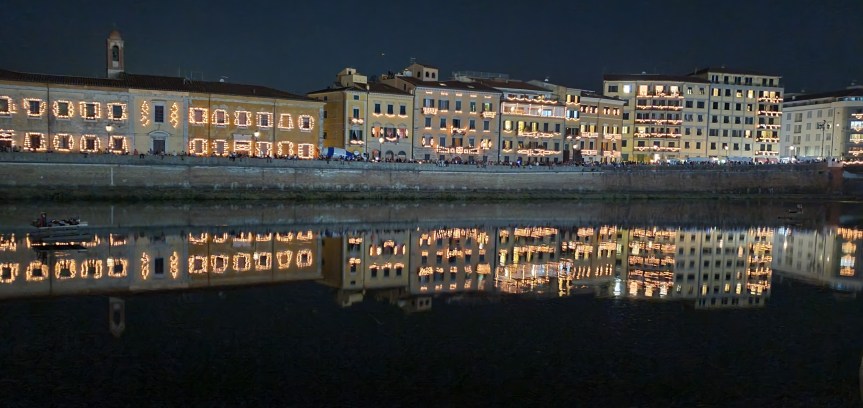
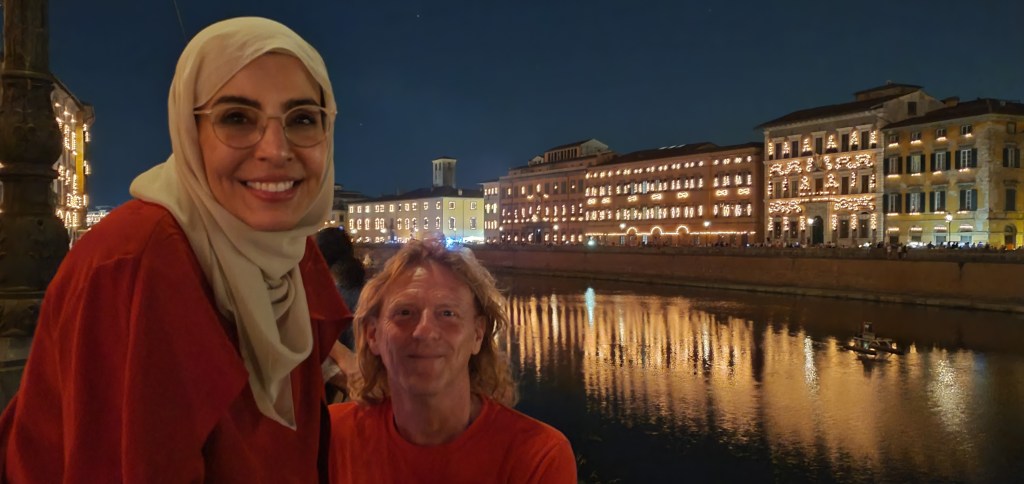
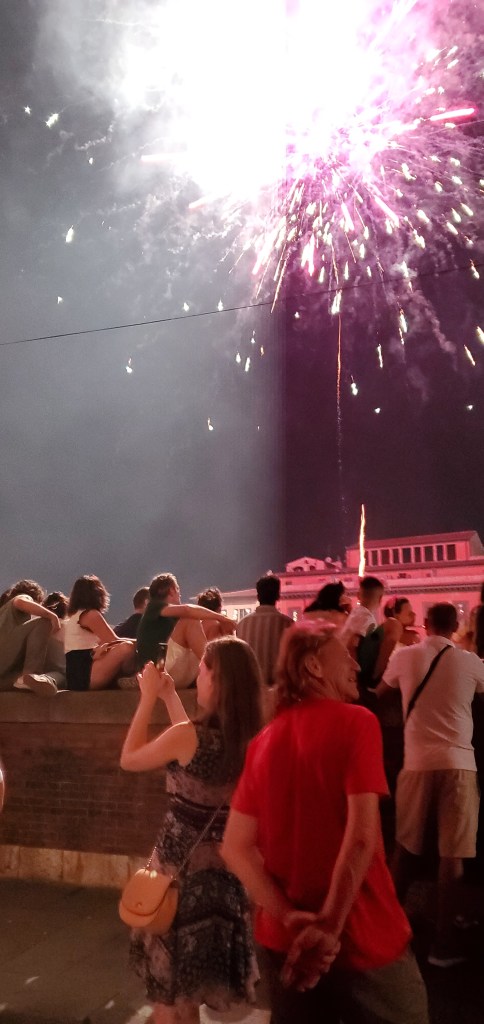
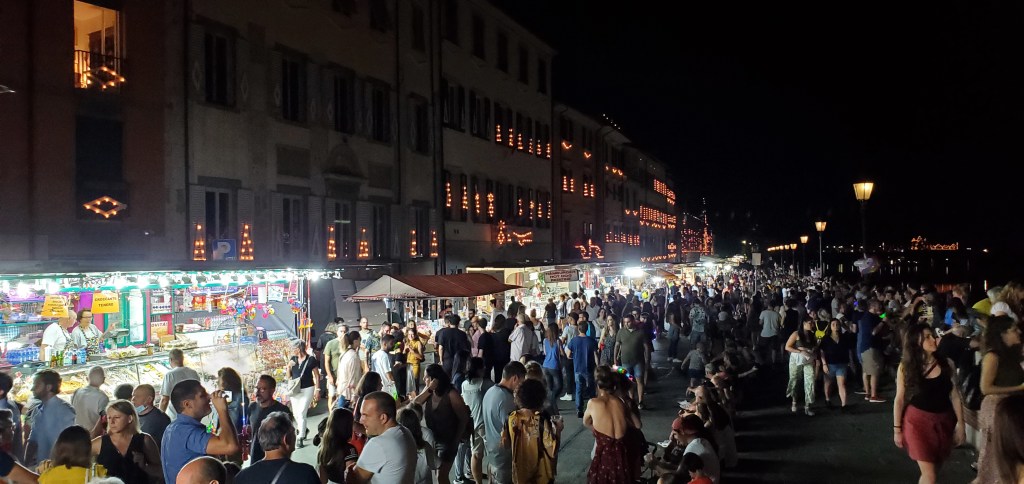
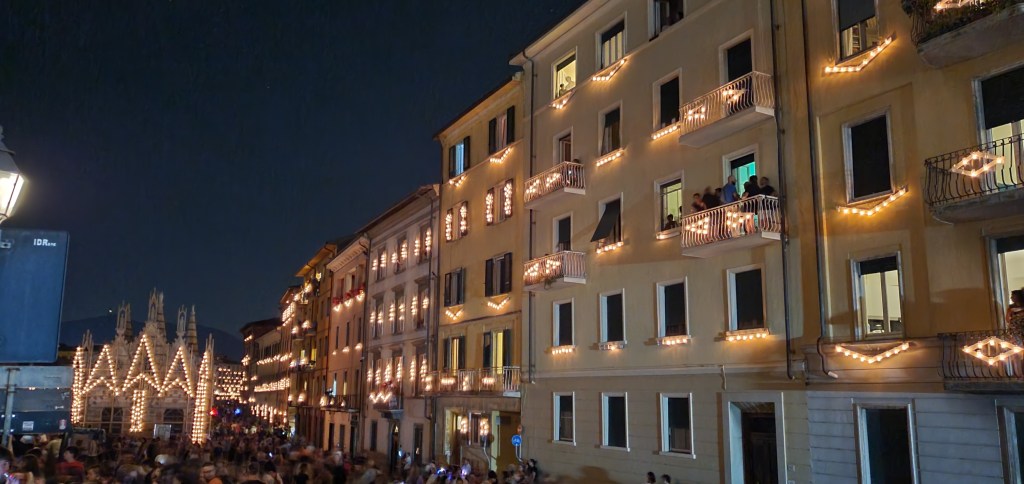
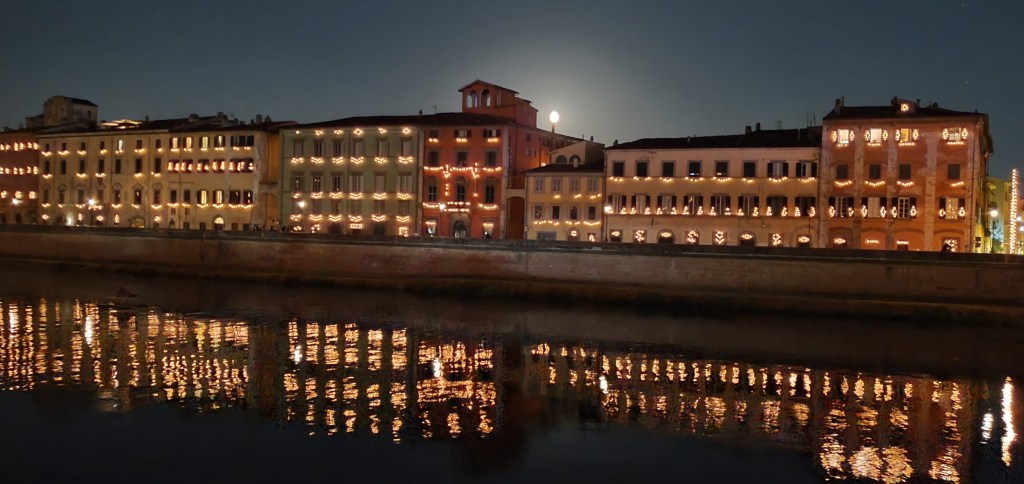
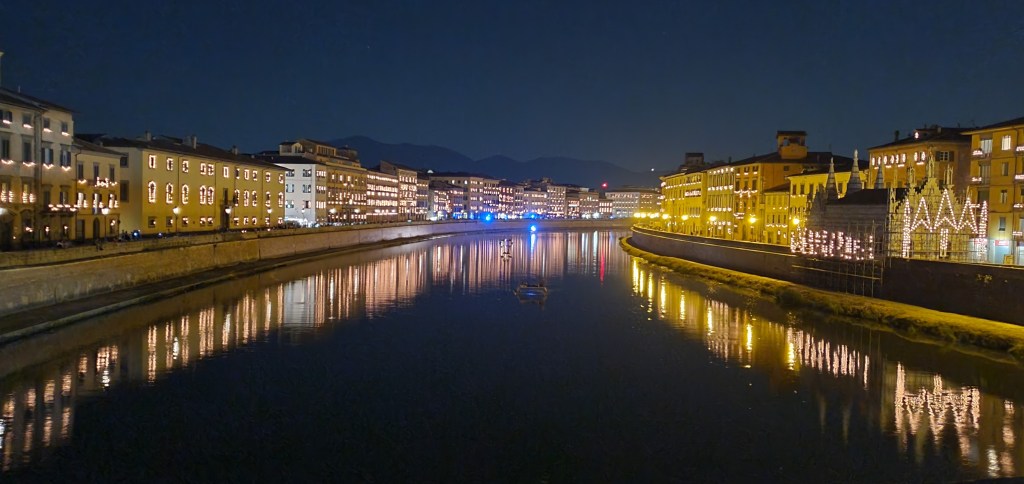
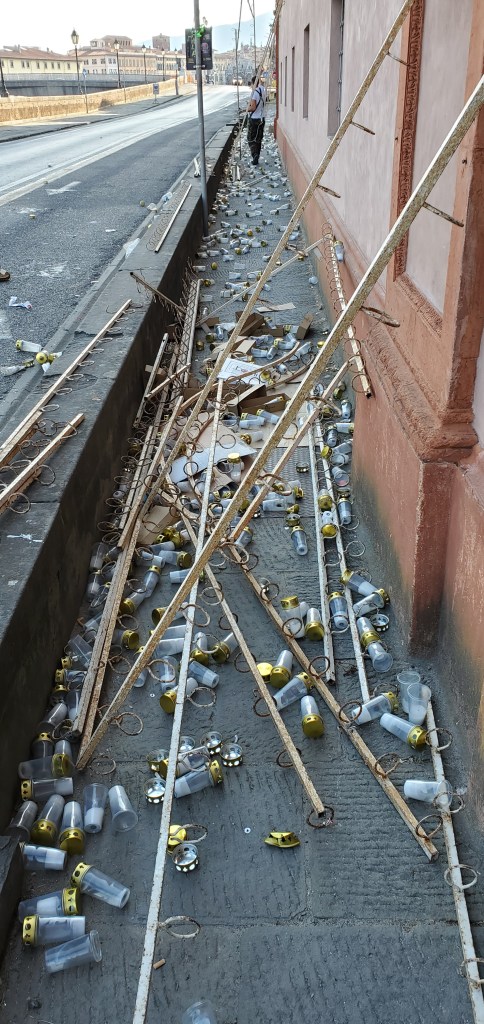
A unique event that occurred during the conference was the Luminara of San Ranieri, which involved the lighting of some 70,000 candles on the facade of buildings along the river running through the city of Pisa. This event also included a 30-minute fireworks display that was among the best I have experienced.

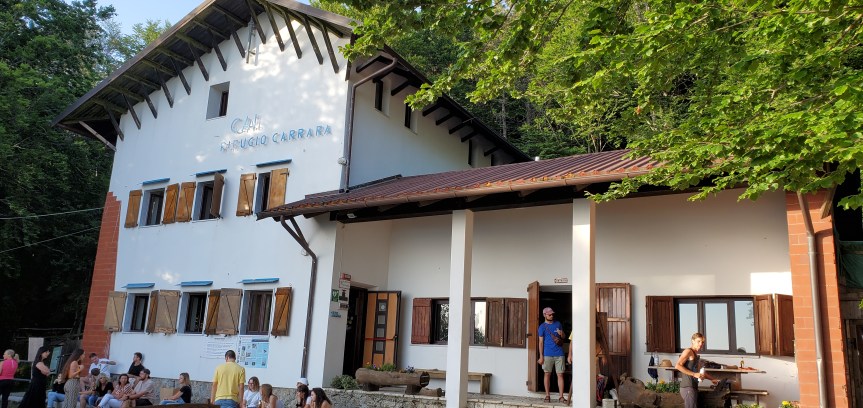
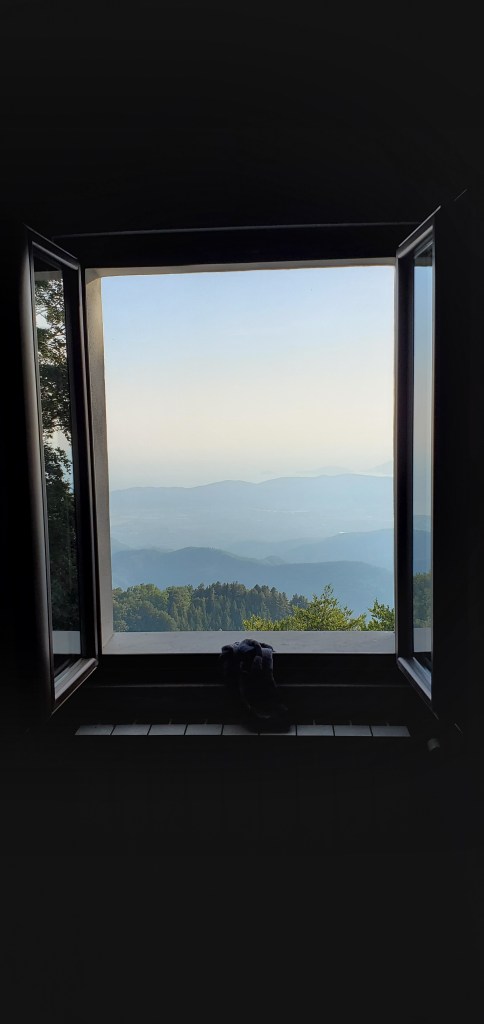
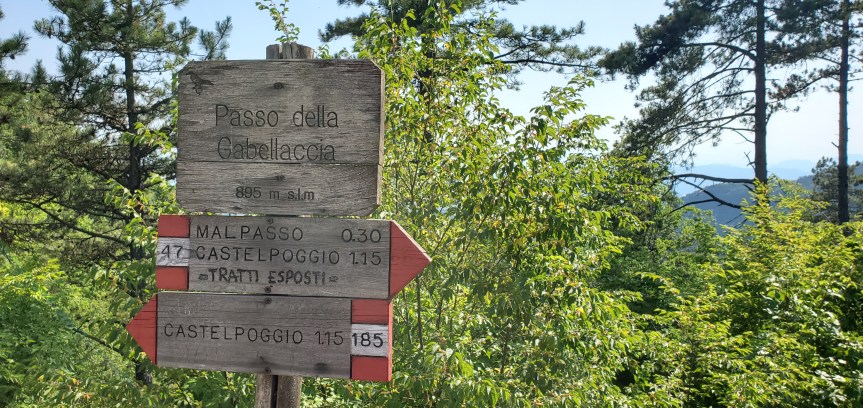
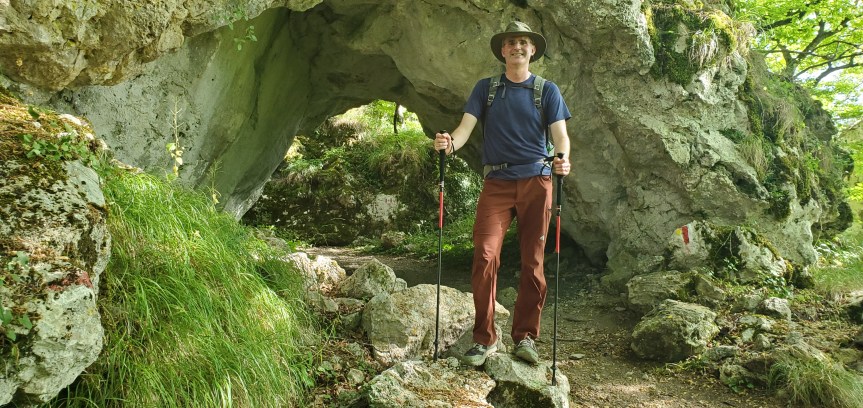
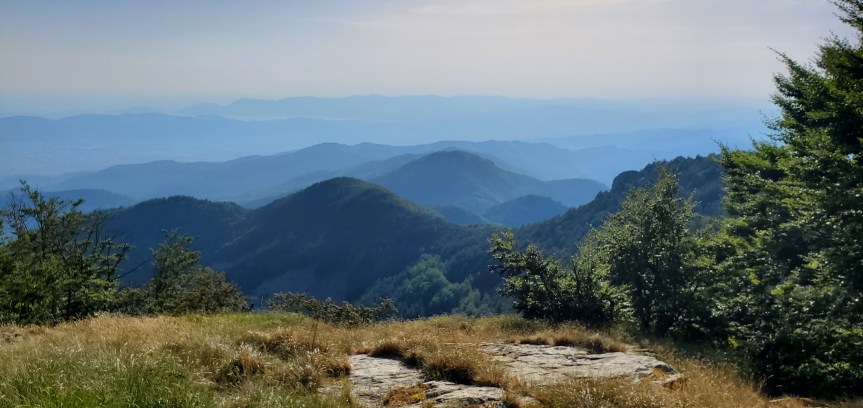
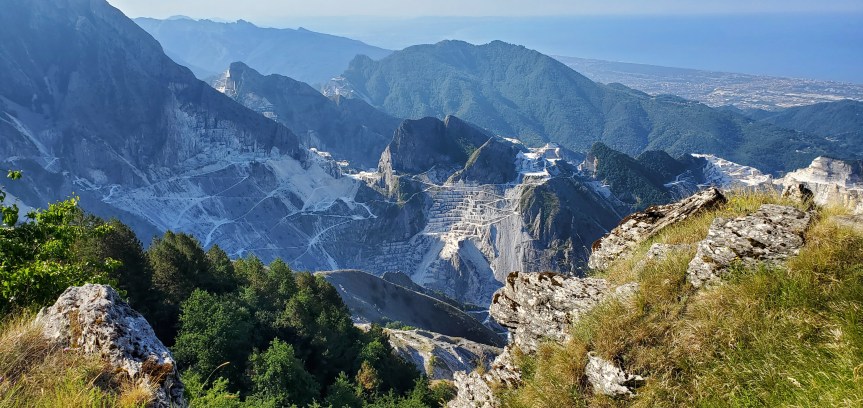
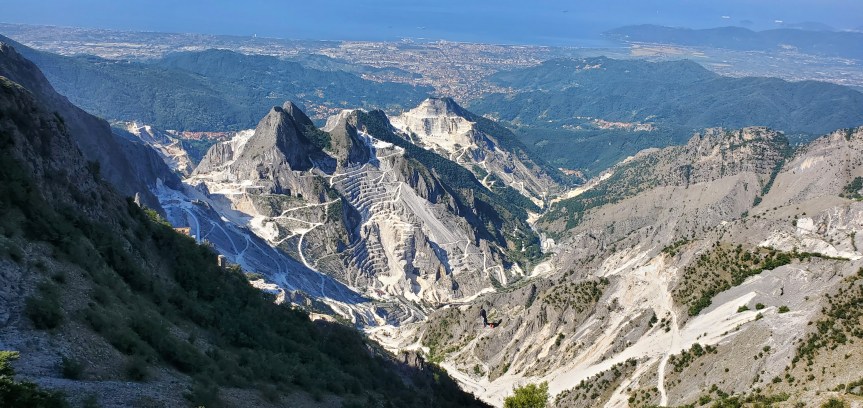
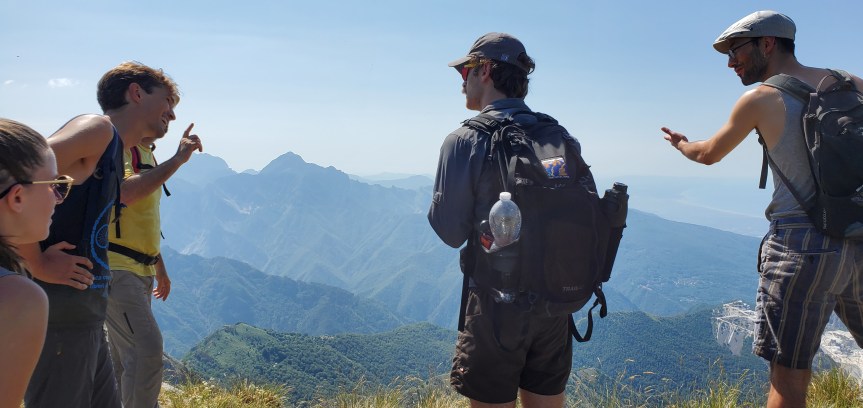
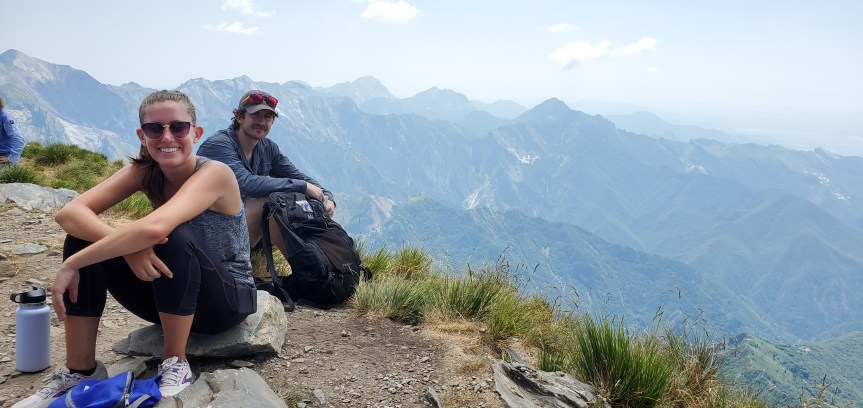
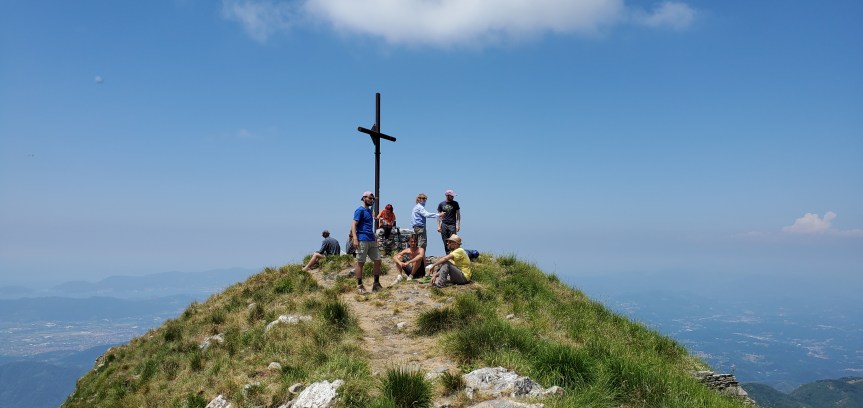
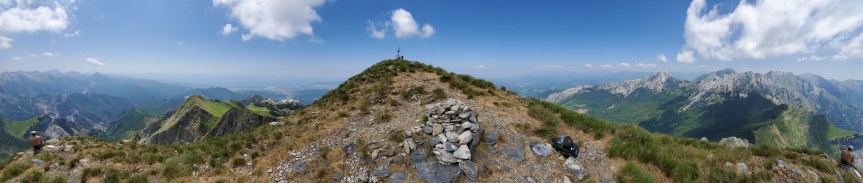
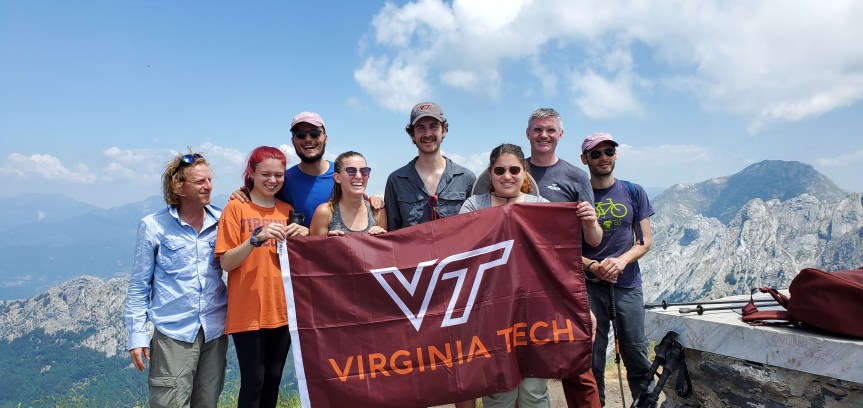
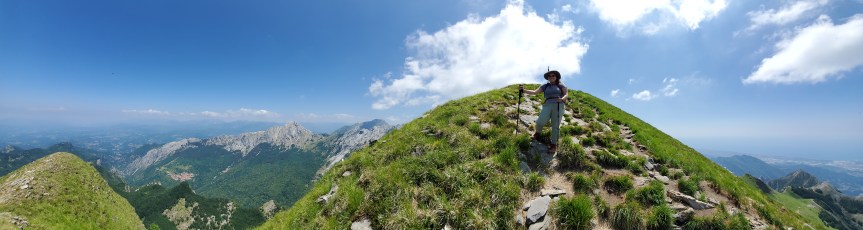
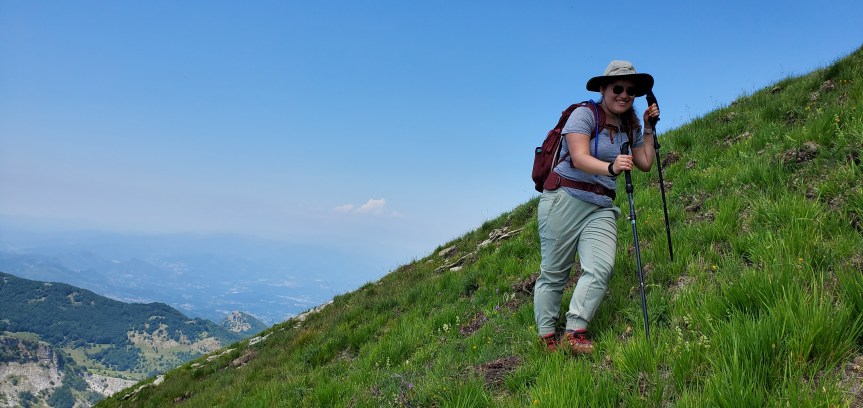
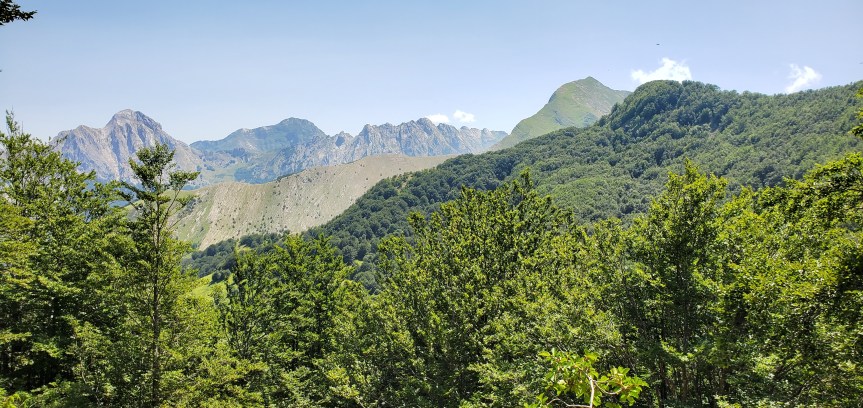
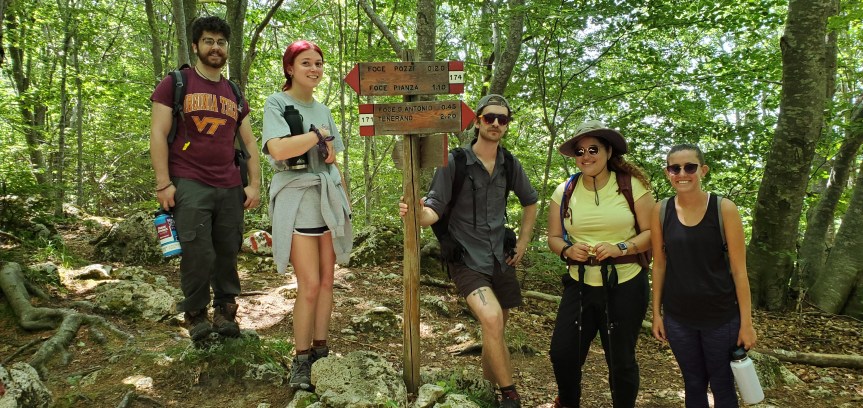
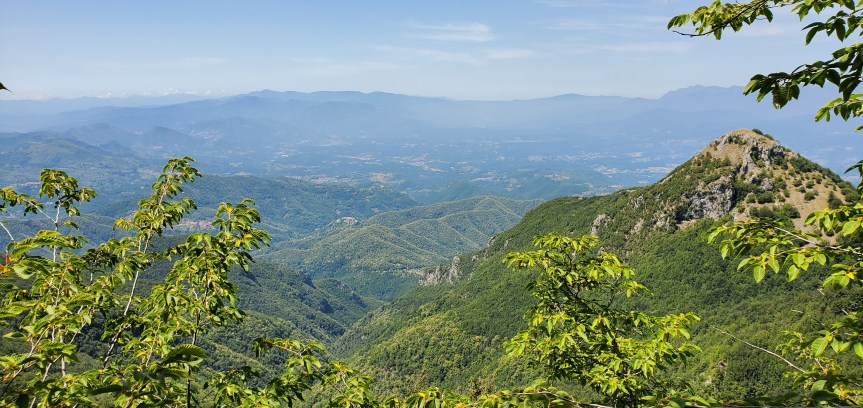
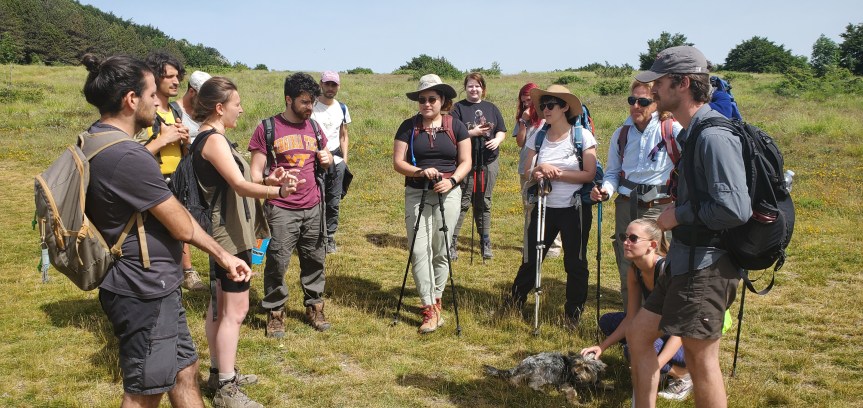
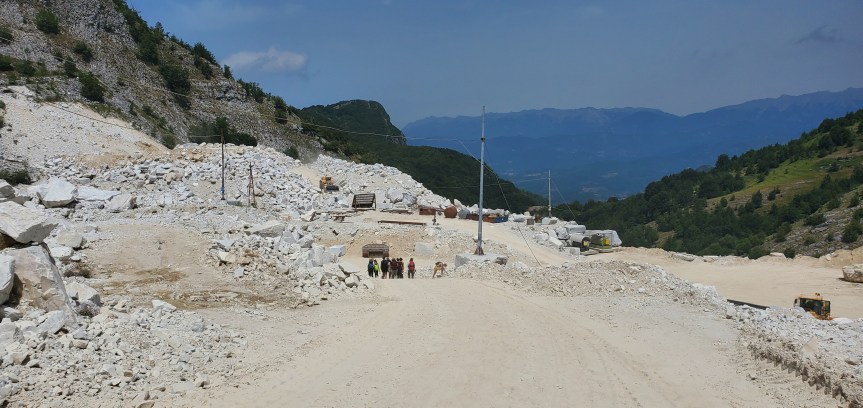
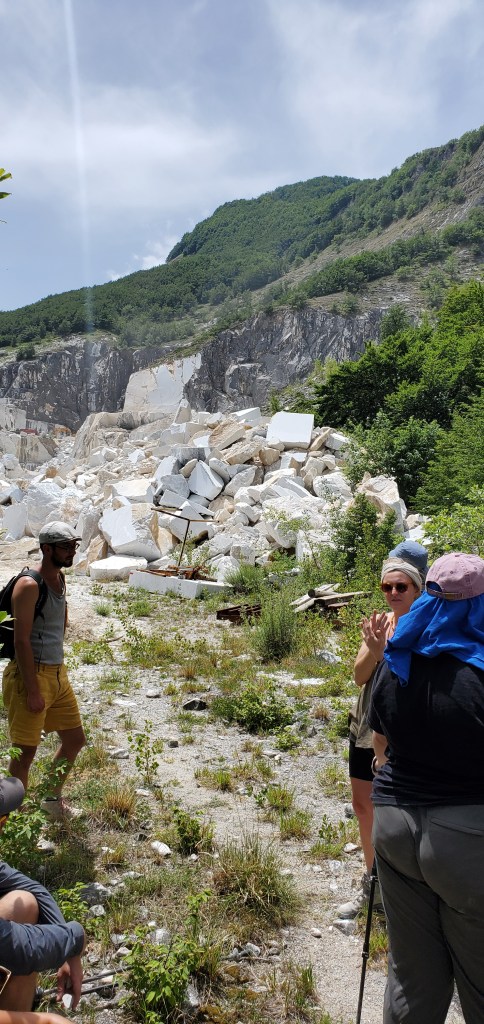
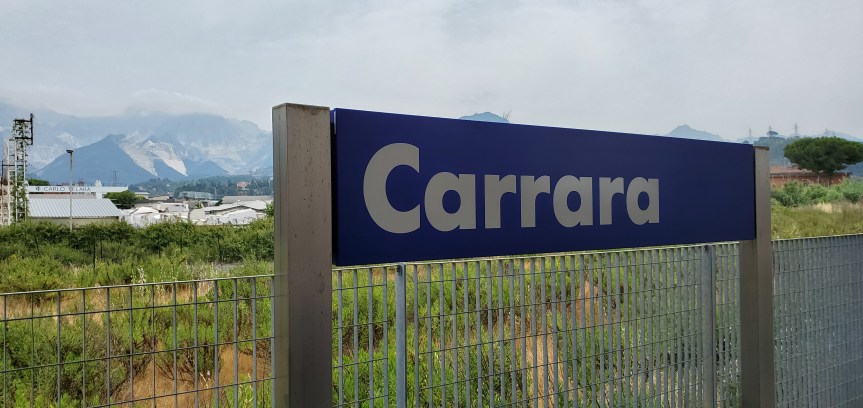
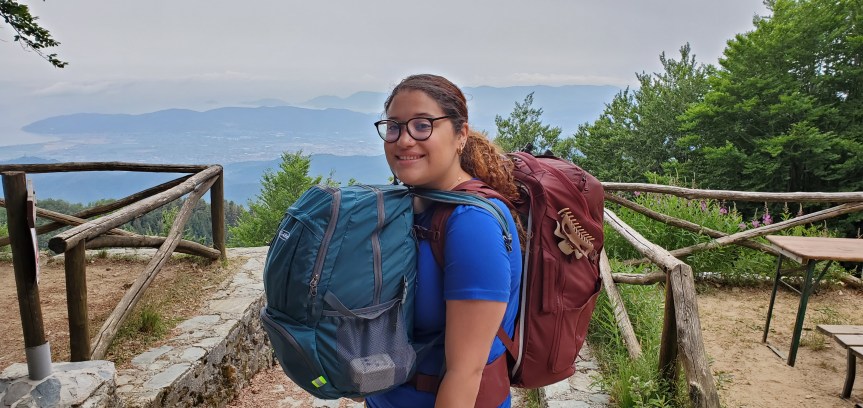
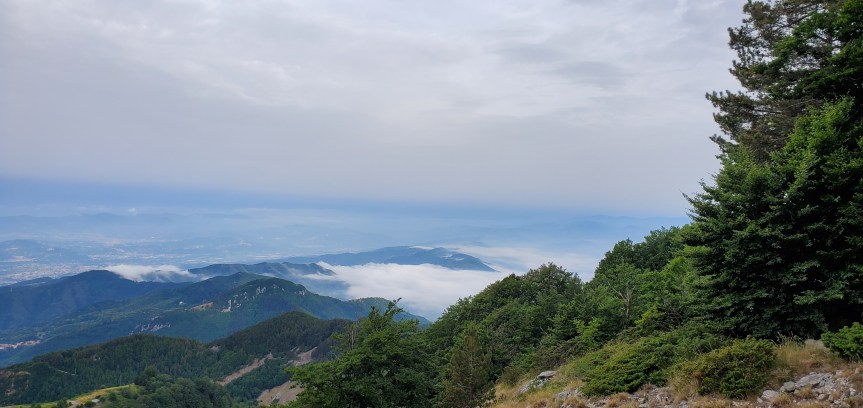
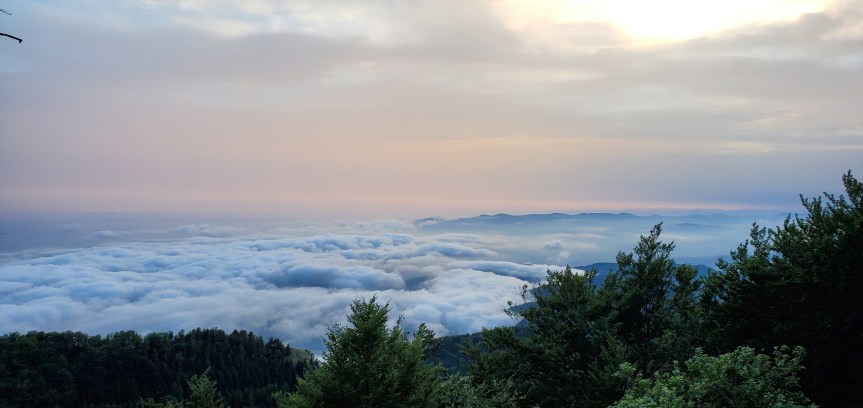
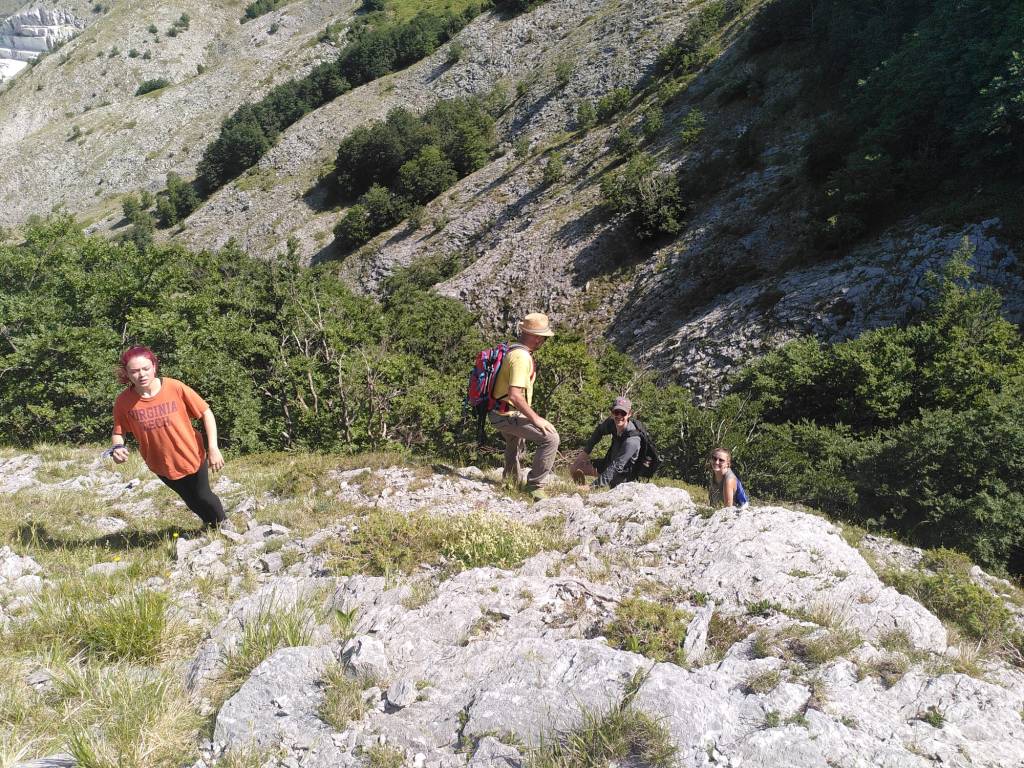
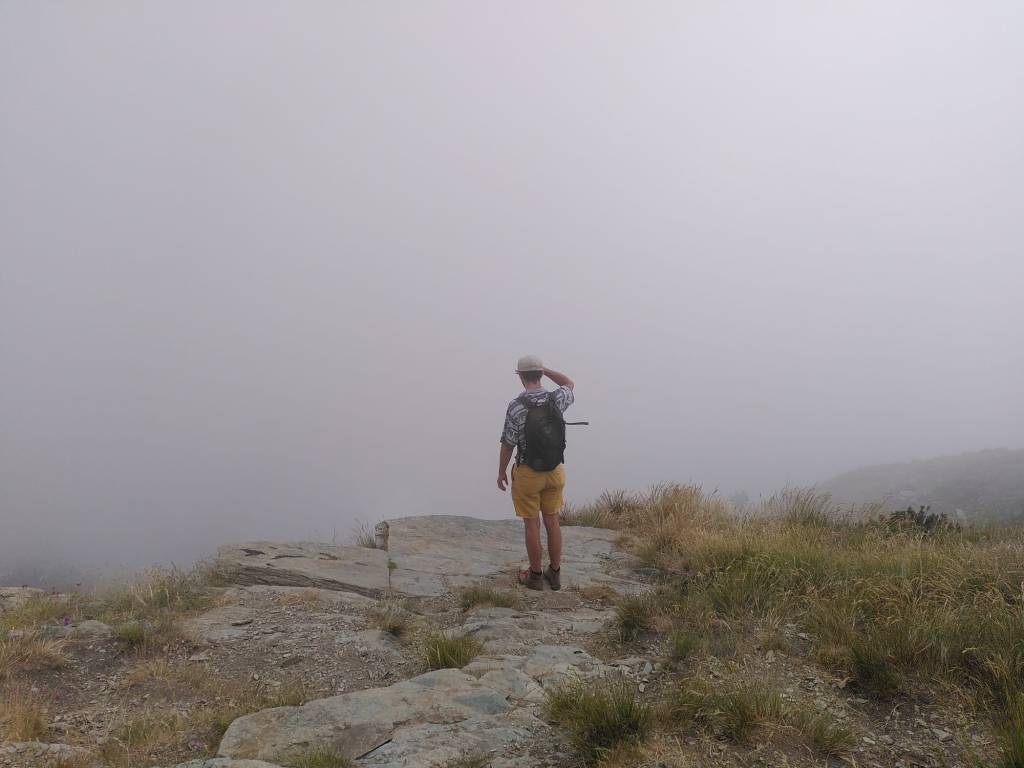
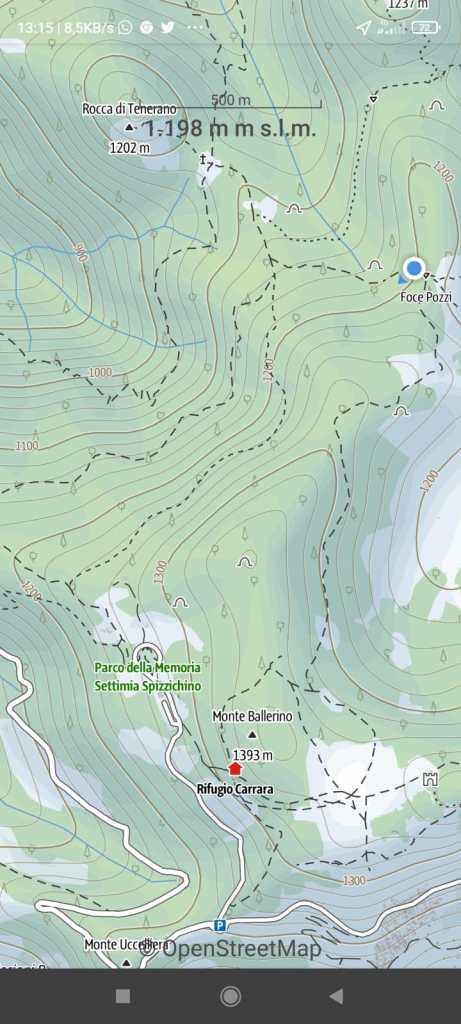
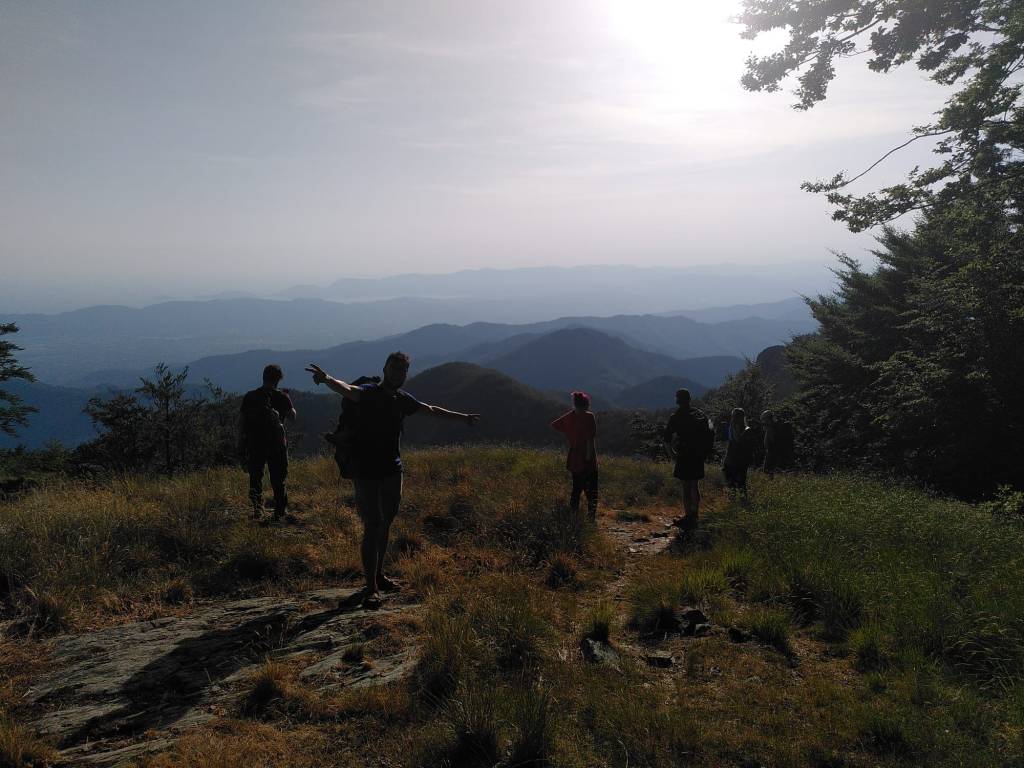
The final phase of the program consisted of hiking in the stunning Apuan Alps. We hiked up to and stayed at the Rifugio Carrara for four nights, from which we launched several significant treks into the mountains surrounding Carrara. We also visited a marble mine with a local NGO to understand the various impacts from the ongoing mining activities on the environment and community.

None of the above activities would have been possible without the tremendous efforts of Prof. Tommaso Luzzati and Dr. Tiziano Distefano, who taught in the summer school, led the planning of the ESEE conference, and organized the hiking logistics.