
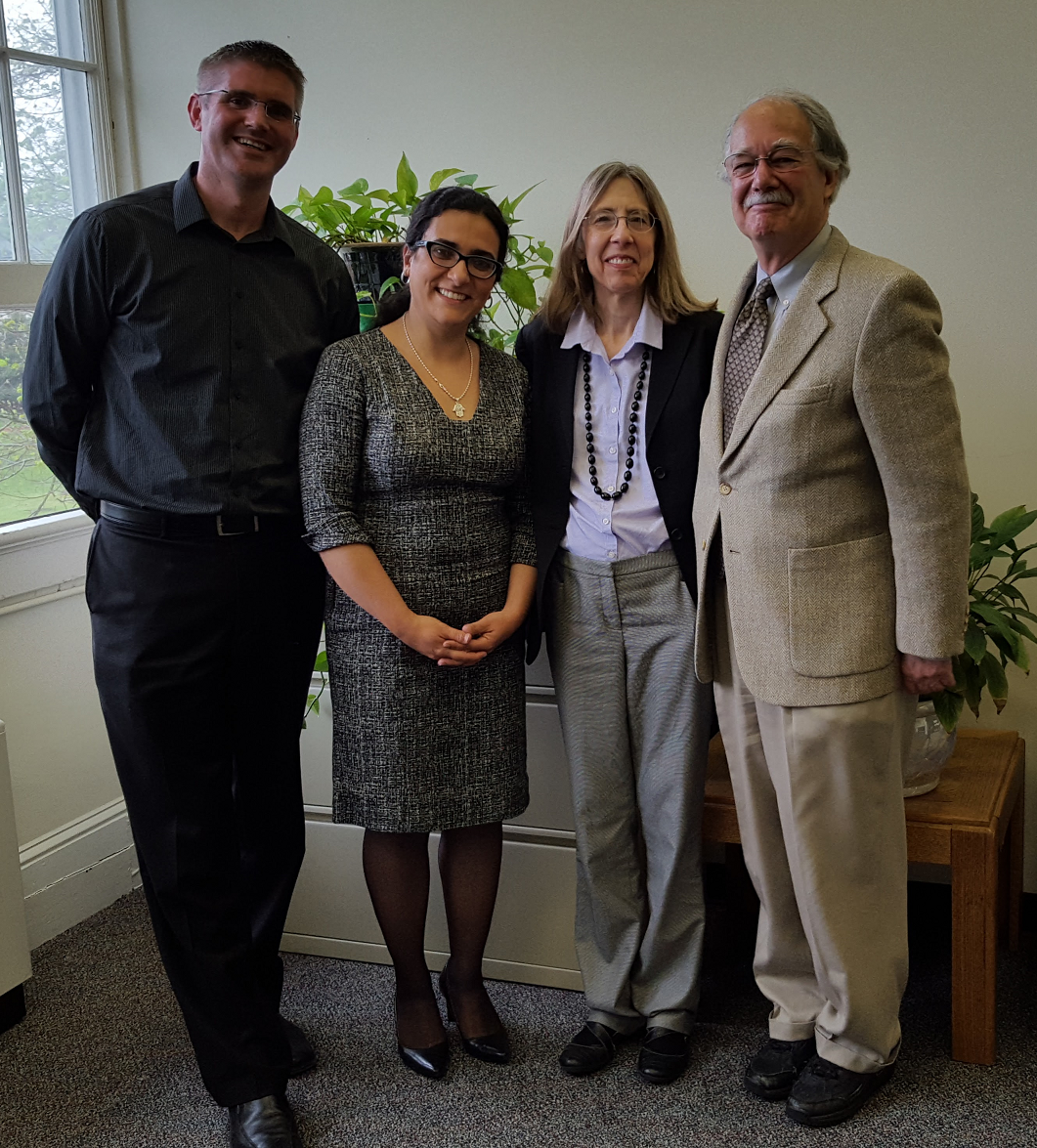
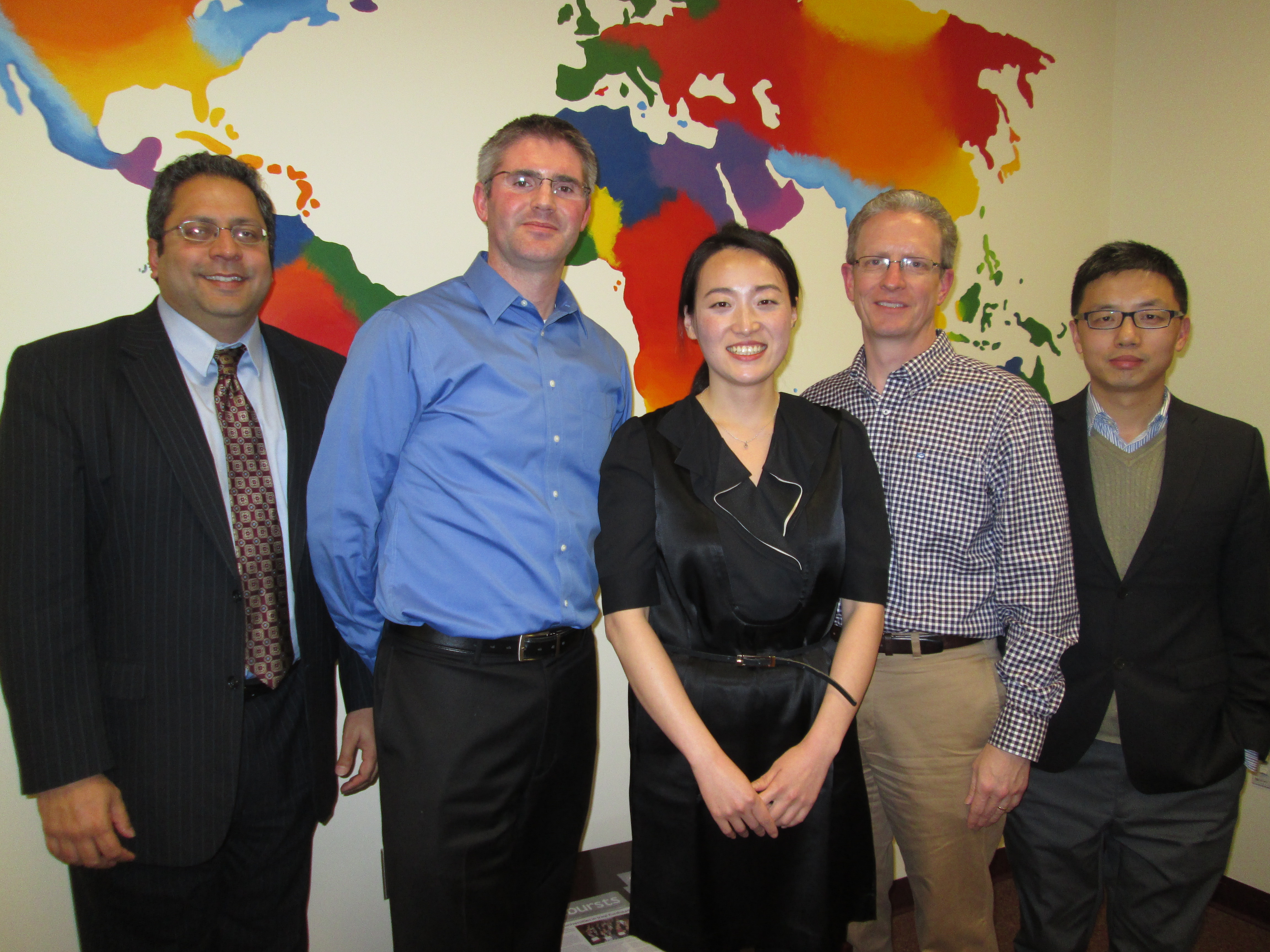
Congratulations to Dr. Sadhana Manthapuri who I had the privilege of hooding this afternoon at the Virginia Tech Graduate School Commencement Ceremony.
It has been a true pleasure to work with Sadhana over the past four years. She has a passion for her research and an incredible work ethic that enabled her to explore almost every facet of the concept of urban DNA. I have copied the abstract from her dissertation below to provide a sense of the scope of her research.
Sadhana’s contributions at Virginia Tech extended beyond her dissertation. She taught two courses—Land Use and Environment and Renewable Energy Systems—sharing her knowledge and enthusiasm with our undergraduate students. She also served as a graduate research assistant with the Center for Economic and Community Engagement, enriching her academic experience with applied research. Internationally, she has presented her research at urban conferences in Spain and London, and was interviewed by Prof. Greg Clark (CBE) as part of his DNA of Cities podcast.
Outside of Virginia Tech, Sadhana was selected for the prestigious 2024 Mayoral Fellowship Program in the City of Detroit. In this program, she worked closely with the crime and violence intervention team, explored a range of policy issues, and regularly engaged with Mayor Mike Duggan. Before that, Sadhana spent her 2023–24 winter break developing an economic revitalization plan for Philadelphia’s 7th Ward, earning second place in the Edmund N. Bacon Urban Design Competition.
I highlight these experiences not just to list her accomplishments, but to illustrate the breadth of her engagement during her time at Virginia Tech. Sadhana seized every opportunity to grow, lead, and contribute—both in the classroom and in communities across the country.
Congratulations again, Dr. Manthapuri!


Abstract
This dissertation examined the concept of Urban DNA from both theoretical and practical perspectives. While urban scholars frequently use the term “urban DNA” in their discussions, many theoretical aspects and applications remain unresolved. In the post pandemic world, as an increasing number of cities are keen to explore their unique urban DNA and leverage this for effective branding, there is a need to understand what urban DNA is. However, there is a lack of comprehensive step-by-step guidance available to urban planners and policymakers on how urban DNA can facilitate the urban development process.
To bridge this gap, a bibliometric review of existing literature was conducted to gain insights into how scholars have framed the concept of urban DNA. This review highlights the strengths and weaknesses of various narratives of urban DNA, thereby providing a more comprehensive understanding of the topic. To establish the urban DNA theoretical framework, 17 different urban development and evolutionary theories were studied to understand what factors could define the genetic essence of cities and how a development transition could occur. Regulation and urban niche theory emerged as the two most effective frameworks due to their ability to explain urban uniqueness, as well as the temporal and spatial variations, growth, and stability that occur across different cycles of urban development.
To validate the regulation and urban niche DNA model, interviews were conducted with the directors of the economic and planning departments across seven tech hubs, aiming to understand how the unique characteristics of these cities evolved over the past two decades. The analysis revealed that, despite notable differences in their economic identities and growth trajectories, the interviewees consistently identified similar regulatory and niche factors as the foundational elements of the cities’ genetic essence. Additional urban DNA mechanisms linked with sectoral, temporal, and spatial interplay were also captured. Drawing from the findings of the qualitative approach, a preliminary vector autoregression framework was developed to quantitatively visualize the DNA of a city and understand the impacts of the phenomenon of addition, substitution, and deletion of genetic elements on the evolution of cities using San Francisco to present the ideas.

 Ralph P Hall