Professor, Urban and Environmental Policy and Planning (UEPP), Virginia Tech; Joann Boughman Innovation Fellow at USG; Acting Director, Center for Future of Work Places and Practices (CFWPP); Head of Outreach and Engagement, Center for European and Transatlantic Studies (CEUTS)
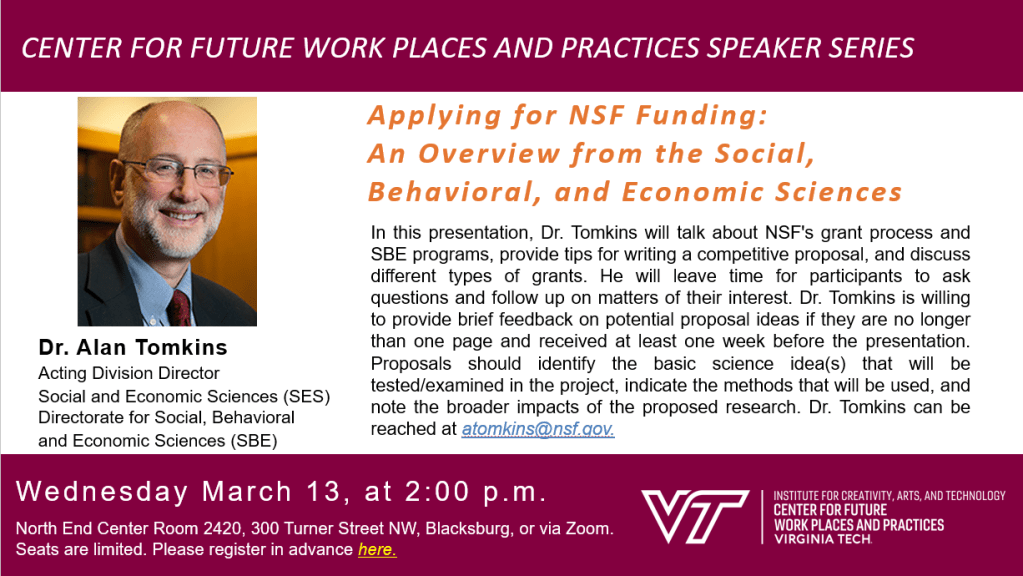
On March 13 at 2pm, the Center for Future Work Places and Practices (CFWPP) will welcome Dr. Alan Tomkins – the Acting Division Director of the NSF’s Social and Economic Sciences (SES) Directorate – to Virginia Tech as part of its speaker series. In this presentation, Dr. Tomkins will talk about NSF’s grant process and Social, Behavioral, and Economic Sciences (SBE) programs, provide tips for writing a competitive proposal, and discuss different types of grants.
Please register hereto join the talk in person or remotely.
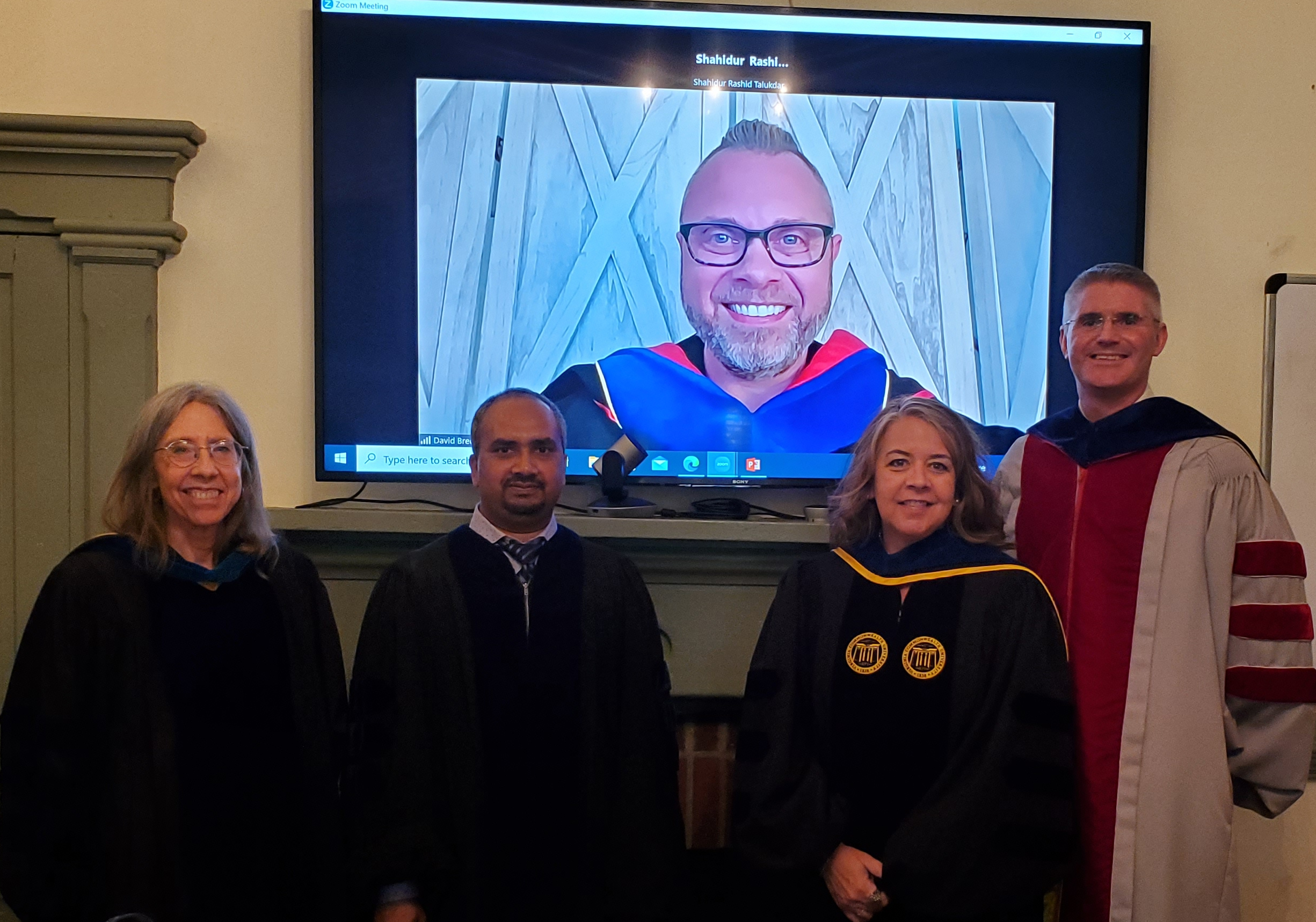
Congratulations to Shahidur Rashid Talukdar for successfully defending his PhD dissertation entitled “Policy conflicts among local government officials: How does officials’ engagement with regional governance relate to their position divergence on sustainability policy?” The abstract for his dissertation is provided below.
Policy conflict plays an important role in shaping public policy—both as a process and as a product. The policy conflict framework—a relatively novel theoretical framework, developed by Christopher Weible and Tanya Heikkila in 2017—considers position divergence among policymakers a key characteristic of policy conflict, which can be affected several factors including organizational and network affiliation of policymakers. This dissertation analyzes position divergence among local and regional officials over community sustainability policy, with a focus on affordable housing, which is a major concern of community sustainability. This research examines if, and how, local government officials’ engagement with regional governance can play a role in shaping their policy positions. Understanding what influences officials’ policy positions is essential in managing conflicts that arise in the making of sustainability policies in general and affordable housing policies, in particular.
This study argues that local government officials’ engagement with regional governance can lower policy position divergence among them by influencing their policy core beliefs and policy relevant knowledge. This analysis includes testing several hypotheses using data from a state-wide survey of local and regional policymakers. Employing cross-tabulations, multivariate regressions, and ordered logit analysis, this study finds that (a) policymakers share a wide range of policy positions on community sustainability policies and (b) for local government officials engaged with regional governance, position divergence on community sustainability is lower than that among those who are not engaged with regional governance. Although position divergence on affordable housing among those engaged with regional governance is generally lower than those who are not engaged with regional governance, this finding is not robust. In some regions and localities, the relationship between position divergence and engagement with regional governance does not hold.
Furthermore, this study finds that local government officials’ engagement with regional governance is associated with higher levels of policy relevant knowledge, which can influence the policymakers’ policy positions. Policy core beliefs do not have a statistically significant relationship with policymakers’ engagement with regional governance. The analysis suggests that local government officials’ policy core beliefs may not be affected by their engagement with regional governance.
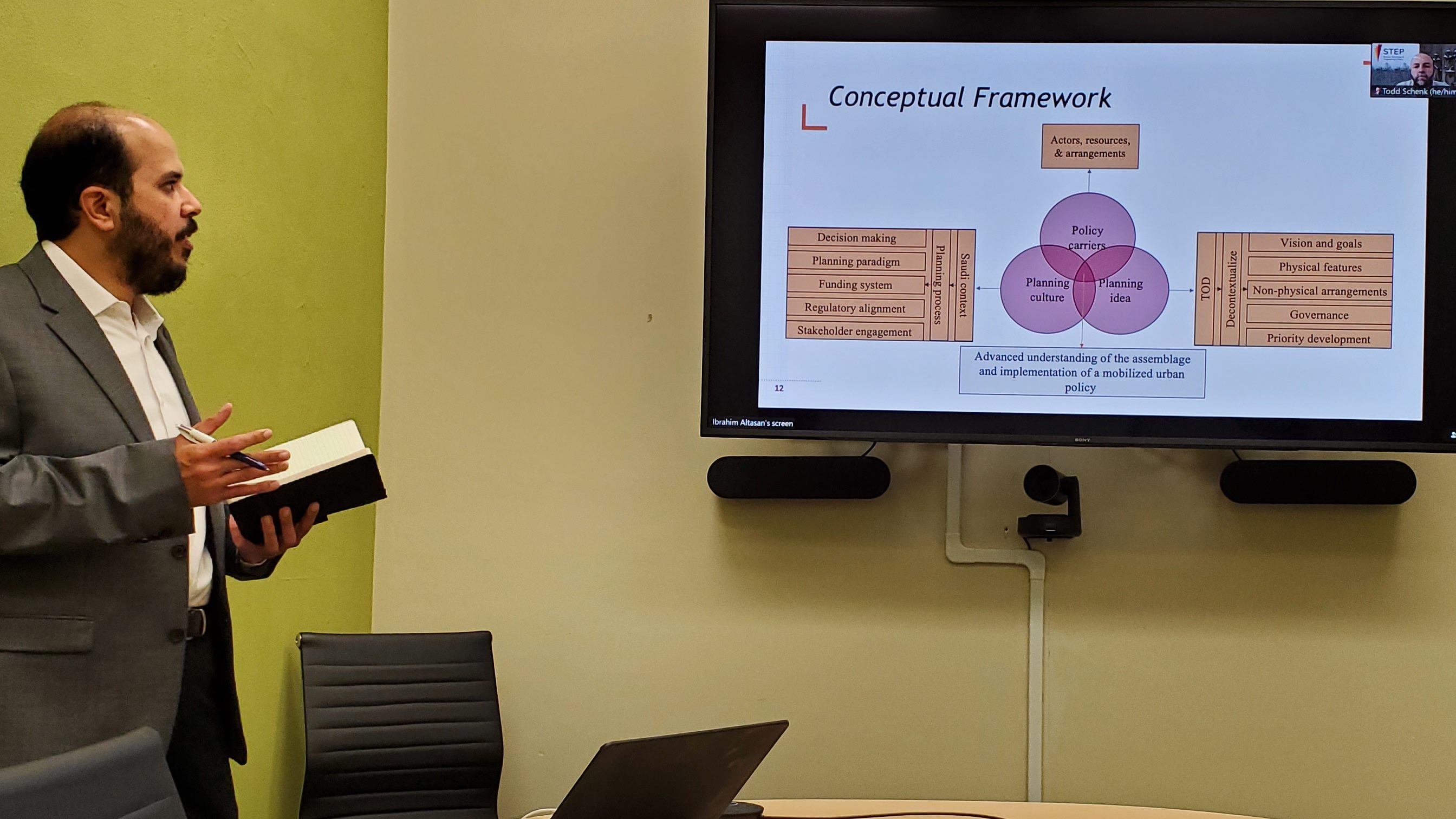
Congratulations to Ibrahim Altasan for successfully defending his PhD dissertation entitled “The Governance of Mobilized Urban Policies: The Case of Riyadh’s Transit-Oriented Development Program.” The general audience abstract for his dissertation is provided below.
Nowadays, city officials are looking outside their borders for urban policies that promote sustainability and improve quality of life. However, city officials rarely consider how differences between local urban areas could affect the adoption of urban policy. To address this challenge, the field of Urban Policy Mobility (UPM) emerged to shed light on how the unique local factors that shape each city environment affect what elements of an urban policy are or are not adopted. This study examines the changes that occurred when a Transit-Oriented Development (TOD) urban policy was introduced in Riyadh, Saudi Arabia. In order to learn about the changes and challenges of Riyadh’s TOD policy, interviews were conducted with employees responsible for the policy. Additionally, TOD policy documents and other publications that contained information about Riyadh’s TOD were reviewed to obtain additional data to help build a deeper understanding of why certain policy elements were implemented and others were not. The study found that: 1) the TOD policy was not completely translated into Riyadh where the focus is more on increasing building density, diversifying land uses, and enhancing design aesthetics, which resulted in overlooking other important policy elements that enhance economic and social sustainability; and 2) the implementation of the TOD policy led to governance challenges due to the differences in how urban planning is undertaken in Riyadh when compared with TOD policy environments in western countries. This in-depth study of Riyadh’s experience can inform other cities that are looking to implement urban policies borrowed from overseas.
On Wednesday, April 26, at 3:30pm, please join Dr. Jessica Agnew and I to learn about the results from our 2019 and 2021 food access and well-being studies at Virginia Tech. The report from our 2019 study can be accessed here. We will provide a brief summary of the 2019 results and then share the findings from the 2021 study. We will also discuss the events that led to the creation of The Market of Virginia Tech and will outline the future research that is underway.
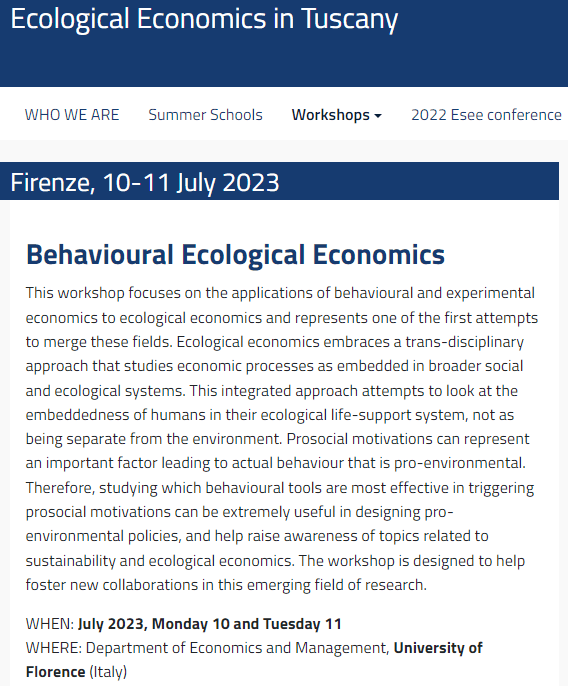
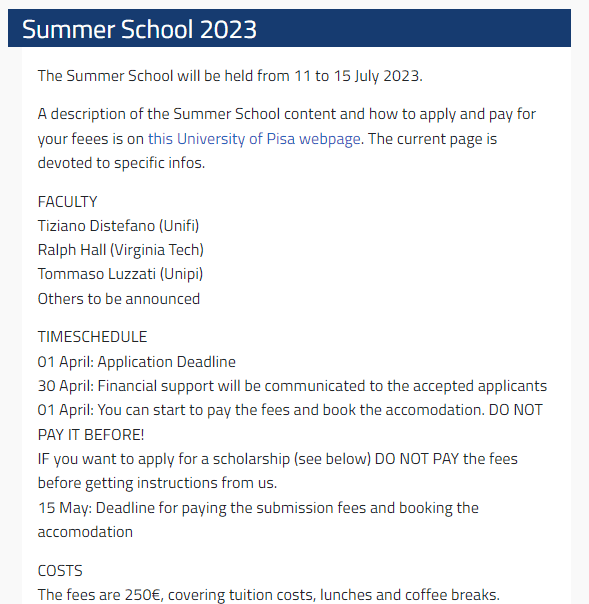
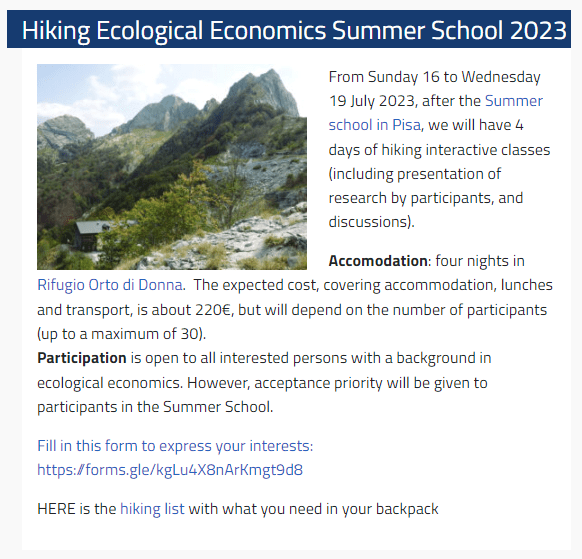
The three main components of our 2023 study abroad program in Italy are now open for any student to apply. Virginia Tech students who are accepted into the VT program will be automatically enrolled into each part of the program.
VT Students: The application portal will remain open for the next week, so please apply this week if you would like to be considered for the program. Please also make sure you apply for a GEO Scholarship (due March 15th).
Non-VT/International Students: I hope you will considered applying to one or more parts of the program via the links below. In 2022, we had over 20 countries represented in the Pisa summer school that hosted around 40 students. It was a really engaging and culturally rich experience for everyone involved in the program.
Please find below links to the 3-minute presentations given during the “Get Out There with SPIA” event held on February 10. The slides from the event can be accessed here.
If you have any questions about a specific program/course, please reach out to the lead faculty member(s) listed below. The first two summer programs have an application deadline of February 15, so please apply before then if you would like to be considered for one of these.







 Ralph P Hall