Professor, Urban and Environmental Policy and Planning (UEPP), Virginia Tech; Joann Boughman Innovation Fellow at USG; Acting Director, Center for Future of Work Places and Practices (CFWPP); Head of Outreach and Engagement, Center for European and Transatlantic Studies (CEUTS)
On May 9, from 2-4pm, the Center for Future Work Places and Practices (CFWPP) will hold its annual friends and affiliates networking meeting at the Virginia Tech Inn. The meeting will provide attendees with an opportunity to meet and interact with other affiliates and friends of the center. During the event, we will have a brief presentation about the center activities over the last year, followed by several short presentations about ongoing research related to the future of work. There will also be plenty of time for coffee/free discussion. Please register here.
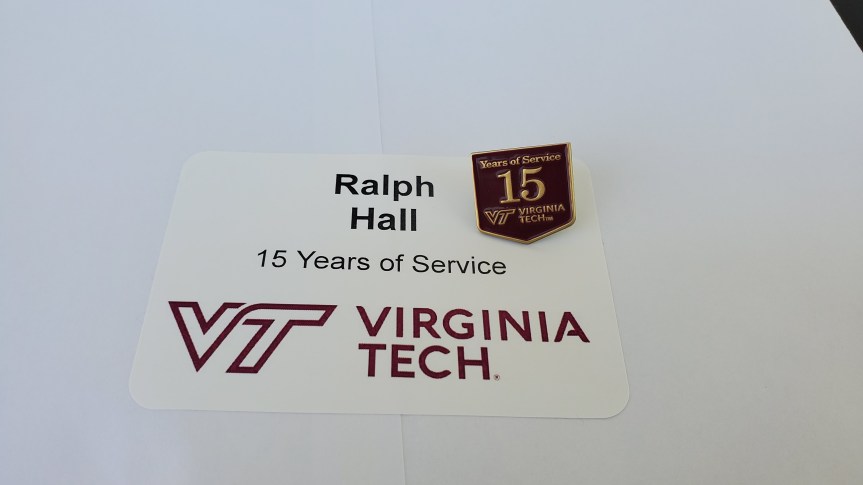
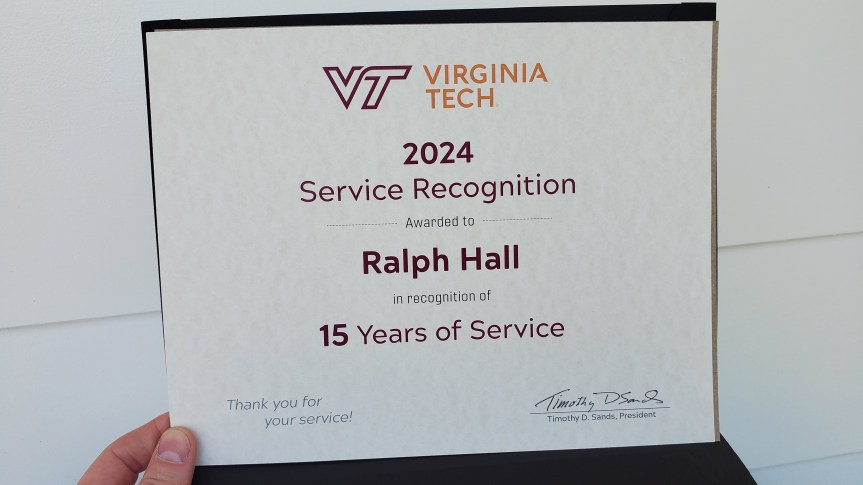
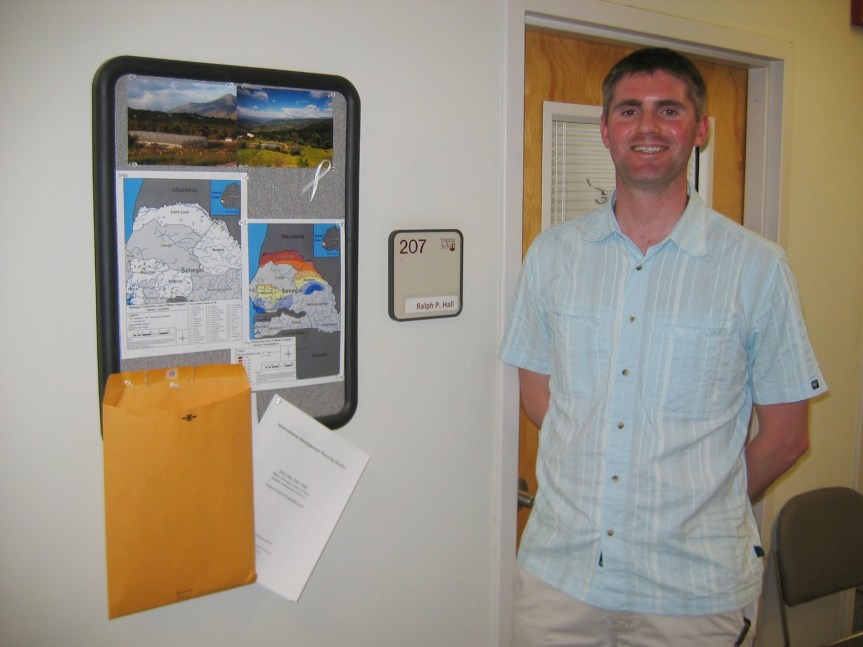
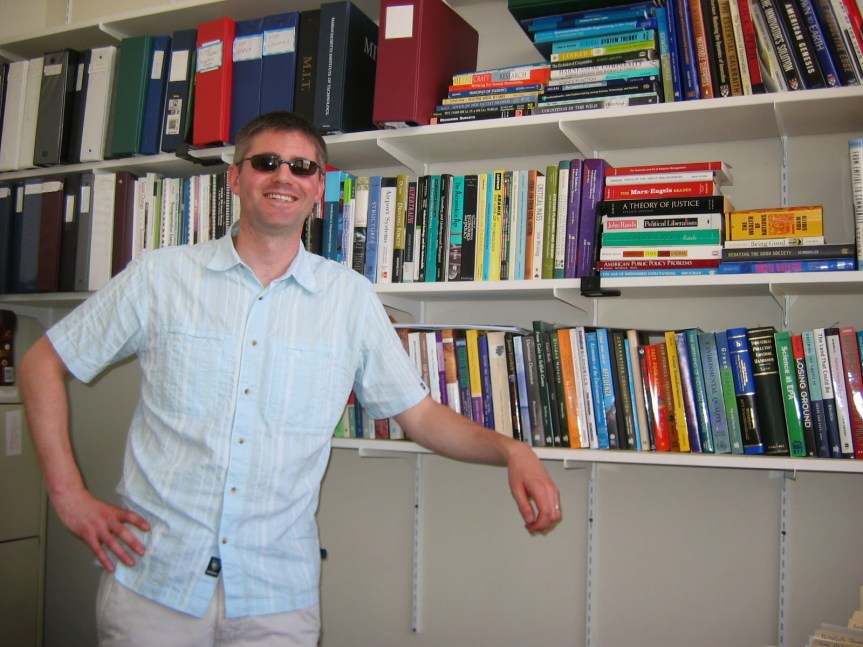
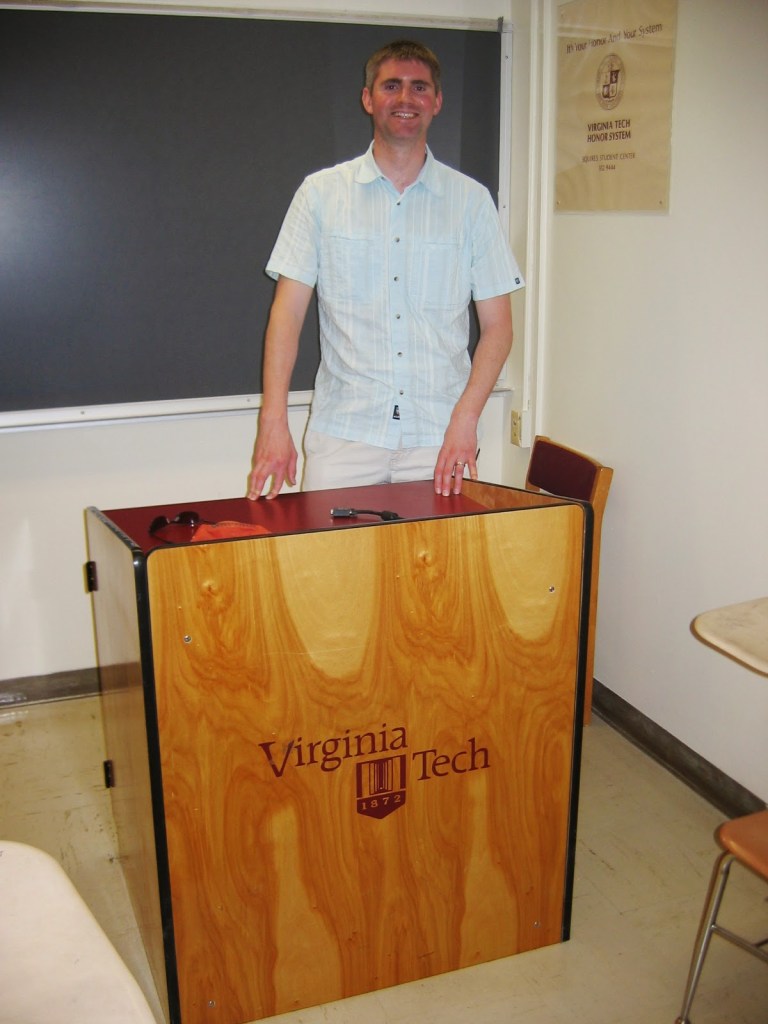
This morning I celebrated my 15th year at Virginia Tech! It’s hard to believe this much time has passed since arriving in Blacksburg for the start of the 2009 spring semester. In a nostalgic look back, I’ve included a few images below from my first few months at Virginia Tech.
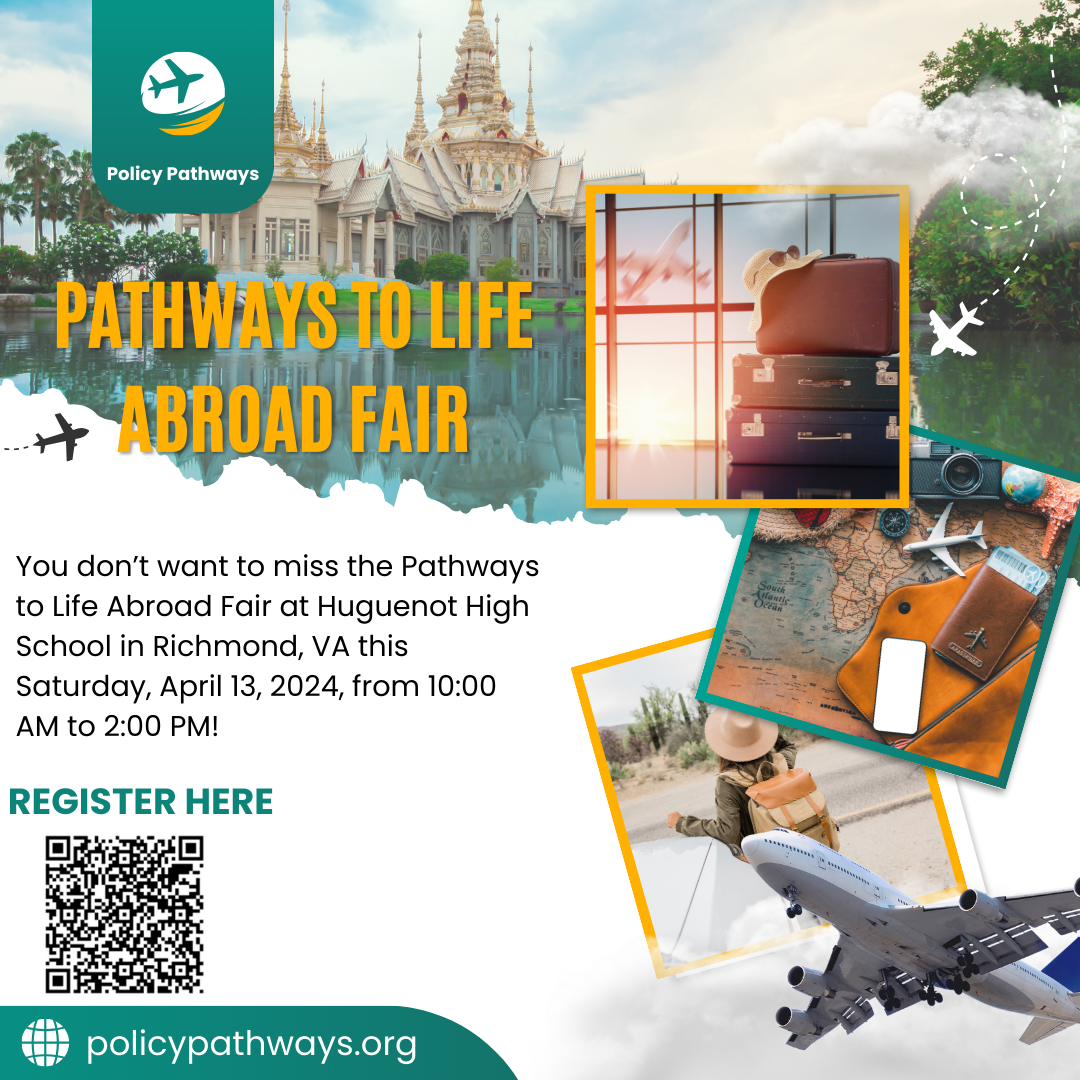
This weekend, I’ll be speaking about why international education matters at the Pathways to Life Abroad Fair hosted by Policy Pathways. If you live in Richmond, Virginia, please join us at the Huguenot High School between 10am and 2pm on Saturday, Aril 13. The event is open to the public.
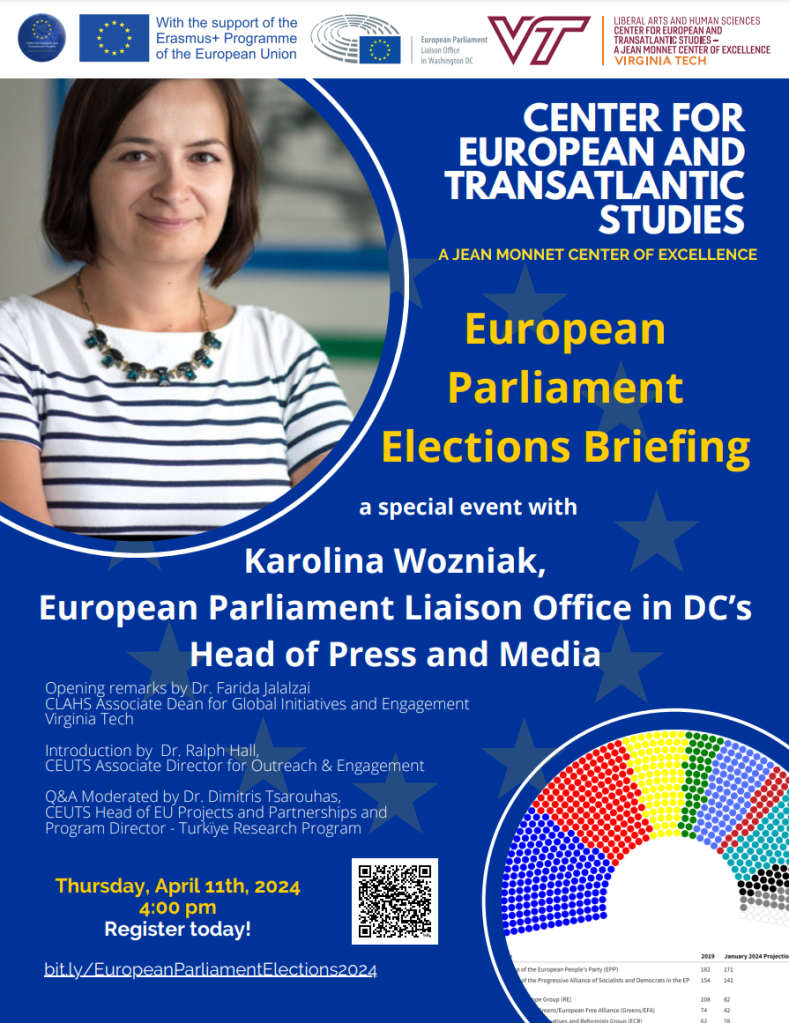
On Thursday, April 11, from 4:00-5:30pm, Karolina Wozniak, Head of Press and Media in the European Parliament Liaison Office in Washington DC, will speak about the upcoming European elections. The European Union is one of the United States strongest and most valuable partners, meaning the elections can have a significant impact on US-EU policies. The event is hosted by the Center for European and Transatlantic Studies (CEUTS).
If you would like to join the webinar, please register here.
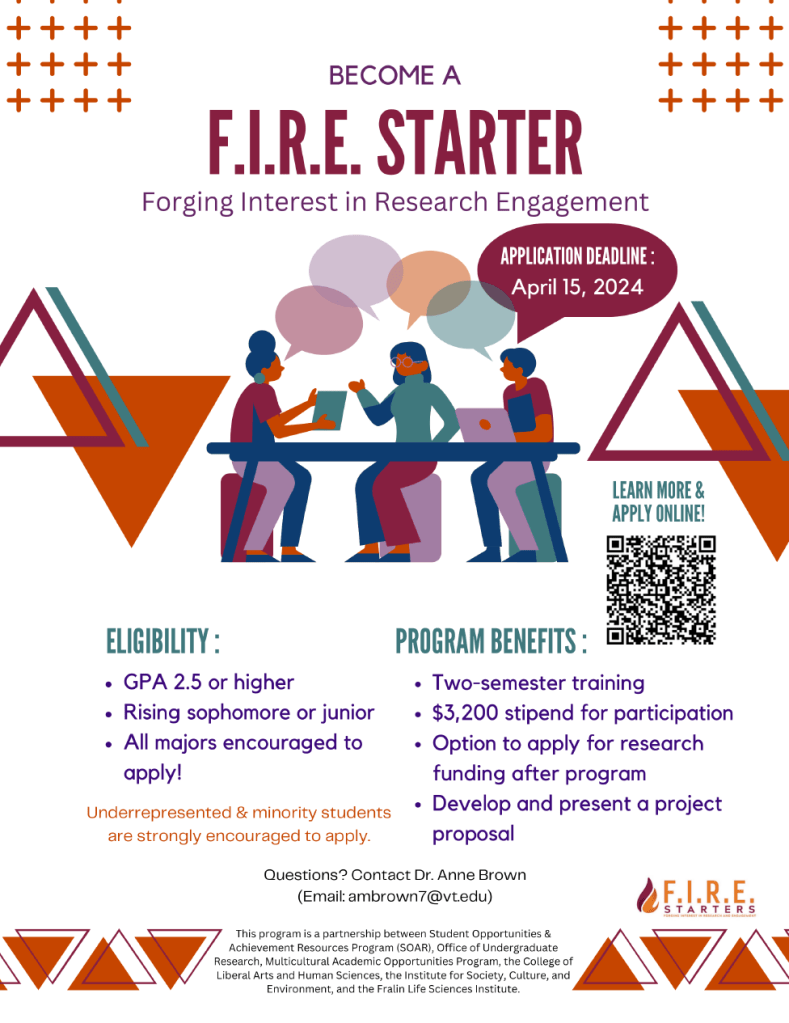
The application for the 2024-2025 F.I.R.E. (Forging Interest in Research and Engagement) Starters program is now open to Virginia Tech undergraduates (specifically, rising sophomores and/or students with junior standing, or students with at least 2 years remaining at Virginia Tech).
As a global land-grant institution, Virginia Tech is committed to serving individuals and society and improving the quality of life for all. The realization of this vision rests on our ability to advance transdisciplinary research that is informed by a diverse array of lived experiences. The purpose of the F.I.R.E. Starters program is to:
increase diversity in undergraduate research at Virginia Tech,
increase access to foundational research training,
connect students with faculty research mentors, and
prepare students for independent and collaborative research, competitive summer research opportunities, and other undergraduate research experiences.
Students in all disciplines – especially in the humanities and social sciences – are encouraged to apply.
Our new paper entitled “Systematic investigation of inadequate food access at a large southeastern land grant university,” is now available at PLOS ONE.
Abtract: Over the past decade, the impact of low food security on student well-being and academic performance has become a growing concern at institutions of higher education across the U.S. This mixed methods study adds to the growing body of evidence on the association between student socio-demographic and economic characteristics and food security. An online survey covering food access, student well-being, and housing security was sent to 35,337 undergraduate and graduate students at a large southeastern land grant university. A total of 2,116 complete responses were received; a 6% response rate. The survey responses also included 176 written statements by students. The survey found that 16% of both undergraduate and graduate students had low or very low food security, as defined by a modified USDA food security measure. The socio-demographic and economic characteristics that were linked to a higher likelihood of low food security included: having a GPA of less than 3.0, having a disability, being an international student, being a first-generation student, being a transfer student, going into debt to pay for food, being a Black or African American student, having poor mental health, having uncertain living arrangements, and having no medical insurance. Recommendations for enhancing student access to food, housing, and mental health services are discussed.
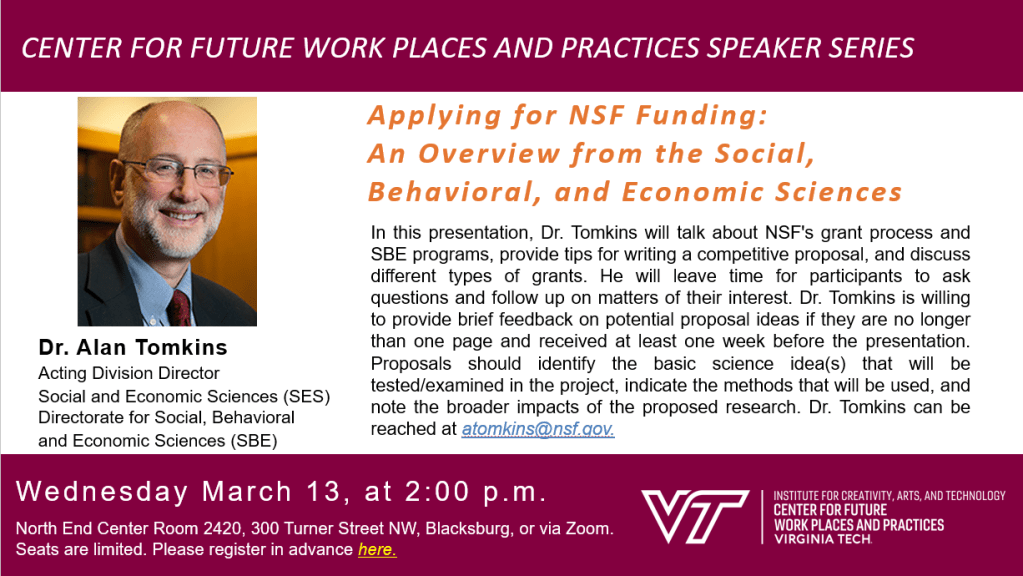
On March 13 at 2pm, the Center for Future Work Places and Practices (CFWPP) will welcome Dr. Alan Tomkins – the Acting Division Director of the NSF’s Social and Economic Sciences (SES) Directorate – to Virginia Tech as part of its speaker series. In this presentation, Dr. Tomkins will talk about NSF’s grant process and Social, Behavioral, and Economic Sciences (SBE) programs, provide tips for writing a competitive proposal, and discuss different types of grants.
Please register hereto join the talk in person or remotely.
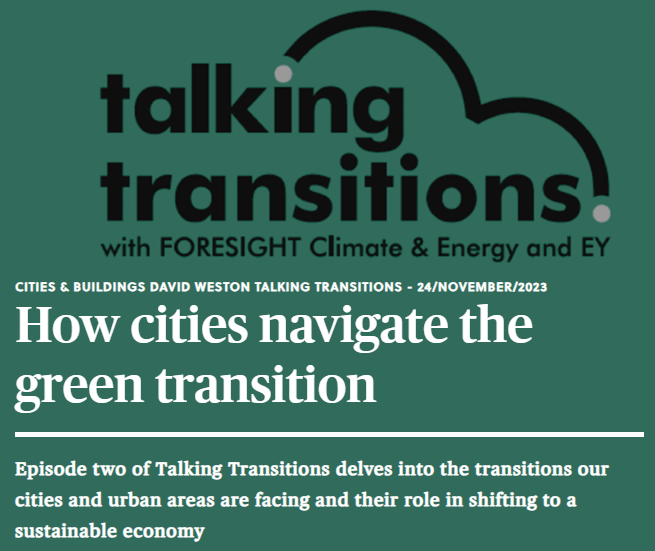
I recently had the pleasure of participating on Episode two of Talking Transitions, a new podcast series (hosted by David Weston) from FORESIGHT Climate & Energy and EY that focuses on how the transition to a sustainable economy may impact the energy and resources industry, the financial services sector, and Government.
In our poadcast, Prof. Abbas El-Zein (University of Sydney in Australia), George Atalla (EY’s Global Government and Public Sector Leader), and I delved into the transitions cities and urban areas are facing and their role in shifting to a sustainable economy.
On Wednesday, October 25, from 9-11am, Steven T. Licardi and I will be hosting an event as part of the Virginia Tech Humanities Week. Please join us if you would like to engage in our “Performing Alternative Economic Models” experience.
Performing Alternative Economic Models
Ralph Hall and Steven T. Licardi
Time: 9:00 – 11:00 a.m. Location: Squires 134 and Zoom
For many, our current economic models no longer meet our basic human needs. Over the past two years, performance artist Steven T. Licardi and SPIA faculty member Ralph Hall have been exploring ways to advance new economic thinking – related to Community Wealth Building – through a SciArts project. Through this collaboration, they arrived at “Ping-pong-omics” and performance art as an engaging way to reveal economic inequality and challenge participants to imagine, explore, and develop alternative economic models.









 Ralph P Hall